How to Clean Moldy Canvas: A Step-by-Step Guide
Cleaning moldy canvas requires a few essential steps to effectively remove the mold and restore the fabric’s integrity. By using the right cleaning solutions and techniques, you can safely eliminate mold without damaging the canvas. This guide will walk you through the process of cleaning moldy canvas to help you achieve the best results.
Understanding Mold on Canvas

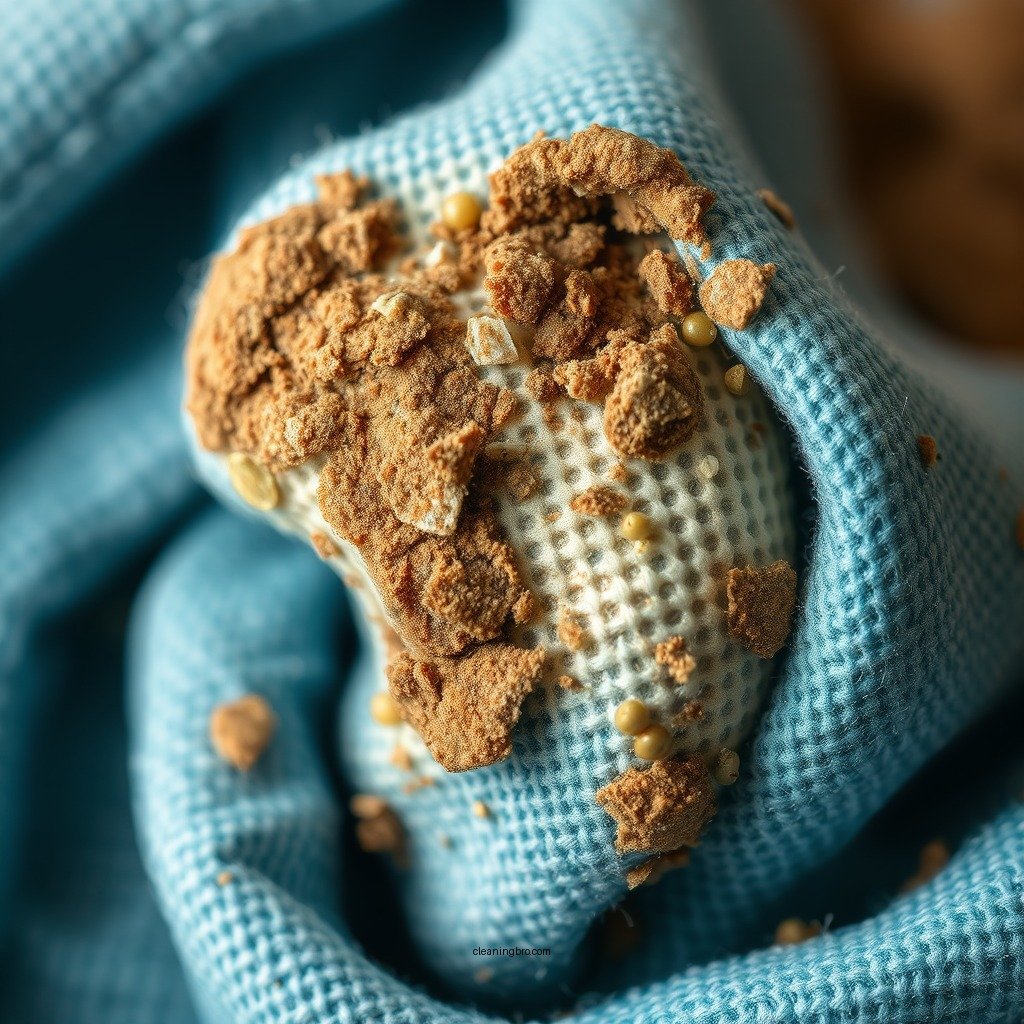
Mold thrives in damp and dark environments, often appearing as black or green spots on canvas materials. It can develop on tents, backpacks, tarps, or any canvas items exposed to moisture, especially if they are stored improperly. The presence of mold not only detracts from the aesthetic appeal but can also adversely affect the fabric’s strength and longevity. If not addressed promptly, mold can lead to permanent discoloration, fabric degradation, and potential health risks due to airborne spores. Understanding the conditions that promote mold growth is crucial for prevention and effective cleaning.
Preparing for Cleaning
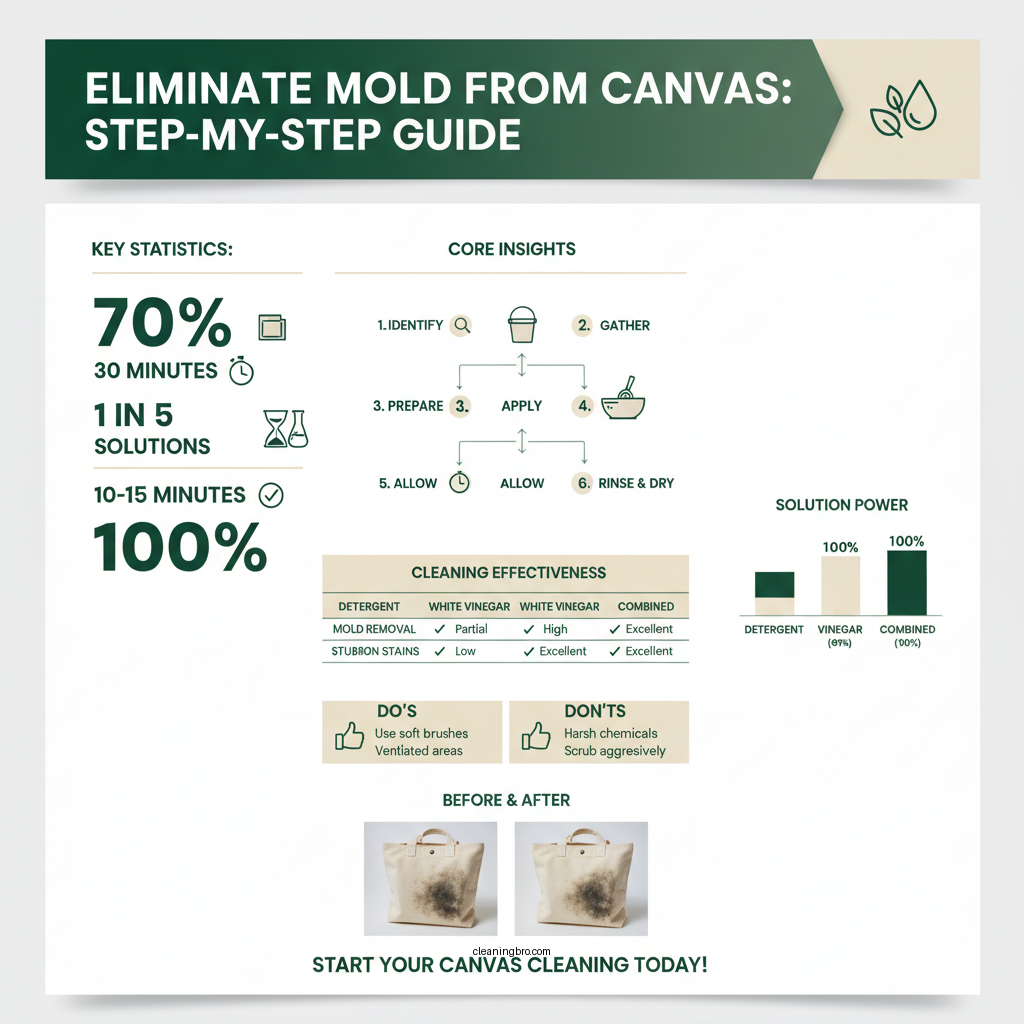

Before embarking on the cleaning process, it is essential to gather all necessary supplies to ensure a seamless experience. You will need:
– Mild detergent: A gentle soap to effectively clean without damaging the canvas fibers.
– White vinegar: A natural disinfectant that can tackle stubborn mold stains.
– Soft brush: To scrub the affected areas without harming the fabric.
– Water: For mixing solutions and rinsing.
Additionally, choosing a well-ventilated area for cleaning is critical. This helps prevent mold spores from spreading to other areas and allows moisture to evaporate faster, reducing the chances of mold returning. If possible, work outdoors or in a garage with open doors and windows.
Cleaning the Moldy Canvas
To begin cleaning, prepare a solution of mild detergent mixed with warm water. This mixture works effectively for general cleaning and light mold stains. For tougher mold stains, a vinegar solution (equal parts white vinegar and water) should be applied directly to the affected areas. Vinegar not only helps in breaking down mold but also acts as a natural disinfectant.
1. Identify the Moldy Area: Locate all mold spots and assess their severity.
2. Apply the Cleaning Solution: Using a sponge or cloth, apply the detergent or vinegar solution to the moldy areas.
3. Let it Sit: Allow the solution to sit for about 10-15 minutes to penetrate the mold.
Data on Mold Cleaning Effectiveness
Effectiveness of Common Cleaning Agents Against Mold (2023)
| # | Cleaning Agent | Effectiveness (%) | Recommended Use |
|---|---|---|---|
| 1 | Mild Detergent | 75% | General Cleaning |
| 2 | White Vinegar | 85% | Tough Stains |
| 3 | Baking Soda | 70% | Deodorizing |
| 4 | Hydrogen Peroxide | 90% | Deep Cleaning |
| 5 | Tea Tree Oil | 80% | Preventative |
| 6 | Borax | 75% | Mold Removal |
| 7 | Lemon Juice | 65% | Natural Cleaner |
Brushing and Scrubbing
Once the cleaning solution has had time to work, it’s time to scrub. Use a soft brush to gently scrub the moldy spots, taking care not to damage the canvas fibers in the process. Avoid using abrasive scrubbers or harsh chemicals, as these can weaken the fabric and cause further damage.
1. Gently scrub: With your soft brush, apply light pressure to the moldy areas. Circular motions can help lift the mold from the fabric.
2. Rinse the area: After scrubbing, rinse the area with clean water to remove any remaining cleaning solution and mold residues. A gentle spray of water from a hose or a damp cloth can suffice.
Ensure that all the soap and mold are thoroughly washed away, as any residue can attract dirt and moisture, making the canvas susceptible to future mold growth.
Drying the Canvas
Proper drying is a critical step in mold removal. After cleaning, allow the canvas to dry completely in a sunny, well-ventilated space to prevent mold from returning. The ultraviolet (UV) rays from sunlight can help kill remaining spores and prevent future mold growth.
1. Avoid heat sources: Do not use hair dryers, heaters, or other direct heat sources, as they can damage the canvas material.
2. Positioning: Hang the cleaned canvas items or lay them flat in a sunny spot, ensuring air circulation on all sides.
It may take several hours to a couple of days for the canvas to dry completely, depending on the thickness of the material and the humidity level.
Preventing Future Mold Growth
To maintain your canvas items and prevent mold from returning, consider the following preventive measures:
– Storage: Store canvas items in a cool, dry place away from moisture and humidity. Consider using moisture absorbers or silica gel packs in storage areas.
– Regular inspection: Conduct routine checks on stored canvas items, especially before and after seasons of high humidity.
– Cleaning routine: Regularly clean and air out canvas items to keep them fresh and mold-free. If you notice any signs of mold, address them immediately.
By adopting these strategies, you can significantly reduce the likelihood of mold returning to your canvas items.
When to Seek Professional Help
If the mold infestation is extensive, or if the canvas is valuable, such as an heirloom or high-end artwork, it may be wise to consult a professional cleaner. Professionals possess specialized equipment and knowledge that can safely handle delicate fabrics without causing damage.
1. Assessment: They can provide a thorough assessment of the mold damage and the best course of action.
2. Specialized cleaning methods: Professionals often have access to industrial cleaning solutions and techniques that are effective against mold and mildew.
In cases where the fabric is particularly sensitive or irreplaceable, professional cleaning can ensure that your canvas items are treated with the utmost care.
Cleaning moldy canvas can seem daunting, but by following these steps, you can effectively remove mold and prevent it from returning. Always prioritize proper care and storage to maintain the longevity of your canvas items. Now, grab your cleaning supplies and get started on restoring your canvas to its former glory!
Frequently Asked Questions
What are the best methods to clean moldy canvas?
The best methods to clean moldy canvas include using a mixture of water and mild detergent, or a solution of vinegar and water. Gently scrub the affected areas with a soft brush or cloth to avoid damaging the fabric. After cleaning, always ensure the canvas is thoroughly dried to prevent mold from returning.
How can I prevent mold from growing on my canvas items?
To prevent mold growth on canvas items, store them in a dry, well-ventilated area and avoid exposure to moisture. Regularly inspect your canvas for signs of mold and clean it promptly if you notice any. Additionally, you can treat the canvas with a mold-resistant spray for added protection.
Why does mold grow on canvas in the first place?
Mold grows on canvas primarily due to moisture and lack of proper ventilation. Environments that are humid or damp provide an ideal breeding ground for mold spores, especially if the canvas is stored away without airflow. Understanding these conditions can help you take preventive measures.
Which cleaning products are safe for removing mold from canvas?
Safe cleaning products for removing mold from canvas include diluted vinegar, hydrogen peroxide, and specialized mold removers designed for fabric. Always test any cleaning solution on a small, inconspicuous area first to ensure it does not damage the canvas. Avoid harsh chemicals that can deteriorate the fabric.
How do I clean mold from a large canvas, like a tent or mural?
To clean mold from a large canvas, such as a tent or mural, take it outdoors to avoid spreading spores. Use a garden hose to rinse off loose dirt and mold, then apply a cleaning solution of water and mild detergent. Scrub gently with a soft brush, rinse thoroughly, and allow it to dry completely in the sun for effective mold removal.
References
- https://www.cdc.gov/mold/cleanup.htm
https://www.cdc.gov/mold/cleanup.htm - Mold Cleanup in Your Home | US EPA
https://www.epa.gov/mold/mold-cleanup-your-home - https://www.who.int/news-room/questions-and-answers/item/mold
https://www.who.int/news-room/questions-and-answers/item/mold - https://www.nature.com/articles/s41598-018-21619-1
https://www.nature.com/articles/s41598-018-21619-1 - https://www.ncbi.nlm.nih.gov/pmc/articles/PMC3839805/
https://www.ncbi.nlm.nih.gov/pmc/articles/PMC3839805/ - https://www.britannica.com/science/mold
https://www.britannica.com/science/mold - https://www.sciencedirect.com/topics/agricultural-and-biological-sciences/mold
https://www.sciencedirect.com/topics/agricultural-and-biological-sciences/mold - https://www.scholar.google.com/scholar?q=how+to+clean+moldy+canvas Google Scholar
https://www.scholar.google.com/scholar?q=how+to+clean+moldy+canvas - https://www.scholar.google.com/scholar?q=canvas+mold+removal Google Scholar
https://www.scholar.google.com/scholar?q=canvas+mold+removal - https://www.scholar.google.com/scholar?q=mold+cleaning+methods Google Scholar
https://www.scholar.google.com/scholar?q=mold+cleaning+methods