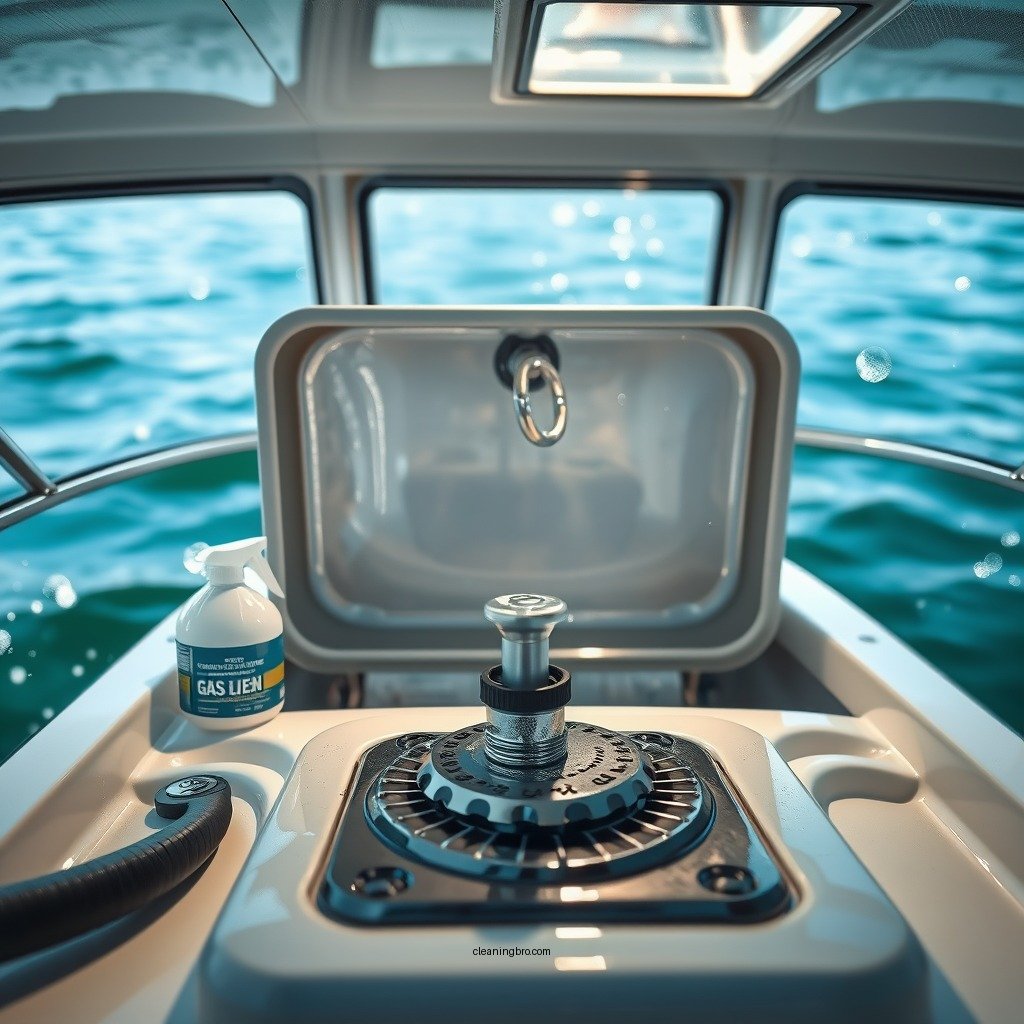
How to Clean Out a Gas Tank in a Boat
Cleaning out a gas tank in a boat is critical for maintaining performance and preventing engine problems. This process not only enhances fuel efficiency but also minimizes the risk of fuel-related issues that can arise from contaminants or sediment build-up. In this guide, you’ll discover a systematic approach to safely and effectively clean your boat’s gas tank.
Understanding the Importance of Cleaning Your Gas Tank
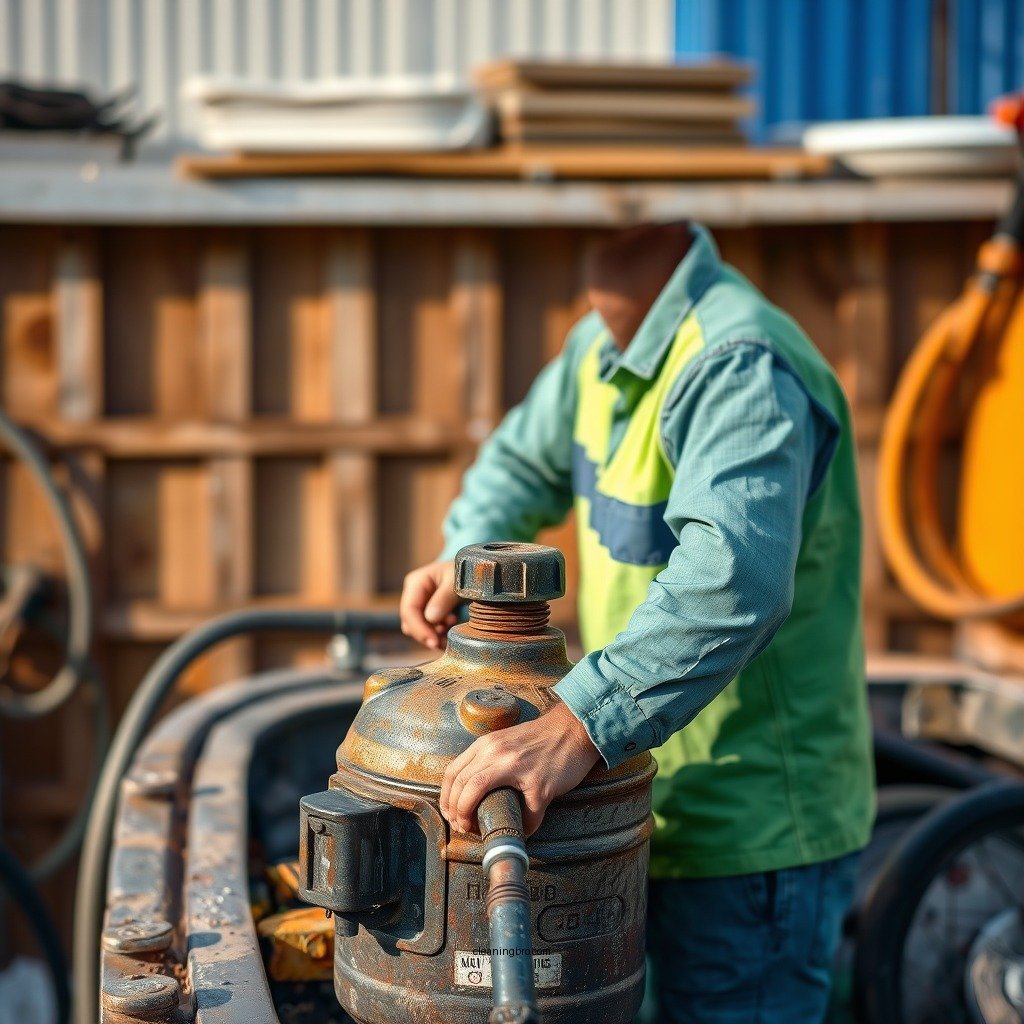
Moreover, a clean gas tank ensures optimal fuel efficiency. Contaminants can disrupt the combustion process, causing the engine to work harder and consume more fuel than necessary. This not only increases operational costs but also affects the overall performance of your boat.
Finally, maintaining a clean gas tank reduces the likelihood of facing fuel-related issues during your outings. A reliable fuel system is essential for a smooth and enjoyable boating experience, allowing you to focus on the fun rather than worrying about mechanical failures.
Safety Precautions Before Starting
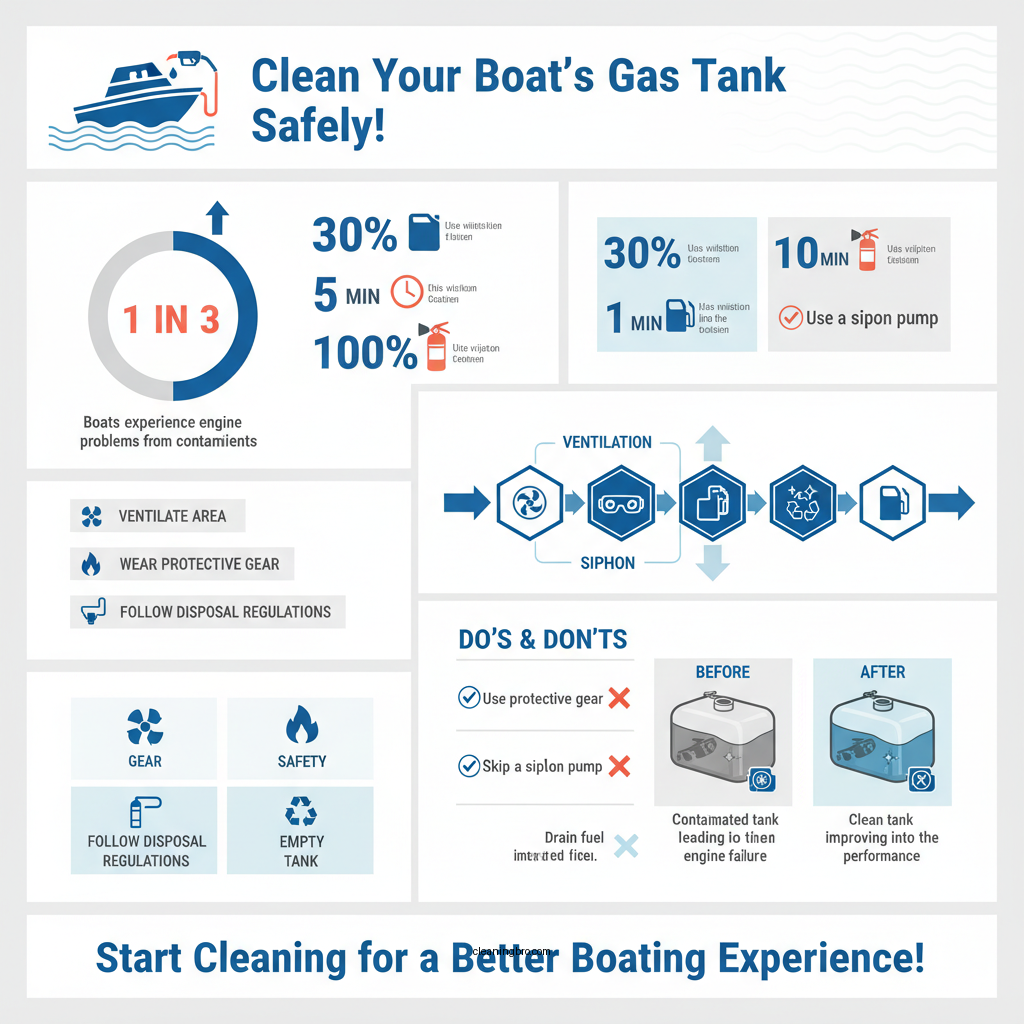
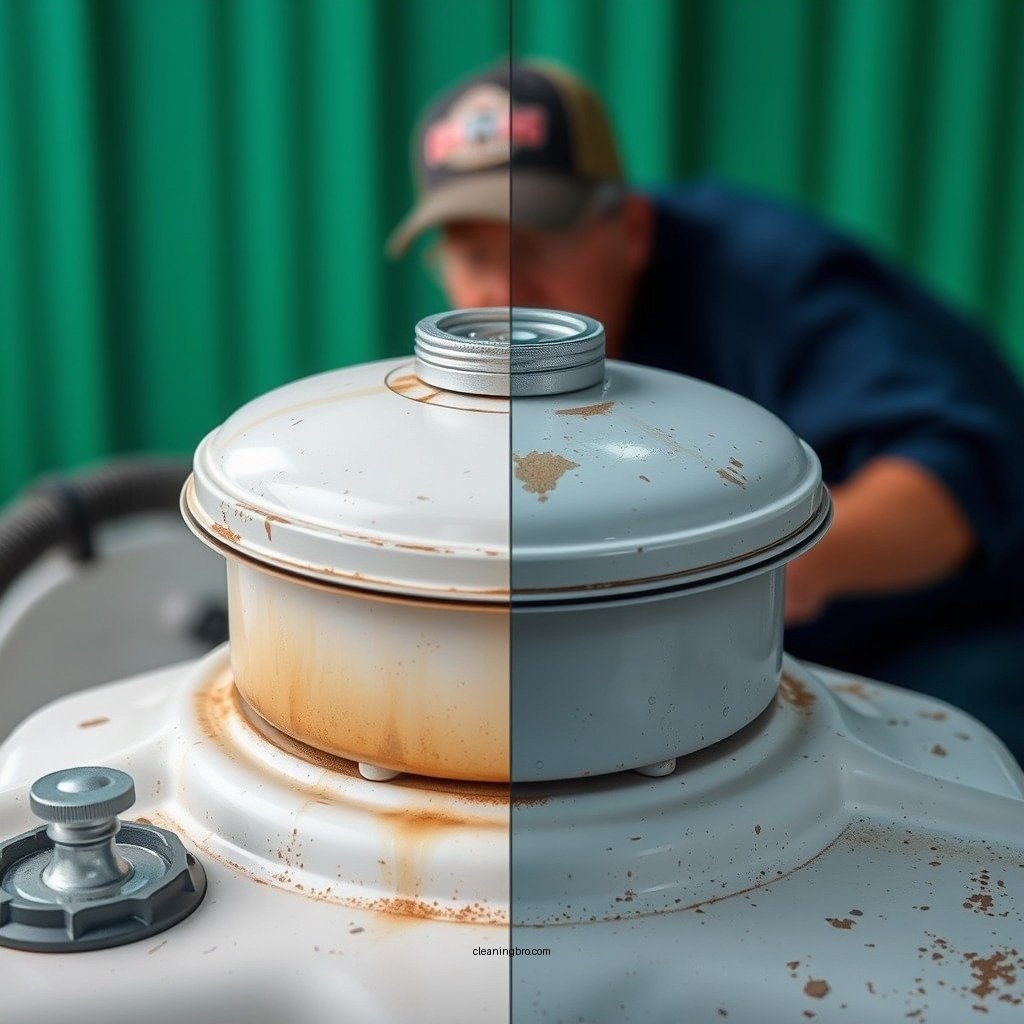
Before embarking on the gas tank cleaning process, it is paramount to prioritize safety. Here are essential precautions to consider:
– Ventilation: Always work in a well-ventilated area to prevent inhalation of harmful gas fumes. If working indoors, ensure that windows and doors are open, and use fans to circulate air.
– Protective Gear: Wear appropriate protective gear, including gloves and goggles, to protect your skin and eyes from potentially harmful substances.
– Fire Safety: Keep a fire extinguisher nearby, and maintain a safe distance from open flames or sources of ignition. Gasoline is highly flammable, and any spark could pose a significant risk.
Draining the Gas Tank
Draining the gas tank is the first critical step in the cleaning process. Here’s how to do it safely:
– Siphon Pump: Utilize a siphon pump or a manual pump to remove old fuel from the tank. This method is safe and effective, minimizing spills and exposure to gas fumes.
– Disposal: Dispose of the old fuel in accordance with local regulations. Many municipalities have designated disposal sites for hazardous materials, including gasoline.
– Empty Tank: Ensure the tank is completely empty before proceeding to the next steps. This is crucial for effective cleaning and inspection.
Cleaning the Interior of the Tank
Once the tank is drained, you can focus on cleaning the interior:
– Cleaning Solution: Choose a cleaning solution specifically formulated for gas tanks. These solutions are designed to dissolve and remove residue without damaging the tank.
– Scrubbing: Use a long brush to scrub the interior surfaces thoroughly. Ensure that you reach all areas to eliminate any lingering sediment or contaminants.
– Rinsing: After scrubbing, rinse the tank thoroughly with clean fuel or a solvent that is safe for the tank material. This step ensures that no cleaning agents remain, which could contaminate future fuel.
Top 7 Boat Fuel Tank Cleaning Solutions (2024)
| # | Brand | Cleaning Type | Effectiveness | Price |
|---|---|---|---|---|
| 1 | Star Tron | Chemical | ★★★★☆ | $20 |
| 2 | Fuel Medic | Chemical | ★★★★★ | $25 |
| 3 | Star Brite | Chemical | ★★★☆☆ | $18 |
| 4 | Sea Foam | Chemical | ★★★★★ | $22 |
| 5 | Mystic | Chemical | ★★★★☆ | $19 |
| 6 | K100 Fuel Treatment | Chemical | ★★★★☆ | $30 |
| 7 | Gunk | Chemical | ★★★★☆ | $15 |
Inspecting and Replacing Fuel Filters
During the cleaning process, inspecting and potentially replacing fuel filters is essential. Here’s how to go about it:
– Check for Clogs: Examine fuel filters for any signs of clogs or debris accumulation. A clogged filter can severely restrict fuel flow, affecting engine performance.
– Replacement: If filters are damaged or excessively dirty, replace them with new ones. It’s advisable to select high-quality filters that provide better filtration and extend service intervals.
– Upgrade Options: Consider upgrading to higher-quality filters that offer better performance. Some filters are designed to capture finer particles, which can be especially beneficial if your fuel tends to have contaminants.
Fuel Filter Options: Standard vs High-Performance vs Marine
| Feature | ⭐ High-Performance | Standard | Marine |
|---|---|---|---|
| Filtration Efficiency | 99% | 85% | 90% |
| Durability | High | Medium | High |
| Price Range | $35 – $50 | $10 – $20 | $20 – $40 |
| Maintenance Frequency | 12 months | 6 months | 12 months |
| Recommended Use | Performance boats | General use | Marine applications |
| Compatibility | Various engines | Most engines | Marine engines |
| Installation Complexity | Moderate | Easy | Moderate |
| Warranty Period | 3 years | 1 year | 2 years |
| 🏆 Best For | Performance-focused users | Casual users | Marine users |
Reassembling and Testing the System
After cleaning and inspecting the tank and filters, it is time to reassemble and test the system:
– Reconnect Hoses: Carefully reconnect all hoses and fittings, ensuring that they are secure to prevent any leaks. Double-check that clamps are tight and that there are no visible cracks in the hoses.
– Refill with Fresh Fuel: Fill the tank with high-quality, fresh fuel. This step is crucial as it ensures that your engine runs smoothly and efficiently.
– Leak Check: Before starting the engine, check for any leaks around the tank and fuel lines. If any leaks are detected, address them immediately to prevent any safety hazards.
– Engine Start: Start the engine and let it run for a few minutes. Monitor its performance closely. Listen for any unusual sounds and check the fuel system for leaks or issues.
Regular Maintenance Tips
To maintain your boat’s fuel system and ensure longevity, consider the following regular maintenance tips:
– Schedule Inspections: Conduct regular inspections and cleanings based on usage. Frequent checks will help you catch potential problems early.
– Fuel Additives: Utilize fuel system additives to help maintain fuel quality and prevent the growth of algae and other contaminants.
– Monitor Conditions: Regularly check fuel levels and inspect for any signs of contaminants. Being proactive can save you from costly repairs and ensure a better boating experience.
Cleaning out your gas tank is a straightforward yet crucial task that can save you from costly repairs and ensure a smooth boating experience. By following these steps, you can maintain your boat’s performance and enjoy safer outings on the water. Remember to incorporate regular maintenance to keep your fuel system in top shape!
Frequently Asked Questions
What are the best methods for cleaning out a gas tank in a boat?
The best methods for cleaning out a gas tank in a boat include using a fuel tank cleaning kit, which typically contains a pump and a filter. Additionally, you can manually remove the tank, drain the fuel, and use a mixture of cleaning solvents and water to scrub the interior. Always ensure to follow safety precautions and dispose of any waste fuel properly.
How do I safely remove the gas from my boat’s tank before cleaning it?
To safely remove gas from your boat’s tank, start by ensuring the boat is in a well-ventilated area away from any ignition sources. Use a siphon pump to transfer the fuel into approved containers, making sure to wear gloves and goggles for protection. Always check local regulations for proper fuel disposal methods.
Why is it important to clean out the gas tank in my boat?
Cleaning out the gas tank in your boat is crucial to prevent fuel contamination, which can lead to engine performance issues, corrosion, and costly repairs. Over time, sediment and water can accumulate in the tank, affecting fuel quality and potentially causing clogs in the fuel system. Regular cleaning helps maintain engine efficiency and prolongs the lifespan of your boat’s equipment.
Which tools do I need to clean out a boat’s gas tank effectively?
To clean out a boat’s gas tank effectively, you’ll need a siphon pump for fuel removal, a cleaning kit that includes brushes and solvents, a vacuum for debris, and safety gear such as gloves and goggles. Additionally, having a flashlight can help you inspect hard-to-see areas inside the tank. These tools will ensure a thorough and safe cleaning process.
How often should I clean out the gas tank in my boat?
It is recommended to clean out the gas tank in your boat at least once a year, or more frequently if you notice issues with fuel quality or engine performance. If your boat is used infrequently or stored for long periods, consider cleaning it before and after the boating season. Regular maintenance helps prevent fuel contamination and ensures a smooth operation on the water.
References
- https://en.wikipedia.org/wiki/Boat_fuel_systems
https://en.wikipedia.org/wiki/Boat_fuel_systems - https://www.boats.com/how-to/how-to-clean-a-boat-fuel-tank/
https://www.boats.com/how-to/how-to-clean-a-boat-fuel-tank/ - Google Scholar Google Scholar
https://scholar.google.com/scholar?q=clean+gas+tank+boat - Google Scholar Google Scholar
https://scholar.google.com/scholar?q=boat+fuel+tank+cleaning+methods - Google Scholar Google Scholar
https://scholar.google.com/scholar?q=marine+fuel+tank+maintenance - Technical Bases for Yucca Mountain Standards | The National Academies Press
https://www.nap.edu/catalog/4943/cleaning-and-maintenance-of-boat-engines-and-fuel-systems - https://www.epa.gov/cleanups/cleaning-fuel-tanks
https://www.epa.gov/cleanups/cleaning-fuel-tanks - Google Scholar Google Scholar
https://scholar.google.com/scholar?q=how+to+clean+out+a+gas+tank+in+a+boat - how to clean out a gas tank in a boat – Search results
https://en.wikipedia.org/wiki/Special:Search?search=how+to+clean+out+a+gas+tank+in+a+boat - https://www.ncbi.nlm.nih.gov/search/research-articles/?term=how+to+clean+out+a+gas+tank+in+a+boat
https://www.ncbi.nlm.nih.gov/search/research-articles/?term=how+to+clean+out+a+gas+tank+in+a+boat