How to Clean Rubber Floors: Effective Techniques and Tips
Cleaning rubber floors is straightforward and requires just a few essential steps to maintain their appearance and durability. To ensure your rubber flooring stays looking great for years to come, this guide will cover the best methods and products to use for effective cleaning, as well as tips for long-term maintenance.
Understanding Rubber Flooring
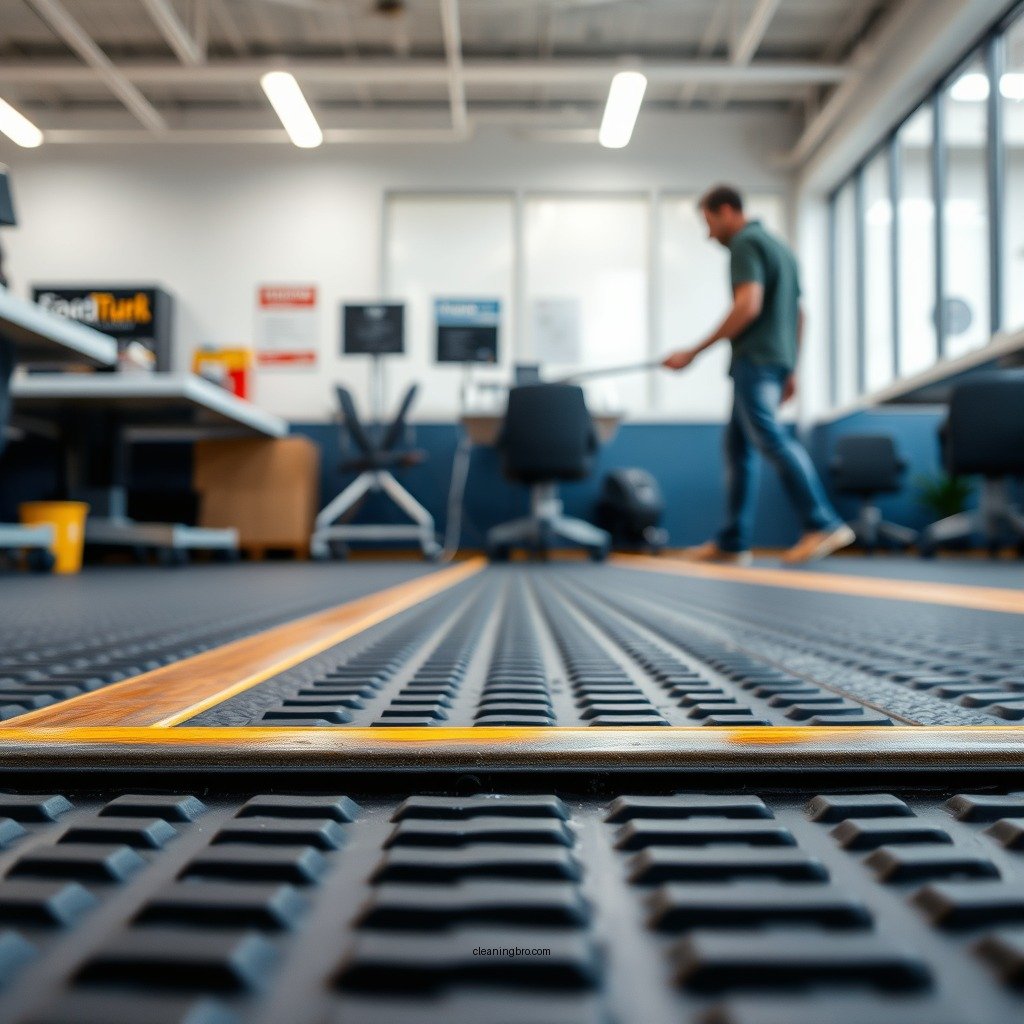
Rubber flooring comes in various types, each suited for different environments and applications. The most common types include rolled rubber, rubber tiles, and rubber mats. Rolled rubber is typically used in gyms and commercial spaces due to its seamless nature and ease of installation. Rubber tiles are versatile and can be easily replaced if damaged. Mats, often used in entryways or high-traffic areas, provide additional cushioning and slip resistance.
The benefits of rubber flooring are numerous. One of its standout features is its durability; rubber flooring can withstand heavy foot traffic, making it ideal for commercial settings. Additionally, rubber is inherently slip-resistant, providing safety in environments prone to spills. Maintenance is also relatively easy, requiring minimal specialized cleaning products, which makes it a cost-effective flooring option.
Essential Cleaning Supplies
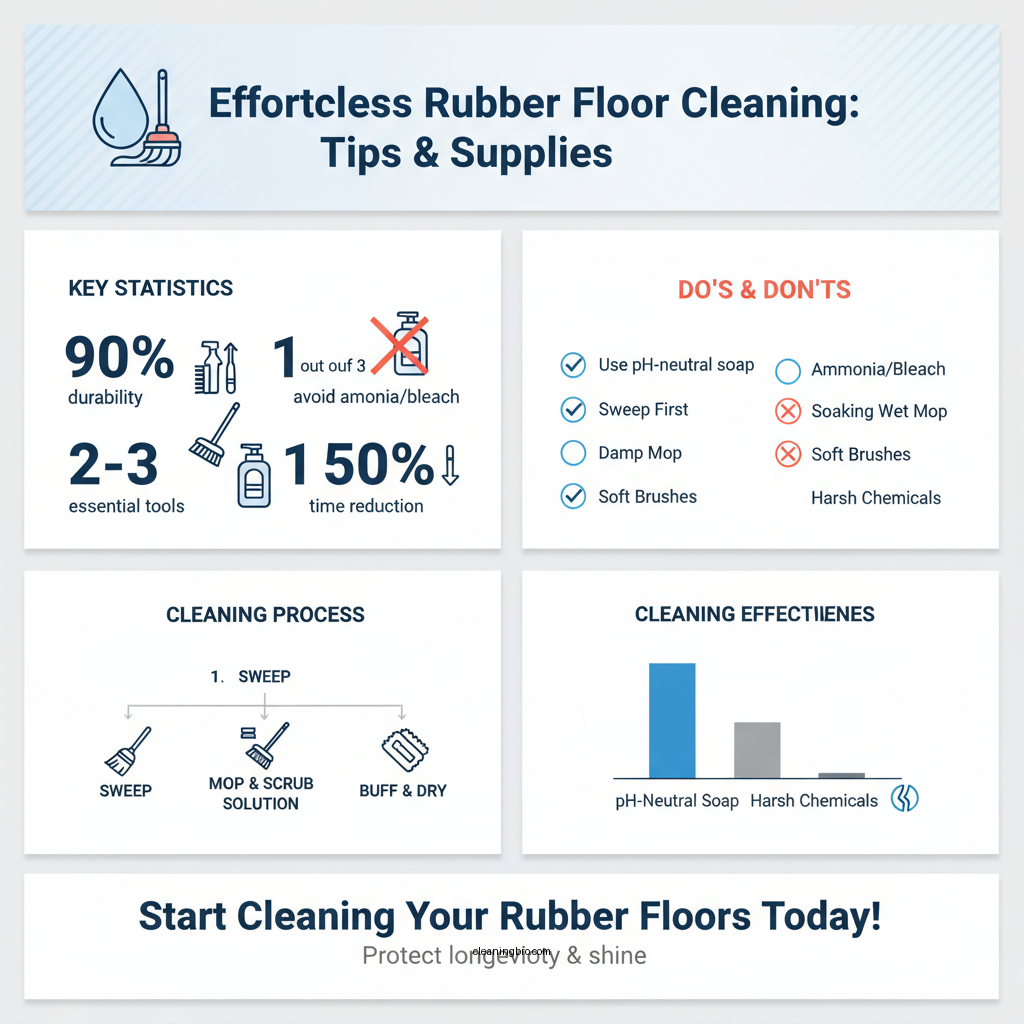
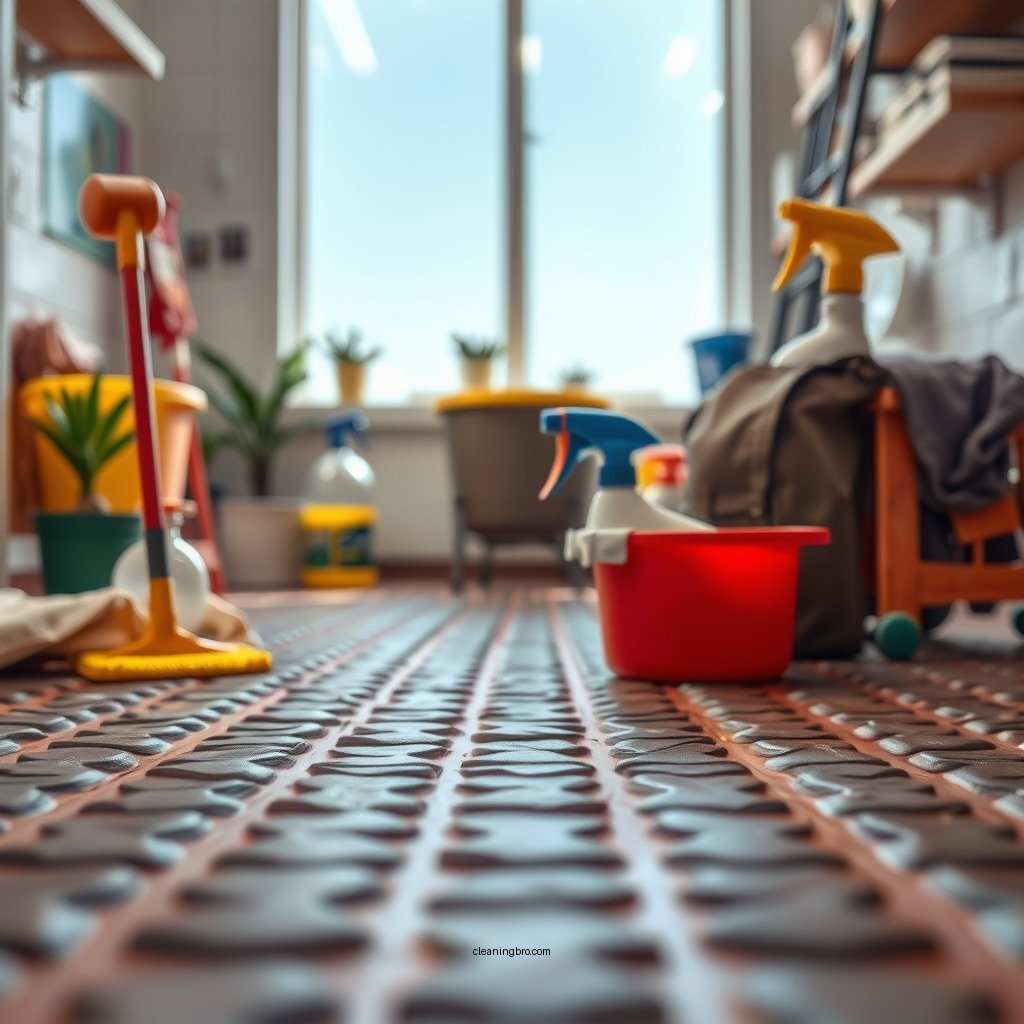
To effectively clean rubber floors, you’ll need a few essential cleaning supplies. Recommended cleaning products include pH-neutral soap, which is gentle on rubber surfaces, and vinegar, a natural disinfectant that can tackle stubborn stains without damaging the rubber. Avoid using ammonia or bleach-based cleaners, as these can degrade the rubber over time.
Key tools for cleaning rubber flooring include:
– Mops: A flat mop with a washable pad is ideal for larger areas.
– Soft-bristle Brushes: These are perfect for scrubbing out stubborn stains without scratching the surface.
– Microfiber Cloths: These are useful for drying and buffing the floor after cleaning to prevent streaks.
Step-by-Step Cleaning Process
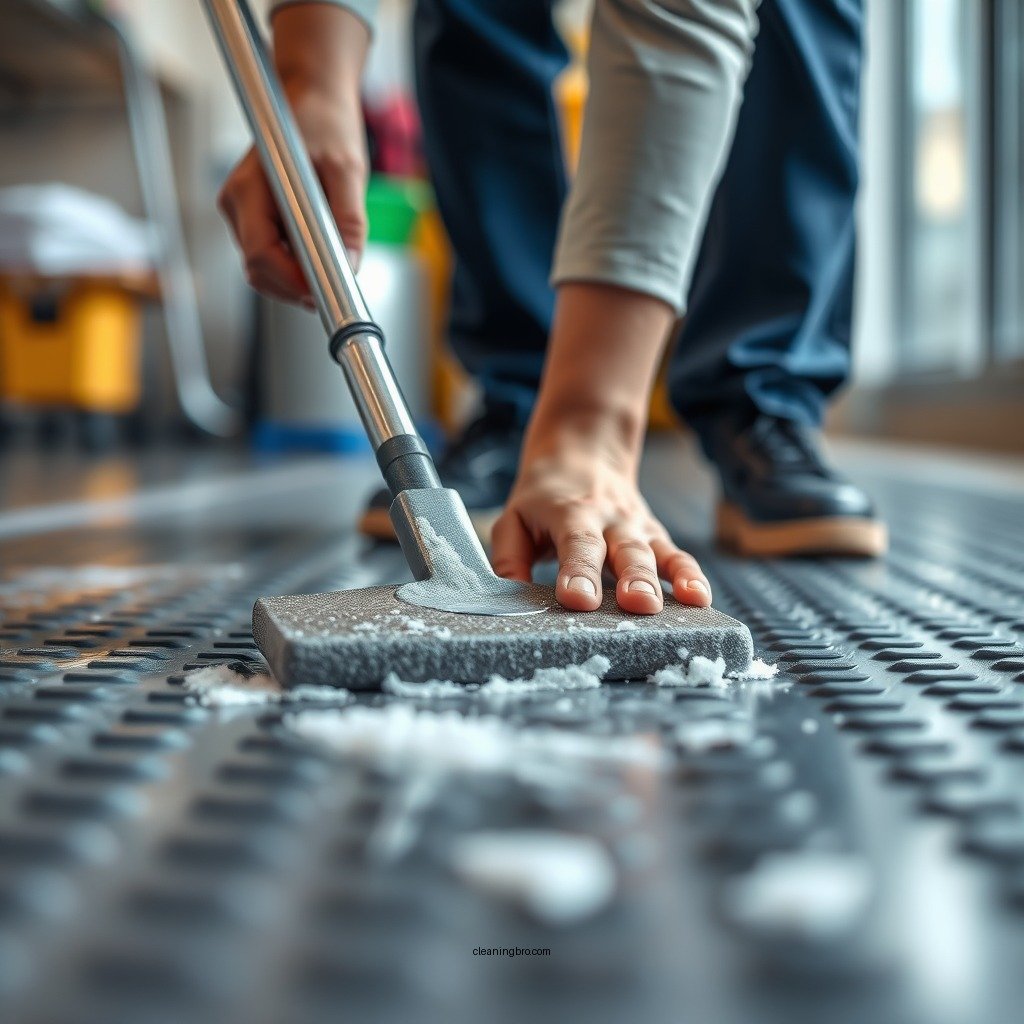
The cleaning process for rubber floors involves a few straightforward steps:
1. Initial Sweeping or Vacuuming: Start by removing dirt and debris with a broom or vacuum cleaner. This step is crucial to prevent scratching the rubber surface during the mopping process.
2. Mopping with Cleaning Solution: Mix a solution of pH-neutral soap and warm water according to the product instructions. Use a mop to apply the solution evenly across the floor, ensuring you cover all areas. Avoid soaking the floor, as excessive moisture can cause the rubber to warp. After mopping, rinse the mop head to remove any dirt, and go over the floor a second time with clean water to remove any soap residue.
Top 5 Rubber Flooring Brands (2024)
| # | Brand | Type | Durability Rating | Price per Square Foot |
|---|---|---|---|---|
| 1 | RubberCal | Rolled Rubber | ★★★★☆ | $2.50 |
| 2 | DuraFlex | Tiles | ★★★★★ | $3.00 |
| 3 | American Floor Mats | Mats | ★★★★☆ | $2.00 |
| 4 | Nora Systems | Rolled Rubber | ★★★★★ | $4.00 |
| 5 | Eco-Flex | Tiles | ★★★★☆ | $3.75 |
Dealing with Stains
Stains are a common issue with rubber flooring, particularly in high-traffic areas. Common stains include food and drink spills, scuff marks from shoes, and dirt tracked in from outside. Identifying the source of the stain can help in selecting the appropriate removal technique.
For food and drink stains, such as coffee or juice, blot the area immediately with a clean cloth. If the stain persists, create a paste using baking soda and water, apply it to the stain, and let it sit for a few minutes before scrubbing gently with a soft-bristle brush. For scuff marks, use a magic eraser or a cloth dampened with a small amount of vinegar to lift the mark.
Maintaining Rubber Floors
To keep rubber floors in top shape, establish a regular cleaning schedule. For residential settings, cleaning once a week is often sufficient. In commercial environments with high foot traffic, daily cleaning may be necessary.
Preventive measures can further enhance the longevity of rubber flooring. Placing entrance mats at doorways can minimize dirt and moisture being tracked onto the rubber surface. Additionally, using rubber pads under heavy furniture can prevent indentation and wear.
Tips for Long-Term Care
Long-term care of rubber floors involves avoiding harsh chemicals that can degrade the material over time. Stick to gentle cleaners and ensure that any cleaning solution is thoroughly rinsed off to prevent residue build-up.
To protect against wear and tear, consider using area rugs in high-traffic sections of the floor. This not only enhances the aesthetic appeal but also acts as a barrier against dirt and physical damage from heavy equipment or furniture.
When to Seek Professional Help
While regular maintenance can prevent many issues, there are signs that may indicate the need for professional assistance. If you notice deep scratches, significant discoloration, or if the rubber flooring begins to separate from the subfloor, it is advisable to consult a professional.
Professional cleaning services can restore the appearance of rubber flooring through specialized equipment and products that are not available to homeowners. They can also offer advice on the best maintenance practices moving forward.In summary, the techniques and tips for cleaning rubber floors outlined in this guide can help maintain their quality and appearance. By following these methods, you can ensure your rubber flooring remains clean and durable. For further assistance, consider consulting with a flooring expert or professional cleaning service for specialized care.
Frequently Asked Questions
What are the best cleaning products for rubber floors?
The best cleaning products for rubber floors are mild, pH-neutral detergents specifically designed for rubber surfaces. Avoid harsh chemicals like bleach or ammonia, as they can damage the rubber. Look for products labeled as safe for use on rubber flooring, or opt for a simple mixture of warm water and a few drops of dish soap for effective cleaning.
How do I remove stains from rubber flooring?
To remove stains from rubber flooring, first, wipe the area with a damp cloth to loosen the stain. For tougher stains, mix baking soda with water to create a paste, apply it to the stain, and let it sit for 10-15 minutes before scrubbing gently with a soft brush. Rinse the area thoroughly with clean water to ensure no residue is left behind.
Why does my rubber floor smell bad, and how can I clean it?
Rubber flooring can develop unpleasant odors due to trapped dirt, moisture, or chemical residues. To eliminate the smell, clean the floor with a solution of vinegar and water, as vinegar is a natural deodorizer. Ensure proper ventilation during and after cleaning, and consider using a rubber floor cleaner that neutralizes odors for ongoing freshness.
What is the best method to clean rubber gym flooring?
The best method to clean rubber gym flooring involves regular sweeping or vacuuming to remove dirt and debris, followed by mopping with a mixture of warm water and a specialized rubber floor cleaner. For deeper cleaning, use a floor scrubber with a soft brush attachment, and rinse thoroughly to remove all cleaning solution, preventing buildup and maintaining the floor’s integrity.
Which tools are essential for cleaning rubber floors effectively?
Essential tools for cleaning rubber floors include a soft-bristle broom or vacuum, a mop, and a bucket for mixing cleaning solutions. Additionally, having a microfiber cloth for spot cleaning and a soft-bristle scrub brush for tougher stains can enhance your cleaning routine. Using the right tools will help preserve the appearance and longevity of your rubber flooring.
References
- Floor cleaning
https://en.wikipedia.org/wiki/Floor_cleaning - https://www.cdc.gov/niosh/topics/cleaning.html
https://www.cdc.gov/niosh/topics/cleaning.html - https://www.mayoclinic.org/healthy-lifestyle/consumer-health/in-depth/cleaning-your-home/art-20045776
https://www.mayoclinic.org/healthy-lifestyle/consumer-health/in-depth/cleaning-your-home/art-20045776 - https://www.hud.gov/program_offices/healthy_homes/hhi/cleaning
https://www.hud.gov/program_offices/healthy_homes/hhi/cleaning - https://www.sciencedirect.com/topics/earth-and-planetary-sciences/rubber-flooring
https://www.sciencedirect.com/topics/earth-and-planetary-sciences/rubber-flooring - https://www.nature.com/articles/s41598-020-76191-8
https://www.nature.com/articles/s41598-020-76191-8 - Google Scholar Google Scholar
https://scholar.google.com/scholar?q=how+to+clean+rubber+floor - Google Scholar Google Scholar
https://scholar.google.com/scholar?q=cleaning+rubber+floor+care - Google Scholar Google Scholar
https://scholar.google.com/scholar?q=maintenance+of+rubber+flooring - https://pubmed.ncbi.nlm.nih.gov/29158298/
https://pubmed.ncbi.nlm.nih.gov/29158298/