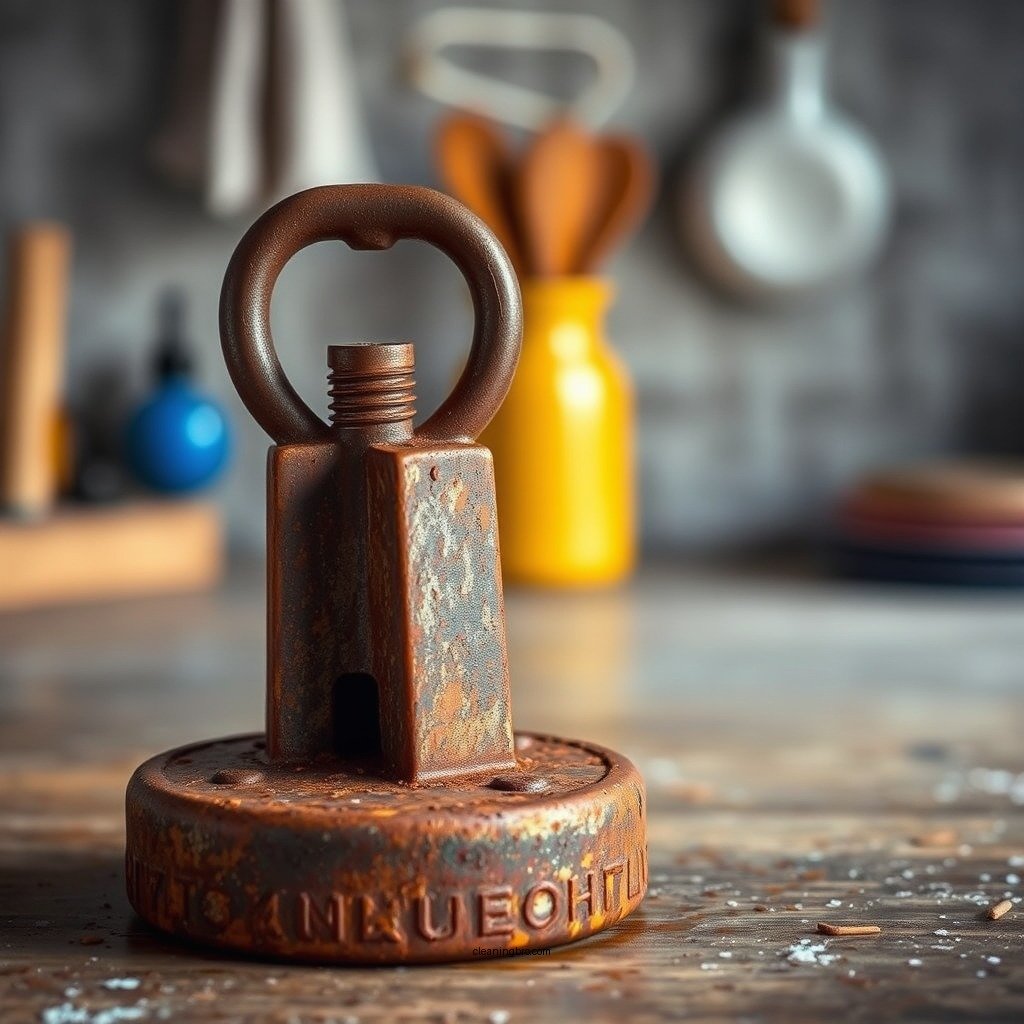
How to Clean Rusted Weights: Effective Methods and Tips
Cleaning rusted weights is straightforward and can be accomplished using a few effective methods. Whether you have dumbbells, barbells, or kettlebells, you can restore them to their former glory with the right approach. In this article, you will learn various techniques to remove rust, the tools you need, and tips to prevent further corrosion.
Rust can accumulate on weights due to moisture and lack of proper maintenance, but with a systematic cleaning strategy, you can effectively eliminate it and keep your fitness equipment in optimal condition.
Understanding Rust Formation
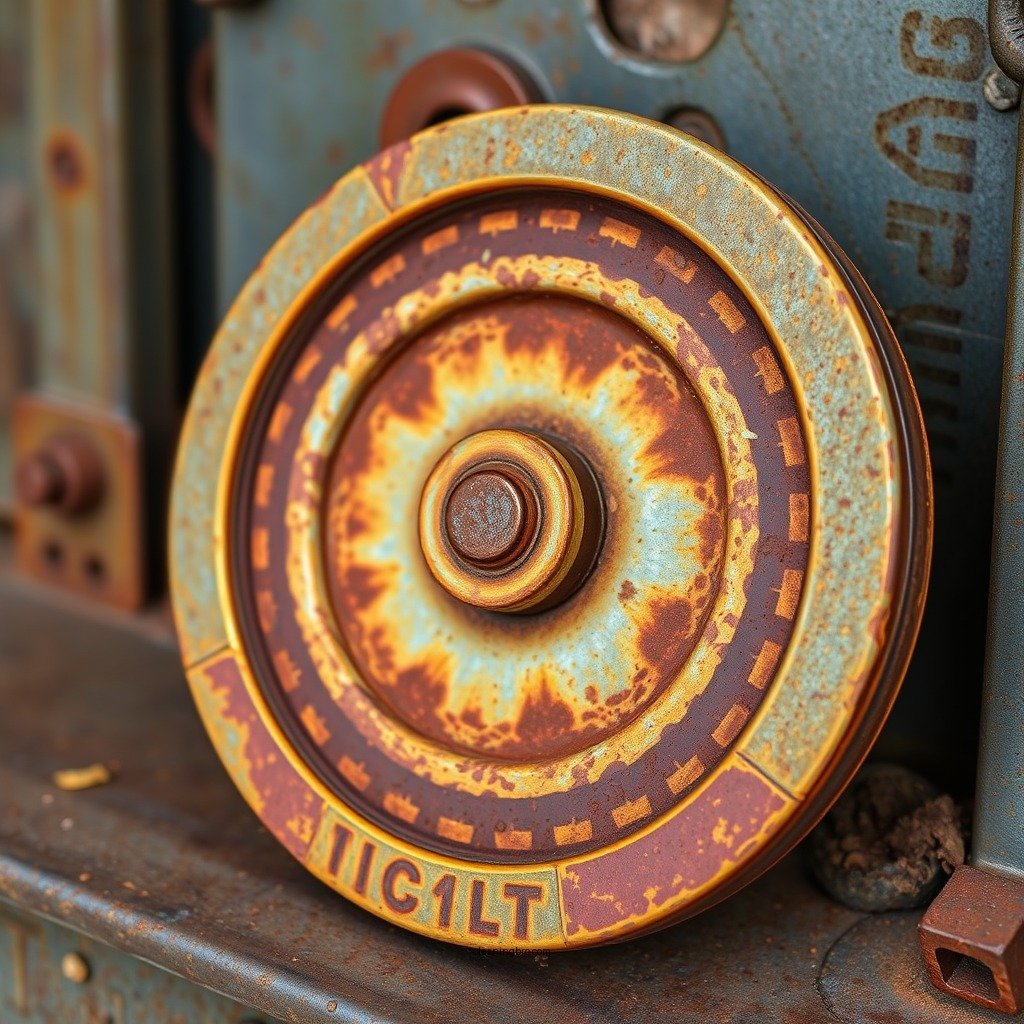
Rust develops when iron reacts with moisture and oxygen, leading to deterioration. This chemical reaction, known as oxidation, occurs when iron is exposed to water and air over time. Factors such as humidity, temperature fluctuations, and improper storage can accelerate rust formation. Knowing how rust forms can help you prevent it from occurring in the future.
To prevent rust, it’s essential to keep weights dry and clean. Understanding the environment in which your weights are stored is crucial; for instance, basements or garages may have higher humidity levels that can contribute to rusting.
Tools and Materials Needed
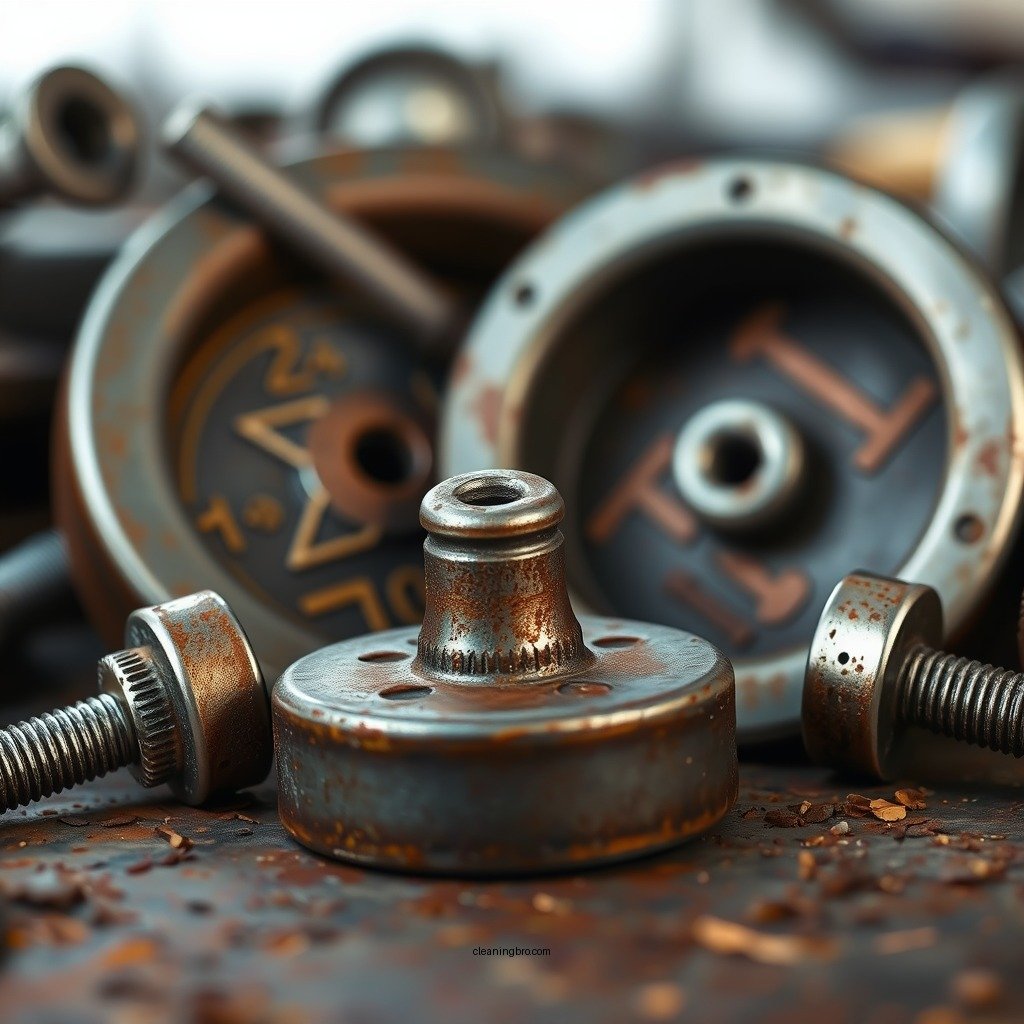
To clean rusted weights effectively, gather essential cleaning supplies such as:
– Sandpaper or Wire Brushes: These are critical for manually scrubbing away loose rust.
– Rust Remover: Chemical rust removers can penetrate and dissolve rust more effectively.
– Vinegar: A natural and cost-effective solution that can help dissolve rust due to its acidity.
– Baking Soda: This can be mixed with water to create a paste that is effective in removing rust.
– Protective Coating: Products like silicone spray or oil can be used to protect the weights after cleaning.
Using household items like vinegar or baking soda not only provides a cost-effective cleaning solution but also minimizes exposure to harsh chemicals, making it safer for home environments.
Step-by-Step Cleaning Process
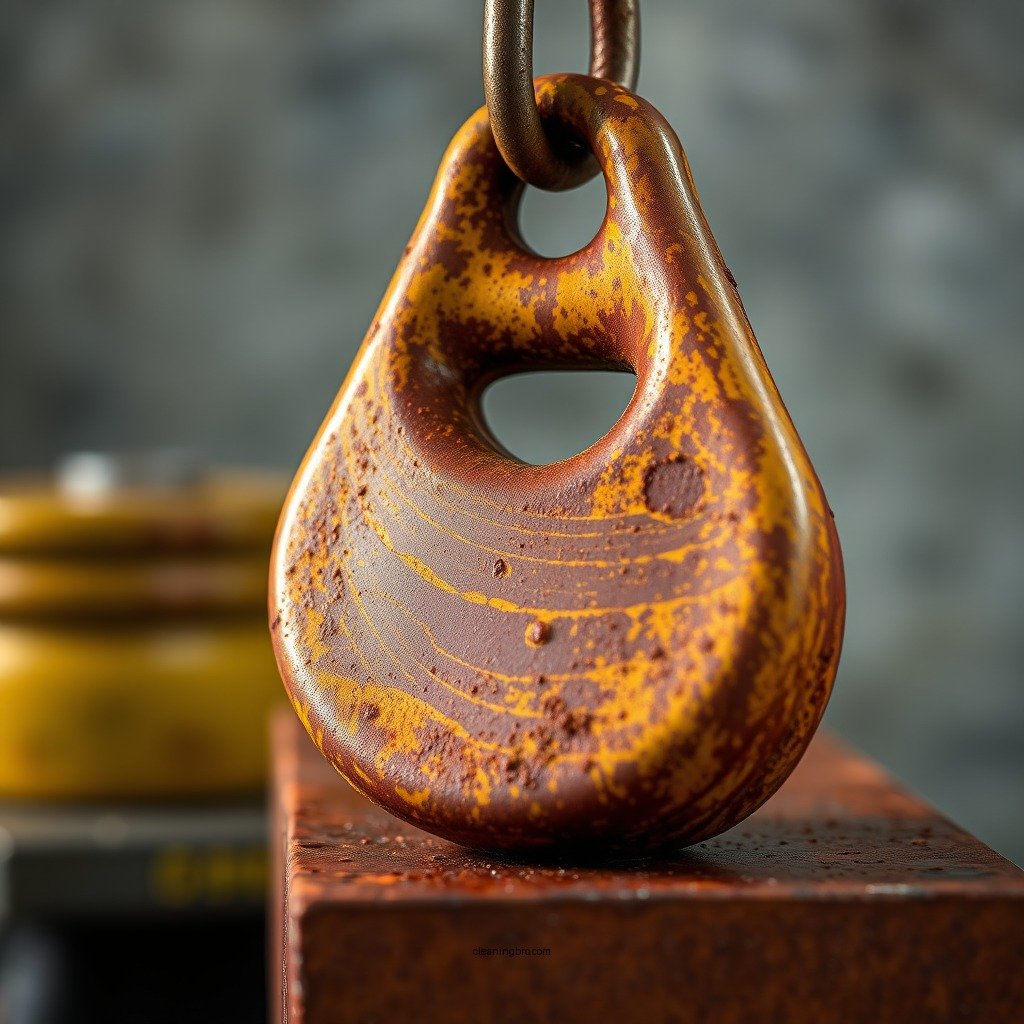
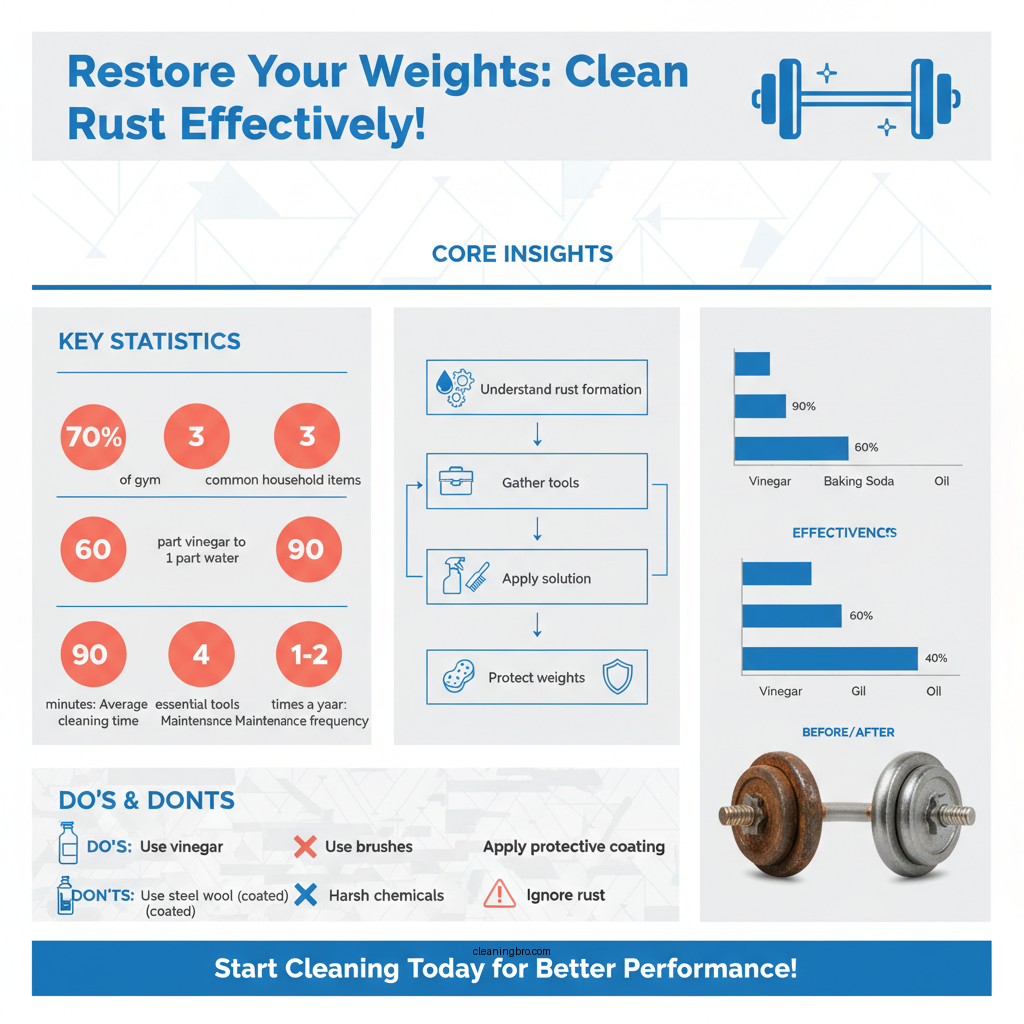
1. Manual Scrubbing: Begin by using a wire brush or sandpaper to scrub the surface of the weights. This step helps to remove any loose rust and grime. Focus on the most rusted areas, applying enough pressure to physically remove as much rust as possible.
2. Apply Rust Remover or Vinegar Solution: After manual scrubbing, apply a rust remover as per the manufacturer’s instructions or soak the weights in a vinegar solution (1 part vinegar to 1 part water) for several hours. The acidity in vinegar will help dissolve the rust.
3. Scrub Again: Once the rust remover has had time to work, scrub the weights again with a wire brush or sandpaper. You should notice that the rust comes off more easily after the solution has penetrated.
4. Rinse and Dry: Rinse the weights thoroughly with water to remove any remnants of the cleaning solution. Be sure to dry them completely using a clean towel to prevent new rust from forming.
5. Apply Protective Coating: If desired, apply a protective coating of silicone spray or oil to create a barrier against moisture and future rust.
Here’s a visual representation of the cleaning process:
Top 7 Rust Removal Methods for Weights
| # | Method | Effectiveness | Cost | Ease of Use |
|---|---|---|---|---|
| 1 | Sandpaper | High | Low | Easy |
| 2 | Wire Brush | High | Low | Easy |
| 3 | Rust Remover | Very High | Medium | Moderate |
| 4 | Vinegar Solution | Medium | Very Low | Easy |
| 5 | Baking Soda Paste | Medium | Very Low | Easy |
| 6 | Coca-Cola Soak | Medium | Low | Moderate |
| 7 | Electrolytic Rust Removal | Very High | Medium | Complex |
Post-Cleaning Care
After cleaning your weights, it’s crucial to take steps to ensure they remain rust-free. Rinse the weights thoroughly to remove any residue from cleaning agents, as leftover chemicals can lead to new rust formation. Dry them completely using a clean towel or let them air dry in a non-humid environment.
Applying a protective coating is an essential step in post-cleaning care. Silicone sprays or light oils create a barrier against moisture, significantly reducing the risk of rust returning. Regularly inspect your weights for any signs of rust or corrosion, as early detection can make future cleaning efforts easier.
Preventive Maintenance Tips
To prolong the life of your weights and prevent future rusting, consider the following preventive maintenance tips:
– Store Weights Properly: Keep your weights in a dry, well-ventilated area. Ideally, use a dedicated storage rack or cabinet that minimizes their exposure to moisture.
– Use Protective Coatings: Regularly apply silicone spray or oil to create a moisture-repellent layer on the weights.
– Regular Inspections: At least once a month, inspect your weights for any signs of rust. Early intervention can prevent minor rust from developing into a more severe issue.
– Wipe Down After Use: After each workout, wipe down your weights with a dry cloth to remove sweat and moisture that can contribute to rust formation.
By implementing these tips, you can significantly reduce the chances of rust accumulating on your weights, ensuring they remain in excellent condition for years to come.
When to Seek Professional Help
In some cases, the rust on your weights may be extensive and deep, making DIY cleaning methods ineffective. If after multiple cleaning attempts the rust persists or if you are unsure about tackling the job yourself, consider consulting a professional for restoration.
Additionally, assess whether it would be more cost-effective to purchase new weights compared to extensive cleaning and restoration efforts. In some cases, particularly with high-quality or specialty weights, professional restoration might be a worthwhile investment.
Maintaining rust-free weights is essential for both aesthetics and performance. By following the steps outlined above, you can easily clean and protect your weights from rust. Regular maintenance and proper storage will ensure your equipment lasts longer and remains in top condition. Don’t wait for rust to take over—start cleaning your weights today!
Frequently Asked Questions
What are the best methods to clean rusted weights?
The best methods to clean rusted weights include using a mixture of vinegar and baking soda, applying a rust remover product, or utilizing a wire brush. Vinegar is effective due to its acidity, while baking soda acts as a gentle abrasive. For heavier rust, a commercial rust remover can save time, and a wire brush helps to scrub off stubborn spots.
How can I clean my rusted weights at home without harsh chemicals?
To clean rusted weights at home without harsh chemicals, you can soak them in white vinegar for several hours and then scrub with a scrub brush. Another option is to create a paste of baking soda and water, apply it to the rusted areas, and let it sit before scrubbing it off. Both methods are eco-friendly and effective for removing rust.
Why do weights get rusty and how can I prevent it?
Weights get rusty primarily due to exposure to moisture and humidity, which leads to oxidation of the metal. To prevent rust, store your weights in a dry environment, consider using a dehumidifier, and apply a thin layer of oil to the surface to create a protective barrier. Regular cleaning and maintenance also help in combating rust formation.
Which tools are necessary for cleaning rusted weights effectively?
Essential tools for cleaning rusted weights effectively include a wire brush or scrub pad, sandpaper, and a rust remover if needed. Additionally, you may want to have a cloth for drying and a bucket for soaking the weights in vinegar or a cleaning solution. These tools will help you tackle rust effectively and restore your weights.
What are the risks of using rusted weights for workouts?
Using rusted weights for workouts poses several risks, including potential injury due to compromised integrity of the weights and reduced grip due to rust buildup. Rust can also transfer to your hands and equipment, making handling uncomfortable. Regularly cleaning and maintaining your weights is essential to ensure safety and optimal performance during workouts.
References
- Rust
https://en.wikipedia.org/wiki/Rust - https://www.sciencedirect.com/topics/materials-science/rust
https://www.sciencedirect.com/topics/materials-science/rust - Rust | Description, Causes, & Life Cycle | Britannica
https://www.britannica.com/science/rust - https://pubmed.ncbi.nlm.nih.gov/27495672/
https://pubmed.ncbi.nlm.nih.gov/27495672/ - https://www.nature.com/articles/s41598-018-25144-1
https://www.nature.com/articles/s41598-018-25144-1 - Google Scholar Google Scholar
https://scholar.google.com/scholar?q=how+to+clean+rusted+weights - Google Scholar Google Scholar
https://scholar.google.com/scholar?q=rust+removal+methods - Google Scholar Google Scholar
https://scholar.google.com/scholar?q=cleaning+rusted+metal - https://www.cdc.gov/niosh/topics/rust.html
https://www.cdc.gov/niosh/topics/rust.html - how to clean rusted weights – Search results
https://en.wikipedia.org/wiki/Special:Search?search=how+to+clean+rusted+weights