How to Clean Spark Aligners: Effective Methods and Tips
Cleaning your spark aligners is essential to maintaining oral hygiene and ensuring they remain clear and odor-free. The best way to clean them is by using a gentle cleanser and a soft brush. By adhering to proper cleaning techniques and routine maintenance, you can prolong the life of your aligners while ensuring a pleasant and healthy orthodontic experience. This article will guide you through the most effective cleaning methods and best practices to keep your aligners in top condition.
Importance of Cleaning Your Spark Aligners
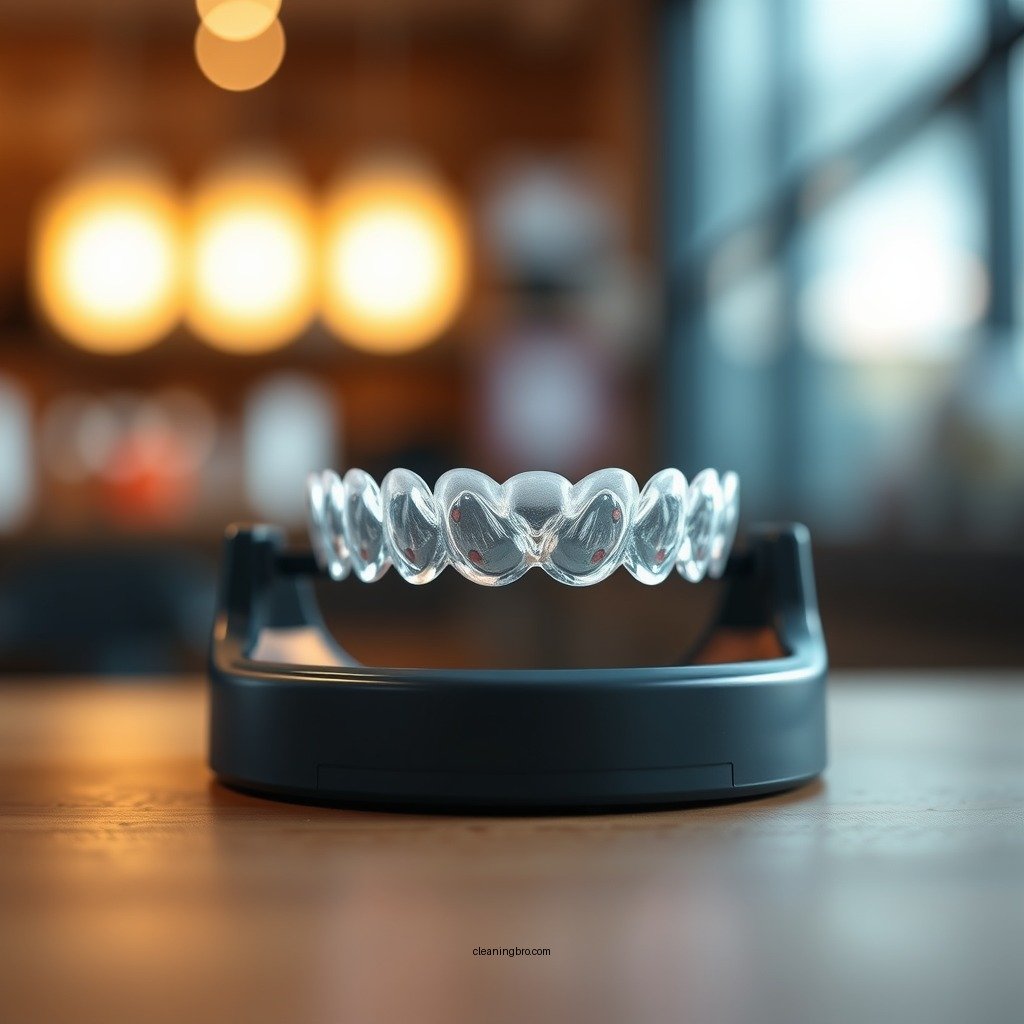
Cleaning your spark aligners is not just a matter of aesthetic appeal; it plays a crucial role in your overall oral health. Here are some reasons why maintaining clean aligners is vital:
– Prevents Buildup of Plaque and Bacteria: Aligners that are not cleaned regularly can become breeding grounds for harmful bacteria, leading to bad breath, gum disease, and other oral health issues. Proper cleaning removes plaque and prevents these complications.
– Maintains Clarity and Aesthetics of the Aligners: Regular cleaning ensures that your aligners remain transparent and visually appealing. Stains and discoloration can occur if food particles and other residues are allowed to accumulate, making it essential to clean them consistently.
Recommended Cleaning Solutions
When it comes to cleaning your aligners, choosing the right cleaning solution is paramount. The following are recommended options:
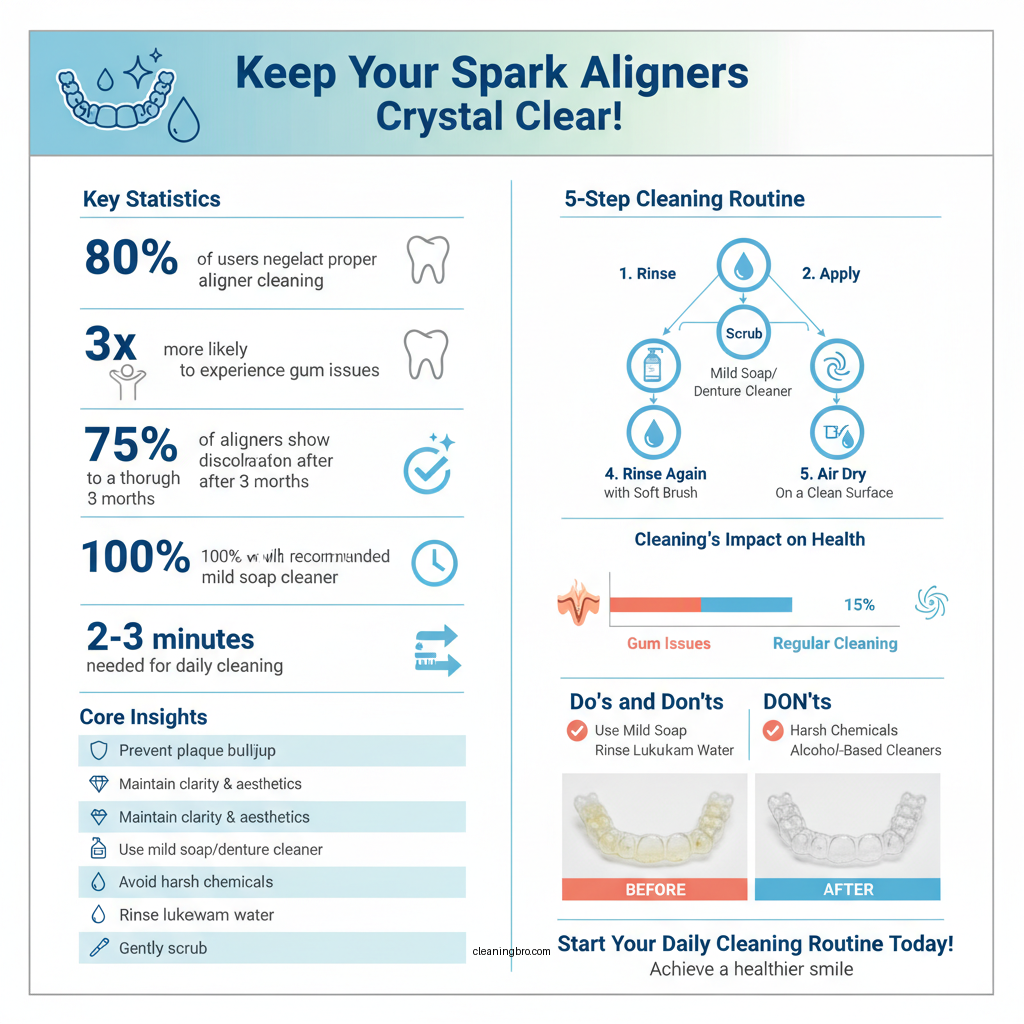
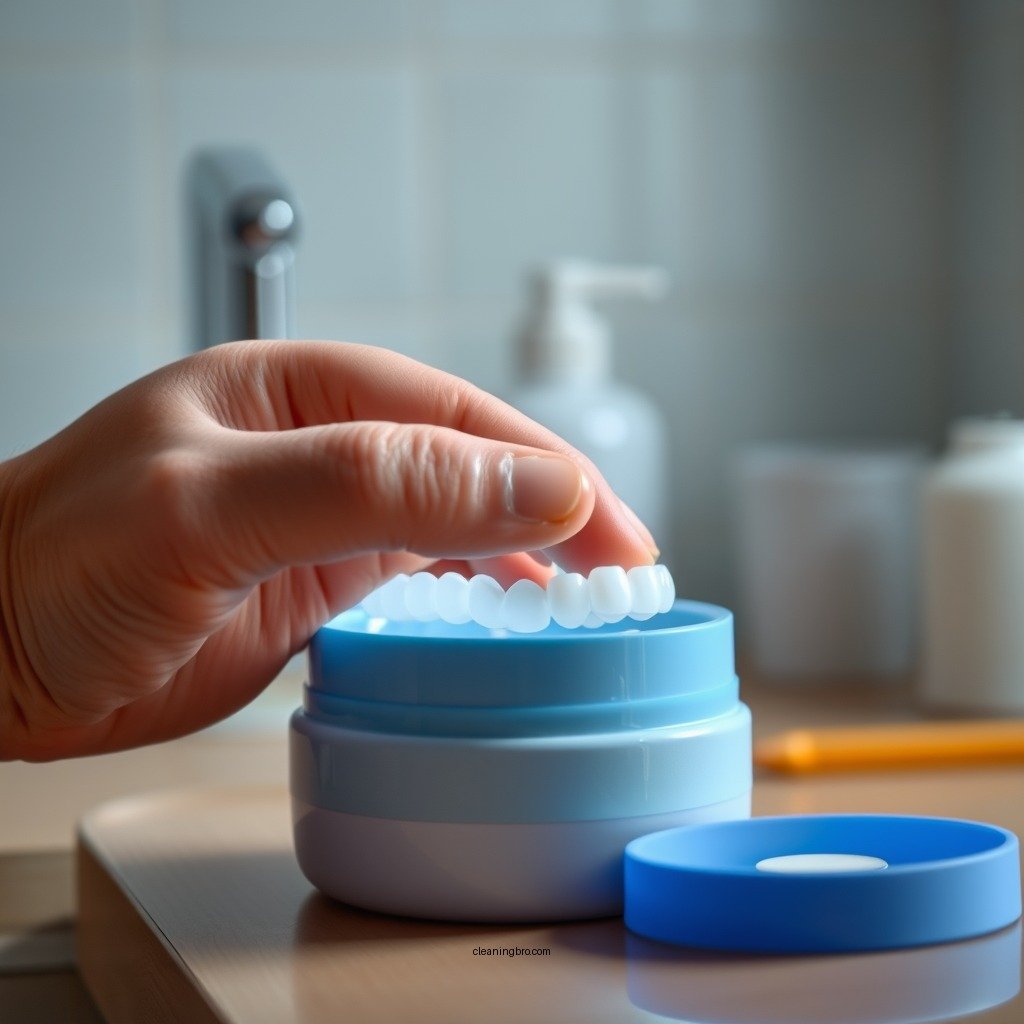
– Mild Soap or Denture Cleaner: Use a mild, non-abrasive soap or a denture cleaner specifically designed for clear aligners. These products are gentle enough not to damage the aligner material while effectively removing buildup and stains.
– Avoid Harsh Chemicals and Alcohol-Based Products: It’s critical to stay away from harsh chemicals or alcohol-based cleaning solutions, as they can degrade the plastic material of the aligners, leading to warping or cloudiness over time.
Step-by-Step Cleaning Process
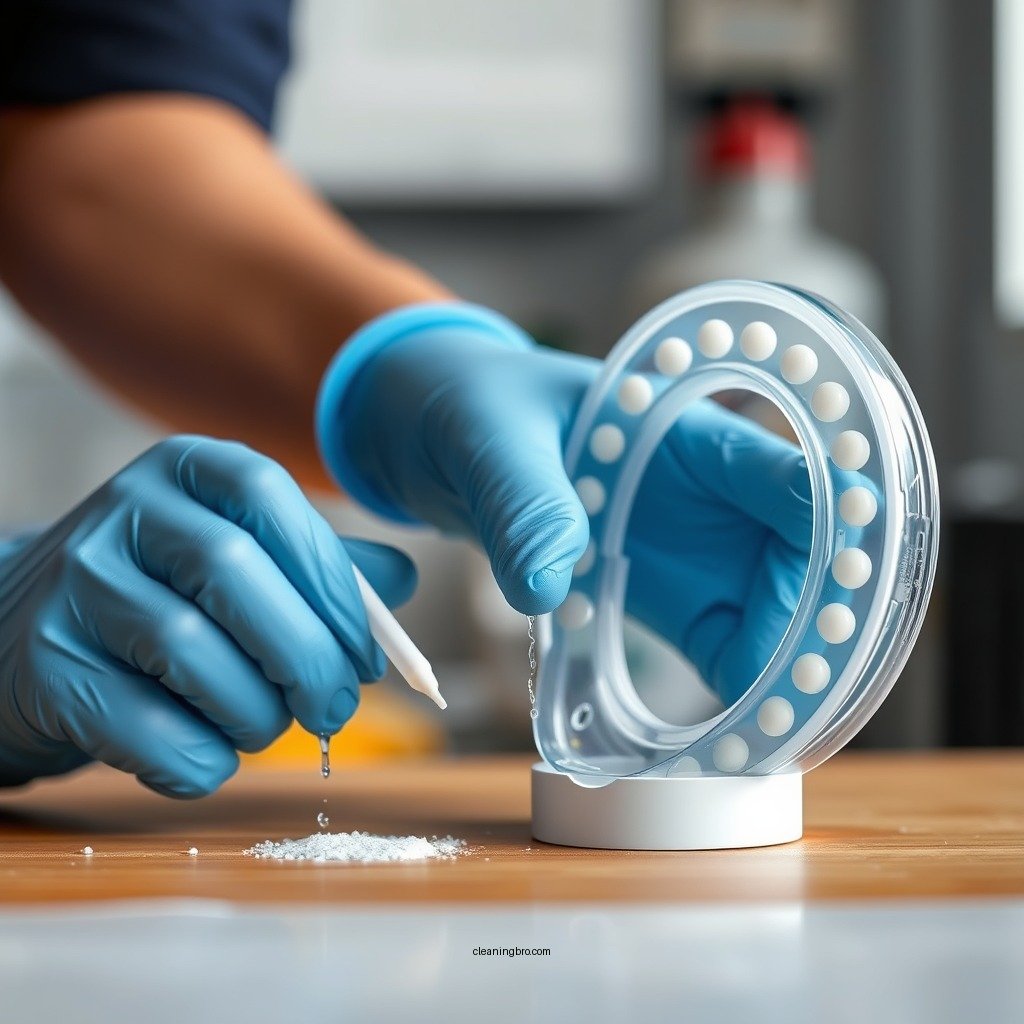
To ensure your aligners are cleaned effectively, follow this step-by-step process:
1. Rinse Aligners Under Lukewarm Water: Begin by rinsing your aligners under lukewarm water to remove any loose debris or saliva. Avoid using hot water, as it can warp the aligners.
2. Apply the Chosen Cleaning Solution: Use a small amount of your selected mild soap or denture cleaner.
3. Gently Scrub Using a Soft-Bristled Toothbrush: With a soft-bristled toothbrush, gently scrub the aligners, paying special attention to any areas that may have visible stains or buildup.
4. Rinse Thoroughly: After scrubbing, rinse the aligners under lukewarm water again to ensure all soap or cleaner is removed.
5. Dry and Store Properly: Pat dry with a clean, lint-free cloth and store them in their protective case until ready for use.
Top 7 Cleaning Solutions for Spark Aligners (2024)
| # | Cleaning Solution | Material Safety | Effectiveness | User Rating |
|---|---|---|---|---|
| 1 | Denture Cleaning Tablets | Safe | Highly Effective | ★★★★☆ |
| 2 | Mild Dish Soap | Safe | Effective | ★★★★☆ |
| 3 | Vinegar Solution | Safe | Moderately Effective | ★★★☆☆ |
| 4 | Baking Soda Paste | Safe | Effective | ★★★★☆ |
| 5 | Aligner Cleaning Spray | Safe | Highly Effective | ★★★★★ |
| 6 | Hydrogen Peroxide Solution | Safe | Moderately Effective | ★★★☆☆ |
| 7 | Natural Enzyme Cleaner | Safe | Effective | ★★★★☆ |
Daily Maintenance Tips
To keep your spark aligners in optimal condition, daily maintenance is key. Here are some practical tips:
– Clean Aligners Every Time You Brush Your Teeth: Make it a habit to clean your aligners whenever you brush your teeth. This not only promotes consistency but also ensures that no food particles or plaque is left to harden on the aligners.
– Store Aligners in a Protective Case: When not in use, always store your aligners in their designated protective case. This prevents damage from accidental drops or exposure to harmful bacteria that can be present on surfaces.
– Avoid Wearing Aligners While Eating or Drinking: Remove your aligners before consuming food or beverages to prevent staining and ensure that your aligners are not affected by any food particles.
Common Mistakes to Avoid
When cleaning your spark aligners, avoid these common pitfalls to maintain their quality:
– Never Use Hot Water: Hot water can warp the aligners and compromise their fit. Always use lukewarm or cool water during cleaning.
– Avoid Toothpaste With Abrasive Ingredients: Many commercial toothpastes contain abrasives that can scratch the surface of the aligners, leading to cloudiness and reduced clarity. Stick to mild soaps and cleaners specifically designed for aligners.
– Do Not Clean Too Frequently or Infrequently: Over-cleaning can lead to unnecessary wear on the aligners, while under-cleaning can contribute to plaque buildup. Strike a balance by establishing a consistent cleaning routine.
Best Cleaning Methods for Spark Aligners
| Feature | ⭐ Denture Tablets | Mild Soap | Vinegar Solution |
|---|---|---|---|
| Ease of Use | ✅ | ✅ | ✅ |
| Effectiveness | ✅ Best | ✅ Good | ✅ Moderate |
| Material Safety | Safe | Safe | Safe |
| Cost | Low | Very Low | Moderate |
| Availability | Widely Available | Widely Available | Common |
| Residue After Use | None | Minimal | None |
| Time Required | 5 mins | 2 mins | 10 mins |
| Convenience | Easy | Very Easy | Moderate |
| Recommended Frequency | Every day | Every day | Once a week |
| 🏆 Best For | Overall Best Cleaning | Daily Cleaning | Deep Cleaning |
Additional Care Recommendations
To ensure the longevity and effectiveness of your spark aligners, consider these additional care recommendations:
– Soak Aligners in a Vinegar and Water Solution for a Deep Clean: For a more thorough cleaning, soak your aligners in a mixture of equal parts vinegar and water for about 20-30 minutes once a week. Rinse thoroughly afterward to eliminate any vinegar residue.
– Consult Your Orthodontist for Specific Care Instructions: Every aligner system can differ slightly. Always consult your orthodontist for personalized care instructions tailored to your specific aligners.
– Keep Track of Wear Time: Make sure to follow the recommended wear time as directed by your orthodontist to maximize the effectiveness of your treatment.
Maintaining clean spark aligners is crucial for both your oral health and the effectiveness of your treatment. By following these cleaning methods and tips, you can ensure that your aligners remain clear and comfortable throughout their use. Don’t hesitate to reach out to your orthodontist if you have any questions or concerns about cleaning or caring for your spark aligners. Regular care will not only enhance your orthodontic experience but also contribute to a healthier smile.
Frequently Asked Questions
How should I clean my Spark aligners effectively?
To clean your Spark aligners effectively, rinse them under lukewarm water to remove any debris. Use a soft toothbrush with a mild, non-abrasive soap or aligner cleaner to gently scrub the aligners. Avoid using toothpaste, as it can scratch the surface and reduce clarity.
What products are best for cleaning Spark aligners?
The best products for cleaning Spark aligners include specialized aligner cleaning solutions and mild dish soap. Avoid harsh chemicals or whitening agents, as they can damage the material. You can also use a mixture of vinegar and water as a natural alternative for a thorough clean.
Why is it important to clean my Spark aligners regularly?
Regularly cleaning your Spark aligners is crucial to prevent the buildup of plaque and bacteria, which can lead to bad breath and potential oral health issues. Additionally, maintaining clear aligners ensures they remain transparent and effective in moving your teeth as intended.
How often should I clean my Spark aligners?
You should clean your Spark aligners at least twice a day, ideally after meals and before putting them back in. This routine helps keep them free from food particles and bacteria, ensuring optimal hygiene and effectiveness throughout your treatment.
Which common mistakes should I avoid when cleaning my Spark aligners?
Common mistakes to avoid when cleaning your Spark aligners include using hot water, which can warp the material, and using abrasive cleaners or toothbrushes that can scratch the surface. Additionally, avoid using mouthwash containing alcohol, as it can discolor the aligners over time.
References
- Can you recommend a diet after gallbladder removal? – Mayo Clinic
https://www.mayoclinic.org/healthy-lifestyle/adult-health/expert-answers/clear-aligners/faq-20057813 - https://www.ncbi.nlm.nih.gov/pmc/articles/PMC7553330/
https://www.ncbi.nlm.nih.gov/pmc/articles/PMC7553330/ - Summary – Paint Products Fact Sheet: To assess the risks for the consumer: Updated version for Co…
https://www.ncbi.nlm.nih.gov/books/NBK563047/ - https://www.sciencedirect.com/science/article/abs/pii/S1877055721001279
https://www.sciencedirect.com/science/article/abs/pii/S1877055721001279 - Google Scholar Google Scholar
https://scholar.google.com/scholar?q=how+to+clean+spark+aligners - Google Scholar Google Scholar
https://scholar.google.com/scholar?q=cleaning+clear+aligners+guidelines - What Are Hallucinations and What Causes Them?
https://www.verywellhealth.com/how-to-clean-your-clear-aligners-5191367 - https://www.healthline.com/health/orthodontics/how-to-clean-your-aligners
https://www.healthline.com/health/orthodontics/how-to-clean-your-aligners - https://www.wikiwand.com/en/Clear_aligners
https://www.wikiwand.com/en/Clear_aligners - how to clean spark aligners – Search results
https://en.wikipedia.org/wiki/Special:Search?search=how+to+clean+spark+aligners