

Cleaning your TENS unit pads regularly is essential to maintain their effectiveness and prolong their lifespan. To clean them properly, use a gentle soap solution and avoid harsh chemicals that can damage the adhesive. In this guide, you’ll learn the best methods and tips for keeping your TENS unit pads in top condition. This maintenance not only ensures optimal performance but also enhances your overall experience when using transcutaneous electrical nerve stimulation (TENS) for pain relief or muscle stimulation.



Understanding TENS Unit Pads

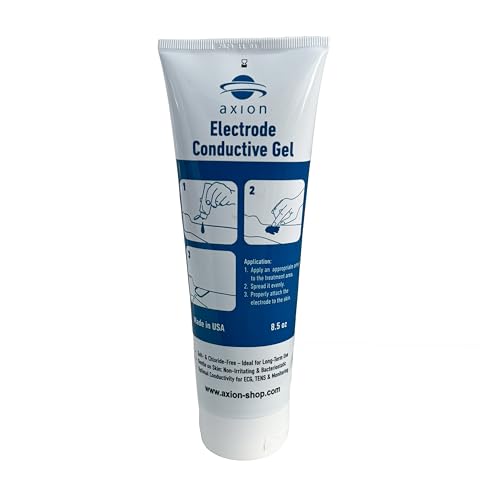
TENS unit pads are designed for reusable use, making proper care essential. These pads typically consist of a conductive gel layer and an adhesive backing, which allows them to stick securely to the skin while delivering electrical impulses. Over time, the buildup of sweat, skin oils, and dirt can compromise their conductivity and adhesive quality. Understanding the materials in the pads helps choose the right cleaning method to avoid deterioration.
The conductive gel usually contains a water-based formulation that facilitates the transfer of electrical impulses. The adhesive, on the other hand, is designed to provide a strong bond to the skin but can degrade if not maintained correctly. By taking the time to clean these pads properly, users can enhance their effectiveness and longevity, making it a crucial aspect of TENS unit maintenance.
Cleaning Supplies You’ll Need


To clean your TENS unit pads effectively, gather the following supplies:
– Mild antibacterial soap or a specialized cleaning solution: It is crucial to use a gentle soap that won’t damage the adhesive or conductive gel on the pads. Avoid any products that contain alcohol or harsh chemicals, as these can degrade the materials.
– Soft cloth or sponge for gentle scrubbing: A soft cloth or sponge will help you clean the pads without causing damage. Abrasive materials can scratch the surface and compromise the effectiveness of the pads.
Ensure that you have these cleaning supplies on hand before starting the cleaning process.
Step-by-Step Cleaning Process

1. Mix a solution of warm water and mild soap: In a bowl or container, combine warm water with a few drops of mild antibacterial soap. This mixture should be gentle enough to clean the pads without causing any harm.
2. Gently wipe the pads with a cloth or sponge: Dip your soft cloth or sponge into the soapy solution, and wring it out to avoid excess moisture. Carefully wipe the surface of the pads to remove any dirt, sweat, or oils. Be cautious not to soak the pads, as excessive moisture can lead to damage.
3. Rinse the pads: After cleaning, rinse the pads with clean water to remove any soap residue. This step is crucial to ensure that no cleaning product interferes with the pads’ performance.
4. Pat dry: Use a clean, dry cloth to gently pat the pads dry. Avoid rubbing them, as this can damage the conductive surface.
Drying and Storing TENS Unit Pads
After cleaning, allow the pads to air dry completely before reusing them. Placing wet pads directly on the skin can cause irritation and affect their adhesive properties. Ideally, place them on a clean, dry surface and allow them to dry for several hours.
Proper storage is equally important. Store pads in a cool, dry place to prevent damage from heat or humidity. Avoid folding or crumpling the pads, as this can compromise their shape and effectiveness. Consider placing them in their original packaging or using a separate container to protect them.
Common Mistakes to Avoid
When cleaning TENS unit pads, there are several common mistakes to avoid:
– Using harsh chemicals: Avoid cleaning products that contain alcohol, bleach, or other abrasive ingredients. These can deteriorate the adhesive and conductive gel, rendering the pads ineffective.
– Over-soaking pads: It’s essential not to over-soak the pads during the cleaning process. Excess moisture can seep into the conductive layer, causing it to lose its effectiveness.
– Neglecting to dry: Failing to allow the pads to dry completely before storage can lead to mold or mildew growth, which can compromise their performance and safety.
By avoiding these pitfalls, you can maximize the lifespan of your TENS unit pads.
Tips for Maintaining Adhesiveness
To ensure that your TENS unit pads maintain their stickiness and effectiveness:
– Keep the pads free from oils and lotions: Before applying the pads, make sure your skin is clean and free from lotions, oils, or other products. These substances can interfere with adhesion.
– Regularly check for wear and tear: Periodically inspect your pads for any signs of wear, such as cracks, tears, or reduced stickiness. Replacing worn pads promptly will ensure consistent performance and safety.
– Store pads properly: As previously mentioned, storing pads in a cool, dry place and avoiding direct sunlight will help maintain their adhesive quality.
By following these tips, you can prolong the life of your TENS unit pads and enhance their performance.
Top 7 TENS Unit Pads by Adhesive Quality (2024)
| # | Brand | Adhesive Quality | Lifespan (Sessions) | Price ($) |
|---|---|---|---|---|
| 1 | Medtronic | Excellent | 20+ | $29.99 |
| 2 | TENS 7000 | Good | 15+ | $24.99 |
| 3 | Omron | Very Good | 18+ | $19.99 |
| 4 | iReliev | Good | 12+ | $22.99 |
| 5 | TENS 3000 | Fair | 10+ | $18.99 |
| 6 | HealthmateForever | Good | 14+ | $25.99 |
| 7 | Pure Enrichment | Excellent | 25+ | $29.99 |
Medtronic vs TENS 7000 vs Omron: Adhesive Quality Comparison
| Feature | ⭐ Medtronic | TENS 7000 | Omron |
|---|---|---|---|
| Adhesive Quality | Excellent | Good | Very Good |
| Lifespan (Sessions) | 20+ | 15+ | 18+ |
| Price ($) | $29.99 | $24.99 | $19.99 |
| Skin Sensitivity | Low | Medium | High |
| Reusable | ✅ | ✅ | ✅ |
| Water Resistance | No | No | No |
| Compatibility | Most TENS Units | TENS 7000 | Most TENS Units |
| Skin Preparation | Clean Skin | Clean Skin | Clean Skin |
| Manufacturer Warranty | 1 Year | 1 Year | 1 Year |
| 🏆 Best For | Long-term use | Budget users | High sensitivity |
Frequently Asked Questions
How often should I clean my TENS unit pads?
It’s recommended to clean your TENS unit pads after every few uses to maintain their conductivity and prolong their lifespan. Regular cleaning helps prevent skin irritation and ensures optimal performance during therapy sessions. If you notice a decrease in adhesion or buildup of gel, it’s time to clean them.
What is the best method to clean TENS unit pads?
The best method to clean TENS unit pads involves using a mild soap solution or isopropyl alcohol on a soft cloth. Gently wipe the surface of the pads, avoiding excessive moisture, and then let them air dry completely before storing them. This method helps remove dirt and oils without damaging the pads.
Why is it important to clean TENS unit pads regularly?
Cleaning TENS unit pads regularly is crucial for maintaining their effectiveness and hygiene. Dirt, sweat, and oils from the skin can accumulate on the pads, reducing their adhesive quality and effectiveness in delivering electrical stimulation. Additionally, cleaning helps prevent skin irritation and potential infections.
Which products are safe to use for cleaning TENS unit pads?
Safe products for cleaning TENS unit pads include mild dish soap, isopropyl alcohol, or specialized electrode cleaning solutions. Avoid harsh chemicals, bleach, or abrasive materials, as these can damage the pads and reduce their lifespan. Always check the manufacturer’s guidelines for specific cleaning recommendations.
Can I reuse TENS unit pads after cleaning them?
Yes, you can reuse TENS unit pads after cleaning them, provided they are in good condition and still adhere properly to the skin. After cleaning, ensure the pads are completely dry and sticky before reapplying them for therapy sessions. This not only saves money but also ensures you get the most out of your TENS unit.
References
- https://www.mayoclinic.org/healthy-lifestyle/consumer-health/in-depth/electrical-stimulation-therapy/art-20045831
https://www.mayoclinic.org/healthy-lifestyle/consumer-health/in-depth/electrical-stimulation-therapy/art-20045831 - https://www.ncbi.nlm.nih.gov/pmc/articles/PMC4878890/
https://www.ncbi.nlm.nih.gov/pmc/articles/PMC4878890/ - https://www.ncbi.nlm.nih.gov/pmc/articles/PMC5544477/
https://www.ncbi.nlm.nih.gov/pmc/articles/PMC5544477/ - Porcelain Gallbladder – StatPearls – NCBI Bookshelf
https://www.ncbi.nlm.nih.gov/books/NBK518979/ - https://www.healthline.com/health/tens-unit
https://www.healthline.com/health/tens-unit - https://www.cdc.gov/niosh/docs/2010-126/pdfs/2010-126.pdf
https://www.cdc.gov/niosh/docs/2010-126/pdfs/2010-126.pdf - https://www.who.int/news-room/questions-and-answers/item/tens-transcutaneous-electrical-nerve-stimulation
https://www.who.int/news-room/questions-and-answers/item/tens-transcutaneous-electrical-nerve-stimulation - Google Scholar Google Scholar
https://scholar.google.com/scholar?q=how+to+clean+tens+unit+pads - Google Scholar Google Scholar
https://scholar.google.com/scholar?q=maintenance+of+tens+unit+pads - Google Scholar Google Scholar
https://scholar.google.com/scholar?q=proper+care+for+tens+unit+pads
