How to Clean Wood Walls: A Step-by-Step Guide
Cleaning wood walls effectively requires the right techniques and tools to avoid damage while ensuring a thorough clean. In this guide, you will learn the best methods to maintain the beauty and integrity of your wood surfaces, keeping them free from dust, stains, and grime. Proper cleaning not only enhances the aesthetic appeal of your wood walls but also prolongs their lifespan, making regular maintenance essential for any homeowner.
Understanding Your Wood Finish
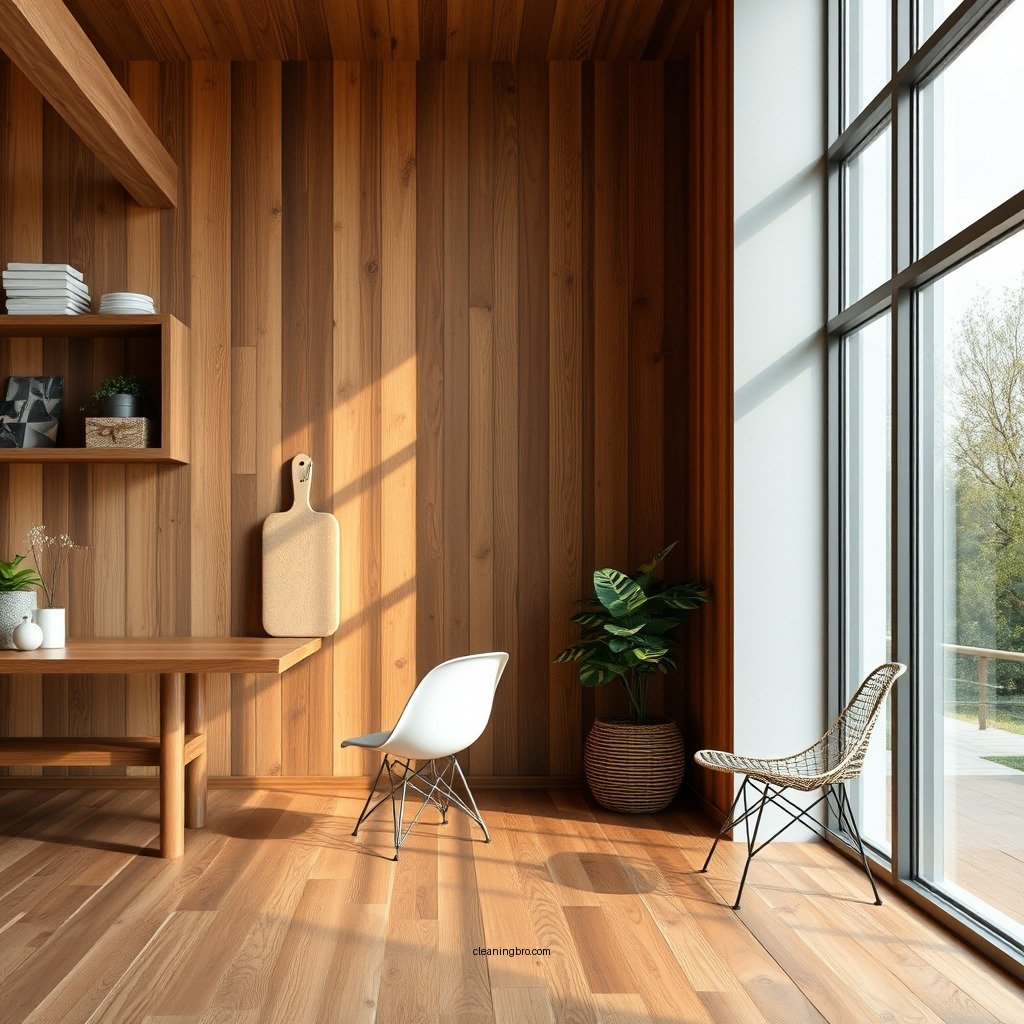
To clean wood walls properly, it’s crucial to identify the type of finish applied to them. Common finishes include varnish, oil, and paint. Each finish has unique properties and sensitivities to cleaning agents, which can significantly influence the cleaning method you choose.
– Varnish: This finish creates a hard, protective layer over the wood, making it resistant to moisture but sensitive to harsh chemicals. When cleaning varnished wood, opt for mild soap solutions and avoid excessive water.
– Oil: Oiled finishes penetrate the wood, providing a natural look while enhancing the grain. Cleaning these surfaces requires a gentle approach, using oil-based cleaners or simply reapplying a small amount of oil to restore shine.
– Paint: Painted wood walls are typically more durable against cleaning agents but can still be damaged by abrasive materials. Use a soft cloth and mild detergent to clean painted surfaces, ensuring you don’t scrub too hard.
Understanding the finish of your wood walls is the first step in choosing the right cleaning approach, ensuring both safety and effectiveness.
Essential Cleaning Supplies

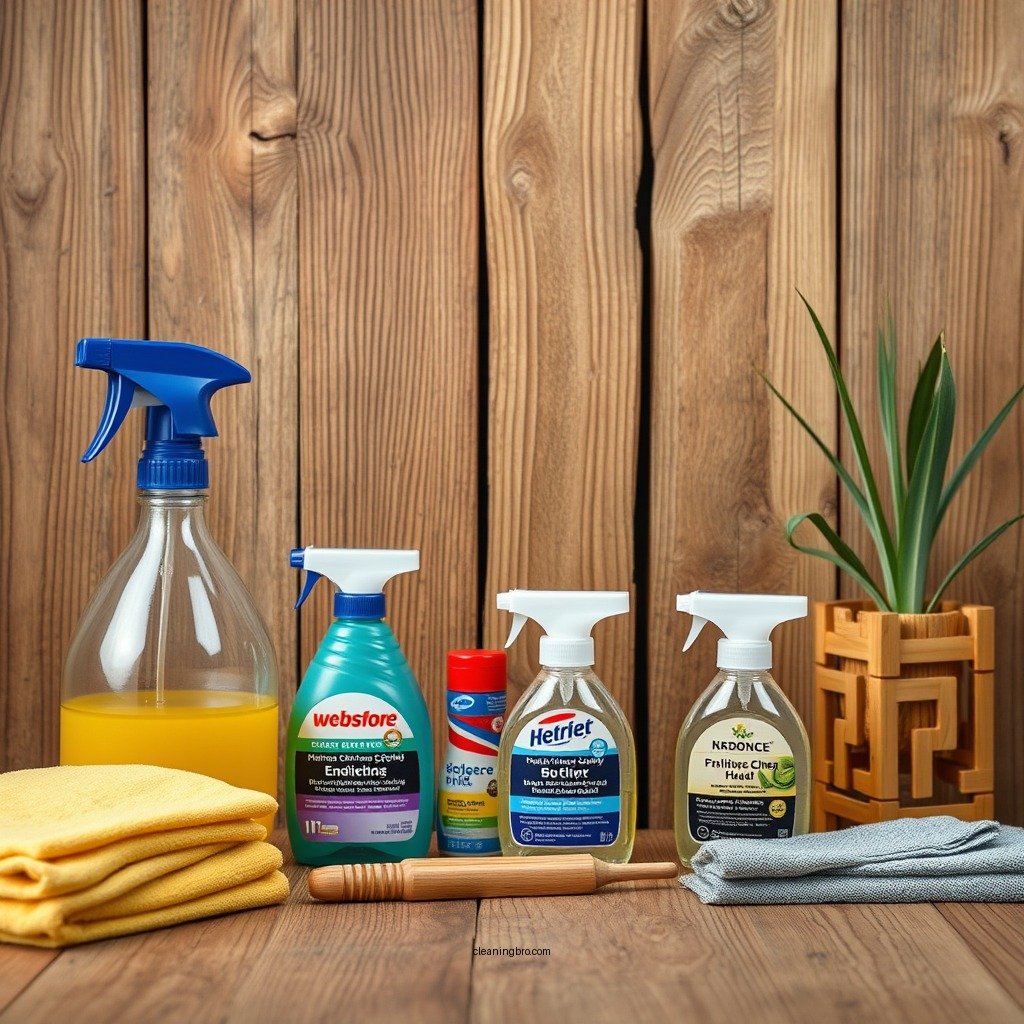
Before you begin cleaning, gather the appropriate supplies to ensure a smooth process. The following items are essential for cleaning wood walls:
– Soft cloths: Microfiber cloths are ideal as they trap dust and dirt without scratching the surface.
– Vacuum with brush attachment: This tool helps remove loose dust and cobwebs from the walls before deeper cleaning.
– Gentle wood cleaners: Look for pH-balanced cleaners specifically designed for wood surfaces or consider homemade solutions like a mixture of warm water and mild soap.
– Baking soda: This versatile substance can be used to create a paste for tackling tougher stains.
Avoid harsh chemicals, such as ammonia or bleach, as they can strip the finish and damage the wood. With the right supplies on hand, you’ll be better equipped to maintain the integrity of your wood walls.
Preparing the Area for Cleaning
Preparation is key to a successful cleaning process. Follow these steps to ready your space:
1. Clear the Area: Remove any furniture, decorations, or obstacles near the walls. This will give you ample space to move around and access all areas of the wall.
2. Dust the Walls: Start by dusting the walls with a microfiber cloth or the brush attachment of your vacuum. This initial step helps to remove loose debris, making the subsequent cleaning easier and more effective.
3. Test the Cleaner: Before applying any cleaning solution to the entire wall, test it on a small, inconspicuous area to ensure it does not alter the finish or color.
Taking these preparatory steps minimizes the risk of damage and ensures a thorough cleaning process.
Common Wood Finishes and Their Properties
| # | Finish Type | Durability | Moisture Resistance | Ease of Repair |
|---|---|---|---|---|
| 1 | Varnish | High | Moderate | Moderate |
| 2 | Oil | Moderate | High | Easy |
| 3 | Paint | Moderate | Low | Difficult |
| 4 | Shellac | Moderate | Moderate | Easy |
| 5 | Lacquer | High | Moderate | Moderate |
| 6 | Stain | Moderate | Moderate | Easy |
| 7 | Ceramic Coat | Very High | High | Difficult |
Cleaning Techniques for Different Finishes
Once you understand the type of finish on your wood walls, you can employ the appropriate cleaning techniques:
– For Varnished Wood: Use a damp cloth with a mild soap solution. Lightly wipe the surface, ensuring not to saturate the wood with water. After cleaning, dry the surface with a clean, dry cloth to prevent moisture damage.
– For Oiled Wood: Apply a small amount of furniture oil or a specialized wood cleaner on a soft cloth. Rub gently along the grain to restore the natural shine and protect the wood. This method helps maintain the wood’s luster without stripping away its protective layer.
– For Painted Wood: Use a soft cloth dampened with a mixture of warm water and a few drops of mild detergent. Wipe the surface gently to avoid removing the paint. For stubborn spots, consider using a soft sponge, but be cautious not to scrub too hard.
These techniques not only clean but also help preserve the finish, ensuring your wood walls look their best.
Tackling Stains and Scuff Marks
Stains and scuff marks can detract from the appearance of wood walls. Here are effective methods to tackle them:
– Baking Soda Paste: For tough stains, mix baking soda with a small amount of water to form a paste. Apply this paste gently using a soft cloth, rubbing in circular motions. Rinse with a damp cloth afterward to remove any residue.
– Magic Eraser: A melamine foam sponge, known as a Magic Eraser, can effectively remove scuff marks from painted or varnished surfaces. Test it on a hidden area first, as it can be abrasive on some finishes.
– Vinegar Solution: A mixture of equal parts vinegar and water can work wonders for light stains. Apply it with a soft cloth, wiping along the grain to lift the stain without damaging the wood.
Always remember to test any cleaning method on a small, inconspicuous area first to ensure it won’t damage the finish.
Regular Maintenance Tips
To keep your wood walls looking pristine, establish a routine maintenance schedule. Here are some proactive tips:
– Dust Regularly: Make it a habit to dust your wood walls weekly to prevent dirt buildup. Use a microfiber cloth or a vacuum with a brush attachment to keep the surface clean.
– Deep Clean Monthly: Set aside time each month for a deeper clean, incorporating the techniques mentioned earlier. This may include applying oil to oiled finishes or more thorough wiping for varnished surfaces.
– Protective Coating: Consider applying a protective finish periodically. This can help guard against wear and tear, especially in high-traffic areas. Always follow the manufacturer’s instructions for application.
By adhering to a regular cleaning schedule, you can enhance the longevity and aesthetic appeal of your wood walls.
Wood Cleaners Comparison: Commercial vs. Homemade
| Feature | ⭐ Commercial Cleaners | Homemade Solutions | Water & Soap |
|---|---|---|---|
| Effectiveness | High | Moderate | Low |
| Cost | $8-$15 | Free | Minimal |
| Ease of Use | Very Easy | Easy | Very Easy |
| Safety | Variable | High | High |
| Residue | Possible | None | None |
| Environmental Impact | Variable | Low | Minimal |
| Smell | Chemical | Natural | Neutral |
| Sustainability | Variable | High | High |
| Availability | Widely Available | Easy to Make | Always Available |
| 🏆 Best For | Quick & Effective Cleaning | Eco-Friendly Cleaning | Basic Maintenance |
When to Seek Professional Help
While many cleaning tasks can be done by yourself, certain situations warrant professional assistance. Be vigilant for the following signs of damage:
1. Deep Scratches: If your wood walls have deep scratches or gouges, a professional can restore the surface more effectively than DIY methods.
2. Discoloration: Stains that do not respond to regular cleaning may require specialized treatment to restore the wood’s natural color.
3. Warping: If you notice any warping or structural issues, it’s essential to consult a professional. They can assess the underlying causes and provide appropriate solutions.
Professional services can also offer advanced treatments for restoring heavily soiled or damaged wood walls, ensuring that they retain their beauty and functionality over time.
Maintaining your wood walls requires a thoughtful approach, focusing on the right cleaning methods and materials. By following these steps, you can ensure your wood walls remain beautiful and well-preserved for years to come. Start implementing these cleaning techniques today to enhance the look of your space!
Frequently Asked Questions
How can I effectively clean wood walls without damaging the finish?
To clean wood walls safely, start by dusting them with a soft microfiber cloth to remove loose dirt and debris. For deeper cleaning, mix a solution of mild dish soap and warm water, dampen a cloth in the mixture, and gently wipe the walls, ensuring you don’t saturate the wood. Always follow up with a dry cloth to remove any excess moisture, which can cause warping or damage to the finish.
What cleaning products are best for wooden walls?
The best cleaning products for wooden walls are gentle, pH-balanced solutions that are specifically formulated for wood surfaces. Look for natural or biodegradable cleaners that do not contain harsh chemicals or abrasives, as these can scratch or dull the wood finish. For stubborn stains, a mixture of vinegar and water can also be effective, but always test it on a small, inconspicuous area first.
Why is it important to clean wood walls regularly?
Regularly cleaning wood walls helps maintain their appearance and prolongs their lifespan by preventing the buildup of dust, dirt, and grime, which can lead to discoloration or damage over time. Additionally, clean walls contribute to a healthier indoor environment by minimizing allergens and pollutants. Establishing a routine cleaning schedule also makes it easier to manage any potential stains or issues before they become more difficult to remove.
Which tools are recommended for cleaning wood walls?
Recommended tools for cleaning wood walls include a soft microfiber cloth, a gentle sponge, and a vacuum with a brush attachment for dusting. For higher areas, a long-handled duster can help reach without damaging the wood. Avoid using steel wool or abrasive pads, as these can scratch the surface and ruin the finish of your wood walls.
How do I remove stains from wood walls without damaging them?
To remove stains from wood walls, start by identifying the stain type and testing a small cleaning solution in an inconspicuous area. For water stains, a mixture of equal parts vinegar and olive oil can be gently rubbed onto the stain using a soft cloth. For tougher stains like ink or grease, consider using a specialized wood cleaner or a baking soda paste, applying it carefully to avoid damaging the wood finish.
References
- 3 Ways to Clean Wood Walls – wikiHow Life
https://www.wikihow.com/Clean-Wood-Walls - https://www.woodmagazine.com/materials-guide/finishes/how-to-clean-wood
https://www.woodmagazine.com/materials-guide/finishes/how-to-clean-wood - Google Scholar Google Scholar
https://scholar.google.com/scholar?q=cleaning+wood+walls - Google Scholar Google Scholar
https://scholar.google.com/scholar?q=how+to+clean+wood+surfaces - Google Scholar Google Scholar
https://scholar.google.com/scholar?q=wood+wall+maintenance - https://www.extension.purdue.edu/extmedia/FS/FS-48-W.pdf
https://www.extension.purdue.edu/extmedia/FS/FS-48-W.pdf - Google Scholar Google Scholar
https://scholar.google.com/scholar?q=how+to+clean+wood+walls - how to clean wood walls – Search results
https://en.wikipedia.org/wiki/Special:Search?search=how+to+clean+wood+walls - https://www.ncbi.nlm.nih.gov/search/research-articles/?term=how+to+clean+wood+walls
https://www.ncbi.nlm.nih.gov/search/research-articles/?term=how+to+clean+wood+walls