
How to Clear a Flooded Engine: Quick Steps to Follow
When dealing with a flooded engine, the quickest way to resolve the issue is by removing excess fuel from the combustion chamber. This typically involves cranking the engine without starting it and possibly changing the spark plugs. In this article, you will learn practical steps to clear a flooded engine effectively and safely, ensuring your vehicle returns to optimal performance quickly.
Understanding Engine Flooding
Engine flooding occurs when excess fuel enters the combustion chamber, leading to a situation where the engine cannot ignite the fuel-air mixture properly. This condition can manifest as difficulty starting the engine, excessive fuel odor, or even smoke. Common causes of engine flooding include prolonged cranking of the ignition, over-accelerating, or a malfunctioning fuel system that delivers more fuel than necessary. Understanding these causes is crucial for diagnosing the problem and taking appropriate corrective actions.
Impact of Engine Flooding
Flooded engines can lead to several issues if not addressed promptly. Apart from the immediate inconvenience of a non-starting vehicle, prolonged flooding can cause damage to spark plugs, fuel injectors, and the catalytic converter. Over time, this can result in costly repairs and decreased engine efficiency. Therefore, recognizing the signs of flooding early and taking action can save both time and money.
Safety Precautions
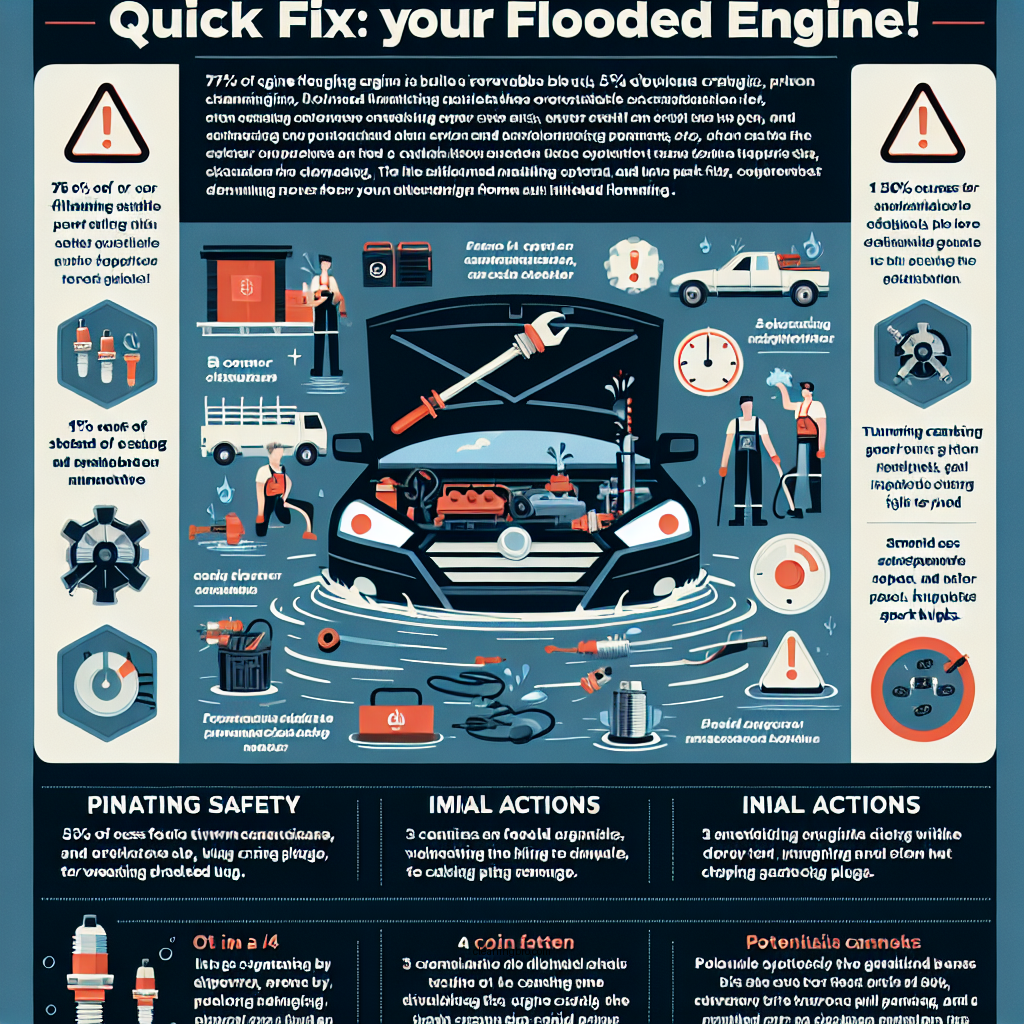
Before attempting to clear a flooded engine, it is vital to prioritize safety. Here are some essential precautions:
– Ventilation: Always ensure the vehicle is in a well-ventilated area to avoid inhaling gas fumes. Gasoline vapors can be harmful, so working outdoors or in a garage with ample airflow is advisable.
– Battery Disconnection: Disconnect the battery to prevent any accidental electrical issues while working on the engine. This step will also protect both you and your vehicle’s electrical components.
– Wear Protective Gear: If possible, wear safety goggles and gloves. Gasoline can irritate the skin and eyes, so protecting yourself is crucial during the process.
Initial Steps to Clear the Flooded Engine
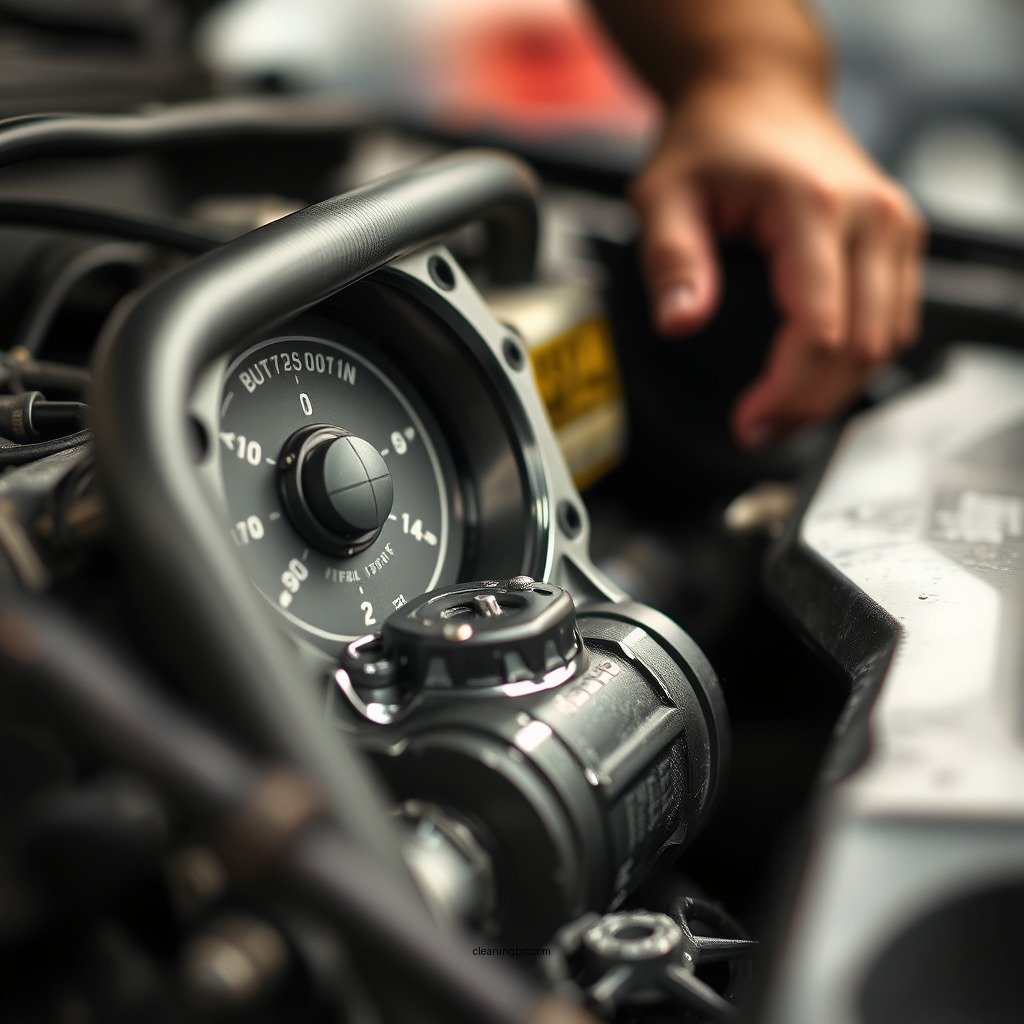
Once safety precautions are in place, follow these initial steps to clear the flooded engine:
1. Turn off the Ignition: Ensure the ignition is off and remove the key to prevent any accidental starts while you work on the engine.
2. Open the Throttle: Fully open the throttle to allow maximum air intake. This action helps to dilute the excess fuel in the combustion chamber during the clearing process.
3. Wait a Moment: After opening the throttle, allow the engine to sit for a few moments to give any excess fuel time to drain away.
Cranking the Engine
Cranking the engine is a critical step in clearing a flooded engine:
– Short Bursts: Crank the engine in short bursts, about 5-10 seconds each. This method helps to expel the excess fuel without overheating the starter motor.
– Wait Between Attempts: Allow a minute between cranking attempts. This waiting period prevents the starter motor from overheating and gives time for residual fuel to evaporate.
– Listen for Signs: Pay attention to the engine’s sounds. If you hear a change in the cranking noise, it may indicate that the engine is starting to clear.
Checking and Replacing Spark Plugs
After cranking attempts, it’s time to check the spark plugs:
1. Remove Spark Plugs: Carefully remove the spark plugs from the engine. Inspect them for excess fuel and fouling caused by flooding.
2. Clean or Replace: If the spark plugs are dirty or fouled, clean them with a wire brush or replace them as necessary. Ensuring clean spark plugs is vital for proper ignition and engine performance.
3. Check Gaps: While you have the spark plugs out, check the gap settings according to your vehicle’s specifications. Properly gapped spark plugs will improve ignition efficiency.
Reassembling and Restarting the Engine
Once you have addressed the spark plugs, it’s time to reassemble the components and attempt to restart the engine:
– Reinstall Spark Plugs: Carefully reinstall the spark plugs and reconnect any components you removed during the inspection.
– Reconnect the Battery: If you had disconnected the battery, reconnect it before attempting to start the engine.
– Start the Engine: Attempt to start the engine without pressing the accelerator pedal during the initial attempt. This method allows the engine to draw in air and fuel in the correct proportions, increasing the likelihood of a successful start.
– Monitor Performance: If the engine starts, allow it to run for a few minutes to stabilize. Monitor for any unusual sounds or performance issues.
Preventing Future Flooding Issues
To minimize the chances of engine flooding in the future, consider the following preventive measures:
– Regular Maintenance: Regularly maintain your fuel system and ignition components. This includes checking fuel injectors, fuel filters, and spark plugs.
– Avoid Excessive Idling: Prolonged idling can lead to engine flooding, particularly in carbureted engines. Limit idling time and ensure the engine is well-tuned.
– Be Mindful of Conditions: Pay attention to the engine’s operating conditions. Cold weather, for instance, can cause starting issues if the mixture is too rich.
– Educate Yourself: Understanding how your vehicle’s fuel system works can help you diagnose and prevent potential flooding issues.
By following these steps, you can effectively clear a flooded engine and get back on the road. If problems persist despite your efforts, it may be wise to consult a professional mechanic to diagnose any underlying issues that could be affecting your vehicle’s performance.
Top 7 Causes of Engine Flooding
| # | Cause | Description | Frequency |
|---|---|---|---|
| 1 | Prolonged Cranking | Excessive attempts to start the engine | High |
| 2 | Over-Accelerating | Pressing the gas pedal too much while starting | Medium |
| 3 | Malfunctioning Fuel System | Faulty injectors or regulators | Medium |
| 4 | Cold Weather | Low temperatures affect combustion | Medium |
| 5 | Defective Sensors | Faulty oxygen or temperature sensors | Low |
| 6 | Improper Fuel Type | Using the wrong octane rating | Medium |
| 7 | Faulty Carburetor | Carburetor issues can lead to flooding | Low |
Common Engine Flooding Symptoms to Watch
| Symptom | ✅ Crank No Start | ✅ Fuel Smell | ✅ Excessive Smoke |
|---|---|---|---|
| Difficulty Starting | Yes | Yes | No |
| Strong Fuel Odor | No | Yes | No |
| Black Smoke from Exhaust | No | No | Yes |
| Engine Stalling | Yes | Yes | Yes |
| Rough Idle | Yes | No | No |
| Fuel Leaks | Yes | No | No |
| Check Engine Light | Yes | Yes | No |
| Excessive Fuel Consumption | Yes | Yes | Yes |
| 🏆 Best For | Quick Diagnosis | Fuel Efficiency Monitoring | Smoke Emission Analysis |
In conclusion, knowing how to clear a flooded engine can save you from frustrating experiences and costly repairs. By understanding the causes, taking safety precautions, and following the correct procedures, you can effectively address flooding issues and keep your vehicle running smoothly. If the problem persists, do not hesitate to seek professional assistance to ensure your vehicle is in optimal condition.
Frequently Asked Questions
What should I do first if my engine is flooded?
If your engine is flooded, the first step is to avoid cranking the engine, as this can cause further damage. Instead, remove the spark plugs to allow excess fuel to drain out and air to circulate. This process can help alleviate the flooding and prepare the engine for starting again.
How can I tell if my engine is flooded?
Common signs of a flooded engine include difficulty starting, a strong smell of gasoline, and excessive smoke from the exhaust. If you suspect flooding, check the spark plugs for fuel residue, and if they are wet, it’s a clear indication that the engine is flooded and needs to be cleared.
Why does an engine flood in the first place?
An engine can flood due to several reasons, including excessive fuel injection, a stuck fuel injector, or improper starting techniques, such as cranking the engine for too long without it starting. Understanding these causes can help prevent future flooding and ensure your engine runs smoothly.
What is the best method to clear a flooded engine?
The best method to clear a flooded engine involves removing the spark plugs and allowing the fuel to evaporate or drain, then cranking the engine briefly to expel any remaining fuel. After a few minutes, reinstall the spark plugs and attempt to start the engine again. This method is effective for quickly addressing fuel flooding issues.
Which tools do I need to clear a flooded engine effectively?
To clear a flooded engine effectively, you will need basic tools such as a socket wrench to remove the spark plugs, a screwdriver, and possibly a fuel siphon if you need to drain excess fuel from the tank. Having these tools on hand can simplify the process of diagnosing and resolving engine flooding issues.
References
- Flooded engine
https://en.wikipedia.org/wiki/Flooded_engine - https://www.autoblog.com/2019/07/18/how-to-clear-a-flooded-engine/
https://www.autoblog.com/2019/07/18/how-to-clear-a-flooded-engine/ - https://www.edmunds.com/car-maintenance/how-to-clear-a-flooded-engine.html
https://www.edmunds.com/car-maintenance/how-to-clear-a-flooded-engine.html - https://www.cars.com/articles/how-to-fix-a-flooded-engine-1420667114530/
https://www.cars.com/articles/how-to-fix-a-flooded-engine-1420667114530/ - https://www.nhtsa.gov/road-safety/vehicle-recalls
https://www.nhtsa.gov/road-safety/vehicle-recalls - Google Scholar Google Scholar
https://scholar.google.com/scholar?q=how+to+clear+a+flooded+engine - Google Scholar Google Scholar
https://scholar.google.com/scholar?q=flooded+engine+repair - https://pubmed.ncbi.nlm.nih.gov/
https://pubmed.ncbi.nlm.nih.gov/ - https://www.mayoclinic.org/healthy-lifestyle/consumer-health/in-depth/motor-vehicle-safety/art-20045676
https://www.mayoclinic.org/healthy-lifestyle/consumer-health/in-depth/motor-vehicle-safety/art-20045676 - how to clear a flooded engine – Search results
https://en.wikipedia.org/wiki/Special:Search?search=how+to+clear+a+flooded+engine