
How to Clear Brush from Land: Effective Techniques
Clearing brush from land is crucial for effective land management, enhancing safety, and preparing the area for new projects. This process not only improves the aesthetic value of the land but also reduces fire hazards and promotes healthier ecosystems. In this article, you will discover effective techniques for removing brush, including the necessary tools, methods, and essential safety tips to ensure a successful clearing process.
Understanding Brush Types

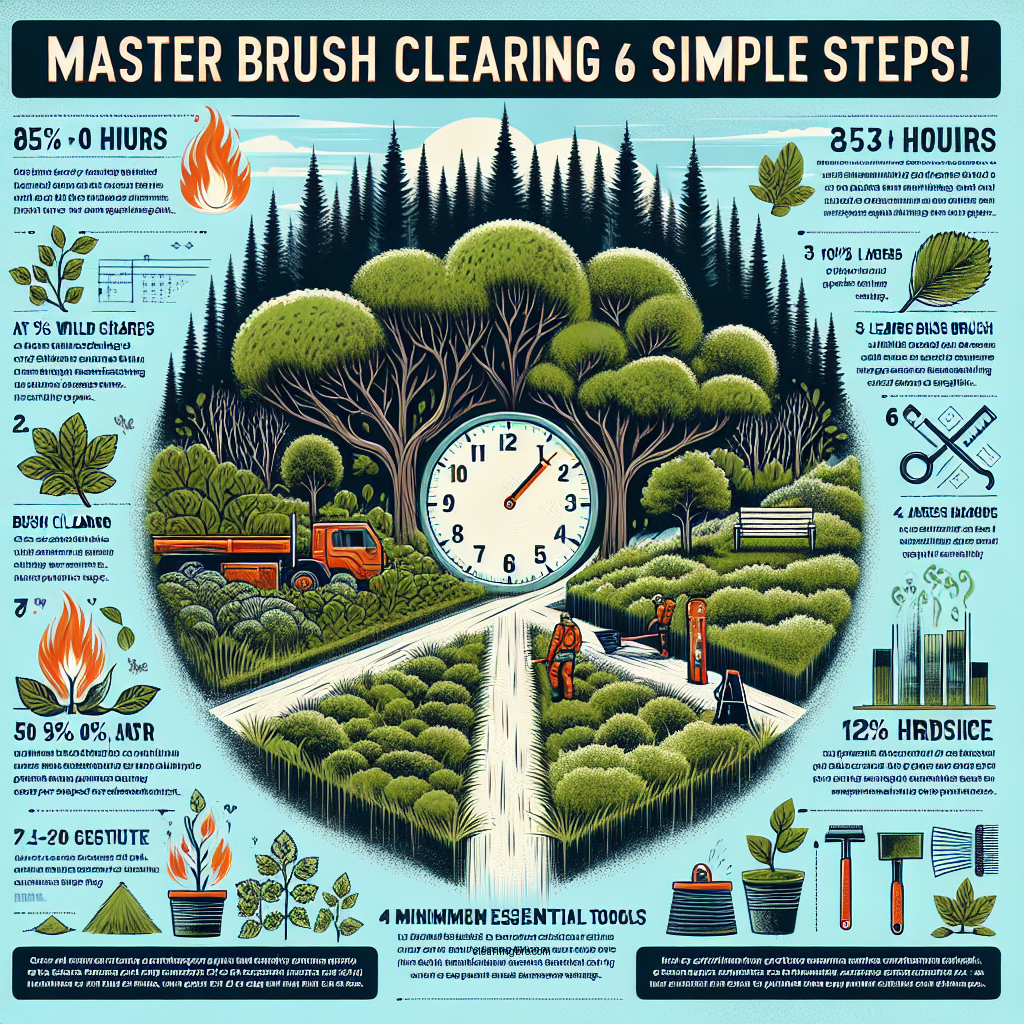
To effectively clear brush, one must first identify the different types of brush present on the land. Brush typically consists of shrubs, small trees, and invasive species.
1. Shrubs: These are often dense and can be easily removed with hand tools like pruners or shears. They can be beneficial for wildlife but may need to be managed to prevent overgrowth.
2. Small Trees: Young trees can be more challenging to remove and may require chainsaws or power tools. Assessing the size and number of small trees is essential to determine the best method for removal.
3. Invasive Species: These species can overtake native plants and ecosystems. Identifying them early and employing appropriate methods, such as herbicides or targeted cutting, is critical for effective management.
Assessing the density and size of the brush will guide your approach. For example, a heavily wooded area will demand different tools and techniques compared to a sparse brushland.
Essential Tools for Clearing Brush
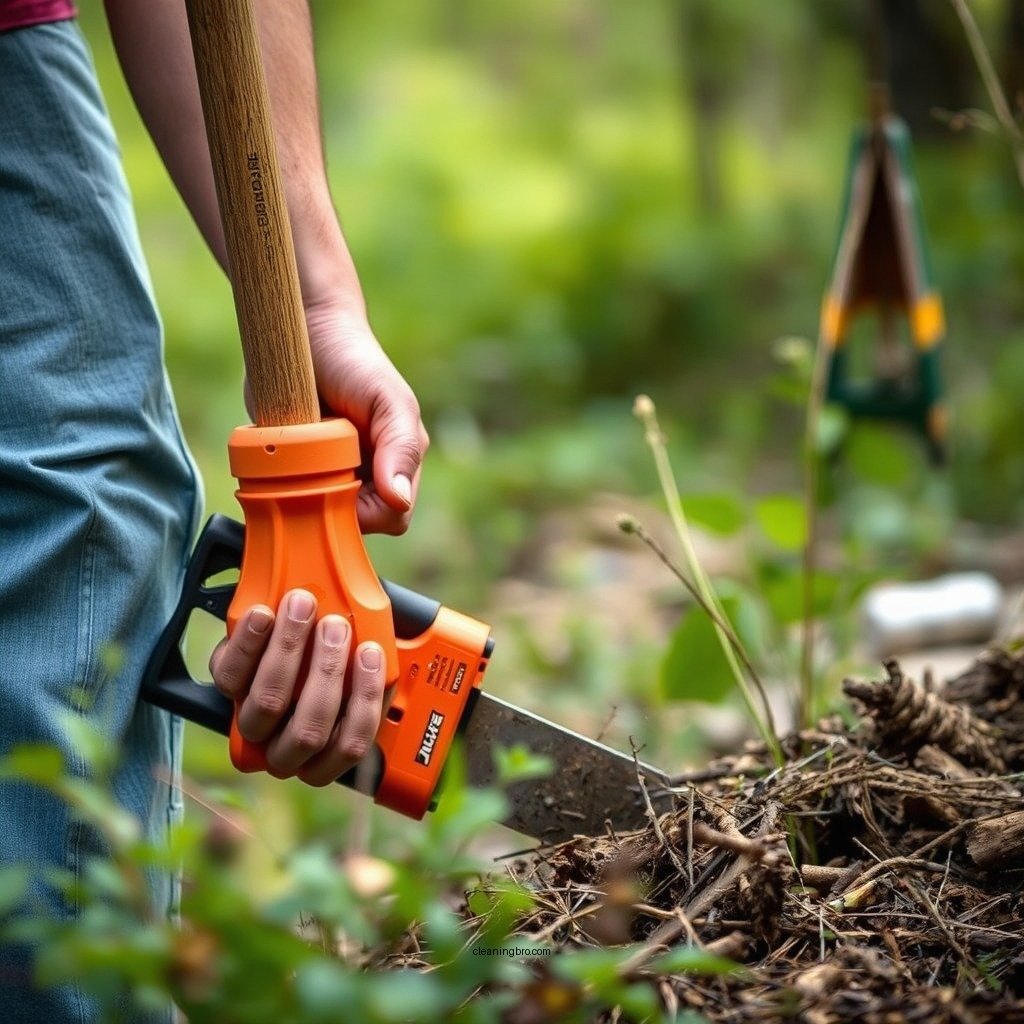
Manual Tools:
– Machetes: Ideal for cutting through dense undergrowth.
– Pruners: Suitable for trimming and shaping smaller shrubs.
– Hand Saws: Effective for cutting down small trees and thick branches.
Power Tools:
– Brush Cutters: These are powerful and can tackle thicker brush and grass with ease.
– Chainsaws: Necessary for larger trees, chainsaws provide the power needed for effective cutting.
– Chippers: After clearing, a chipper can turn branches into mulch, which can be reused on the property.
Selecting the right tools not only improves efficiency but also reduces physical strain during the clearing process.Step-by-Step Brush Clearing Techniques
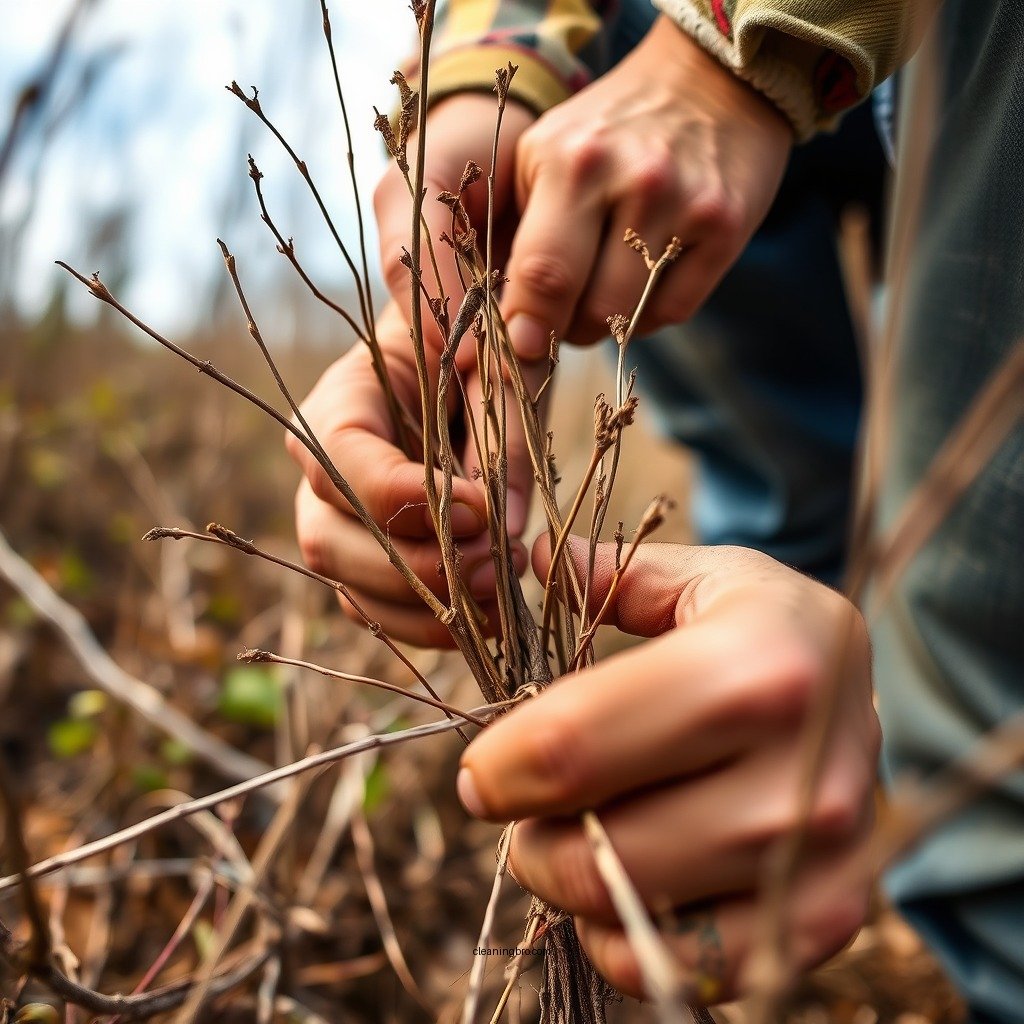
Successfully clearing brush requires a systematic approach. Here’s a step-by-step guide:
1. Clear the Area: Start by removing debris and obstacles from the work site. This includes rocks, larger branches, or any hazardous materials that could pose a danger during the clearing process.
2. Method Selection: Depending on the density and type of brush, choose an appropriate removal method:
– Cutting: This can be done using saws or brush cutters for larger areas.
– Burning: In some regions, controlled burns can be an effective way to clear brush, but this requires careful planning and adherence to local regulations.
– Herbicide Application: For invasive species, targeted herbicide application can prevent regrowth.
By following these steps and being methodical in your approach, you can ensure a thorough clearing process.
Top 7 Brush-Clearing Tools for Efficient Land Management
| # | Tool | Type | Best Use | Cost Range |
|---|---|---|---|---|
| 1 | Machete | Manual | Dense Underbrush | $15-$50 |
| 2 | Hand Saw | Manual | Small Trees | $10-$30 |
| 3 | Chainsaw | Power | Larger Trees | $150-$600 |
| 4 | Brush Cutter | Power | Thick Brush | $100-$400 |
| 5 | Chipper | Power | Mulching Debris | $200-$1,000 |
| 6 | Rake | Manual | Debris Collection | $10-$50 |
| 7 | Gloves | PPE | Hand Protection | $5-$20 |
Safety Precautions to Consider
Safety is paramount during the brush clearing process. To minimize risks, consider the following precautions:
– Wear Appropriate Personal Protective Equipment (PPE): This includes gloves to protect your hands, goggles to shield your eyes from flying debris, and sturdy footwear to prevent injuries from sharp objects.
– Be Aware of Your Surroundings: Before starting, assess the area for potential hazards, such as uneven terrain, poisonous plants, or wildlife. This awareness can prevent accidents and ensure a safer working environment.
– Stay Hydrated and Take Breaks: Clearing brush can be physically demanding. Ensure you stay hydrated and take regular breaks to prevent fatigue.
Implementing these safety measures will significantly reduce the risk of injury and improve the overall efficiency of the clearing process.
Environmental Considerations
When clearing brush, it is essential to consider the environmental impact of your actions.
1. Understand Local Regulations: Many areas have specific laws regarding brush clearing, especially when it comes to burning or disposing of brush. Familiarize yourself with these regulations to avoid fines or legal issues.
2. Explore Eco-Friendly Methods: Instead of burning or disposing of cleared brush in landfills, consider composting or mulching. These methods can enrich the soil and promote healthier ecosystems.
By adopting environmentally friendly practices, you contribute to sustainable land management while enhancing the ecological health of the area.
Brush Clearing Methods: Cutting vs. Burning vs. Herbicide
| Feature | ⭐ Cutting | Burning | Herbicide |
|---|---|---|---|
| Cost | Moderate | Low | Variable |
| Time to Complete | Moderate | Quick | Long |
| Environmental Impact | Low | High | Low |
| Skill Level Required | Low | Moderate | High |
| Safety Risks | Low | High | Moderate |
| Follow-Up Maintenance | Moderate | Low | High |
| Ecosystem Impact | Positive | Negative | Positive |
| Best For | General Clearing | Quick Removal | Invasive Species |
Maintenance After Clearing
After clearing brush, implementing a maintenance plan is essential to prevent regrowth. Here are some strategies:
– Regular Monitoring: Check the area periodically to identify any new growth or invasive species that may emerge.
– Re-Clearing as Necessary: Depending on the type of brush and local conditions, you may need to clear the area again to maintain its appearance and health.
– Consider Planting Native Species: Introducing native plants can enhance biodiversity and help stabilize the soil. Native species are often more resilient and require less maintenance compared to non-native plants.
By following these maintenance steps, you can ensure that your land remains clear and healthy for future use.
In conclusion, clearing brush from land is a multifaceted process that involves understanding brush types, using the right tools, and implementing safe and environmentally friendly methods. By following the outlined techniques and maintenance strategies, you can effectively manage your land, enhance its safety, and prepare it for future projects. Assess your own land today to determine the best brush clearing method that suits your specific needs. For more tips on land management, consider subscribing to our newsletter for the latest insights and advice.
Frequently Asked Questions
What are the best methods to clear brush from land?
The best methods to clear brush from land include mechanical removal, such as using a brush cutter or chainsaw, and chemical treatments like herbicides. For larger areas, heavy equipment like bulldozers or excavators can also be effective. It’s important to choose a method that suits the size of the area and the density of the brush.
How do I safely remove brush from my property?
To safely remove brush from your property, start by wearing protective gear, including gloves, goggles, and long sleeves. Use appropriate tools such as loppers or a chainsaw for larger branches, and ensure you have a plan for disposal, whether that’s chipping the brush or hauling it away. Always check for local regulations regarding burning or disposal methods.
Why is it important to clear brush from land?
Clearing brush from land is important for several reasons, including fire prevention, improved aesthetics, and enhanced land usability. Dense brush can harbor pests and diseases, while a clean area allows for better access to the land for farming, building, or recreational purposes. Additionally, maintaining clear land can prevent the spread of invasive species.
Which tools are most effective for clearing brush?
The most effective tools for clearing brush include hand tools like machetes, pruners, and loppers, as well as power tools such as brush cutters and chainsaws. For larger areas, you may need heavy-duty equipment like a skid steer or a mulcher. Selecting the right tool depends on the size of the brush and the desired outcome of your clearing efforts.
What are the environmental considerations when clearing brush from land?
When clearing brush from land, it’s essential to consider the potential impact on local wildlife and ecosystems. Clearing dense brush can disrupt habitats, so it’s advisable to plan your clearing activities during off-peak seasons for wildlife. Additionally, consider using eco-friendly methods like manual removal or targeted herbicide applications to minimize environmental harm.
References
- Deforestation
https://en.wikipedia.org/wiki/Brush_clearing - https://www.fs.usda.gov/t-d/pubs/htmlpubs/htm07232809/page01.htm
https://www.fs.usda.gov/t-d/pubs/htmlpubs/htm07232809/page01.htm - https://www.extension.purdue.edu/extmedia/FNR/FNR-492-W.pdf
https://www.extension.purdue.edu/extmedia/FNR/FNR-492-W.pdf - https://www.treesaregood.org/portals/0/docs/BrushClearing.pdf
https://www.treesaregood.org/portals/0/docs/BrushClearing.pdf - Home | Natural Resources Conservation Service
https://www.nrcs.usda.gov/wps/portal/nrcs/main/national/home/ - https://www.ncbi.nlm.nih.gov/pmc/articles/PMC7010210/
https://www.ncbi.nlm.nih.gov/pmc/articles/PMC7010210/ - https://www.fs.fed.us/foresthealth/technology/brush_management.shtml
https://www.fs.fed.us/foresthealth/technology/brush_management.shtml - https://www.extension.umn.edu/garden/yard-garden/landscaping/clearing-woodlots/
https://www.extension.umn.edu/garden/yard-garden/landscaping/clearing-woodlots/ - Google Scholar Google Scholar
https://scholar.google.com/scholar?q=how+to+clear+brush+from+land - Google Scholar Google Scholar
https://scholar.google.com/scholar?q=brush+clearing+techniques+land+management