How to Clear Brush Without a Tractor: Effective Techniques
Clearing brush without a tractor is entirely possible by using the right tools and techniques. This guide will walk you through various methods, from hand tools to mechanical devices, so you can effectively manage overgrown areas without heavy machinery. Whether you’re tackling a small backyard or a larger parcel of land, understanding the best approaches can save time and effort while ensuring safety and environmental responsibility.
Understanding Brush Types
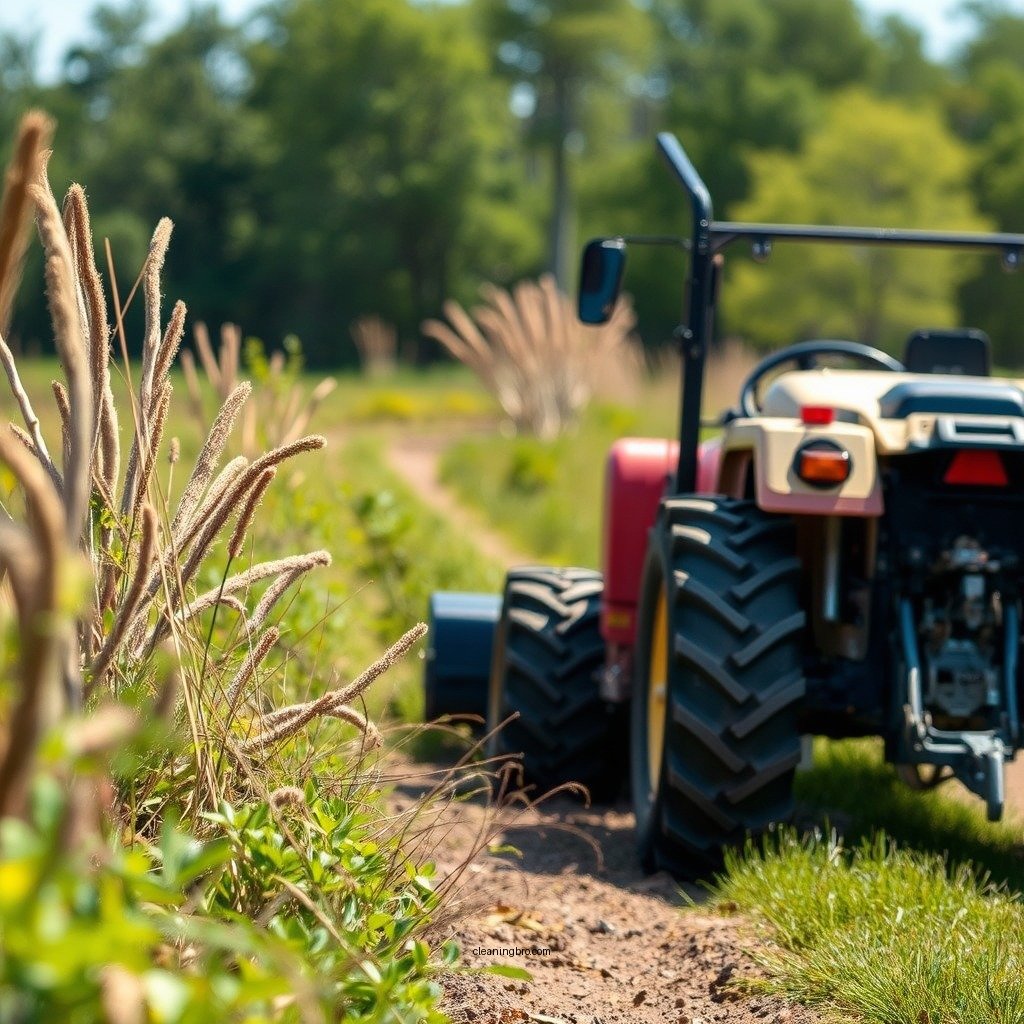
The first step in clearing brush is identifying the different types of vegetation you are dealing with. Common brush types include shrubs, small trees, and invasive plants like kudzu or Japanese honeysuckle. Each type presents unique challenges and requires specific methods for removal.
– Shrubs: Generally easier to manage, shrubs can often be cut back with hand tools like loppers or pruning saws.
– Small Trees: Trees under four inches in diameter may require a chainsaw or a brush cutter for effective removal.
– Invasive Plants: These can be particularly stubborn; often requiring both mechanical removal and chemical treatments to fully eradicate.
Assessing the density and size of the brush is essential. If the area is densely populated with thick brush, you may need to prioritize which plants to remove first, as this can impact your overall strategy and efficiency.
Essential Hand Tools
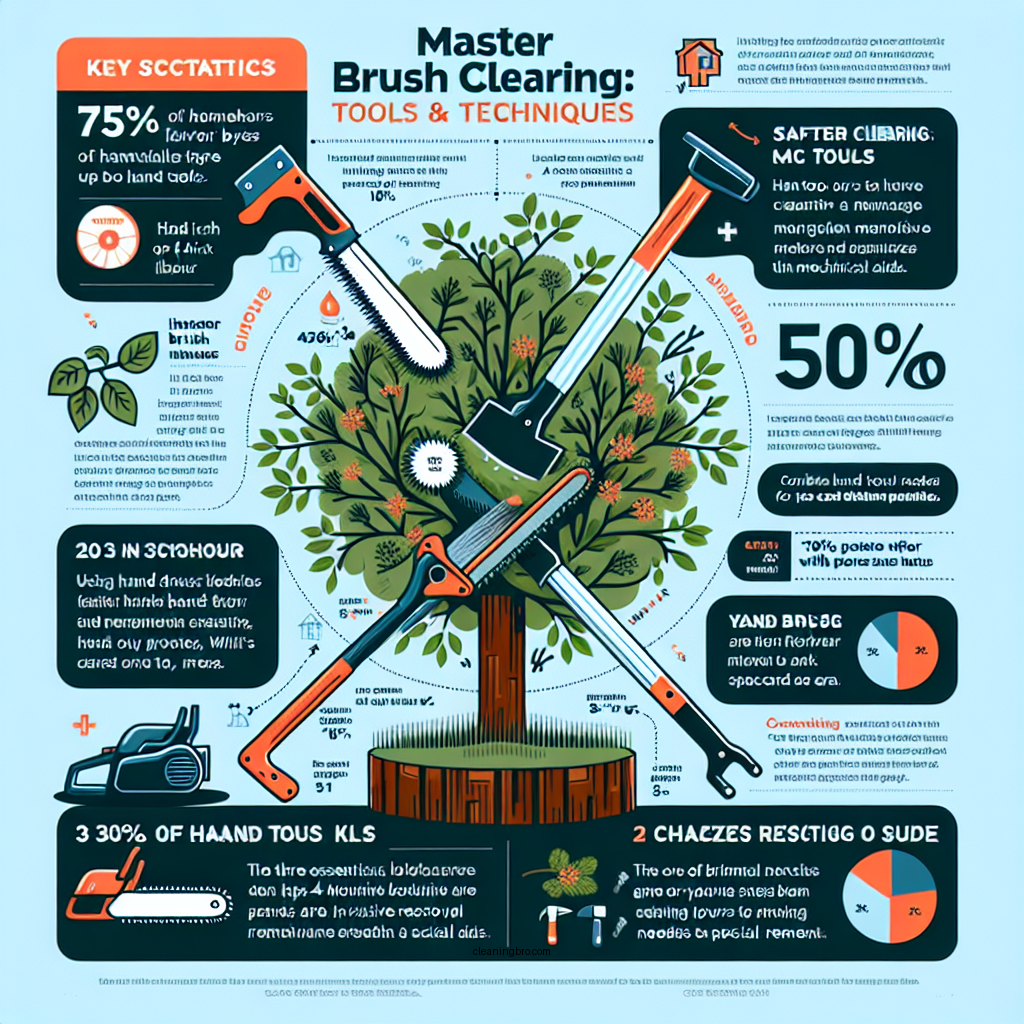
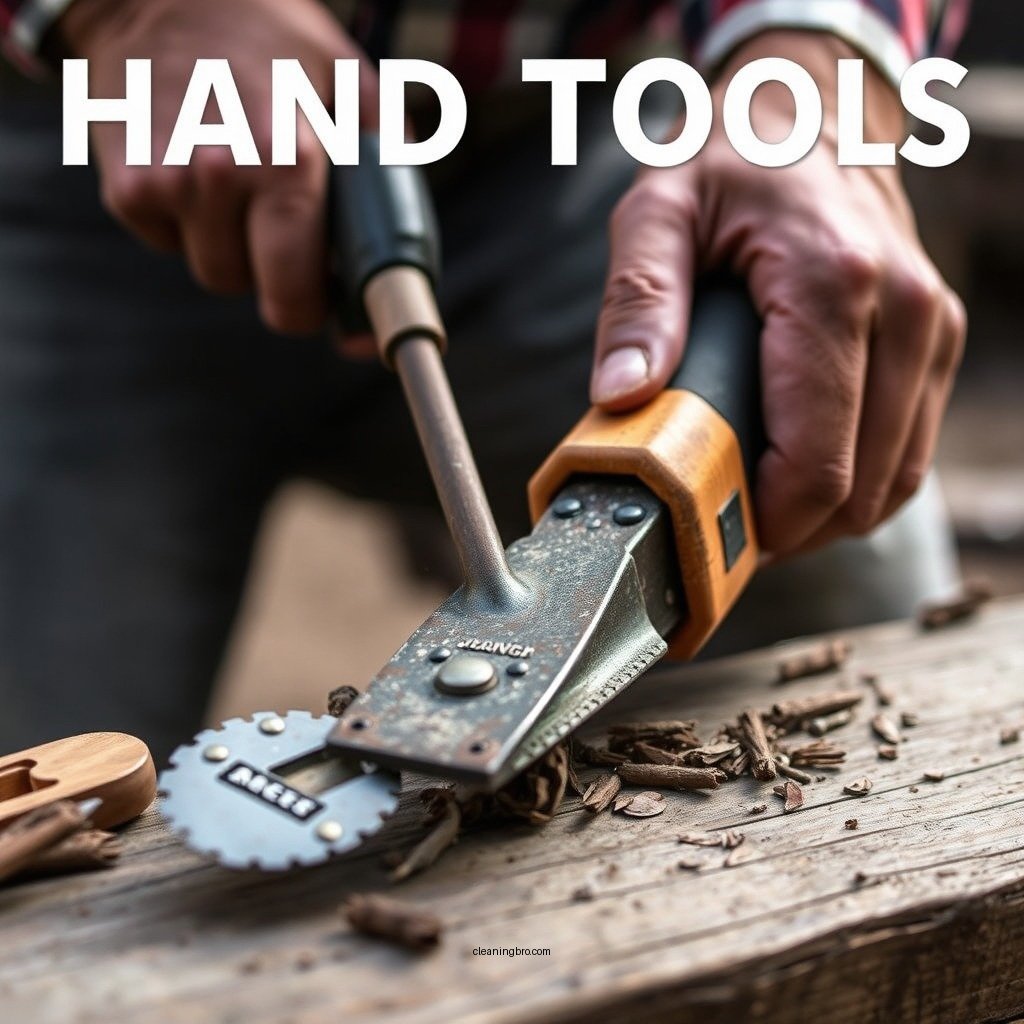
For smaller jobs or areas where you have limited access, hand tools can be effective and economical. Here are some essential hand tools for brush clearing:
– Loppers: Ideal for cutting through branches and thicker stems up to an inch in diameter. Look for a model with a ratcheting mechanism for added leverage.
– Pruning Saws: Perfect for cutting down small trees or larger branches. Choose a saw with a curved blade for better cutting efficiency.
– Machetes: These are versatile and can be used for clearing brush and cutting through tough grass or weeds.
Selecting the right tool is crucial. For instance, if you have thorny bushes, a good pair of gloves and long sleeves will protect you while using hand tools. If you’re dealing with dense brush, consider tools that allow for leverage and reach.
Mechanical Aids for Brush Clearing
When hand tools aren’t enough, mechanical aids can significantly improve efficiency in brush clearing. Here are some common options:
– Brush Cutters: These powerful tools can tackle thicker brush and small trees quickly. They come equipped with different blades and attachments for varying thicknesses.
– String Trimmers: Ideal for trimming grass and thin brush, string trimmers are lightweight and easy to maneuver, making them suitable for uneven terrain.
– Chainsaws: For larger trees or extensive brush, a chainsaw is invaluable. Ensure you are trained in its operation and always prioritize safety.
Safety Tips for Operating Mechanical Tools
1. Wear Safety Gear: Always use protective goggles, gloves, and sturdy footwear to guard against debris and injuries.
2. Follow the Manufacturer’s Instructions: Each tool will have specific guidelines that should be adhered to for safe operation.
3. Maintain a Clear Work Area: Ensure your workspace is free of obstacles that could lead to accidents while operating machinery.
Top Brush Clearing Tools and Their Capabilities
| # | Tool Type | Ideal For | Cutting Diameter | Weight |
|---|---|---|---|---|
| 1 | Brush Cutter | Thick Brush | Up to 3 inches | 10 lbs |
| 2 | String Trimmer | Grass & Weeds | Up to 0.5 inches | 8 lbs |
| 3 | Chainsaw | Large Trees | Up to 12 inches | 12 lbs |
| 4 | Lopper | Small Branches | Up to 1 inch | 3 lbs |
| 5 | Pruning Saw | Thicker Branches | Up to 3 inches | 2 lbs |
| 6 | Machete | General Clearing | N/A | 2 lbs |
| 7 | Axe | Felling Trees | N/A | 5 lbs |
Chemical Options for Brush Control
In some cases, mechanical removal may not be sufficient, especially with stubborn or invasive species. Herbicides can be an effective method for managing such brush. Here are a few considerations when using chemical options:
– When to Use: Apply herbicides during active growth seasons for the best results. This is typically in the spring or early summer when plants are most metabolically active.
– How to Apply: Always follow the manufacturer’s instructions. Spot treatments are often more effective than blanket applications, helping to minimize environmental impact.
– Environmental Considerations: Be mindful of local wildlife and water sources. Use products that are approved for your specific area and always wear protective gear during application.
Best Practices for Brush Disposal
Once you’ve cleared the brush, it’s crucial to dispose of it properly. Here are several methods:
– Chipping: A wood chipper can turn brush into mulch, which can be beneficial for landscaping or garden beds.
– Burning: In some areas, burning brush is permissible. Check local regulations, as fire bans may be in effect during dry seasons.
– Composting: If the brush consists of non-invasive plant material, consider composting it. This can enrich your soil and support future gardening efforts.
Always consult local regulations regarding brush disposal and burning to ensure compliance with safety and environmental guidelines.
Safety Precautions
Safety should always be a priority when clearing brush. Here are some essential precautions:
– Wear Protective Gear: This includes gloves, goggles, long pants, and sturdy boots. A hard hat may also be advisable when working in areas with overhead hazards.
– Assess the Area: Before starting, survey the area for potential dangers such as uneven ground, loose branches, or wildlife.
– Stay Hydrated: Working outdoors can be physically demanding. Keep water on hand and take regular breaks to avoid fatigue.
Maintenance After Clearing
Clearing brush is often just the beginning. Regular maintenance is vital to prevent regrowth and manage any new growth. Here are some strategies:
– Mulching: Applying mulch can suppress weeds and retain moisture in the soil, making it easier to manage new growth.
– Monitoring New Growth: After clearing, keep an eye out for any resprouting or new invasive species. Early intervention is key to preventing larger issues down the line.
– Regular Maintenance: Schedule regular visits to the area to keep it in check. This may include periodic mowing, trimming, or reapplication of herbicides where necessary.
By employing these techniques and tools, you can effectively clear brush without the need for a tractor, making your outdoor spaces more manageable and enjoyable. Start with the right approach today, and take control of your land!
Frequently Asked Questions
What are the best tools for clearing brush without a tractor?
The best tools for clearing brush without a tractor include a brush cutter, chainsaw, loppers, and hand saws. For smaller areas, a string trimmer can be effective, while for thicker brush, a heavy-duty brush cutter or chainsaw is ideal. Additionally, using protective gear is essential for safety during the clearing process.
How can I clear brush effectively by hand?
To clear brush effectively by hand, start by assessing the area and determining the type of vegetation you’re dealing with. Use loppers or a hand saw for thicker branches and a rake to gather debris. Work systematically, clearing small sections at a time, and consider using a machete for smaller, stubborn undergrowth.
Why is it important to clear brush from my property?
Clearing brush from your property is important for several reasons, including reducing fire hazards, improving landscape aesthetics, and preventing pest infestations. Overgrown brush can also hinder access to your land and create a habitat for unwanted wildlife. Regular maintenance keeps your property safe and visually appealing.
Which methods are eco-friendly for clearing brush without machinery?
Eco-friendly methods for clearing brush without machinery include manual cutting, controlled burns, and using goats for natural grazing. Manual cutting involves hand tools to minimize environmental impact, while controlled burns can clear large areas when executed safely and legally. Grazing animals naturally manage vegetation, promoting biodiversity.
What should I do with the brush after clearing it?
After clearing brush, you have several options for disposal. You can chip the brush into mulch, burn it if permitted, or compost smaller materials. Alternatively, consider creating brush piles to provide habitat for wildlife, or haul it to a local green waste facility for environmentally responsible disposal.
References
- Deforestation
https://en.wikipedia.org/wiki/Brush_clearing - https://www.extension.umn.edu/garden/yard-garden/landscaping/brush-clearing/
https://www.extension.umn.edu/garden/yard-garden/landscaping/brush-clearing/ - https://www.fs.usda.gov/Internet/FSE_DOCUMENTS/stelprdb5374814.pdf
https://www.fs.usda.gov/Internet/FSE_DOCUMENTS/stelprdb5374814.pdf - https://www.nrcs.usda.gov/wps/portal/nrcs/detail/national/home/?cid=nrcs143_014204
https://www.nrcs.usda.gov/wps/portal/nrcs/detail/national/home/?cid=nrcs143_014204 - https://www.nrs.fs.fed.us/pubs/jrnl/2002/nrs_2002_brown_001.pdf
https://www.nrs.fs.fed.us/pubs/jrnl/2002/nrs_2002_brown_001.pdf - Google Scholar Google Scholar
https://scholar.google.com/scholar?q=how+to+clear+brush+without+a+tractor - Google Scholar Google Scholar
https://scholar.google.com/scholar?q=brush+clearing+techniques - Google Scholar Google Scholar
https://scholar.google.com/scholar?q=manual+methods+of+brush+clearing - https://www.treesaregood.org/portals/0/pdfs/Clearing_Brush.pdf
https://www.treesaregood.org/portals/0/pdfs/Clearing_Brush.pdf - Occupational Exposure to Refractory Ceramic Fibers | NIOSH | CDC
https://www.cdc.gov/niosh/docs/2006-123/default.html