
How to Clear Cloudy Pond Water: Effective Solutions
To clear cloudy pond water, start by identifying the cause, which can be due to excess nutrients, debris, or algae. Implementing proper filtration, maintaining balanced water chemistry, and regular cleaning can significantly improve water clarity. This guide will walk you through the steps to restore your pond’s clear beauty.
Maintaining a pristine pond not only enhances its aesthetic appeal but also supports the health of aquatic life. Cloudy water can stem from various factors, including an overload of nutrients or the presence of organic debris. Understanding these causes is crucial for effectively addressing the issue and restoring your pond to its natural clarity.
Understand the Causes of Cloudy Water
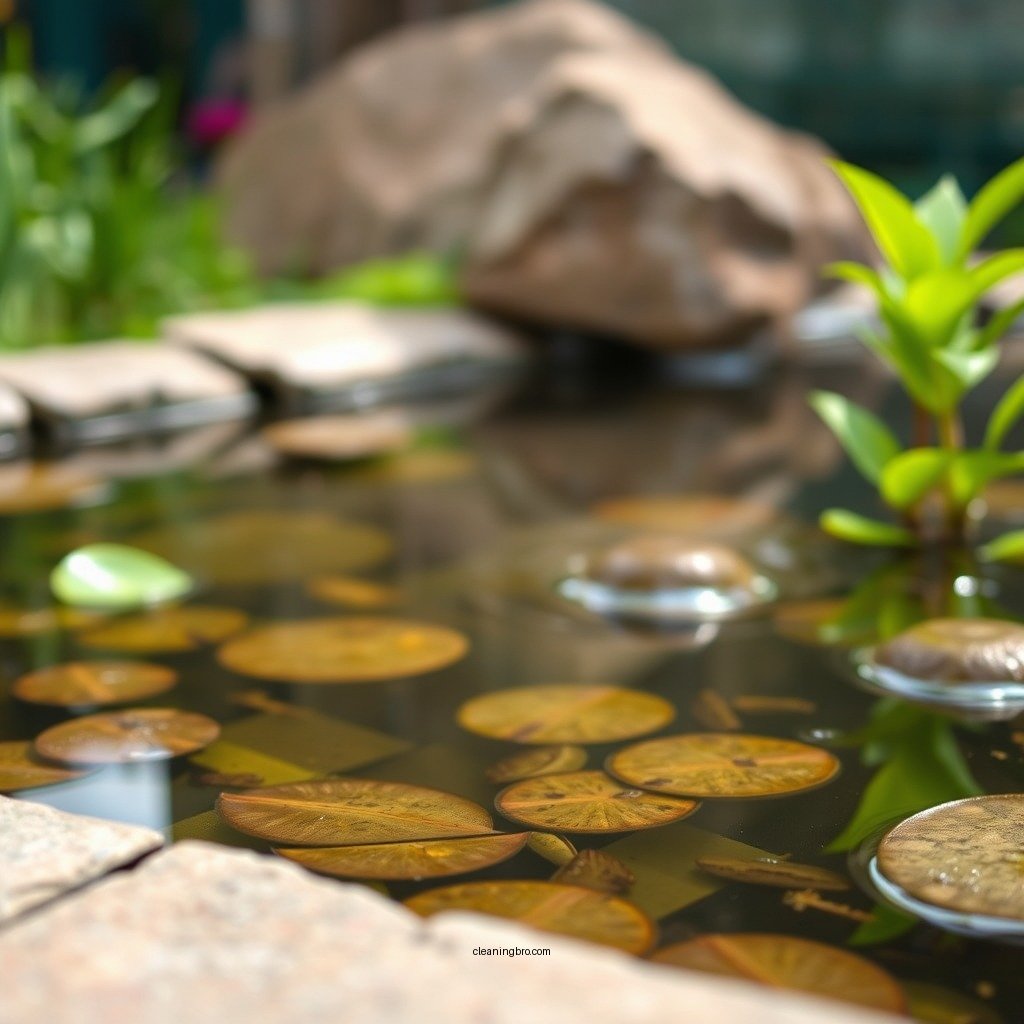
Cloudy pond water can result from a variety of environmental factors. One of the primary culprits is nutrient overload, often caused by the excessive use of fertilizers in nearby gardens or the decaying organic matter within the pond itself. When nutrients like phosphorus and nitrogen accumulate, they can trigger algal blooms, which not only cloud the water but also consume oxygen, endangering fish and other pond inhabitants.
Additionally, suspended particles from soil erosion or debris accumulation can significantly contribute to cloudiness. Rainfall can wash soil and organic matter into the pond, creating a murky appearance. Understanding these causes allows pond owners to take precise actions to mitigate cloudiness, ensuring a healthier ecosystem.
Test the Water Quality
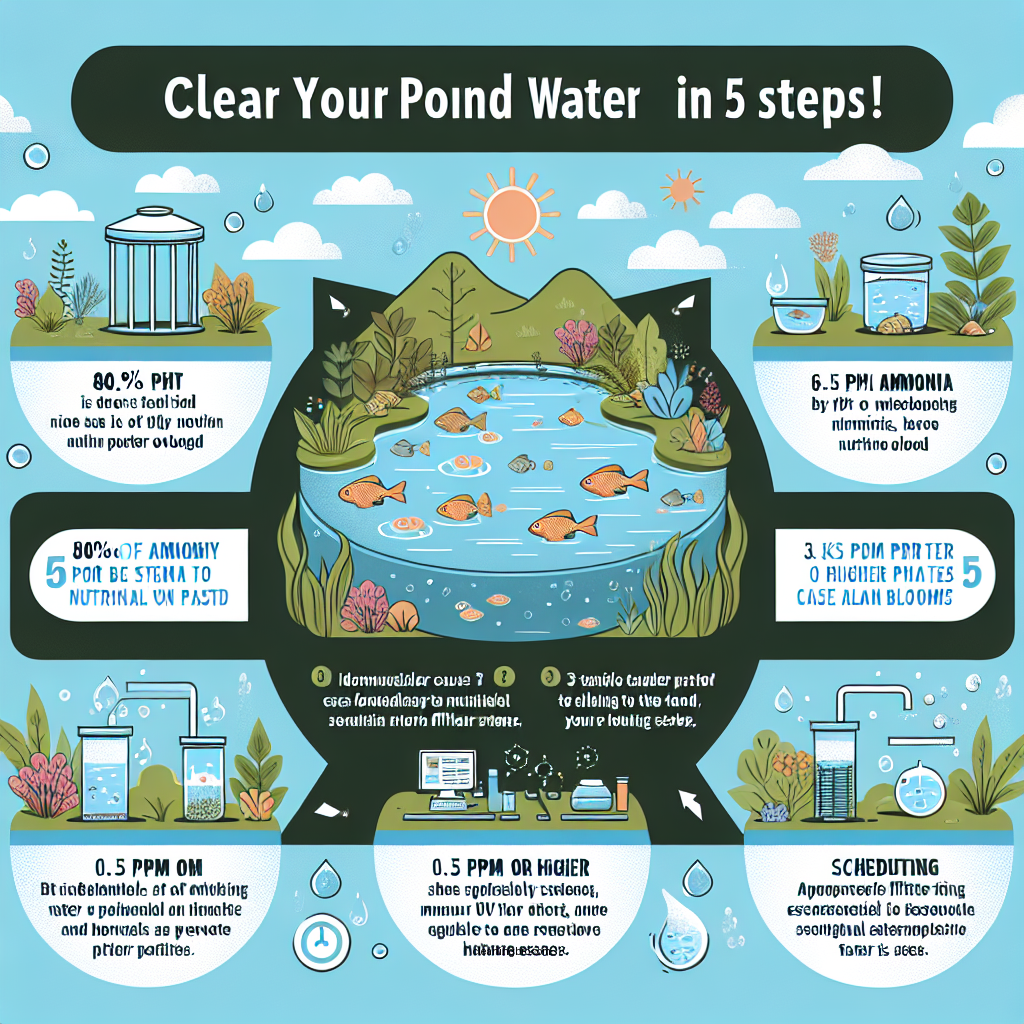
Before diving into solutions, testing the water quality is essential. A water testing kit can help you measure critical parameters such as pH, ammonia, nitrate, and phosphate levels.
1. pH Levels: Ideal pH for ponds is usually between 6.5 and 8.5. Extreme pH levels can affect fish and plant health.
2. Ammonia: High ammonia levels indicate overpopulation or decaying organic matter, which can be toxic to aquatic life.
3. Nitrate and Phosphate: Elevated levels suggest nutrient overload, often leading to algal blooms.
Regular testing helps monitor changes and prevents future issues. Implementing a routine testing schedule allows pond owners to stay ahead of potential problems and maintain water quality.
Implement Filtration Solutions
A well-functioning filtration system is essential for maintaining clear pond water. Depending on your pond’s size and the extent of the cloudiness, you may need to install or upgrade your filtration system.
1. Mechanical Filters: These remove physical debris, such as leaves and algae, from the water.
2. Biological Filters: These utilize beneficial bacteria to break down organic waste and maintain a balanced ecosystem.
3. UV Clarifiers: These devices expose water to ultraviolet light, effectively eliminating algae and bacteria that cause cloudiness.
Investing in a high-quality filtration system tailored to your pond’s size and needs can dramatically enhance water clarity and overall health.
Top 7 Causes of Cloudy Pond Water (2024)
| # | Cause | Impact Level | Solution |
|---|---|---|---|
| 1 | Nutrient Overload | High | Reduce Fertilizer Use |
| 2 | Decaying Organic Matter | Medium | Regular Cleaning |
| 3 | Soil Erosion | High | Install Barriers |
| 4 | Algal Blooms | Very High | UV Clarifiers |
| 5 | Overstocked Fish Population | Medium | Reduce Fish Stock |
| 6 | Poor Filtration | High | Upgrade Filters |
| 7 | High Rainfall | Medium | Manage Drainage |
| 8 | Runoff Contaminants | High | Reduce Runoff Sources |
| 9 | Water Temperature Fluctuations | Medium | Add Shade Plants |
| 10 | Invasive Species | Medium | Remove Manually |
Control Algae Growth
Controlling algae growth is vital for maintaining clear pond water. One effective method is to use beneficial bacteria that compete with algae for nutrients, thus limiting their growth. These naturally occurring bacteria help break down organic matter, reducing nutrient levels that fuel algal blooms.
Additionally, introducing aquatic plants can significantly aid in controlling algae. Plants such as water lilies and submerged vegetation absorb excess nutrients and provide shade, which helps to limit light penetration, a key factor in algal growth. Creating a balanced ecosystem with a mix of plants and beneficial bacteria can significantly enhance water clarity.
Maintain Regular Cleaning Practices
Regular maintenance is essential for preventing cloudy water. Debris such as fallen leaves, twigs, and dead plants can accumulate and decompose, contributing to murky water. Establishing a routine cleaning schedule will help keep your pond free from organic waste.1. Debris Removal: Regularly skimming the surface and removing debris prevents it from sinking and decomposing.
2. Periodic Vacuuming: Using a pond vacuum to remove sediment from the bottom can be particularly effective in reducing cloudiness.
3. Seasonal Cleanouts: At the beginning of the growing season, consider a thorough cleanout to reset the pond’s ecosystem.
A clean pond is less likely to experience issues with cloudiness and will promote a healthier environment for fish and plants.
Monitor Fish and Plant Health
The health of fish and plants in your pond directly impacts water clarity. Overpopulation of fish can lead to increased waste, which contributes to nutrient overload in the water. Maintaining a balanced fish population is crucial; consider a ratio of one inch of fish per gallon of water as a general guideline.
Healthy aquatic plants also play a vital role in maintaining water quality. They not only absorb excess nutrients but also provide habitat and shelter for fish. Regularly check the health of both fish and plants to ensure a thriving ecosystem.
Seek Professional Help if Needed
If your pond continues to struggle with cloudiness despite your best efforts, it may be time to consult a pond expert or aquatic biologist. Professionals can assess your pond’s specific needs and suggest tailored solutions, including advanced treatments or modifications to your filtration system.
In severe cases, professional treatments may be necessary, such as:
1. Chemical Treatments: Sometimes, targeted chemical treatments can effectively reduce harmful algal blooms.
2. Ecosystem Management: Experts can provide guidance on creating a balanced ecosystem that fosters natural clarity.
Investing in professional advice can save time and resources in the long run, ensuring your pond remains a beautiful and healthy feature of your landscape.
Best Pond Treatment Solutions for Cloudiness
| Feature | ⭐ Bacterial Treatment | UV Clarifier | Chemical Treatment |
|---|---|---|---|
| Cost | $50/500g | $200+ | $30-$100 |
| Effectiveness | ✅ High | ✅ Very High | ✅ Moderate |
| Maintenance | Low | Medium | High |
| Time to Clear | 1-2 weeks | Immediate | 1-3 days |
| Environmental Impact | ✅ Eco-friendly | ✅ Low | ❌ Chemical Risks |
| Compatibility | Fish-friendly | Fish-friendly | Caution Required |
| Cost Efficiency | ✅ High | ❌ Medium | ✅ High |
| User Friendliness | Easy | Moderate | Challenging |
| Preventative Measures | Regular Use | Regular Maintenance | Periodic Treatment |
| 🏆 Best For | Eco-conscious users | Immediate results seekers | Budget-conscious users |
Maintaining clear pond water requires a combination of addressing causes, regular testing, and active management practices. By following the steps outlined in this guide, you can enjoy a beautiful, clear pond year-round. Take action today by testing your water and implementing these strategies for a healthier ecosystem!
Frequently Asked Questions
What are the common causes of cloudy pond water?
Cloudy pond water can be caused by a variety of factors including excess nutrients, algae blooms, sediment disturbance, or decaying organic matter. Algae blooms often occur due to high nitrogen and phosphorus levels, which can result from runoff or over-fertilization. Identifying the root cause is essential for effectively clearing the water.
How can I quickly clear cloudy pond water?
To quickly clear cloudy pond water, consider using a pond clarifier or flocculant that binds suspended particles together, making them easier to filter out. Additionally, regular maintenance such as removing debris, controlling algae growth, and ensuring proper aeration can significantly improve water clarity in the long run.
Why is my pond water cloudy after heavy rain?
Heavy rain can cause runoff that introduces sediment, pollutants, or organic debris into your pond, leading to cloudiness. The sudden influx of nutrients can also stimulate algae growth, compounding the issue. To mitigate this, consider creating a buffer zone with native plants around your pond to absorb excess runoff.
What is the best way to prevent cloudy pond water?
The best way to prevent cloudy pond water is to maintain a balanced ecosystem. This includes controlling nutrient levels by managing fertilizer use, regularly removing debris, and adding beneficial bacteria to help break down organic waste. Additionally, installing a filtration system can significantly enhance water clarity over time.
Which plants can help clear cloudy pond water naturally?
Certain aquatic plants, like water lilies, cattails, and duckweed, can help clear cloudy pond water by absorbing excess nutrients and providing shade to inhibit algae growth. Implementing a diverse range of native plants can improve overall water quality and promote a healthier pond ecosystem.
References
- https://www.extension.purdue.edu/extmedia/FNR/FNR-484-W.pdf
https://www.extension.purdue.edu/extmedia/FNR/FNR-484-W.pdf - https://www.treeserviceexperts.com/blog/how-to-clear-cloudy-pond-water
https://www.treeserviceexperts.com/blog/how-to-clear-cloudy-pond-water - https://www.nature.com/articles/s41598-020-70537-2
https://www.nature.com/articles/s41598-020-70537-2 - https://www.lsu.edu/sgs/microbiology/pond-water-quality.php
https://www.lsu.edu/sgs/microbiology/pond-water-quality.php - https://www.mayoclinic.org/healthy-lifestyle/seasonal-affective-disorder/in-depth/pond-water-quality/art-20424652
https://www.mayoclinic.org/healthy-lifestyle/seasonal-affective-disorder/in-depth/pond-water-quality/art-20424652 - https://www.ncbi.nlm.nih.gov/pmc/articles/PMC4558217/
https://www.ncbi.nlm.nih.gov/pmc/articles/PMC4558217/ - https://www.sciencedirect.com/topics/agricultural-and-biological-sciences/pond-water
https://www.sciencedirect.com/topics/agricultural-and-biological-sciences/pond-water - Google Scholar Google Scholar
https://scholar.google.com/scholar?q=how+to+clear+cloudy+pond+water - Google Scholar Google Scholar
https://scholar.google.com/scholar?q=pond+water+clarity+improvement - how to clear cloudy pond water – Search results
https://en.wikipedia.org/wiki/Special:Search?search=how+to+clear+cloudy+pond+water