How to Clean Driftwood: A Step-by-Step Guide
Cleaning driftwood is essential to remove dirt, salt, and any unwanted contaminants, ensuring it’s safe for home decor or aquarium use. In this guide, you’ll learn the effective methods for cleaning driftwood, including safe materials and techniques to restore its natural beauty.
Understanding Driftwood and Its Characteristics

Driftwood is wood that has been washed ashore or carried into a body of water by currents or tides. This unique material often possesses a variety of characteristics, each contributing to its appeal in decor and aquariums. Driftwood typically contains minerals and salt deposits accumulated during its time submerged or floating in water. These deposits can affect the wood’s appearance and integrity, making cleaning a vital step before use.
Moreover, driftwood can harbor bacteria, pests, and other organic matter, which can pose problems, especially if the wood is intended for aquarium environments. The presence of these contaminants can disrupt the delicate balance of aquatic ecosystems, leading to health issues for fish and other inhabitants. Thus, thorough cleaning is crucial for ensuring the safety and aesthetic appeal of driftwood in various applications.
Materials Needed for Cleaning Driftwood
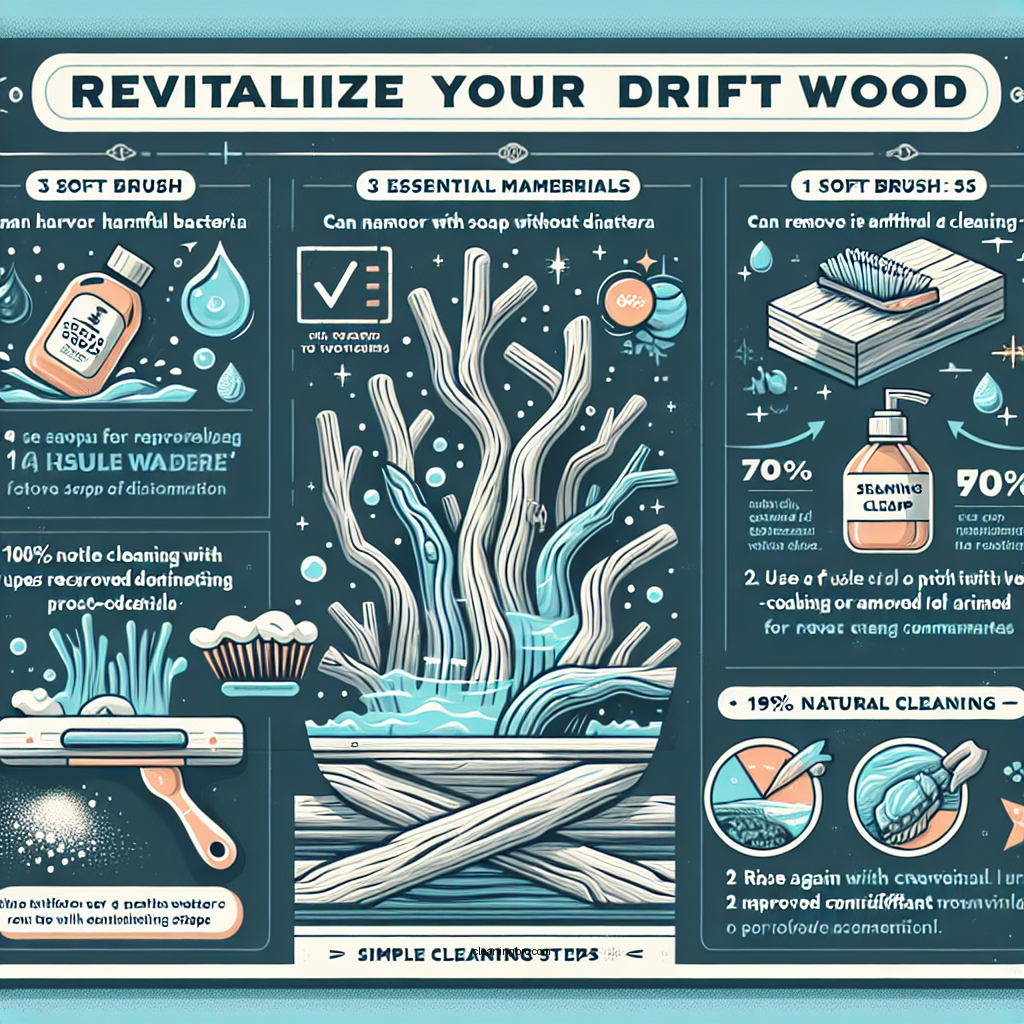
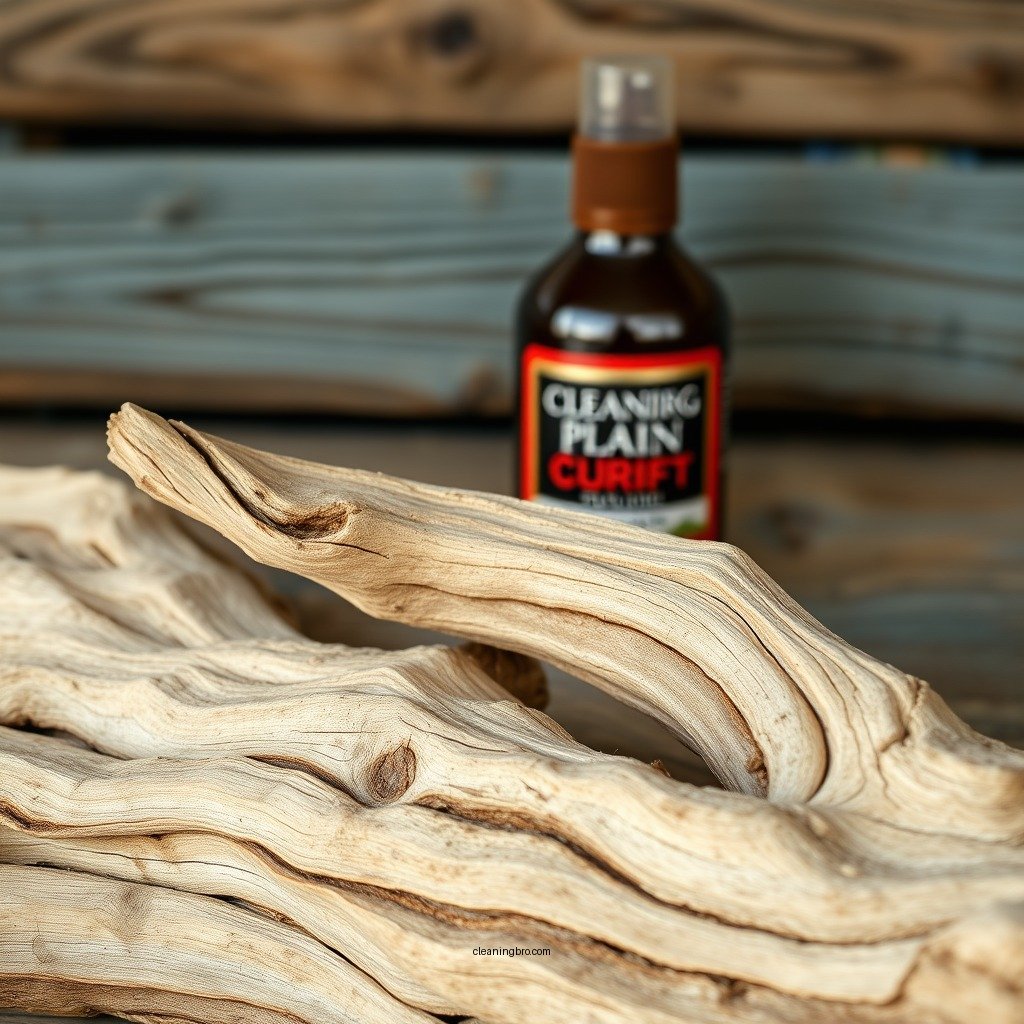
Before you begin the cleaning process, it’s essential to gather the right materials to ensure effective and safe cleaning. Here are the items you will need:
– Soft Brush: A soft-bristled brush helps to remove dirt without damaging the wood’s surface.
– Mild Soap: A gentle soap, such as dish soap, is effective for cleaning without introducing harsh chemicals.
– Water: Freshwater is necessary for rinsing away soap and contaminants.
– Vinegar (Optional): White vinegar is a natural disinfectant that can help eliminate bacteria and pests.
– Sandpaper (Optional): Fine-grit sandpaper can be used to smooth rough areas and enhance the wood’s natural texture.
Having these materials ready will streamline the cleaning process and prepare you for a successful cleaning experience.
Step-by-Step Cleaning Process
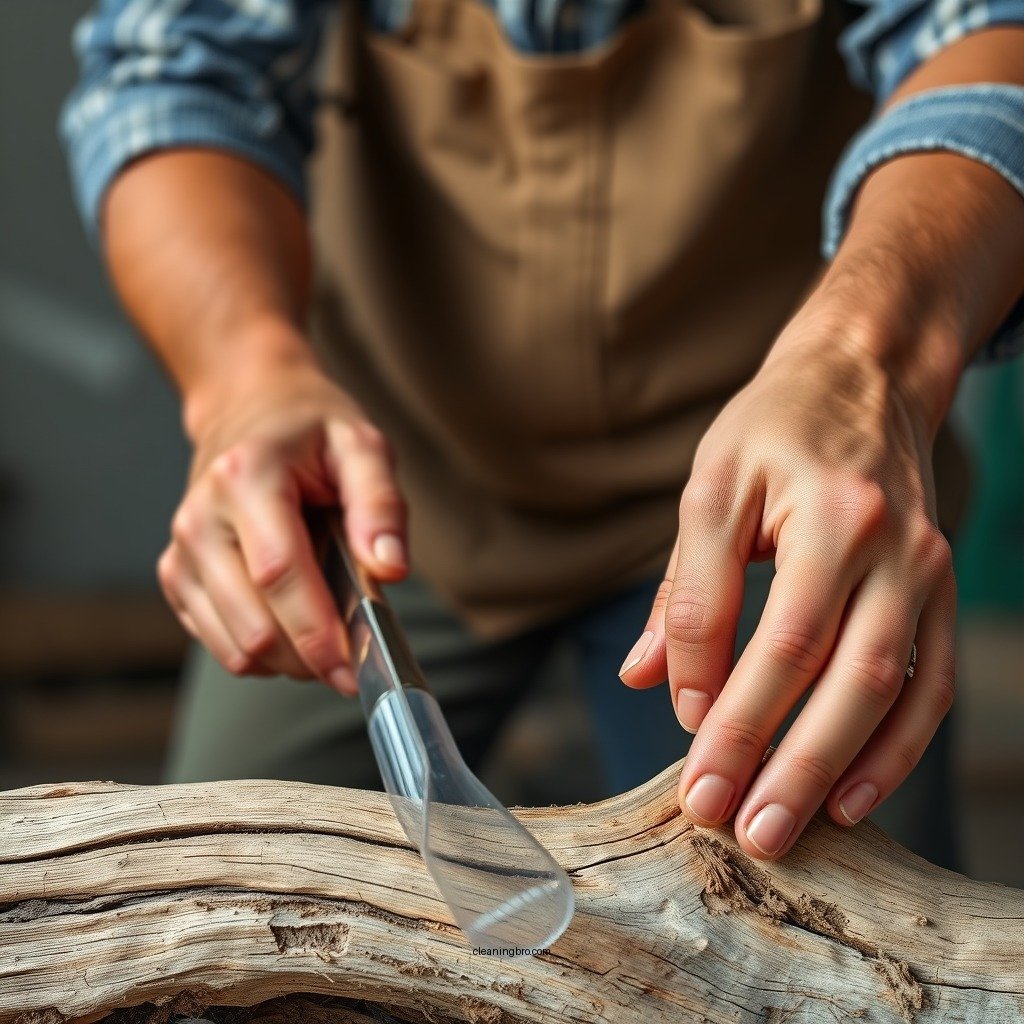
To clean driftwood effectively, follow these straightforward steps:
1. Rinse: Begin by rinsing the driftwood under fresh water. This initial rinse will help remove loose dirt, sand, and debris. Ensure you use a gentle stream of water to avoid damaging the wood.
2. Scrub: Prepare a solution of mild soap and water. Using your soft brush, apply the soapy water to the wood, scrubbing gently to remove any remaining dirt or grime. Pay special attention to crevices where contaminants may reside.
3. Rinse Again: After scrubbing, rinse the driftwood thoroughly under fresh water to wash away any soap residue. It is important that no soap remains on the surface, as it can harm aquatic life if the wood is used in an aquarium.
Top 7 Driftwood Cleaning Tips
| # | Tip | Effectiveness | Time Required |
|---|---|---|---|
| 1 | Rinse Before Cleaning | High | 5 minutes |
| 2 | Use Mild Soap | High | 10 minutes |
| 3 | Scrub with a Brush | Very High | 15 minutes |
| 4 | Vinegar for Disinfection | High | 30 minutes |
| 5 | Thorough Rinsing | Very High | 5 minutes |
| 6 | Dry Completely | High | 2 hours |
| 7 | Use Natural Oils | Medium | 10 minutes |
Disinfecting Driftwood
Disinfection is a critical step in the cleaning process, particularly if the driftwood is intended for aquarium use. To disinfect your driftwood effectively, follow these steps:
1. Prepare a Vinegar Solution: Mix one part white vinegar with one part water in a large container. Vinegar is a natural disinfectant, effective at killing bacteria and removing unwanted pests.
2. Soak the Driftwood: Submerge the cleaned driftwood in the vinegar solution, ensuring it is fully covered. Allow it to soak for at least 30 minutes. For heavily contaminated wood, you might consider soaking it for several hours or even overnight.
3. Rinse Again: Once the soaking time is complete, remove the driftwood from the solution and rinse it thoroughly under fresh water to eliminate any vinegar residue. This step is crucial, as any lingering vinegar can alter water chemistry if the wood is placed in an aquarium.
By following these steps, you can ensure that your driftwood is free from harmful organisms and is safe for use in your home or aquatic environment.
Drying and Preparing Driftwood for Use
After cleaning and disinfecting your driftwood, drying it properly is essential. Here’s how to do it:
1. Air Dry: Place the driftwood in a shaded area with good airflow. Avoid direct sunlight, as it can cause the wood to warp or crack. Allow it to air dry for at least 24 to 48 hours, depending on the size and thickness of the wood.
2. Check for Moisture: Before using the driftwood, ensure it is completely dry to the touch. If any moisture remains, it could lead to mold growth or other issues once the wood is placed in an aquarium.
3. Final Touches: If desired, you can use fine-grit sandpaper to smooth out any rough patches, enhancing the wood’s aesthetic appeal. Be sure to wipe it down afterward to remove any dust created during sanding.
Taking the time to properly dry and prepare your driftwood will ensure it looks its best and functions safely in your chosen setting.
Tips for Maintaining Clean Driftwood
To keep your driftwood looking great and prevent the buildup of algae or dirt, follow these maintenance tips:
1. Regular Inspections: Periodically check your driftwood for any signs of algae growth, discoloration, or pests. Early detection can make maintenance easier.
2. Gentle Cleaning: If you notice any buildup, gently scrub the affected areas with a soft brush and rinse with fresh water. Avoid using harsh chemicals or abrasive tools that could damage the wood.
3. Storage: When not in use, store your driftwood in a dry place to minimize moisture exposure. This helps prevent mold growth and maintains the wood’s integrity.
4. Aquarium Use: If using driftwood in an aquarium, consider using a designated cleaning schedule to remove any algae or waste that accumulates on the wood over time.
By following these maintenance tips, you can enjoy the beauty of your driftwood for years to come while ensuring it remains safe for any application.
In conclusion, cleaning driftwood is a straightforward yet essential process that enhances its aesthetic and functional qualities. By understanding its characteristics, using the right materials, and following the step-by-step guide outlined above, you can ensure your driftwood is safe and beautiful for use in decor or aquariums. Don’t hesitate to try cleaning your own driftwood, and feel free to share your results or any additional tips you may have!
Frequently Asked Questions
How do you clean driftwood before using it in home decor?
To clean driftwood for home decor, start by rinsing it thoroughly with fresh water to remove any sand, dirt, or debris. For deeper cleaning, soak the driftwood in a mixture of water and vinegar or bleach (1 part bleach to 10 parts water) for a few hours, then scrub it gently with a brush. Rinse well and allow it to dry completely before using it in your decor projects.
What is the best way to remove salt from driftwood?
The best way to remove salt from driftwood is to soak it in freshwater for several days, changing the water daily. This process helps to leach out the salt and prevent any potential damage to your plants or home environment. After soaking, rinse the driftwood thoroughly and let it dry in a well-ventilated area.
Why is it important to clean driftwood before using it in aquariums?
Cleaning driftwood before using it in aquariums is crucial to eliminate harmful bacteria, parasites, and salt residues that can harm aquatic life. Additionally, untreated driftwood can leach tannins into the water, affecting pH levels and water clarity. A proper cleaning process ensures a healthy environment for your fish and plants.
Which cleaning products are safe for driftwood?
When cleaning driftwood, safe options include natural solutions like vinegar or hydrogen peroxide, which effectively kill bacteria without leaving harmful residues. If using bleach, ensure it is diluted properly and rinse thoroughly afterward to avoid any chemical harm. Always opt for non-toxic, biodegradable products to maintain the integrity of the wood.
How can you prepare driftwood for outdoor use?
To prepare driftwood for outdoor use, start by cleaning it with a brush and a mixture of water and vinegar to remove dirt and bacteria. After cleaning, you can apply a wood sealant or outdoor-safe finish to protect it from the elements. Ensure the driftwood is completely dry before sealing to prevent mold and decay.
References
- 3 Ways to Clean Driftwood – wikiHow
https://www.wikihow.com/Clean-Driftwood - https://www.britannica.com/science/driftwood
https://www.britannica.com/science/driftwood - https://www.sciencedirect.com/topics/agricultural-and-biological-sciences/driftwood
https://www.sciencedirect.com/topics/agricultural-and-biological-sciences/driftwood - Google Scholar Google Scholar
https://scholar.google.com/scholar?q=cleaning+driftwood - https://pubmed.ncbi.nlm.nih.gov/
https://pubmed.ncbi.nlm.nih.gov/ - https://www.nature.com/articles/s41598-018-27434-0
https://www.nature.com/articles/s41598-018-27434-0 - https://www.cdc.gov/healthywater/drinking/cleaning.html
https://www.cdc.gov/healthywater/drinking/cleaning.html - Google Scholar Google Scholar
https://scholar.google.com/scholar?q=how+to+clean+driftwood - https://www.nytimes.com/2020/01/25/style/home/driftwood-decor.html
https://www.nytimes.com/2020/01/25/style/home/driftwood-decor.html - https://www.abc.net.au/education/life-and-nature/driftwood-collection/12345678
https://www.abc.net.au/education/life-and-nature/driftwood-collection/12345678