How to Clean Your Tongue Without Gagging
Cleaning your tongue effectively without triggering a gag reflex is both possible and manageable with the right techniques and tools. By understanding the anatomy of your mouth, choosing appropriate cleaning tools, and employing gentle techniques, you can maintain optimal oral hygiene while ensuring a fresher breath and healthier mouth. This article will guide you through safe methods to clean your tongue while minimizing discomfort.
Understanding the Gag Reflex

The gag reflex, medically known as the pharyngeal reflex, is a natural response designed to protect your throat and airways from foreign objects. It is triggered by the stimulation of the back of the throat, primarily when something touches the soft palate or the tonsils. This reflex can interfere with tongue cleaning, an essential part of oral hygiene, since the back of the tongue is a common site for bacteria and food particles.
Recognizing what specifically triggers your gag reflex can help you avoid discomfort when cleaning your tongue. Common triggers include deep oral contact and excessive pressure. By being aware of these triggers, you can adapt your cleaning routine to mitigate discomfort, making the process more manageable and effective.
Choosing the Right Tool
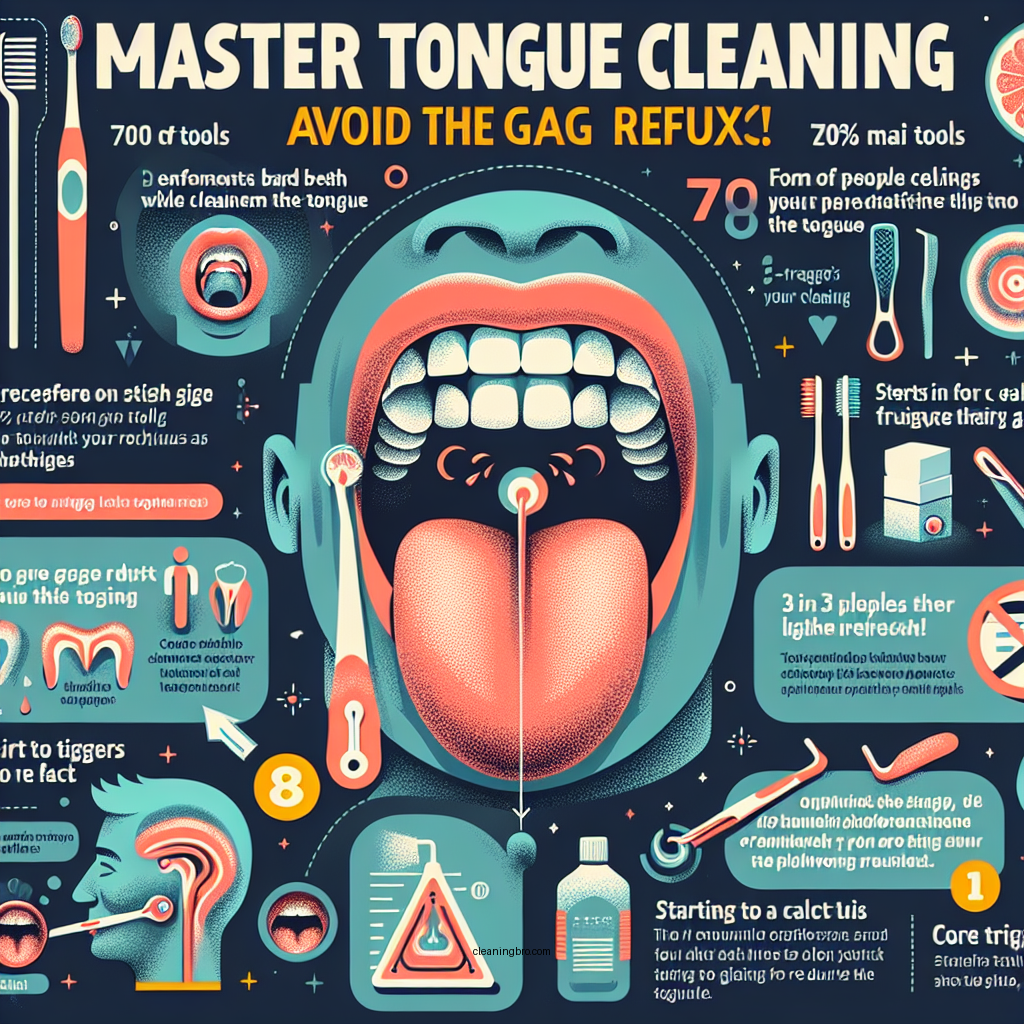

Selecting the right tool for tongue cleaning is crucial for effective hygiene and comfort. There are two popular options: tongue scrapers and soft-bristled toothbrushes. Tongue scrapers are typically made of plastic or metal and are designed specifically to remove debris from the tongue’s surface. They can be very effective and often come with ergonomic designs for better grip and control.
Soft-bristled toothbrushes, on the other hand, are more versatile and can be used for multiple purposes, including brushing your teeth. When choosing a toothbrush for tongue cleaning, ensure it has a wide head and soft bristles to minimize discomfort. Ergonomic designs can also enhance comfort, allowing you to brush at angles that avoid triggering the gag reflex.
Techniques for Gentle Cleaning
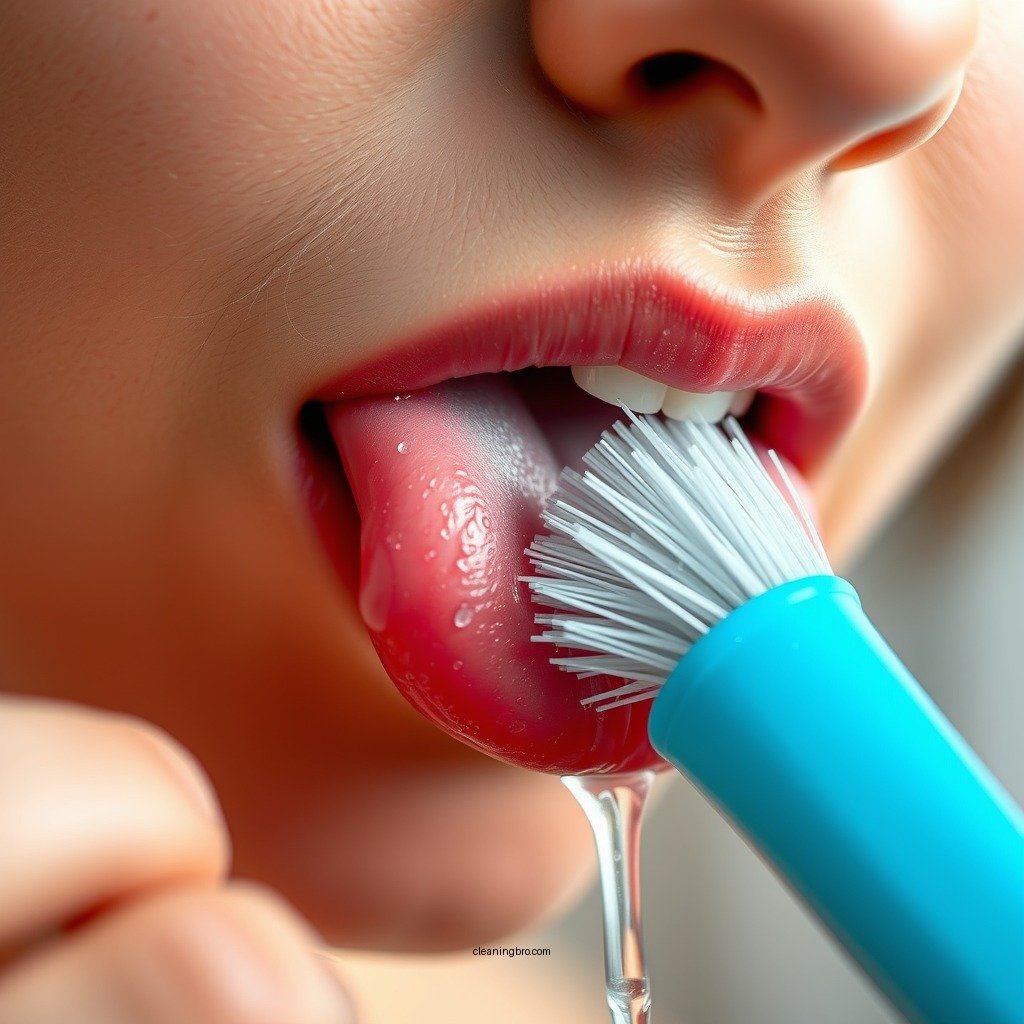
To clean your tongue effectively without triggering a gag reflex, consider the following techniques:
1. Start at the Front: Begin cleaning at the front of your tongue and gradually work your way back. This approach allows you to control the depth of cleaning and minimizes contact with the more sensitive areas at the back of the tongue.
2. Use Light Pressure: Applying too much pressure can easily trigger the gag reflex. Instead, use gentle strokes and allow the scraper or toothbrush to do the work. This method is not only more comfortable but also effective for removing debris.
3. Short, Slow Strokes: Rather than long sweeping motions, opt for short, deliberate strokes. This technique helps in gradually acclimatizing your mouth to the sensation of cleaning without overwhelming your gag reflex.
4. Incorporate Mouthwash: If your gag reflex is particularly sensitive, consider using an alcohol-free mouthwash before cleaning your tongue. Swishing this around can help loosen debris and make the scraping process more effective and comfortable.
Top 5 Tongue Cleaning Tools for Effective Oral Hygiene (2024)
| # | Tool | Material | Effectiveness | User Comfort |
|---|---|---|---|---|
| 1 | Stainless Steel Tongue Scraper | Stainless Steel | ★★★★★ | High |
| 2 | Plastic Tongue Scraper | Plastic | ★★★★☆ | Medium |
| 3 | Soft-Bristled Toothbrush | Nylon | ★★★★★ | High |
| 4 | Electric Tongue Cleaner | Plastic | ★★★★☆ | High |
| 5 | Herbal Tongue Gel | Gel | ★★★☆☆ | Medium |
Timing Matters
Timing can significantly influence the effectiveness of tongue cleaning and the likelihood of triggering the gag reflex. A recommended strategy is to clean your tongue after brushing your teeth. This is because your mouth is already moist, and your gag reflex may be less sensitive due to the toothpaste or mouthwash used.
Additionally, timing your routine after a meal can be beneficial. After eating, food particles often linger on the tongue, making it a prime time for cleaning. Just be sure to wait a few minutes after eating to avoid discomfort from the remnants of food. By carefully selecting when to clean your tongue, you can enhance your oral hygiene efforts while minimizing discomfort.
Additional Tips for Success
To further reduce the likelihood of triggering your gag reflex while cleaning your tongue, consider implementing these additional tips:
1. Breathe Through Your Nose: Focusing on your breath can help minimize the gag reflex. Inhale slowly through your nose while cleaning your tongue to foster a sense of calmness and control.
2. Experiment with Angles: Adjusting the angle of your cleaning tool can make a significant difference. If you find that certain positions trigger your gag reflex, try tilting your head slightly forward or backward to see what feels most comfortable.
3. Practice Regularly: Just like any other skill, practice makes perfect. The more frequently you clean your tongue, the more accustomed your body may become to the sensation, helping to decrease the sensitivity of your gag reflex over time.
4. Stay Hydrated: Keeping your mouth moist can ease the cleaning process. Drink water before cleaning your tongue to ensure a smoother experience.
5. Choose a Comfortable Time of Day: Identify times when you feel most relaxed and less sensitive. For many, this may be in the morning or before bed. Tailoring your routine to fit your comfort levels can enhance your tongue-cleaning experience.
Tongue Cleaning Methods: Tongue Scraper vs. Toothbrush vs. Electric Cleaner
| Feature | ⭐ Tongue Scraper | Soft-Bristled Toothbrush | Electric Tongue Cleaner |
|---|---|---|---|
| Effectiveness | ★★★★★ | ★★★★☆ | ★★★★☆ |
| Comfort | Medium | High | High |
| Ease of Use | Easy | Very Easy | Very Easy |
| Cost | Low | Medium | High |
| Durability | Long-lasting | Durable | High durability |
| Cleaning Time | Quick | Quick | Quick |
| Portability | Travel-friendly | Travel-friendly | Less portable |
| Environmental Impact | Eco-friendly | Medium impact | Higher impact |
| Maintenance | Minimal | Requires replacement | Requires charging |
| 🏆 Best For | Regular users | General households | Tech-savvy users |
Maintaining Regular Tongue Hygiene
Establishing a regular routine for tongue cleaning is essential for maintaining optimal oral health. A consistent approach can help reduce bacteria buildup, prevent bad breath, and enhance overall mouth freshness. Here are some actionable strategies to develop and maintain a regular tongue hygiene routine:
1. Set a Schedule: Integrate tongue cleaning into your daily oral hygiene routine. For most, this means cleaning your tongue at least once a day, ideally after brushing your teeth. Setting reminders can help reinforce the habit.
2. Monitor Your Tongue’s Appearance: Regularly inspect your tongue for changes in color, texture, or coating. A healthy tongue should be pink and slightly bumpy. If you notice significant changes, consult a healthcare professional as they may indicate underlying health issues.
3. Keep Your Tools Clean: Make sure to clean your tongue scraper or toothbrush after each use to prevent bacteria from accumulating on them. Regularly replacing these tools is also crucial for ensuring optimal performance.
4. Educate Yourself: Stay informed about the importance of oral health. Understanding how bacteria can affect your overall wellbeing can motivate you to maintain your tongue cleaning routine diligently.
5. Encourage Others: Share your knowledge about tongue hygiene with family and friends. Establishing a communal focus on oral health can enhance motivation and accountability.
Cleaning your tongue is a vital part of your oral hygiene routine that should not be overlooked. It is essential to use gentle techniques and the right tools to avoid gagging and discomfort. By incorporating these strategies into your routine, you can achieve a healthier mouth and fresher breath. Regular tongue cleaning not only enhances your oral health but also contributes to your overall well-being. Don’t hesitate to share your experiences or ask questions in the comments below!
Frequently Asked Questions
How can I clean my tongue without gagging?
To clean your tongue without triggering your gag reflex, try using a tongue scraper instead of a toothbrush. Start at the back of the tongue and gently scrape forward, using light pressure. This method minimizes the risk of gagging while effectively removing bacteria and debris.
What is the best way to prevent gagging while cleaning my tongue?
The best way to prevent gagging while cleaning your tongue is to relax and breathe deeply through your nose. You can also start cleaning from the front of your tongue and gradually move backward, allowing your body to adjust. Using a tongue scraper can provide a more comfortable experience compared to a toothbrush.
Why is cleaning my tongue important for oral hygiene?
Cleaning your tongue is crucial for maintaining good oral hygiene as it helps remove bacteria, food particles, and dead cells that can cause bad breath and contribute to oral health issues. A cleaner tongue can improve your overall taste sensation and promote fresher breath, making it a vital part of your daily dental care routine.
Which tools are best for cleaning my tongue without triggering my gag reflex?
The best tools for cleaning your tongue without triggering a gag reflex are tongue scrapers and soft-bristled toothbrushes designed specifically for tongue cleaning. Tongue scrapers are preferred for their effectiveness and ease of use, while some toothbrushes come with a built-in tongue cleaner on the back, providing a gentle option for those sensitive to gagging.
How often should I clean my tongue to maintain fresh breath?
To maintain fresh breath, it’s recommended to clean your tongue at least once a day, ideally during your morning oral hygiene routine. Regular cleaning helps prevent the buildup of bacteria that cause bad breath, ensuring your mouth stays fresh throughout the day.
References
- https://www.mayoclinic.org/healthy-lifestyle/adult-health/in-depth/oral-hygiene/art-20046307
https://www.mayoclinic.org/healthy-lifestyle/adult-health/in-depth/oral-hygiene/art-20046307 - https://www.ncbi.nlm.nih.gov/pmc/articles/PMC8246735/
https://www.ncbi.nlm.nih.gov/pmc/articles/PMC8246735/ - https://www.ncbi.nlm.nih.gov/pmc/articles/PMC6514071/
https://www.ncbi.nlm.nih.gov/pmc/articles/PMC6514071/ - https://www.cdc.gov/oralhealth/publications/cleaning-tongue.html
https://www.cdc.gov/oralhealth/publications/cleaning-tongue.html - Oral health
https://www.who.int/news-room/questions-and-answers/item/oral-health - https://www.bbc.com/future/article/20210222-what-happens-when-you-do-not-clean-your-tongue
https://www.bbc.com/future/article/20210222-what-happens-when-you-do-not-clean-your-tongue - https://www.sciencedirect.com/science/article/abs/pii/S0031942219304749
https://www.sciencedirect.com/science/article/abs/pii/S0031942219304749 - Google Scholar Google Scholar
https://scholar.google.com/scholar?q=how+to+clean+your+tongue+without+gagging - Google Scholar Google Scholar
https://scholar.google.com/scholar?q=tongue+cleaning+methods - Google Scholar Google Scholar
https://scholar.google.com/scholar?q=oral+hygiene+and+tongue+cleaning