How Often Should You Clean a Guinea Pig Cage?
Keeping your guinea pig’s cage clean is essential for their health and happiness. Ideally, you should clean the cage thoroughly at least once a week, while spot cleaning should be done daily. This article will guide you through the best practices for maintaining a clean environment for your furry friend.
A clean cage is not just about aesthetics; it plays a pivotal role in your guinea pig’s overall well-being. Poor hygiene can lead to health problems, including respiratory issues and skin infections. Additionally, a clean cage minimizes odors, creating a more pleasant living environment for both you and your pet. By establishing a regular cleaning routine, you can ensure that your guinea pig remains healthy and happy.
The Importance of a Clean Cage
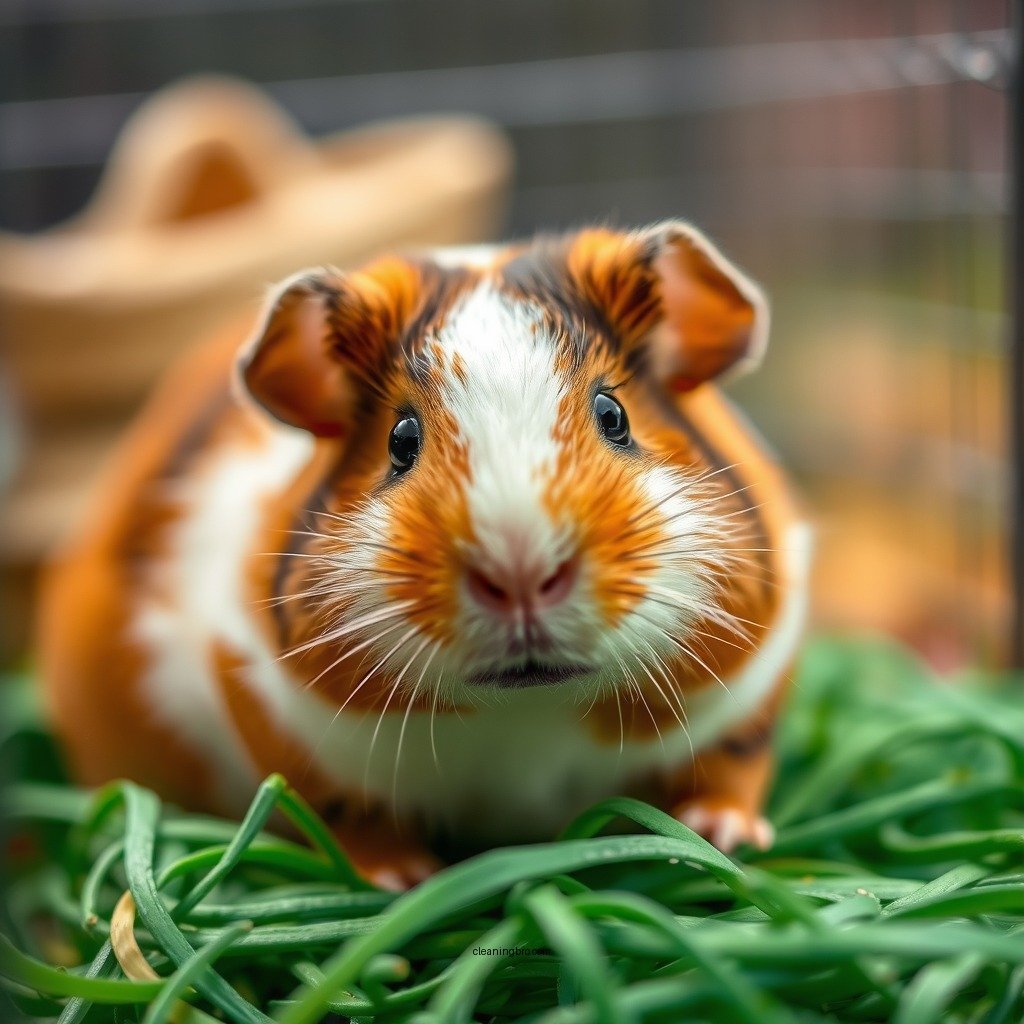
Maintaining a clean cage for your guinea pig is crucial for several reasons. Firstly, a clean cage prevents the buildup of harmful bacteria and odors that can arise from waste and uneaten food. These bacteria can lead to serious health issues, including urinary tract infections and gastrointestinal problems. Secondly, regular cleaning keeps your guinea pig healthy and reduces the risk of illness by minimizing exposure to harmful pathogens. A clean environment also promotes a happier and more comfortable living space, which is essential for your guinea pig’s mental well-being.
Daily Cleaning Tasks
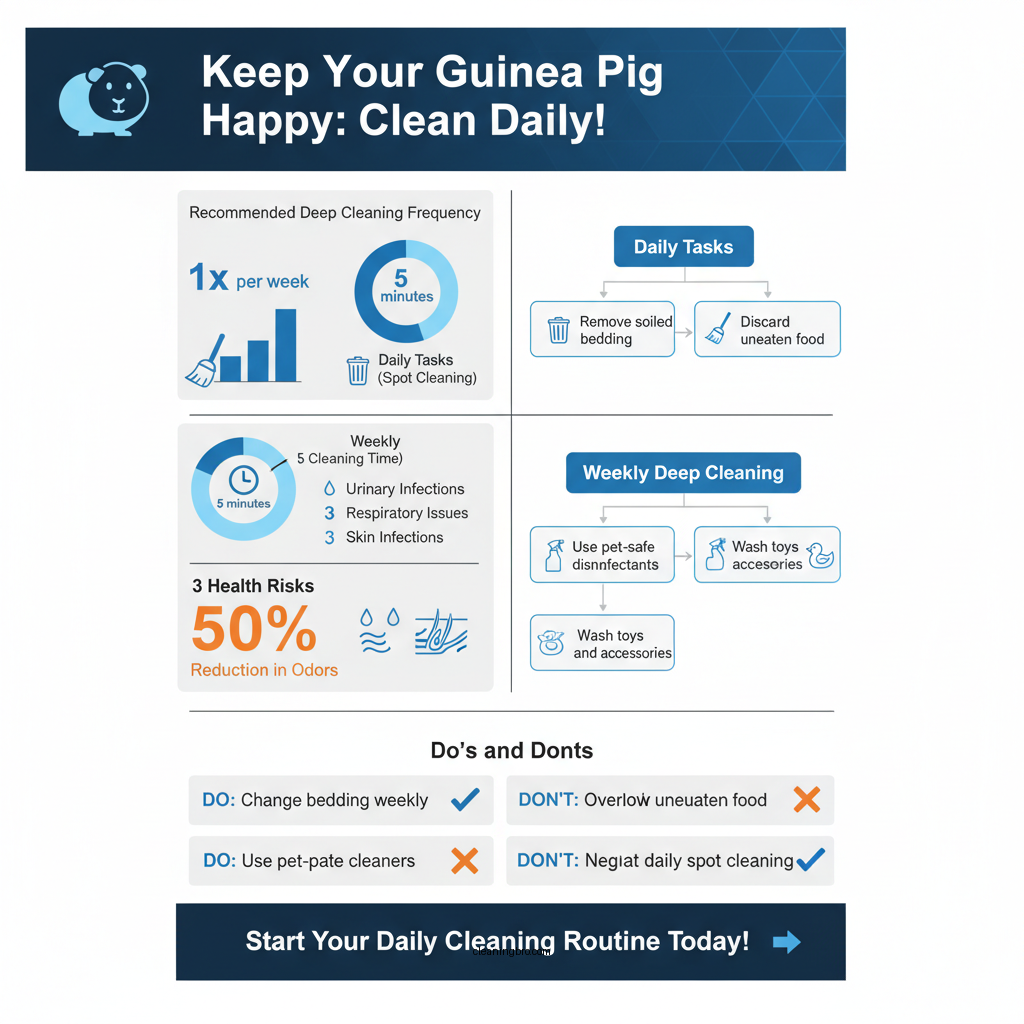
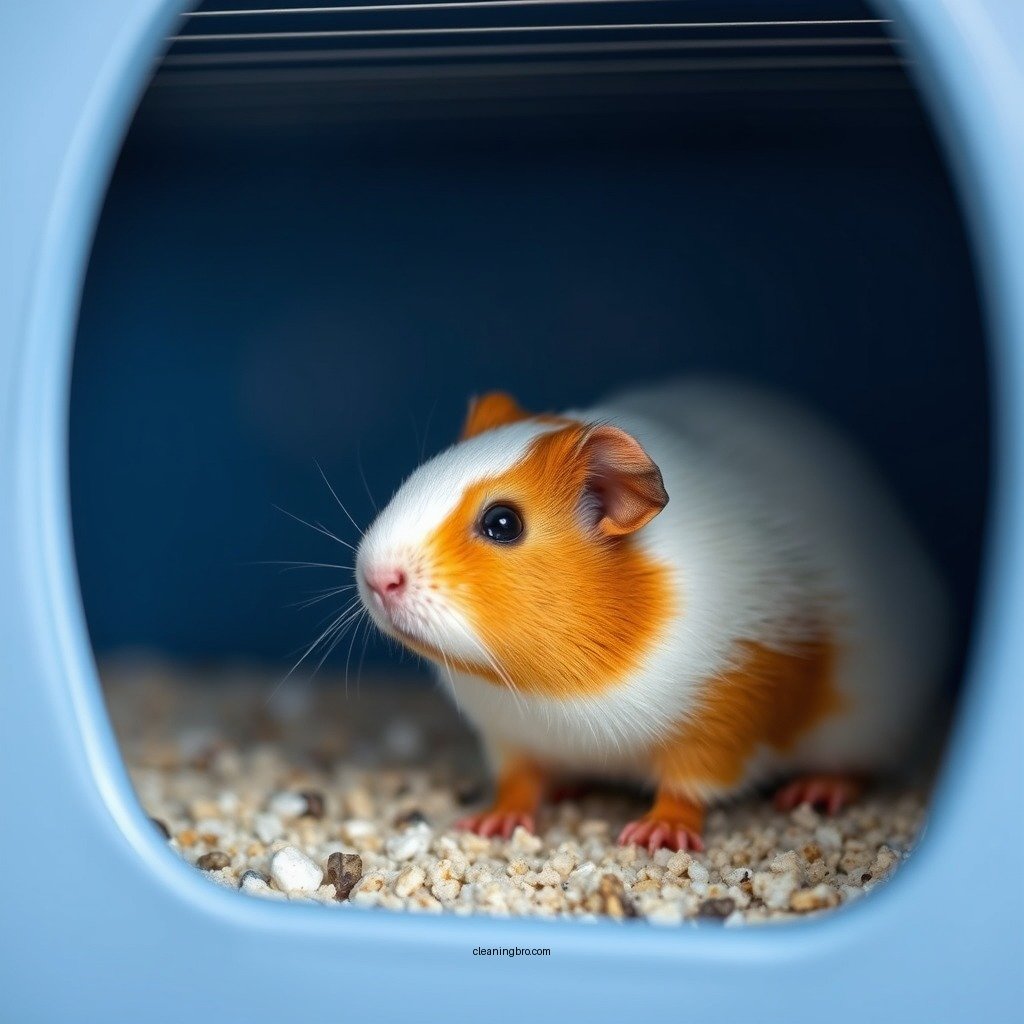
To ensure your guinea pig remains in optimum health, daily cleaning tasks should be a part of your routine. Here are some essential daily cleaning tasks:
– Remove soiled bedding and uneaten food: Begin each day by checking for any wet or soiled bedding and promptly replacing it. Uneaten food should also be discarded to prevent spoilage and the attraction of pests.
– Check for wet spots and droppings: Regularly inspect the cage for any wet spots, which can lead to dampness and mold. Clean up droppings immediately to maintain hygiene and prevent odors.
By dedicating just a few minutes each day to these tasks, you can maintain a healthier environment for your guinea pig.
Weekly Deep Cleaning Routine
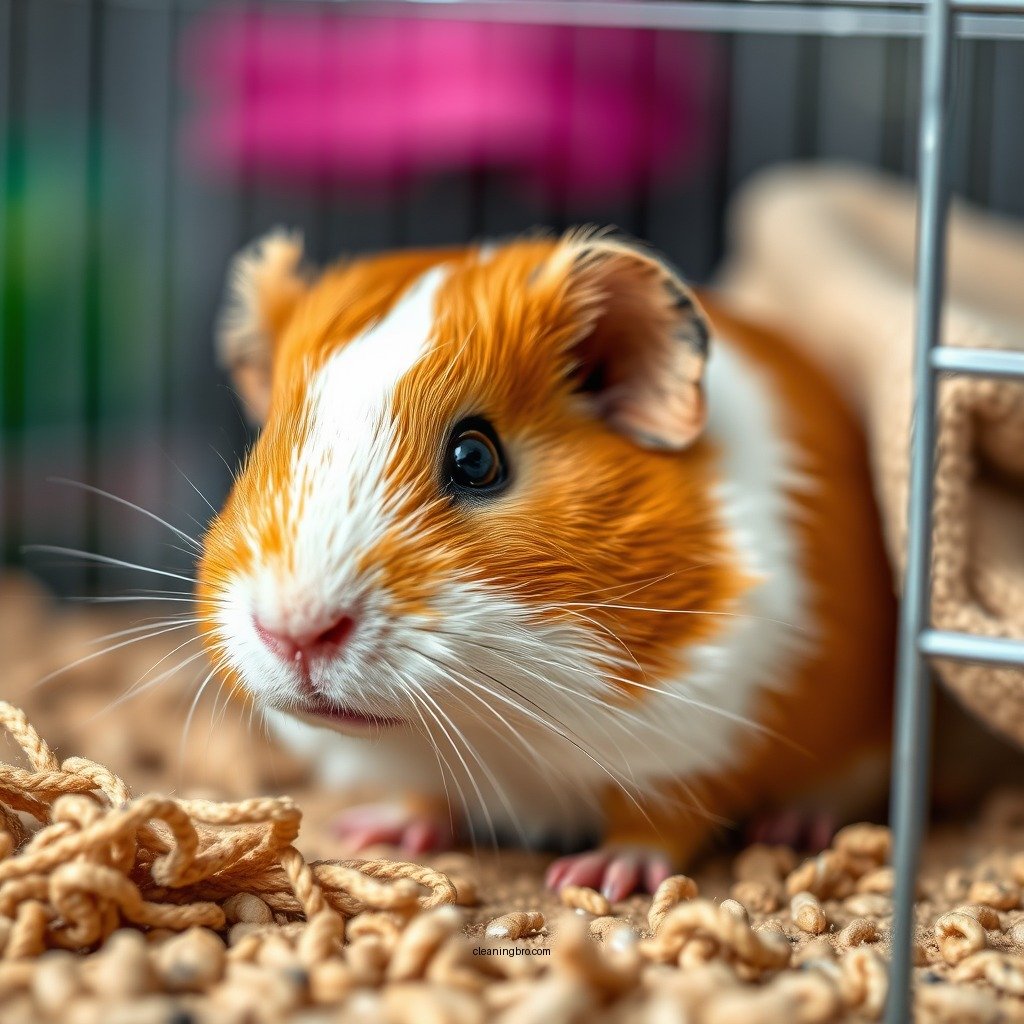
While daily tasks help keep your guinea pig’s cage tidy, a thorough deep cleaning should be conducted at least once a week. Here’s a recommended routine:
– Change the bedding completely: Remove all old bedding and replace it with fresh, clean bedding. This is crucial for absorbing moisture and controlling odors.
– Clean the cage with pet-safe disinfectants: Use a pet-safe disinfectant to clean the cage, including all surfaces, corners, and any accessories. Ensure to rinse thoroughly to remove any residue that could harm your guinea pig.
– Wash toys and accessories: All toys and accessories should be cleaned weekly to eliminate germs and bacteria. Use warm soapy water for this process, ensuring they are completely dry before placing them back in the cage.
– Inspect the cage for wear and tear: Use this time to check for any damage in the cage and make necessary repairs to ensure your pet’s safety.
Top Guinea Pig Bedding Types Ranked by Absorbency (2024)
| # | Bedding Type | Absorbency (ml) | Odor Control | Dust Level |
|---|---|---|---|---|
| 1 | Paper Bedding | 500 | Excellent | Low |
| 2 | Aspen Shavings | 400 | Good | Low |
| 3 | Hemp Bedding | 450 | Very Good | Low |
| 4 | Coconut Coir | 350 | Good | Medium |
| 5 | Wood Pellets | 300 | Fair | High |
| 6 | Corn Cob | 250 | Poor | High |
| 7 | Straw | 200 | Poor | High |
Signs Your Cage Needs More Frequent Cleaning
While weekly deep cleaning is adequate for many situations, certain signs may indicate that your guinea pig’s cage requires more frequent attention. Look out for the following:
– Noticeable odors: If you detect persistent odors even after daily cleaning, it’s a clear sign that more thorough cleaning is necessary.
– Increased signs of stress or illness: Monitor your guinea pig for signs such as unusual lethargy, loss of appetite, or changes in behavior. These could indicate that the environment is not conducive to their well-being.
By regularly observing your guinea pig and their habitat, you can better determine when additional cleaning is necessary.
The Right Cleaning Supplies
Using the appropriate cleaning supplies is vital to maintaining a safe and healthy cage for your guinea pig. Here are some recommendations:
– Pet-safe cleaners: Ensure you use non-toxic cleaners specifically designed for small animals. These will effectively eliminate germs while being safe for your pet.
– High-quality bedding: Invest in bedding that absorbs moisture and controls odor effectively. Options like paper bedding and hemp bedding are popular due to their absorbency and low dust levels.
– Cleaning tools: Utilize a handheld vacuum or a small broom and dustpan for quick cleaning. A sponge and soft cloth will also help in cleaning surfaces without scratching.
Tips for Efficient Cleaning
To make your cleaning routine more efficient, consider the following tips:
– Create a cleaning schedule: Establish a regular cleaning routine that fits your lifestyle. Consistency will help you stay on top of daily and weekly tasks.
– Organize cleaning supplies: Use storage bins to keep all your cleaning supplies in one place, ensuring easy access when needed. This will save time and streamline the cleaning process.
– Involve family members: If possible, get family members involved in the cleaning routine. This not only eases the burden but also teaches responsibility and care for pets.
Additional Care for Your Guinea Pig
Beyond maintaining a clean cage, there are other essential aspects of guinea pig care to consider:
– Regular health checks: Make it a habit to regularly examine your guinea pig for signs of discomfort or health issues, such as changes in fur, skin, or behavior.
– Provide fresh hay and water daily: Ensure that your guinea pig has access to fresh hay and clean water every day. This is crucial for their digestive health and overall well-being.
– Social interaction: Guinea pigs are social creatures and benefit from interaction. Spend time with them outside their cage for exercise and companionship.
Maintaining a clean guinea pig cage is vital for their well-being. Regular daily and weekly cleaning routines will ensure a safe, healthy environment for your pet. Start implementing these tips today to keep your guinea pig happy and thriving!
Frequently Asked Questions
How often should I clean my guinea pig’s cage?
You should clean your guinea pig’s cage at least once a week to maintain a healthy environment. This includes removing soiled bedding, uneaten food, and waste. Additionally, a deep clean every month is recommended, where you thoroughly wash the cage with pet-safe cleaners to eliminate bacteria and odors.
What is the best method for cleaning a guinea pig cage?
The best method for cleaning a guinea pig cage involves removing your pet and all accessories first. Then, discard old bedding and waste, scrub the cage with warm, soapy water or a vinegar solution, rinse well, and dry completely before adding fresh bedding and returning your guinea pig.
Why is regular cleaning important for guinea pig cages?
Regular cleaning of guinea pig cages is crucial for preventing the buildup of harmful bacteria and odors that can affect your pet’s health. A clean environment reduces the risk of respiratory issues and infections, ensuring your guinea pig remains happy and healthy.
How can I tell if my guinea pig’s cage needs cleaning?
You can tell if your guinea pig’s cage needs cleaning by checking for visible waste, a strong odor, or dirty bedding. If you notice any of these signs, it’s a good indication that it’s time to clean the cage to keep your pet’s living space fresh and sanitary.
Which bedding is best for reducing odor in a guinea pig cage?
The best bedding for reducing odor in a guinea pig cage includes aspen shavings, paper-based bedding, or fleece liners. These options are absorbent and help control moisture, which in turn minimizes odors and creates a more comfortable environment for your guinea pig.
References
- How to Clean a Guinea Pig Cage: A Complete Guide
https://www.wikiHow.com/Clean-a-Guinea-Pig-Cage - https://www.cdc.gov/healthypets/pets/guinea-pigs.html
https://www.cdc.gov/healthypets/pets/guinea-pigs.html - https://www.ncbi.nlm.nih.gov/pmc/articles/PMC6012586/
https://www.ncbi.nlm.nih.gov/pmc/articles/PMC6012586/ - Page Not Found – Site Help – Mayo Clinic
https://www.mayoclinic.org/diseases-conditions/guinea-pig-care/symptoms-causes/syc-20365268 - https://www.theguardian.com/lifeandstyle/2020/jan/02/how-to-care-for-your-guinea-pig
https://www.theguardian.com/lifeandstyle/2020/jan/02/how-to-care-for-your-guinea-pig - Google Scholar Google Scholar
https://scholar.google.com/scholar?q=cleaning+guinea+pig+cage+frequency - Google Scholar Google Scholar
https://scholar.google.com/scholar?q=guinea+pig+cage+cleaning+guidelines - Google Scholar Google Scholar
https://scholar.google.com/scholar?q=care+for+guinea+pigs+cleaning+habits - Google Scholar Google Scholar
https://scholar.google.com/scholar?q=how+often+to+clean+guinea+pig+cage - how often to clean guinea pig cage – Search results
https://en.wikipedia.org/wiki/Special:Search?search=how+often+to+clean+guinea+pig+cage