How to Clean a Boat Hull: A Step-by-Step Guide
Cleaning a boat hull is essential for maintaining performance and preventing damage. By following a systematic approach, you can effectively clean your boat hull and prolong its lifespan. This guide will walk you through the necessary steps, from gathering cleaning supplies to applying protective coatings, ensuring that your hull remains spotless and protected from the elements.
Gather Your Cleaning Supplies
To begin your boat hull cleaning process, it’s crucial to have the right supplies on hand. A well-prepared toolkit can make the cleaning process more efficient and effective.
– Biodegradable Soap: Choose a soap specifically designed for marine use. These products are formulated to break down without harming aquatic life. Popular brands include Star brite and Boat Bling, both known for their eco-friendly formulations.
– Soft-Bristle Brush: A soft-bristle brush is vital for scrubbing the hull without scratching the surface. Look for brushes that are designed for marine applications to ensure they withstand saltwater exposure.
– Sponge: A high-quality sponge will help you apply soap and clean delicate areas effectively.
– Pressure Washer: If available, a pressure washer can significantly speed up the cleaning process by removing stubborn grime and algae growth more effectively than a hose. Ensure the pressure settings are appropriate for your hull type to prevent damage.
Prepare the Boat for Cleaning
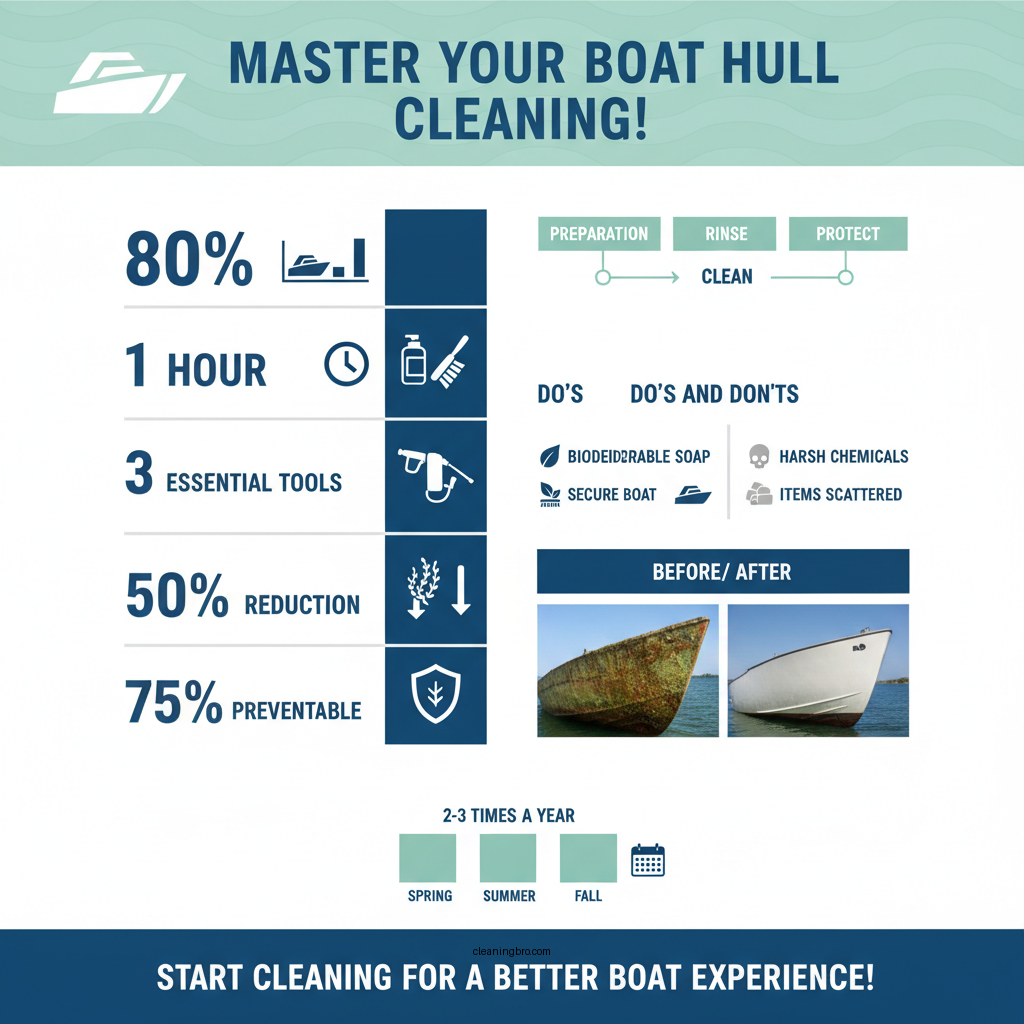
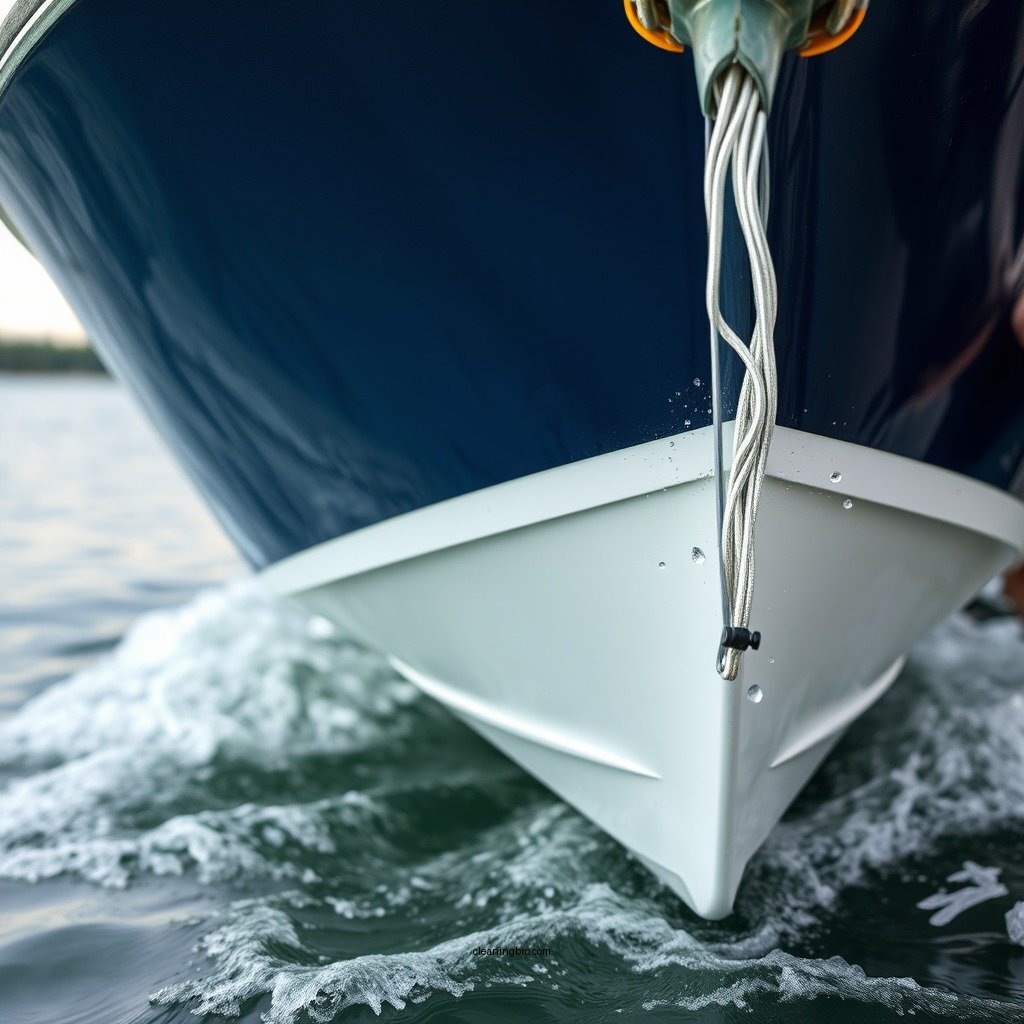
Preparation is key to an efficient cleaning process. Ensuring your boat is secure and ready for cleaning will help prevent accidents and make the task easier.
– Secured Location: Make sure your boat is docked securely or placed on a trailer in a safe area. If possible, choose a location with easy access to a water source for rinsing.
– Remove Loose Items: Clear the deck and hull of any loose items, such as gear, cushions, or fishing equipment. This step not only facilitates easier cleaning but also prevents items from becoming damaged or lost during the process.
Rinse the Hull Thoroughly

Before applying any cleaning solution, thoroughly rinsing the hull is crucial to remove loose dirt and debris.
– Hose or Pressure Washer: Use a hose or pressure washer to rinse the entire hull. Start from the top and work your way down to avoid streaking. Pay special attention to areas where dirt tends to accumulate, such as around the waterline.
– Technique: For best results, use a sweeping motion with the hose or pressure washer to ensure even coverage. This initial rinse will reduce the amount of soap needed in the next step.
Apply Cleaning Solution
After rinsing, it’s time to apply your cleaning solution.
– Mixing the Soap: Follow the manufacturer’s instructions for mixing the biodegradable soap with water. Typically, a diluted solution is sufficient for most cleaning tasks.
– Applying the Solution: Use the soft-bristle brush to apply the cleaning solution to the hull. Focus on areas with visible stains or growth, such as algae or barnacles. Work in sections to ensure thorough coverage.
Scrub and Rinse
This is the most labor-intensive part of the cleaning process but is essential for achieving a sparkling hull.
– Gentle Scrubbing: Using the soft-bristle brush, scrub the hull gently but firmly. Pay extra attention to spots where barnacles or algae have attached themselves. For tough spots, a little extra elbow grease may be required.
– Thorough Rinse: After scrubbing, rinse the hull thoroughly with clean water to remove all soap residue. Any soap left on the hull can cause streaks and attract dirt, undermining your cleaning efforts.
Top 7 Marine Cleaning Products for Boat Hulls (2023)
| # | Product | Type | Size | Price |
|---|---|---|---|---|
| 1 | Star brite Heavy Duty Cleaner | Liquid | 32 oz | $19.99 |
| 2 | Boat Bling Hot Sauce | Liquid | 32 oz | $24.99 |
| 3 | 3M Marine Cleaner | Aerosol | 20 oz | $15.99 |
| 4 | Star brite Hull Cleaner | Liquid | 32 oz | $22.99 |
| 5 | CRC Marine Cleaner | Liquid | 32 oz | $18.99 |
| 6 | Meguiar’s Marine Cleaner | Liquid | 32 oz | $21.99 |
| 7 | Yachticon Hull Cleaner | Liquid | 1 L | $29.99 |
Inspect and Apply Protective Coating
Once cleaning is complete, take a moment to inspect the hull for any signs of damage or wear.
– Inspection: Look for scratches, chips, or any signs of blistering. Addressing these issues promptly can prevent more extensive damage in the future.
– Protective Coating: After cleaning and inspecting, consider applying a wax or protective coating. Products like 3M Marine Wax or Collinite No. 925 can enhance the shine of the hull while providing a barrier against UV rays and contaminants. Regular application of a protective coating will also simplify future cleaning efforts.
Regular Maintenance Tips
Maintaining a clean hull involves more than just occasional scrubbing. Implementing a regular maintenance routine is essential.
– Schedule Regular Cleanings: The frequency of cleanings will depend on water conditions and how often you use your boat. For boats used in saltwater, monthly cleanings are advisable, while freshwater boats may require less frequent attention.
– Use Marine-Grade Anti-Fouling Paint: Consider applying a quality anti-fouling paint to the bottom of your boat. These paints contain biocides that help prevent the growth of barnacles and algae, reducing the amount of cleaning required.
– Routine Inspections: Regularly inspect the hull for any signs of growth or damage. Catching issues early can save you time and money in the long run.
Keeping your boat hull clean not only enhances its appearance but also improves performance and longevity. By following these steps, you can ensure that your boat remains in top condition, ready for your next adventure on the water. Make cleaning a routine part of your boat maintenance to enjoy smooth sailing! Regular cleaning and maintenance will enhance the overall experience of owning a boat, allowing you to focus on what truly matters: enjoying the journey.
Frequently Asked Questions
What are the best products to use for cleaning a boat hull?
The best products for cleaning a boat hull include marine-grade cleaners specifically designed to tackle algae, barnacles, and other stubborn buildups. Look for biodegradable options that are safe for the environment, such as vinegar-based cleaners or specialized boat hull cleaners like Star brite or 3M Marine. Always follow the manufacturer’s instructions for optimal results.
How often should I clean my boat hull?
You should clean your boat hull at least once a month, especially if it’s frequently in the water. For boats that stay in the water longer, a bi-weekly cleaning may be necessary to prevent algae and barnacle growth. Regular maintenance not only keeps your hull looking great but also enhances performance and fuel efficiency.
Why is it important to clean a boat hull regularly?
Regularly cleaning a boat hull is crucial because buildup of dirt, algae, and barnacles can lead to reduced speed and increased fuel consumption. Additionally, neglecting hull maintenance can cause long-term damage, such as gel coat deterioration and corrosion. Keeping the hull clean ensures a longer lifespan for your boat and a better overall boating experience.
What is the best method for removing stubborn stains from a boat hull?
The best method for removing stubborn stains from a boat hull is to use a combination of a soft scrub brush and a specialized marine cleaner designed for tough stains. For particularly difficult marks, consider using a melamine foam pad (magic eraser) with a bit of water. Always test any cleaning solution on a small, inconspicuous area first to ensure it does not damage the hull.
Which tools do I need to effectively clean my boat hull?
To effectively clean your boat hull, you will need a soft-bristle brush, a bucket, a sponge, and a high-pressure water hose or a power washer. Additionally, consider having a marine cleaner, a scraper for barnacles, and protective gloves to keep your hands safe from harsh chemicals. Having the right tools will make the cleaning process more efficient and thorough.
References
- Hull (watercraft)
https://en.wikipedia.org/wiki/Boat_hull - TCRP Annual Report of Progress 2015 | The National Academies Press
https://www.nap.edu/catalog/22088/cleaning-up-the-hull-the-need-for-a-new-approach-to-boat-maintenance - https://www.sciencedirect.com/science/article/abs/pii/S092753651400173X
https://www.sciencedirect.com/science/article/abs/pii/S092753651400173X - Google Scholar Google Scholar
https://scholar.google.com/scholar?q=how+to+clean+a+boat+hull - https://www.britannica.com/technology/hull
https://www.britannica.com/technology/hull - Google Scholar Google Scholar
https://scholar.google.com/scholar?q=boat+hull+maintenance - how to clean a boat hull – Search results
https://en.wikipedia.org/wiki/Special:Search?search=how+to+clean+a+boat+hull - https://www.ncbi.nlm.nih.gov/search/research-articles/?term=how+to+clean+a+boat+hull
https://www.ncbi.nlm.nih.gov/search/research-articles/?term=how+to+clean+a+boat+hull