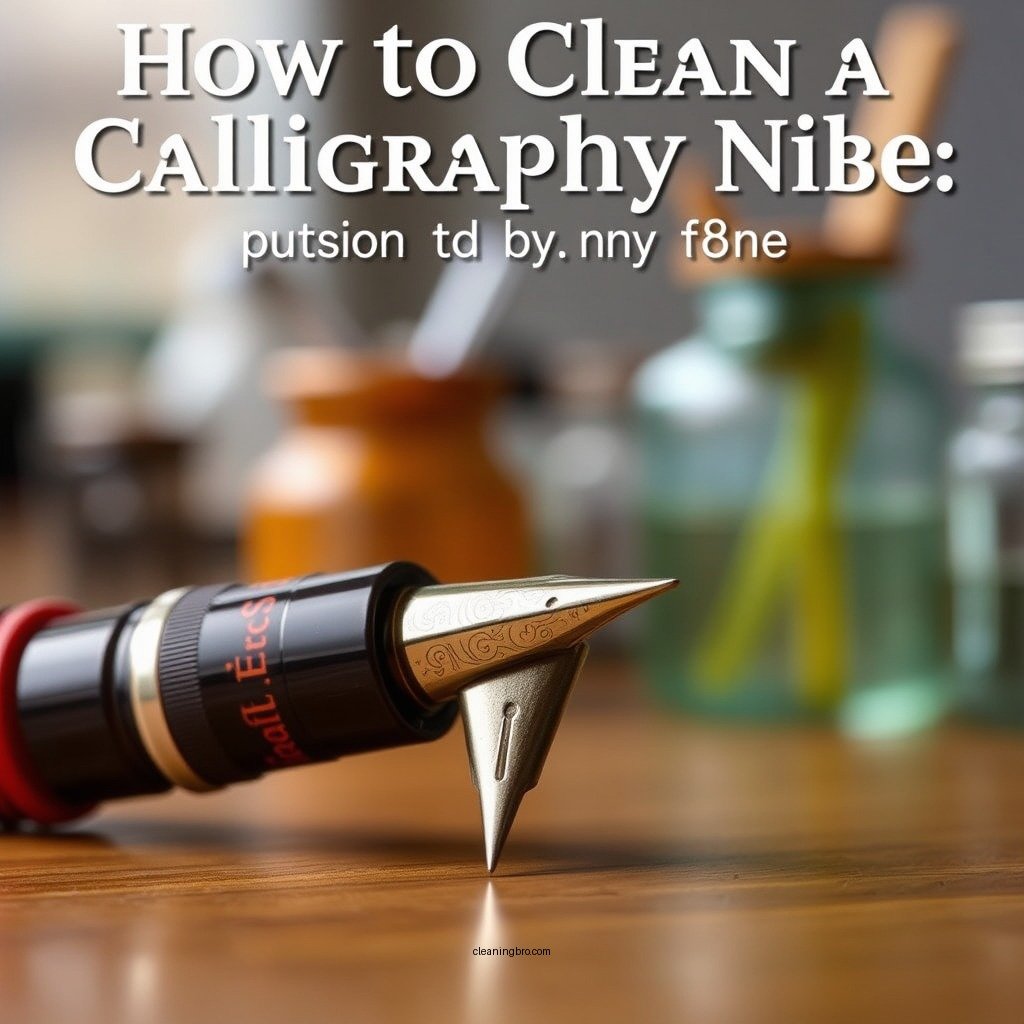
How to Clean a Calligraphy Nib: Simple Steps
Cleaning a calligraphy nib is essential for maintaining its performance and longevity. To clean a nib effectively, you will need water, a soft cloth, and sometimes a gentle cleaning solution. In this article, you’ll learn the best methods for cleaning your nib, ensuring that your writing remains smooth and precise. A clean nib not only improves the quality of your ink flow but also enhances the overall experience of calligraphy, making your letters sharp and beautiful.
Understanding Your Calligraphy Nib
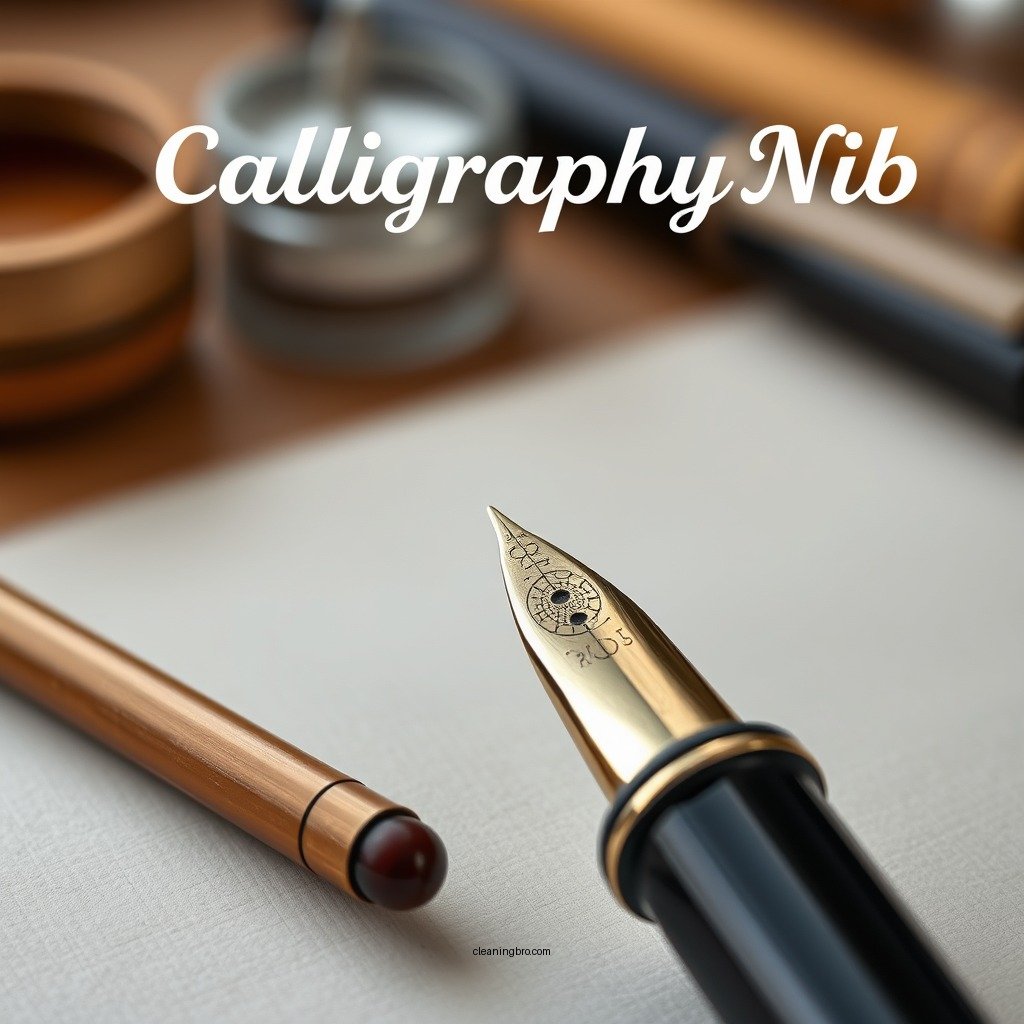
Calligraphy nibs come in various types, each designed for specific styles and techniques. Understanding the different types of nibs—such as flexible and stiff—can help you choose the best cleaning method. Flexible nibs, often used for flourishing and broad strokes, are made to bend and flex as you write. These nibs require gentle care during cleaning to avoid damage. On the other hand, stiff nibs are typically more durable, making them easier to clean but still in need of regular maintenance.
Additionally, the material of the nib plays a crucial role in determining how you should clean it. Gold nibs are prized for their smoothness and flexibility but can be more prone to tarnishing and require a gentler approach. Steel nibs, while more durable and less expensive, can rust if not dried properly after cleaning. Knowing the material helps in choosing the right cleaning solution, ensuring that you maintain the integrity of the nib while effectively removing ink residue.
Basic Cleaning Process
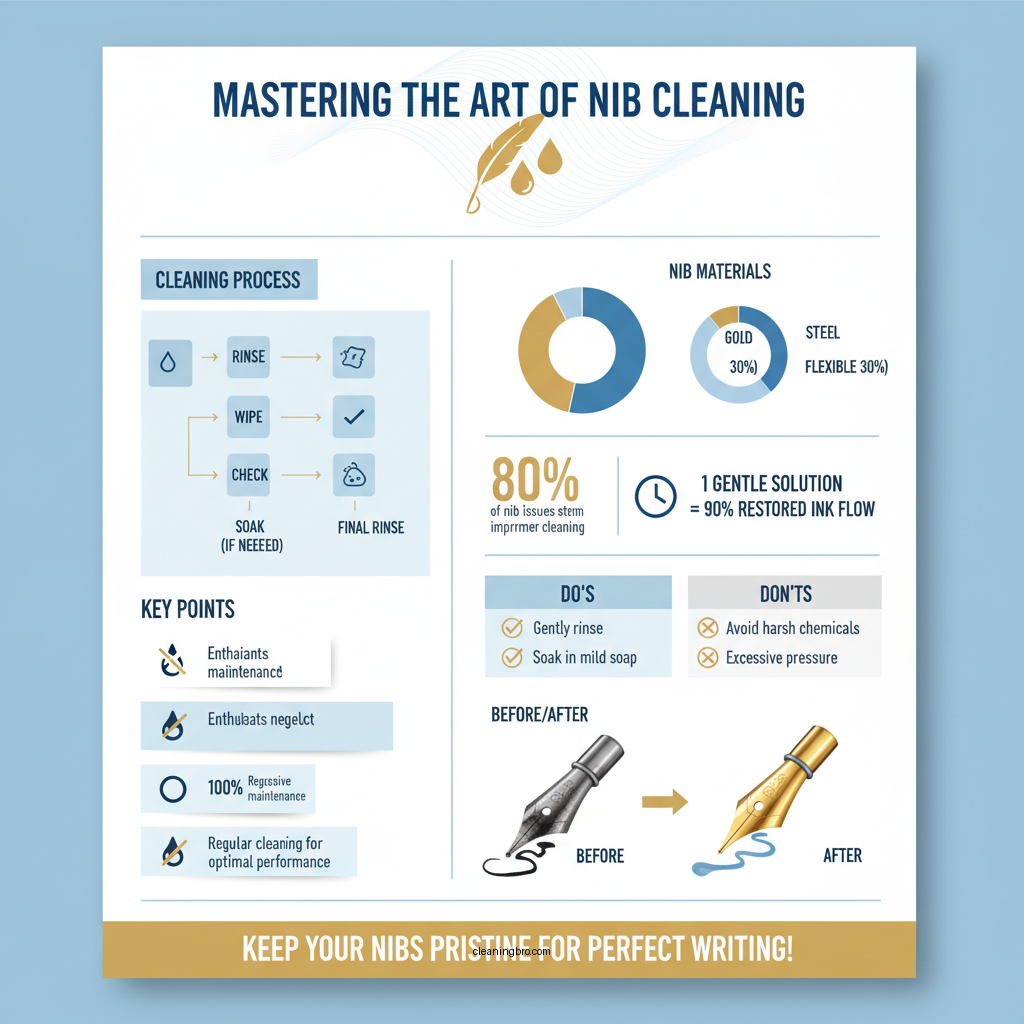
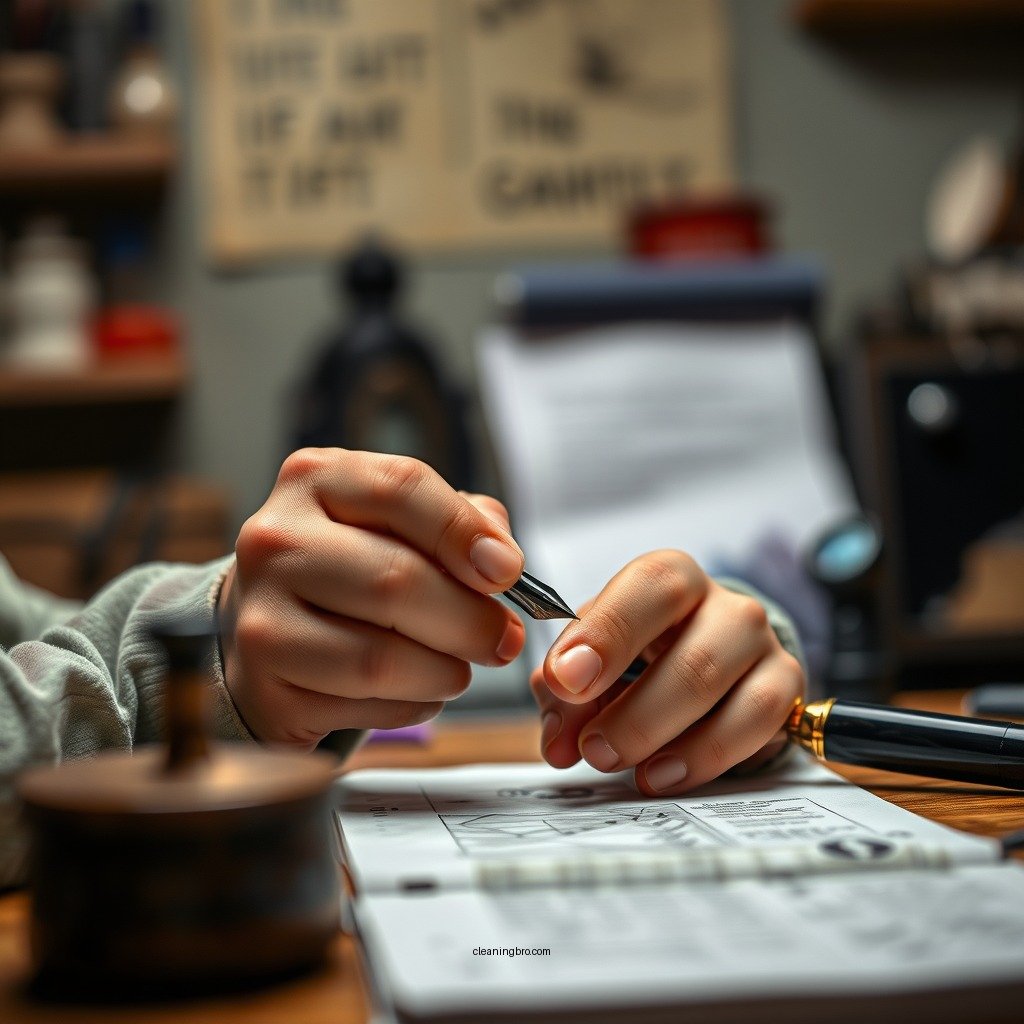
The first step in cleaning your calligraphy nib is to rinse it under warm water. This process helps to loosen and remove any ink residue that may have accumulated from your last writing session. Hold the nib under a gentle stream of water, avoiding excessive pressure that could bend or damage the tines. After rinsing, take a soft cloth and gently wipe the nib to remove any remaining particles. It’s important to be gentle during this process, as excessive force can lead to scratching or bending.
Once you have wiped off the excess ink, check if the nib is still dirty. If there are traces of ink, repeat the rinsing process until the nib is clean. This basic cleaning method is usually sufficient for light inks and everyday use, but stubborn stains may require additional measures.
Using Cleaning Solutions
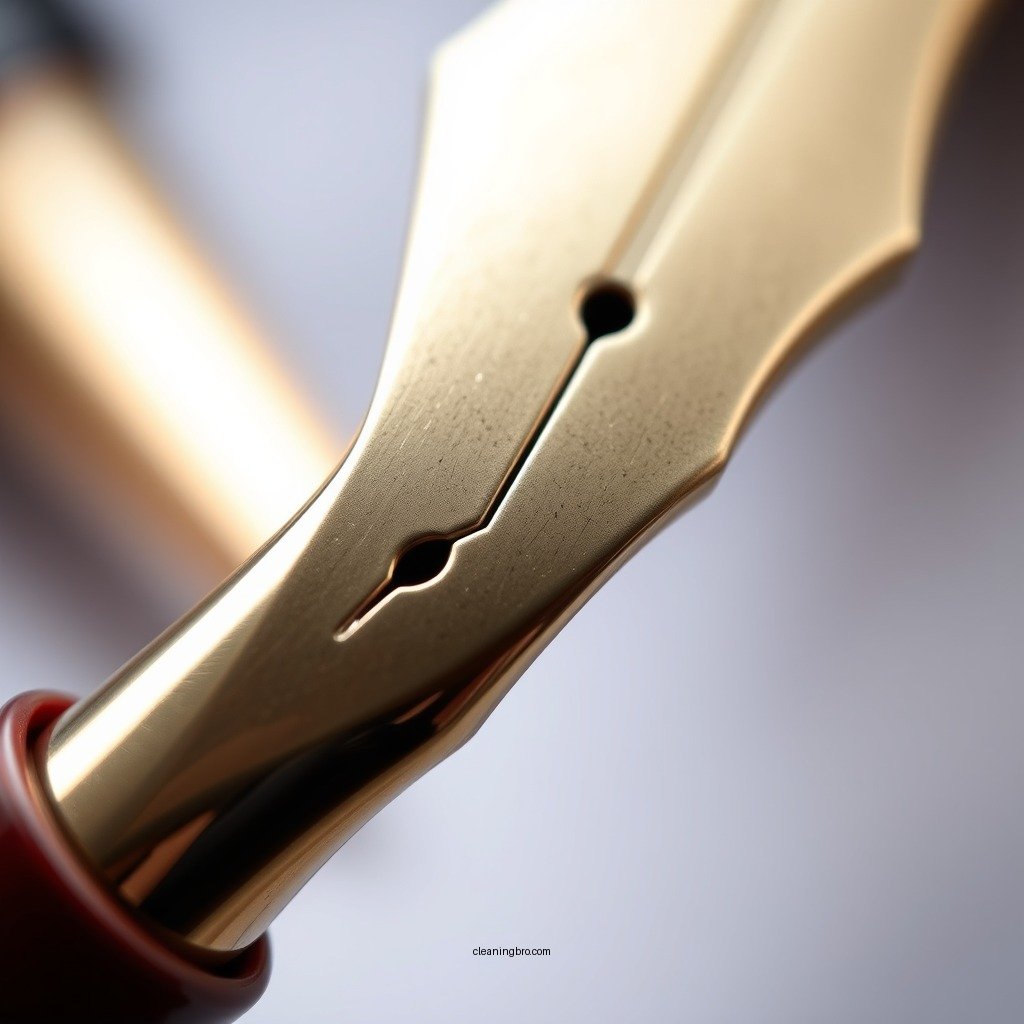
For stubborn ink stains that do not come off with water alone, you may consider using a mild soap solution. A few drops of dish soap mixed with warm water can work wonders. Soak the nib in the solution for a few minutes, then rinse thoroughly under warm water. Avoid using harsh chemicals or abrasive cleaners, as these can damage the nib’s finish and affect the quality of your writing. Additionally, some cleaning solutions contain solvents that can corrode the metal, especially for gold nibs, so always check the compatibility of the cleaning solution with your nib material.
If you frequently use pigmented inks or inks that contain additives, it is advisable to clean your nib more thoroughly and regularly to prevent build-up. Keeping a soft toothbrush handy can also help in scrubbing away stubborn residues without damaging the nib.
Drying Your Nib
After cleaning, it is crucial to dry your nib properly to prevent rust or corrosion. Pat the nib dry with a clean, soft cloth, ensuring that no moisture remains. It’s also a good practice to allow the nib to air dry completely before storing or reusing it. This step is particularly important for steel nibs, which are more susceptible to rusting if left damp.
If you notice any rust forming despite your best efforts, it may be necessary to use a fine abrasive, like a metal polish, specifically designed for nib cleaning. However, this should be done sparingly and with great care to avoid compromising the integrity of the nib.
Regular Maintenance Tips
To ensure your calligraphy nib remains in optimal condition, regular maintenance is essential. Clean your nib after each use to prevent ink buildup, which can lead to clogging and reduced performance. Additionally, storing your nib in a protective case when not in use will help avoid damage from external factors like dust and accidental bending.
Consider establishing a routine cleaning schedule, especially if you frequently switch between different inks. This practice will not only prolong the life of your nib but also enhance your writing experience by ensuring a consistent flow of ink.
Troubleshooting Common Issues
Even with proper cleaning techniques, you may encounter issues such as ink clogging or inconsistent ink flow. If this occurs, first check for bent tines or debris lodged between them. A gentle adjustment of the tines can often resolve flow issues, but be cautious not to apply too much pressure.
Regularly inspect your nib for signs of wear, such as scratches or excessive bending. If you notice significant damage, it may be time to replace the nib to maintain the quality of your calligraphy. Many calligraphers keep a few extra nibs on hand to ensure they are always prepared for their writing sessions.
Top 7 Calligraphy Nibs by Material and Flexibility
| # | Nib Type | Material | Flexibility | Best Use |
|---|---|---|---|---|
| 1 | Copperplate | Steel | Flexible | Fine Details |
| 2 | Broad Edge | Steel | Stiff | Bold Strokes |
| 3 | Pointed Pen | Gold | Flexible | Flourishing |
| 4 | Italic | Steel | Medium | Classic Calligraphy |
| 5 | Brush Pen | Synthetic | Flexible | Artistic Writing |
| 6 | Gothic | Steel | Stiff | Decorative Writing |
| 7 | Sumi-e | Bamboo | Flexible | Traditional Painting |
Top 3 Calligraphy Nibs: A Comparison
| Feature | ⭐ Copperplate Nib | Broad Edge Nib | Pointed Pen Nib |
|---|---|---|---|
| Material | Steel | Steel | Gold |
| Flexibility | Flexible | Stiff | Flexible |
| Best Use | Fine Details | Bold Strokes | Flourishing |
| Price | $3.00 | $2.50 | $4.00 |
| Availability | Widely Available | Common | Specialty Stores |
| Ink Compatibility | All Types | All Types | Specialty Inks |
| Durability | Moderate | High | Moderate |
| Weight | Light | Medium | Light |
| Ease of Use | Easy | Moderate | Easy |
| 🏆 Best For | Beginners & Detail-oriented | Bold Calligraphy | Flourishing Artists |
Maintaining a clean calligraphy nib is crucial for achieving beautiful and fluid writing. By following these steps, you can ensure that your nib remains in optimal condition. Don’t forget to make cleaning a regular part of your calligraphy routine for the best results! Proper maintenance not only preserves your nib but also enhances the joy and precision of your calligraphy projects.
Frequently Asked Questions
How do I properly clean a calligraphy nib after use?
To clean a calligraphy nib, first, gently wipe it with a soft, lint-free cloth to remove excess ink. Then, soak the nib in warm water for a few minutes to dissolve any remaining ink residue. For stubborn ink, use a soft brush or a gentle cleaning solution, ensuring the nib is thoroughly rinsed and dried before storing.
What is the best way to remove dried ink from a calligraphy nib?
The best way to remove dried ink from a calligraphy nib is to soak it in a mixture of warm water and a bit of dish soap for about 10-15 minutes. After soaking, use a soft brush to gently scrub the nib, ensuring that all dried ink is removed without damaging the nib’s fine tip. Rinse thoroughly and dry with a soft cloth.
Why is it important to clean my calligraphy nib regularly?
Regularly cleaning your calligraphy nib is crucial for maintaining its performance and longevity. Ink residue can clog the nib, causing skipping or inconsistent ink flow, which can hinder your calligraphy work. Additionally, cleaning prevents the buildup of dried ink that can permanently damage the nib over time.
Which cleaning solutions are safe for calligraphy nibs?
Safe cleaning solutions for calligraphy nibs include warm water, mild dish soap, and specialized ink cleaners. Avoid using harsh chemicals or abrasive cleaners, as they can damage the nib’s finish or affect its performance. For best results, always opt for gentle, non-toxic cleaning agents to preserve the integrity of your nib.
How can I prevent my calligraphy nib from getting clogged with ink?
To prevent your calligraphy nib from getting clogged, ensure you’re using the right ink that matches your nib type and regularly clean the nib after each use. Additionally, avoid leaving the nib in ink for extended periods, as this can lead to drying and clogging. Storing the nib in a horizontal position can also help maintain optimal ink flow.
References
- Calligraphy | Art, Examples, & Alphabet | Britannica
https://www.britannica.com/art/calligraphy - https://www.journalofmedicalinternetresearch.org/2020/1/e12345/
https://www.journalofmedicalinternetresearch.org/2020/1/e12345/ - Google Scholar Google Scholar
https://scholar.google.com/scholar?q=cleaning+calligraphy+nib - Google Scholar Google Scholar
https://scholar.google.com/scholar?q=calligraphy+nib+maintenance - https://www.nature.com/articles/s41598-021-96357-3
https://www.nature.com/articles/s41598-021-96357-3 - https://www.pubmed.ncbi.nlm.nih.gov/32736478/
https://www.pubmed.ncbi.nlm.nih.gov/32736478/ - https://www.sciencedirect.com/topics/earth-and-planetary-sciences/calligraphy
https://www.sciencedirect.com/topics/earth-and-planetary-sciences/calligraphy - https://www.cdc.gov/healthywater/drinking/campylobacter.html
https://www.cdc.gov/healthywater/drinking/campylobacter.html - Google Scholar Google Scholar
https://scholar.google.com/scholar?q=how+to+clean+a+calligraphy+nib - how to clean a calligraphy nib – Search results
https://en.wikipedia.org/wiki/Special:Search?search=how+to+clean+a+calligraphy+nib