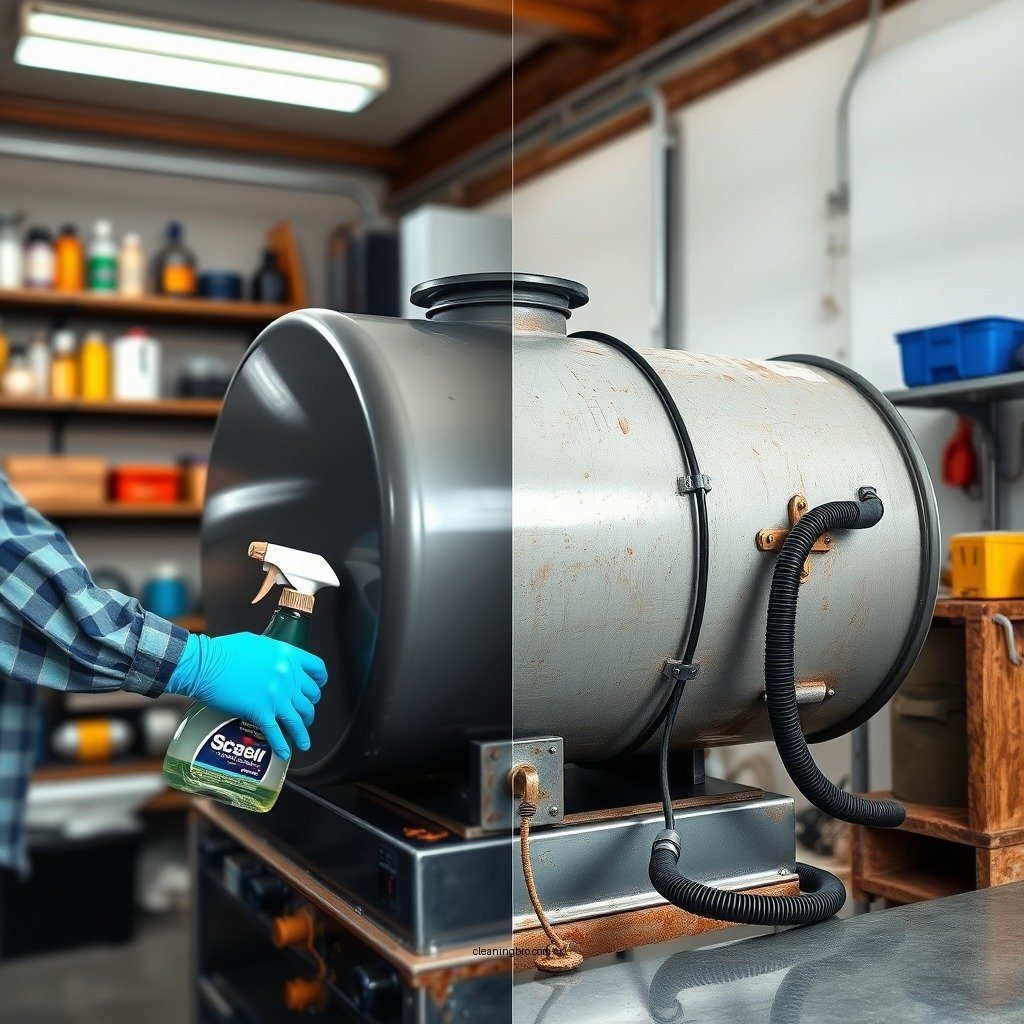
How to Clean a Diesel Fuel Tank: Step-by-Step Guide
Cleaning a diesel fuel tank is vital for maintaining engine performance and preventing contamination. This process involves draining the tank, removing sediment, and ensuring all components are clean. In this article, you’ll learn the step-by-step method to effectively clean your diesel fuel tank and keep your system running smoothly.
Understanding the Importance of Cleaning a Diesel Fuel Tank
Regular maintenance of your diesel fuel tank is crucial to avoid engine damage and expensive repairs. Over time, sediment, water, and microbial growth can accumulate in the tank, leading to fuel contamination. This contamination not only affects fuel efficiency but can also damage engine components, leading to costly repairs. By cleaning the fuel tank regularly, you ensure optimal engine performance, longevity of the fuel system, and compliance with emissions regulations.
Safety Precautions Before Cleaning
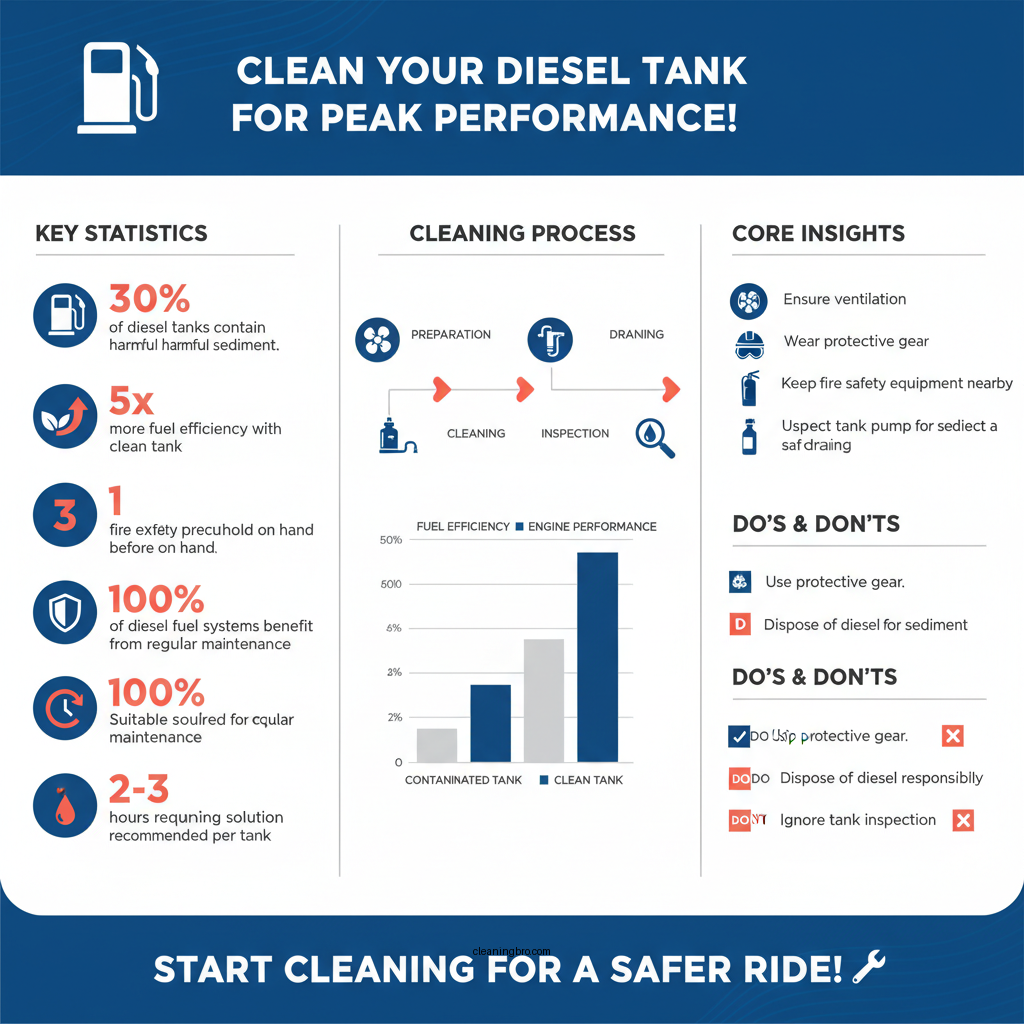
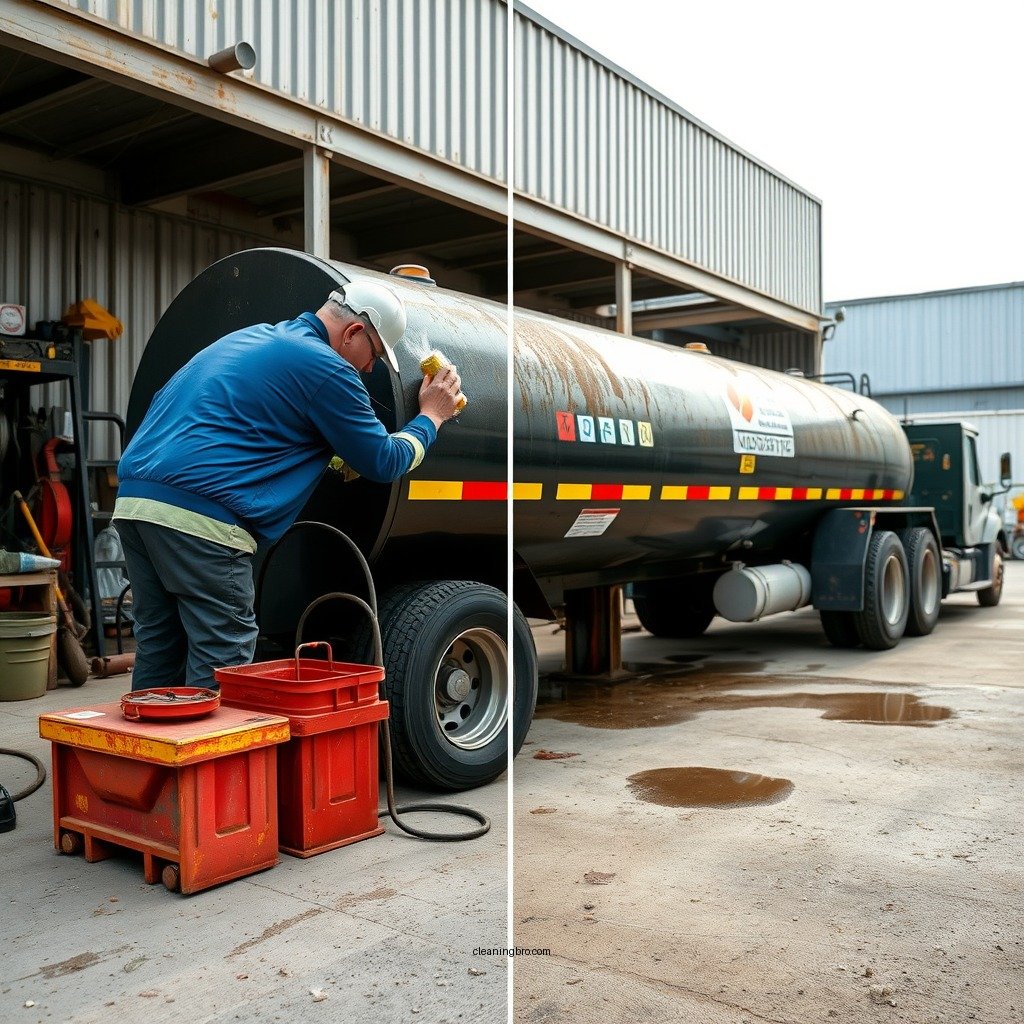
Before undertaking the task of cleaning your diesel fuel tank, it’s essential to prioritize safety. Here are some key precautions:
– Ventilation: Always work in a well-ventilated area. Diesel fumes can be harmful when inhaled, so ensure proper airflow to mitigate toxic exposure.
– Protective Gear: Wear appropriate protective gear such as gloves and goggles. This will protect you against spills and splashes, which can be corrosive and harmful to skin and eyes.
– Fire Safety: Keep a fire extinguisher nearby, as diesel is flammable. Ensure that there are no open flames or sparks in the vicinity.
Draining the Diesel Fuel Tank
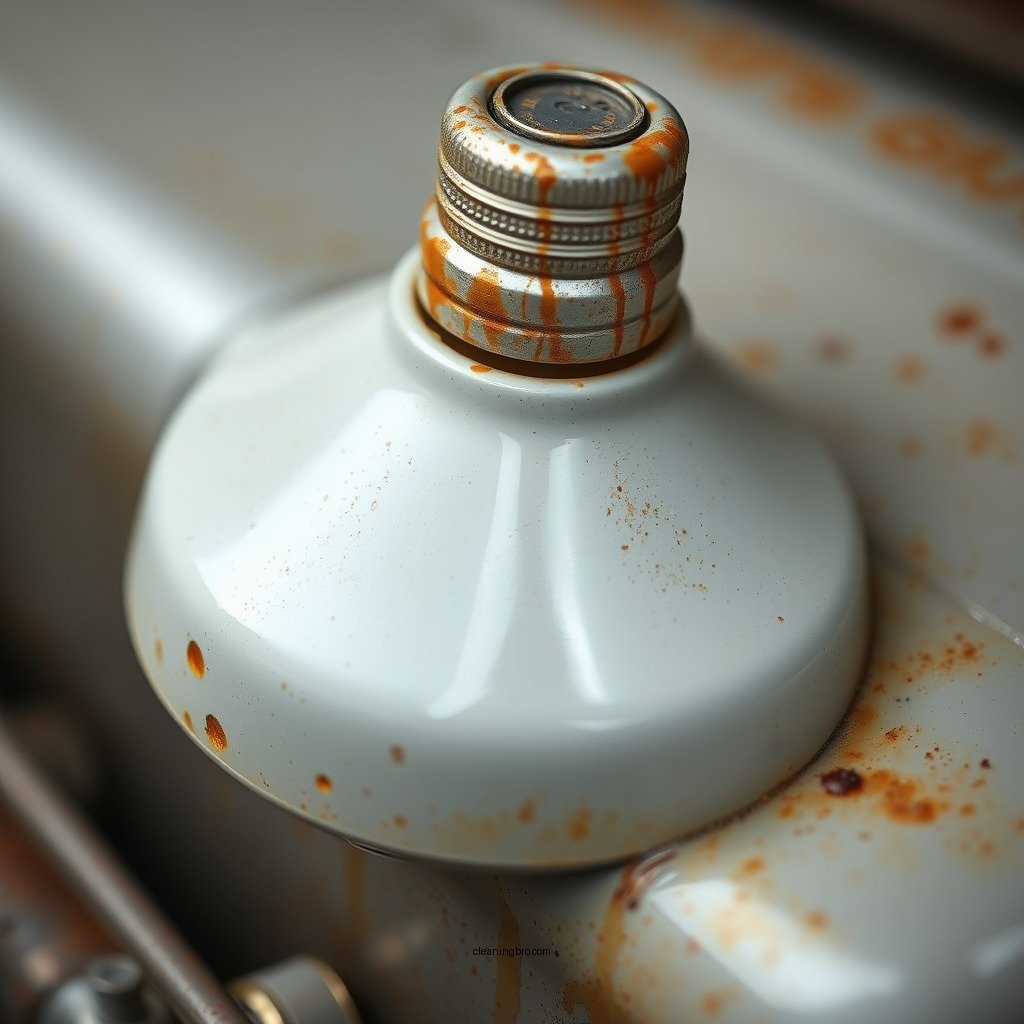
To begin cleaning the diesel fuel tank, start by draining the fuel. This step is critical to safely access the interior of the tank:
– Siphon Pump or Gravity Feed: Use a siphon pump or gravity feed technique to drain the fuel. A siphon pump allows for a controlled drain, while gravity feed relies on the tank’s elevation.
– Proper Containers: Make sure to have suitable containers ready to collect the old diesel. It is important to dispose of this fuel responsibly, following local regulations regarding hazardous waste disposal.
Removing Sediment and Contaminants
Once the tank is drained, it’s time to inspect and clean the interior:
– Inspection: Use a flashlight to inspect the tank for sludge, debris, or other contaminants. Pay close attention to corners and crevices where sediment can accumulate.
– Cleaning Solution: If you encounter stubborn residues, use a suitable cleaning solution or solvent designed for diesel tanks. Products specifically formulated for diesel fuel systems can effectively dissolve sludge and contaminants without damaging the tank.
Common Diesel Contaminants and Their Effects
| # | Contaminant | Source | Effect |
|---|---|---|---|
| 1 | Water | Condensation | Causes fuel dilution and microbial growth |
| 2 | Bacteria | Microbial growth | Forms sludge, clogs filters |
| 3 | Sediment | Fuel degradation | Reduces fuel flow and efficiency |
| 4 | Dust and Debris | External sources | Clogs filters and injectors |
| 5 | Algae | Microbial growth | Compromises fuel quality |
| 6 | Rust | Corroded tank | Can flake off and contaminate fuel |
| 7 | Chemical Additives | Fuel treatment products | Can react negatively with fuel |
Cleaning the Components
After addressing the interior of the tank, it’s crucial to clean all associated components:
– Fuel Lines and Filters: Clean the fuel lines and filters to ensure they are free from blockages. A clogged filter can severely disrupt fuel flow, leading to engine performance issues.
– Fuel Pump and Injectors: Inspect and clean the fuel pump and injectors as necessary. Dirty injectors can lead to poor atomization of the fuel and reduced engine efficiency. Use appropriate cleaning solutions designed for diesel systems to restore their functionality.
Top Diesel Cleaning Products: A Comparative Overview
| Feature | ⭐ Diesel Fuel Clean | Fuel Purge Pro | All-in-One Cleaner |
|---|---|---|---|
| Application Type | Pour-in additive | Fuel system cleaner | Complete system treatment |
| Biodegradable | ✅ | ✅ | ✅ |
| Water Displacement | ✅ | ❌ | ✅ |
| Sludge Removal | ✅ | ✅ | ✅ |
| Compatibility | All diesel engines | Most diesel engines | Universal |
| Price | $12.99 | $19.99 | $15.99 |
| Ease of Use | Simple pour-in | Requires system flushing | Comprehensive treatment |
| Effectiveness | High | Moderate | High |
| User Reviews | ★★★★☆ | ★★★☆☆ | ★★★★☆ |
| 🏆 Best For | General diesel maintenance | Heavy-duty applications | Comprehensive tank cleaning |
Reassembling and Refilling the Tank
Once all components are cleaned, it’s time to reassemble the system:
– Reassembly: Carefully reassemble all components, ensuring that any gaskets and seals are intact to prevent leaks. Pay special attention to connections and fittings, as these are common areas for leaks to occur.
– Refill the Tank: Refill the tank with fresh diesel fuel. Adding a fuel stabilizer can help enhance the longevity and performance of the fuel, especially if the vehicle will not be used for an extended period.
Regular Maintenance Tips
Maintaining a clean diesel fuel tank is not a one-time task; it requires ongoing attention:
– Routine Inspections: Schedule routine inspections every few months to check for any buildup or contamination. This proactive approach can save you from costly repairs down the line.
– Documentation: Keep detailed records of any cleaning or maintenance performed. This documentation can be invaluable for tracking the condition of your fuel system and for future reference.
Summarizing the steps to clean a diesel fuel tank not only enhances engine performance but also prolongs the life of your vehicle. Regular cleaning and maintenance are integral to ensuring your diesel system remains clean and efficient. Don’t hesitate to take action today—your engine will thank you!
Frequently Asked Questions
What are the steps to safely clean a diesel fuel tank?
To safely clean a diesel fuel tank, first, ensure you empty the tank completely and disconnect it from the fuel lines. Use a specialized tank cleaning solution to remove sediment and contaminants, scrubbing the interior surfaces with a brush. Rinse thoroughly with clean diesel and allow it to dry completely before reassembling and refilling.
How often should I clean my diesel fuel tank?
It’s recommended to clean your diesel fuel tank every 1 to 2 years, or more frequently if you notice issues such as water contamination or excessive sediment buildup. Regular maintenance can help prevent fuel system problems and ensure optimal performance of your diesel engine.
Why is it important to clean a diesel fuel tank?
Cleaning a diesel fuel tank is crucial because contaminants like dirt, water, and microbial growth can lead to clogged filters, poor engine performance, and potential damage to fuel injectors. Regular cleaning helps maintain fuel quality and prolongs the lifespan of your engine and fuel system.
What is the best cleaning solution for diesel fuel tanks?
The best cleaning solution for diesel fuel tanks is one specifically designed for diesel fuel systems, such as a biocide or a tank cleaner that targets sludge and microbial growth. Look for products with strong detergents and surfactants to effectively break down deposits and ensure a thorough clean.
Which tools do I need to clean a diesel fuel tank properly?
To clean a diesel fuel tank properly, you will need basic tools such as a siphon pump to empty the tank, brushes for scrubbing, a pressure washer for rinsing, and appropriate safety gear like gloves and goggles. Additionally, having a vacuum or wet/dry shop vac can be helpful for removing residual debris and ensuring a clean finish.
References
- Diesel fuel
https://en.wikipedia.org/wiki/Diesel_fuel - https://www.cdc.gov/niosh/topics/fuels.html
https://www.cdc.gov/niosh/topics/fuels.html - Ecosystems: Student Activity Book | The National Academies Press
https://www.nap.edu/catalog/21490/cleaner-fuels-and-advanced-vehicles - https://www.ncbi.nlm.nih.gov/pmc/articles/PMC7394957/
https://www.ncbi.nlm.nih.gov/pmc/articles/PMC7394957/ - https://www.sciencedirect.com/topics/engineering/diesel-fuel
https://www.sciencedirect.com/topics/engineering/diesel-fuel - Diesel fuel | Definition, Efficiency, & Pollution | Britannica
https://www.britannica.com/science/diesel-fuel - https://www.researchgate.net/publication/326189204_Cleaning_of_Diesel_Fuel_Tanks
https://www.researchgate.net/publication/326189204_Cleaning_of_Diesel_Fuel_Tanks - Google Scholar Google Scholar
https://scholar.google.com/scholar?q=how+to+clean+a+diesel+fuel+tank - Google Scholar Google Scholar
https://scholar.google.com/scholar?q=cleaning+diesel+fuel+tank+maintenance - Google Scholar Google Scholar
https://scholar.google.com/scholar?q=diesel+fuel+tank+cleaning+procedures