How to Clean a Flooded Bathroom: Step-by-Step Guide
Cleaning a flooded bathroom requires immediate action to prevent damage and mold growth. The first step is to ensure the area is safe before removing standing water and thoroughly cleaning surfaces. In this article, you’ll learn the essential steps to effectively clean a flooded bathroom and restore it to its original condition, minimizing further damage and ensuring safety.
Assess the Situation
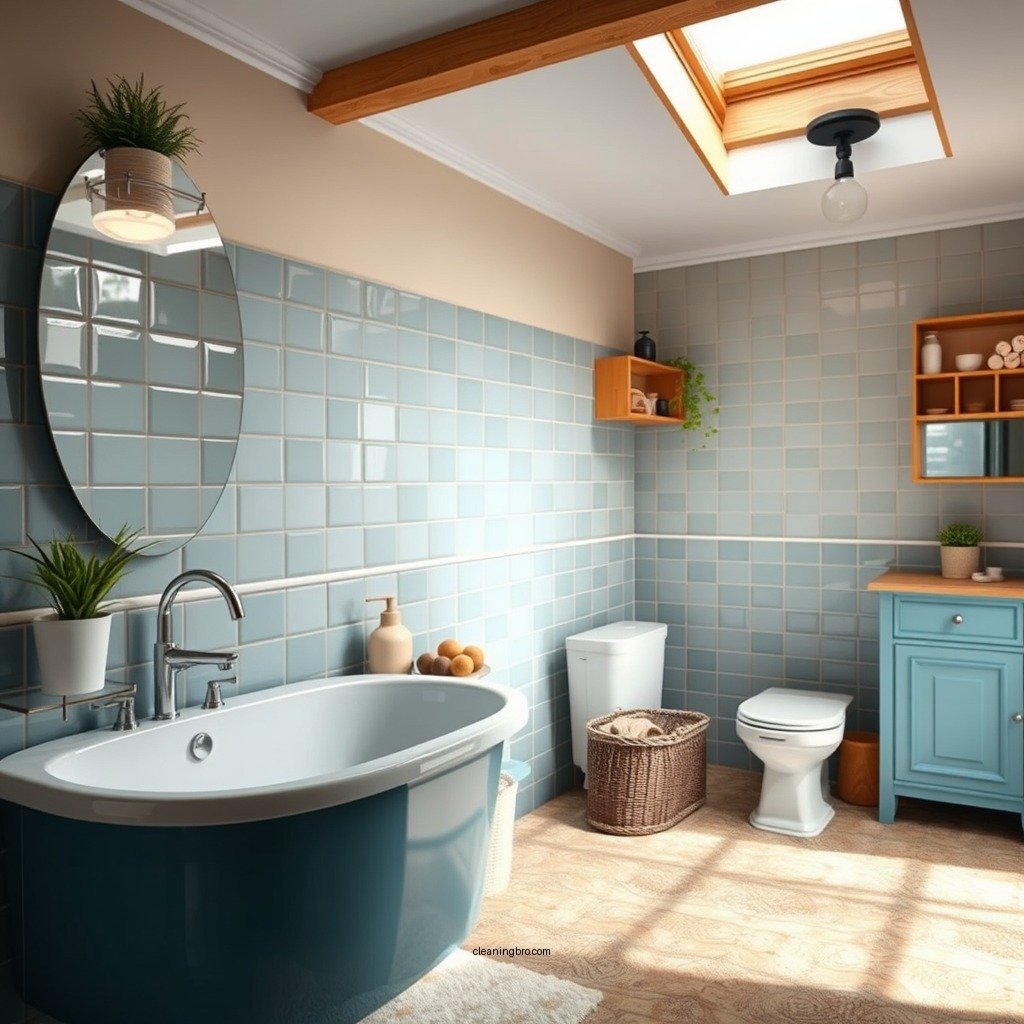
The first step in managing a flooded bathroom is to assess the situation carefully. Begin by determining the extent of the flooding and identifying its source. Common causes include overflowing toilets, burst pipes, or heavy rainfall. Understanding the cause will help you take appropriate action.
Next, check for electrical hazards. Water and electricity do not mix; therefore, if you suspect any electrical issues, turn off the power to the bathroom at the circuit breaker before proceeding. Utilize a flashlight instead of candles to avoid any fire hazards.
Remove Standing Water
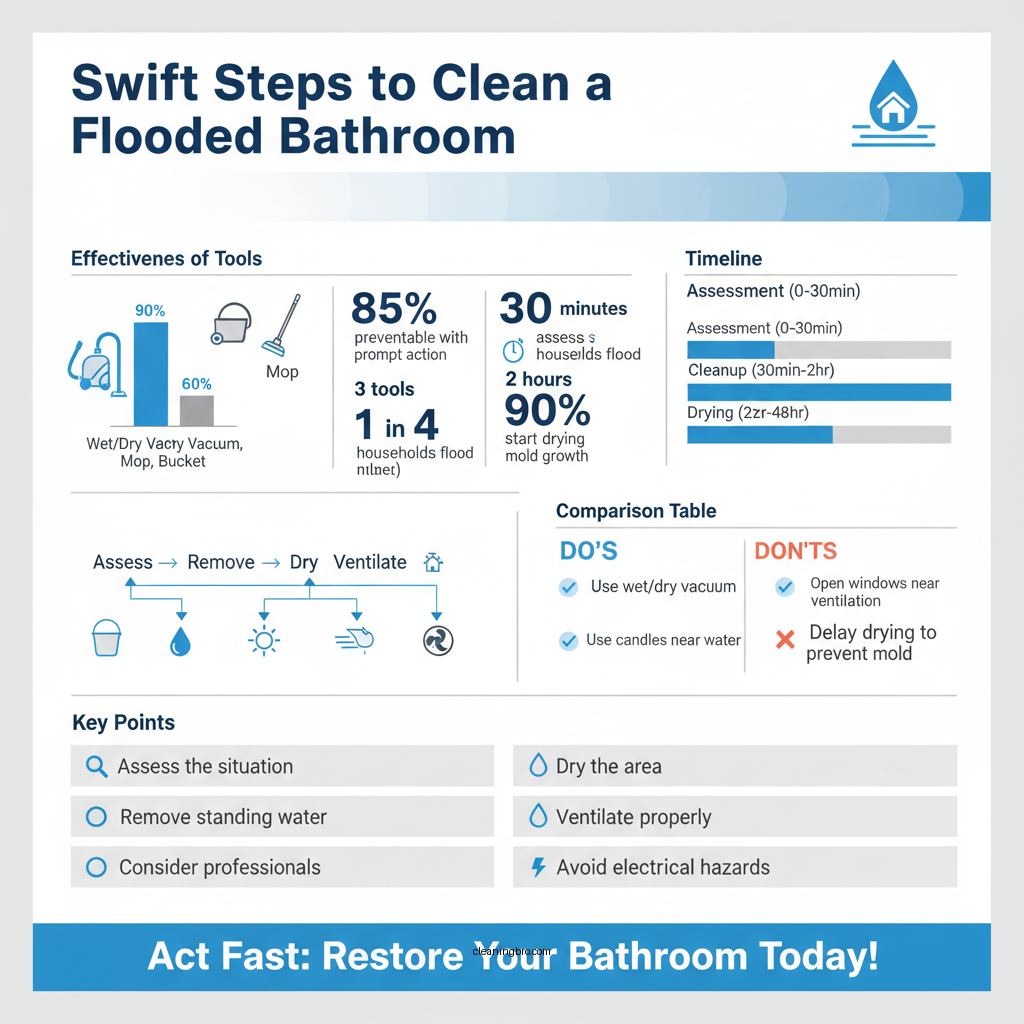
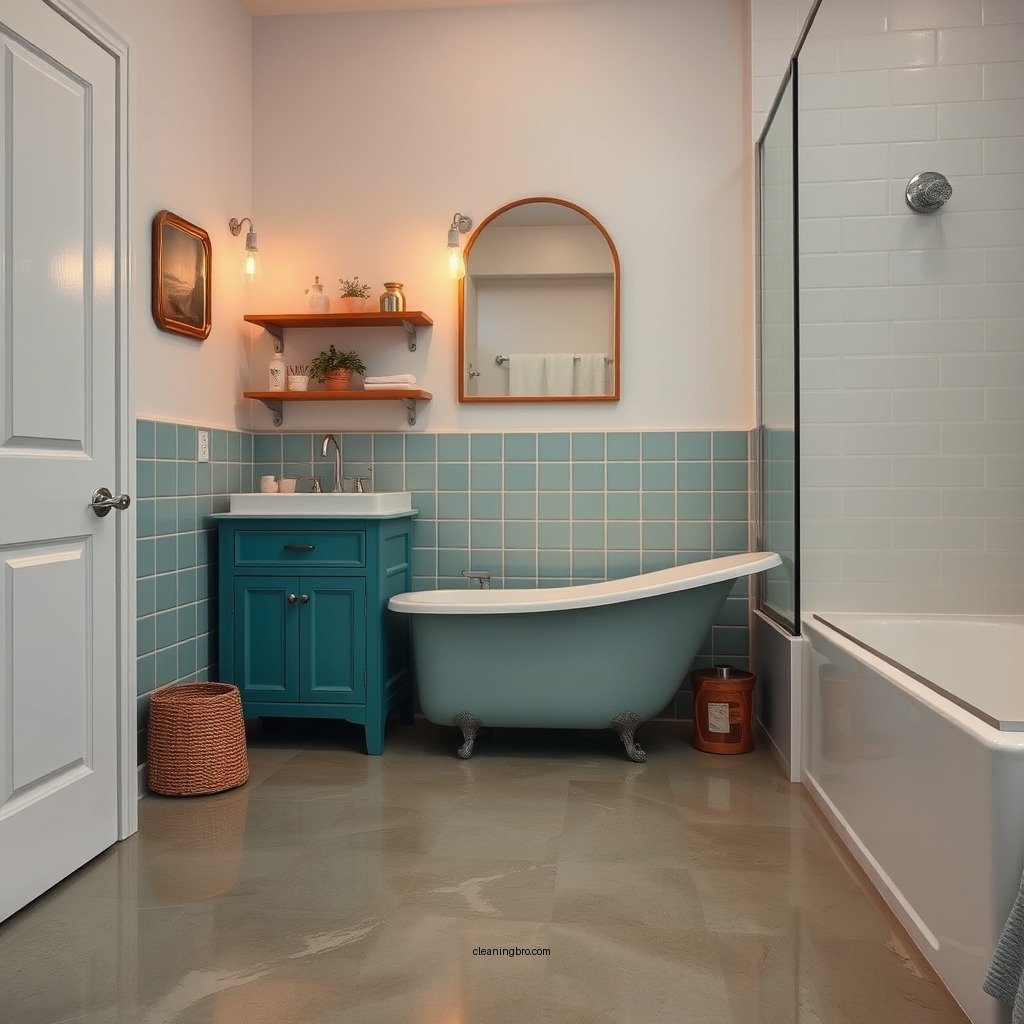
Once you have ensured that the area is safe, the next step is to remove standing water. For minor flooding, a wet/dry vacuum is an effective tool to eliminate excess water quickly. Ensure you follow the manufacturer’s guidelines for safe usage. Alternatively, if the flooding is not severe, a mop and bucket can suffice; however, this method may take longer.
In cases of significant flooding, consider hiring a professional water extraction service. These experts have specialized equipment that can remove large volumes of water swiftly and efficiently, thereby reducing the risk of structural damage and mold growth.
Dry the Area
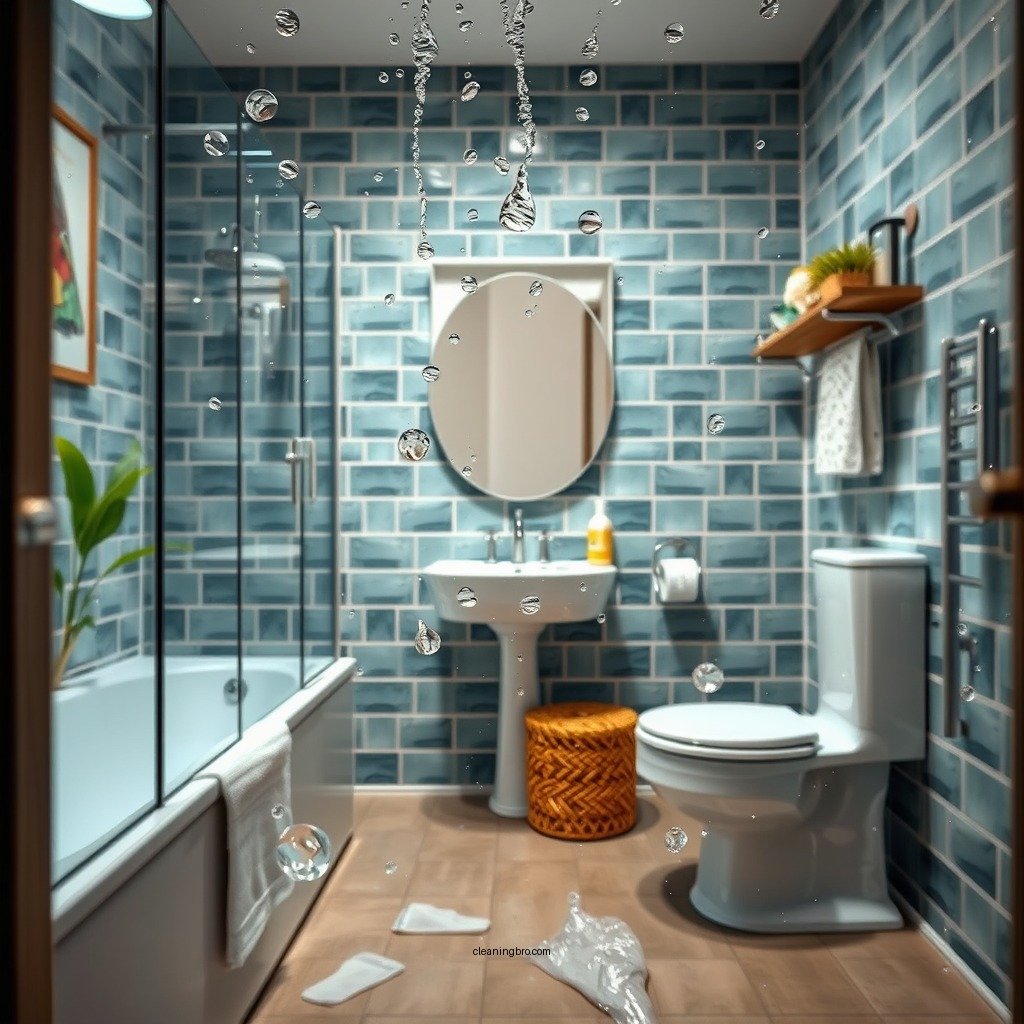
After removing the standing water, the next crucial step is to dry the area thoroughly. Open windows and doors to allow fresh air to circulate. This natural ventilation is vital for promoting airflow and speeding up the drying process.
Additionally, utilizing fans and dehumidifiers can significantly expedite drying. Positioning fans to direct airflow towards the wet areas will help evaporate moisture more quickly. A dehumidifier can assist in removing excess humidity from the air, which is essential in preventing mold and mildew growth.
Top 7 Equipment for Bathroom Flood Cleanup (2024)
| # | Equipment | Type | Price | Efficiency |
|---|---|---|---|---|
| 1 | Wet/Dry Vacuum | Vacuum | $150 | High |
| 2 | Dehumidifier | Dehumidifier | $200 | Very High |
| 3 | Fans | Fan | $50 | Moderate |
| 4 | Mop and Bucket | Cleaning | $20 | Low |
| 5 | Squeegee | Cleaning | $15 | Moderate |
| 6 | Rug Doctor | Extractor | $200 | High |
| 7 | Sump Pump | Pump | $300 | Very High |
Clean and Disinfect Surfaces
Once the area is adequately dried, it is essential to clean and disinfect all surfaces to eliminate any remaining contaminants and prevent the growth of mold and bacteria. Use a mixture of water and a disinfectant cleaner suitable for the materials in your bathroom. Pay special attention to corners, crevices, and fixtures, where bacteria can thrive.
For tile and grout, consider using a scrub brush to ensure all dirt and mold are effectively removed. Non-porous surfaces should be wiped down thoroughly, while porous surfaces may require additional care. It is advisable to wear gloves and a mask during this process to protect yourself from harsh chemicals and mold spores.
Check for Mold Growth
After cleaning, carefully inspect the bathroom for any signs of mold growth. Look closely at walls, floors, and ceilings, particularly in areas that may have been hidden from view. Mold can appear as dark spots or fuzzy growths and can pose significant health risks if left untreated.
If mold is present, it is critical to take appropriate measures to remove it safely. Small areas can often be cleaned using a mixture of water and vinegar or a specialized mold removal product. For larger infestations, or if you are uncertain about handling it yourself, seek professional assistance to ensure proper removal and future prevention.
Cleaning Products Comparison: Best for Mold Remediation
| Feature | ⭐ Vinegar Solution | Bleach | Mold Remover Spray |
|---|---|---|---|
| Effectiveness | Good | Excellent | Very Good |
| Safety | Safe for home | Toxic fumes | Moderate |
| Cost | Low | Moderate | Low |
| Ease of Use | Very Easy | Moderate | Easy |
| Odor Removal | Neutralizes | Strong | Neutralizes |
| Disinfecting Properties | Good | Excellent | Very Good |
| Surface Compatibility | All surfaces | Limited | All surfaces |
| Time to Act | Immediate | Immediate | Immediate |
| Frequency of Application | As needed | Occasional | Regular |
| 🏆 Best For | Home use | Professional cleaning | General mold issues |
Restore and Repair
Now that the bathroom is clean, you should assess any damage to flooring and walls. If the flooding has caused significant damage, you may need to replace materials such as drywall, flooring, or even cabinetry. Ensure that any repairs are completed using water-resistant materials to prevent future issues.
Reorganize and clean items that were in the flooded area, ensuring they are dry and free from contaminants. If any items are damaged beyond repair, consider replacing them to maintain a safe and hygienic environment.
Prevent Future Flooding
Once the immediate crisis has been managed, it is vital to take steps to prevent future flooding. Investigate drainage solutions such as ensuring that gutters are clean and functional. Regular maintenance of plumbing fixtures can help identify potential issues before they escalate.
Consider installing sump pumps or water alarms, which can provide early detection of flooding. These devices can alert you to moisture or water accumulation, allowing for a prompt response to avoid damage.
Cleaning a flooded bathroom can be a daunting task, but by following these steps, you can effectively manage the situation and minimize damage. Acting quickly and methodically ensures your bathroom is clean and safe for use again. If you’re unsure or dealing with extensive damage, don’t hesitate to reach out to professionals for help. The key to recovery is a proactive approach that combines immediate action with preventative measures.
Frequently Asked Questions
What are the first steps to take when cleaning a flooded bathroom?
The first steps to take when cleaning a flooded bathroom include ensuring safety by turning off electricity to the affected area and wearing protective gear like gloves and boots. Next, remove any standing water using a wet/dry vacuum or mop, and then ventilate the space by opening windows and doors to dry it out effectively.
How can I prevent mold growth after cleaning a flooded bathroom?
To prevent mold growth after cleaning a flooded bathroom, it’s crucial to dry the area thoroughly within 24-48 hours. Use dehumidifiers and fans to circulate air and help evaporate any remaining moisture. Additionally, consider applying a mold-resistant spray on surfaces to inhibit mold development.
Why did my bathroom flood, and how can I fix the underlying issue?
A bathroom can flood due to clogged drains, overflowing toilets, or broken pipes. To fix the underlying issue, inspect plumbing fixtures for leaks, clear any blockages, and ensure that the drainage system functions properly. If the problem persists, consulting a professional plumber may be necessary.
What cleaning supplies are best for disinfecting a flooded bathroom?
The best cleaning supplies for disinfecting a flooded bathroom include a mixture of bleach and water, or a commercial disinfectant specifically designed for bathrooms. Look for products that are effective against mold and mildew, and always follow the manufacturer’s instructions for safe use and application.
Which areas of the bathroom require special attention when cleaning after a flood?
Special attention should be given to porous materials like drywall and flooring, as they can retain moisture and promote mold growth. Additionally, focus on cleaning and disinfecting surfaces such as the toilet, sink, and bathtub, as well as any cabinetry that may have been affected by water.
References
- https://www.cdc.gov/disasters/floods/cleaning.html
https://www.cdc.gov/disasters/floods/cleaning.html - https://www.epa.gov/floods/cleaning-your-home-after-flood
https://www.epa.gov/floods/cleaning-your-home-after-flood - https://www.who.int/news-room/questions-and-answers/item/floods-and-health
https://www.who.int/news-room/questions-and-answers/item/floods-and-health - Identification of di-substituted ureas that prevent growth of trypanosomes through inhibition of …
https://www.nature.com/articles/s41598-018-23259-9 - https://pubmed.ncbi.nlm.nih.gov/29151612/
https://pubmed.ncbi.nlm.nih.gov/29151612/ - Google Scholar Google Scholar
https://scholar.google.com/scholar?q=cleaning+a+flooded+bathroom - Google Scholar Google Scholar
https://scholar.google.com/scholar?q=post-flood+cleaning+guidelines - Google Scholar Google Scholar
https://scholar.google.com/scholar?q=flood+damage+restoration+health - https://www.bbc.com/future/article/20200813-how-to-clean-up-after-a-flood
https://www.bbc.com/future/article/20200813-how-to-clean-up-after-a-flood - https://www.mayoclinic.org/healthy-lifestyle/home-and-garden/in-depth/flood-damage-cleanup/art-20432765
https://www.mayoclinic.org/healthy-lifestyle/home-and-garden/in-depth/flood-damage-cleanup/art-20432765