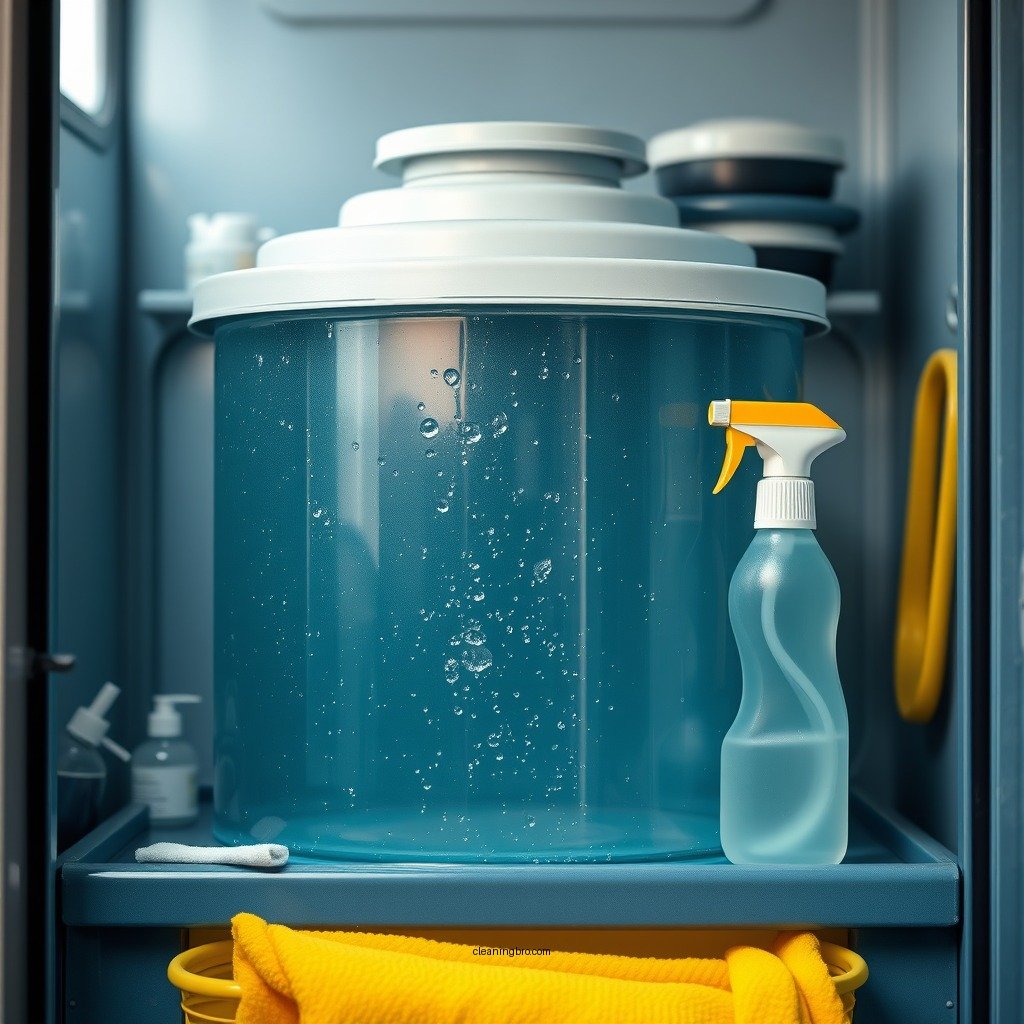
How to Clean a Grey Water Tank: Step-by-Step Guide
Cleaning a grey water tank is crucial for maintaining hygiene and preventing unpleasant odors. This process includes draining the tank, scrubbing its interior surfaces, and ensuring proper sanitation. In this article, you will learn effective methods to clean your grey water tank, ensuring it operates efficiently and safely, ultimately contributing to a healthier home environment.
Understanding Grey Water Tanks
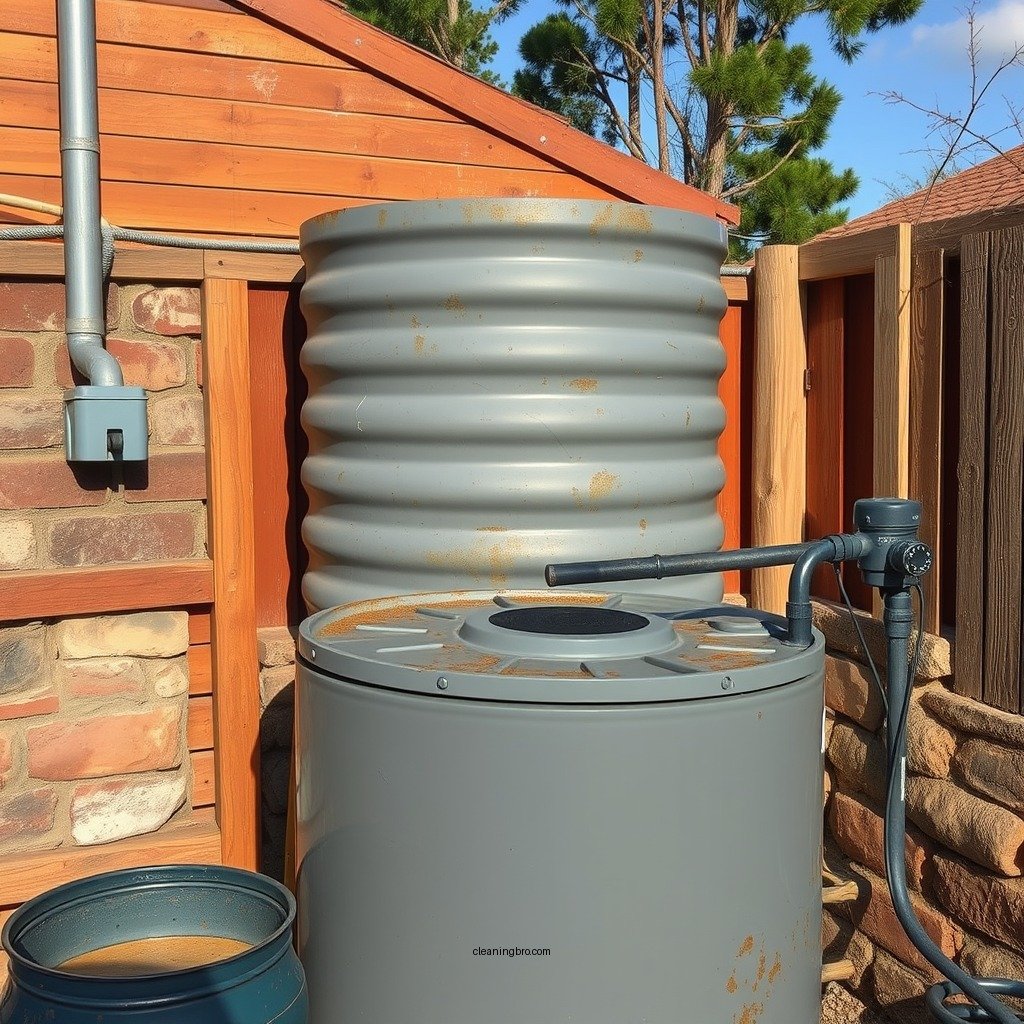
Grey water refers to wastewater generated from domestic activities such as washing dishes, bathing, and laundry. Unlike black water, which contains sewage and is more hazardous, grey water can be reused for irrigation and other non-potable purposes if treated properly. Grey water tanks are essential in systems designed to recycle this wastewater, but they can accumulate bacteria and organic matter over time, leading to foul odors and health risks. Regular cleaning is vital to maintain the tank’s functionality, prevent blockages, and ensure the effective treatment of the water.
Safety Precautions
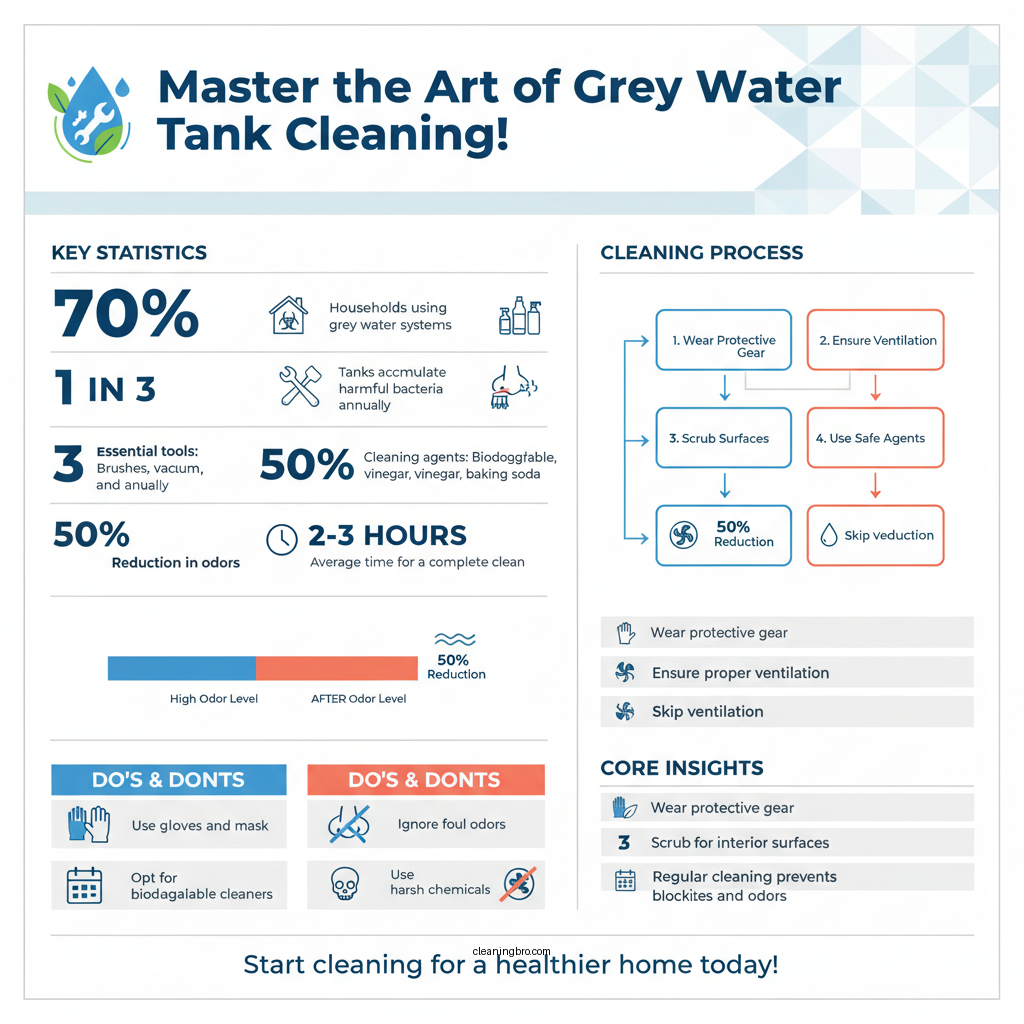

Before beginning the cleaning process, it is imperative to take safety precautions to protect yourself from potential hazards:
– Wear Protective Gear: Use gloves, a mask, and goggles to shield your skin, respiratory system, and eyes from harmful bacteria and chemicals found in grey water.
– Ensure Proper Ventilation: Cleaning a grey water tank can release unpleasant odors and harmful gases. Make sure the area is well-ventilated to minimize inhalation risks.
Tools and Supplies Needed
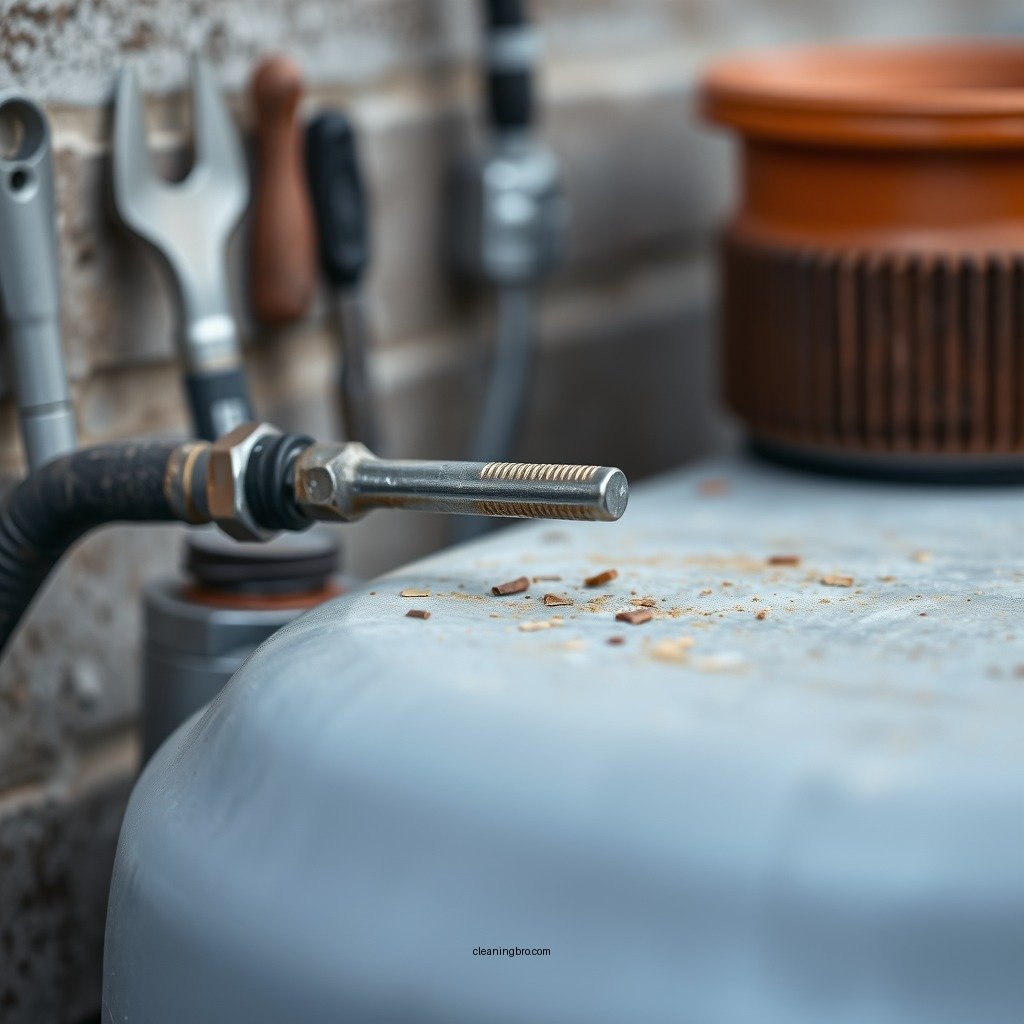
To effectively clean your grey water tank, you will need the following tools and supplies:
– Long-handled brushes for scrubbing the tank’s interior
– A wet/dry vacuum to remove debris and water
– A hose for rinsing
– Cleaning Agents:
– Biodegradable cleaning solutions that are safe for the environment
– Vinegar for its natural disinfecting properties
– Baking soda for deodorizing
Cleaning Agents Comparison Table
Top 3 Cleaning Agents for Grey Water Tanks
| Cleaning Agent | Effectiveness | Biodegradable | Cost |
|---|---|---|---|
| Vinegar | Effective | ✅ | $3/qt |
| Baking Soda | Moderately Effective | ✅ | $1/box |
| Biodegradable Cleaner | Highly Effective | ✅ | $10/qt |
Step-by-Step Cleaning Process
Cleaning your grey water tank involves a systematic approach:
1. Draining the Tank: Start by completely draining the grey water tank to prevent any residual water from interfering with the cleaning process. Use a pump if necessary and ensure proper disposal of the wastewater according to local regulations.
2. Scrubbing the Interior Surfaces: Once the tank is empty, use a long-handled brush to scrub the interior surfaces. Focus on areas with visible buildup or stains, using biodegradable cleaning agents as needed. Be thorough, as this step is crucial for eliminating bacteria and odors.
3. Removing Debris: Use a wet/dry vacuum to remove any remaining debris or sludge from the bottom of the tank. This will help ensure a clean surface for the next steps.
Rinsing and Sanitizing the Tank
Once the tank has been scrubbed and debris removed, rinsing and sanitizing are critical:
– Rinsing: Use a hose to thoroughly rinse the tank, removing any remaining cleaning agents and debris. This step is crucial to prevent residue from contaminating future water use.
– Sanitizing: To sanitize the tank, use a solution of diluted bleach (1 cup of bleach to 5 gallons of water) or a commercial sanitizer designed for grey water systems. Allow the sanitizing solution to sit for at least 30 minutes before rinsing again.
Maintenance Tips for Future Cleaning
To maintain your grey water tank and minimize cleaning frequency, consider the following tips:
– Frequency of Cleaning: Depending on usage, it is recommended to clean the tank every 3 to 6 months. Frequent use or heavy loads may necessitate more regular cleaning.
– Signs That Indicate the Tank Needs Cleaning: Be vigilant for signs such as unpleasant odors, slow drainage, or visible buildup inside the tank. If you notice any of these symptoms, it’s time to perform a thorough cleaning.
Troubleshooting Common Issues
Despite regular maintenance, issues can still arise. Here are some common problems and their solutions:
– Identifying Clogs and Odor Problems: If you experience slow drainage or strong odors, inspect the tank and connected pipes for clogs or blockages.
– Solutions for Preventing Buildup: To prevent buildup, avoid putting greasy or food waste down the drains, as this contributes to sludge accumulation. Regularly using a biodegradable cleaner can help break down organic matter and keep the tank functioning smoothly.
Summarizing the cleaning process, it’s essential to regularly maintain your grey water tank to avoid buildup and unpleasant odors. By following the outlined steps and tips, you can ensure your grey water system stays functional and hygienic. Don’t hesitate to start your cleaning today for a healthier home environment!
Frequently Asked Questions
What is the best way to clean a grey water tank?
The best way to clean a grey water tank involves a combination of methods, including using a mixture of vinegar and baking soda to break down buildup, followed by a thorough rinse with water. Regularly cleaning your tank every few months helps prevent clogs and unpleasant odors, ensuring your grey water system operates efficiently.
How often should I clean my grey water tank?
It is recommended to clean your grey water tank every 3 to 6 months, depending on usage and the volume of grey water produced. Regular maintenance helps minimize the risk of clogs and keeps the tank functioning optimally, prolonging its lifespan and preventing costly repairs.
Why is it important to clean a grey water tank?
Cleaning a grey water tank is crucial to prevent the buildup of harmful bacteria, odors, and clogs that can lead to system failures. A clean tank ensures that your grey water system operates efficiently, reducing the risk of leaks or overflow and promoting a healthier environment.
Which products are safe for cleaning a grey water tank?
Safe products for cleaning a grey water tank include eco-friendly options like vinegar, baking soda, and specialized grey water tank cleaners that are biodegradable. Avoid harsh chemicals or bleach, as they can harm the beneficial bacteria in your system and may lead to environmental issues.
How can I prevent my grey water tank from getting dirty?
To prevent your grey water tank from getting dirty, regularly inspect and maintain your plumbing system, using strainers to catch debris and avoid introducing harmful substances into the tank. Additionally, using biodegradable soaps and detergents can help reduce buildup and prolong the cleanliness of your grey water tank.
References
- https://www.epa.gov/watersense/water-efficient-landscaping
https://www.epa.gov/watersense/water-efficient-landscaping - https://www.ncbi.nlm.nih.gov/pmc/articles/PMC4606567/
https://www.ncbi.nlm.nih.gov/pmc/articles/PMC4606567/ - https://www.who.int/water_sanitation_health/publications/2017/greywater_reuse/en/
https://www.who.int/water_sanitation_health/publications/2017/greywater_reuse/en/ - https://www.cdc.gov/healthywater/drinking/cleaning.html
https://www.cdc.gov/healthywater/drinking/cleaning.html - https://www.britannica.com/science/water-recycling
https://www.britannica.com/science/water-recycling - https://www.sciencedirect.com/science/article/pii/S0959652617319465
https://www.sciencedirect.com/science/article/pii/S0959652617319465 - https://www.nature.com/articles/s41545-020-00012-8
https://www.nature.com/articles/s41545-020-00012-8 - https://www.reuters.com/article/us-health-water-greywater-idUSKBN1Z20D8
https://www.reuters.com/article/us-health-water-greywater-idUSKBN1Z20D8 - Google Scholar Google Scholar
https://scholar.google.com/scholar?q=cleaning+grey+water+tank - Google Scholar Google Scholar
https://scholar.google.com/scholar?q=grey+water+treatment+and+cleaning+methods