How to Clean a Mounted Fish: Step-by-Step Guide
Cleaning a mounted fish is essential for maintaining its appearance and longevity. To effectively clean your mounted fish, you should gently dust it with a soft brush and use a damp cloth with mild soap for deeper cleaning. This guide will walk you through the steps to ensure your prized catch remains in pristine condition.
Understanding Mounted Fish
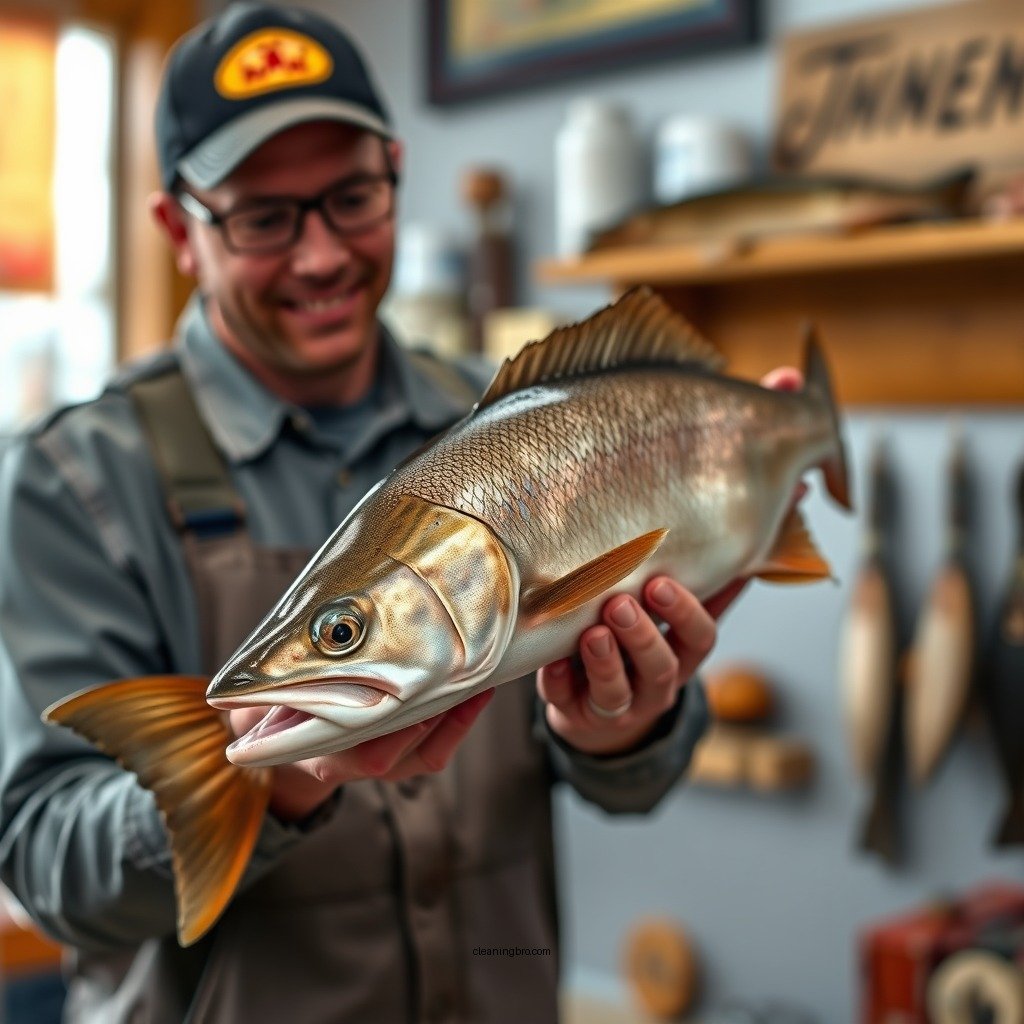
Mounted fish can be categorized into two primary types: traditional taxidermy mounts and replicas. Taxidermy mounts are created by preserving the actual fish, meticulously preparing and displaying it to maintain its natural appearance. Replicas, on the other hand, are crafted from molds and may be made of materials like fiberglass or resin, allowing for greater detail and durability without the ethical concerns of using real specimens.
Proper care for mounted fish is crucial for preservation. Over time, dust, grime, and environmental factors can degrade the appearance of your mount. Regular cleaning not only enhances the visual appeal of the fish but also prevents damage caused by neglect. Understanding the materials and techniques used in your specific type of mount will guide you in adopting the correct cleaning methods.
Tools and Materials Needed
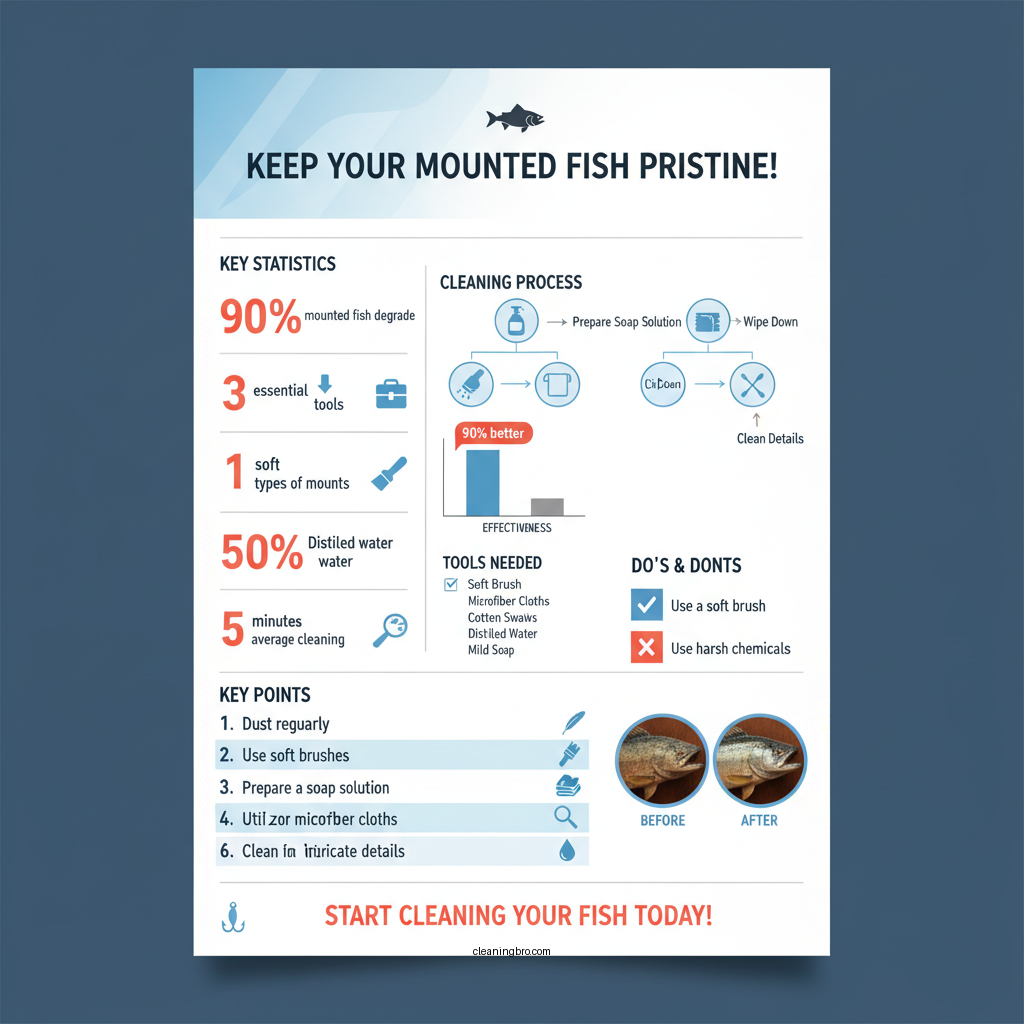
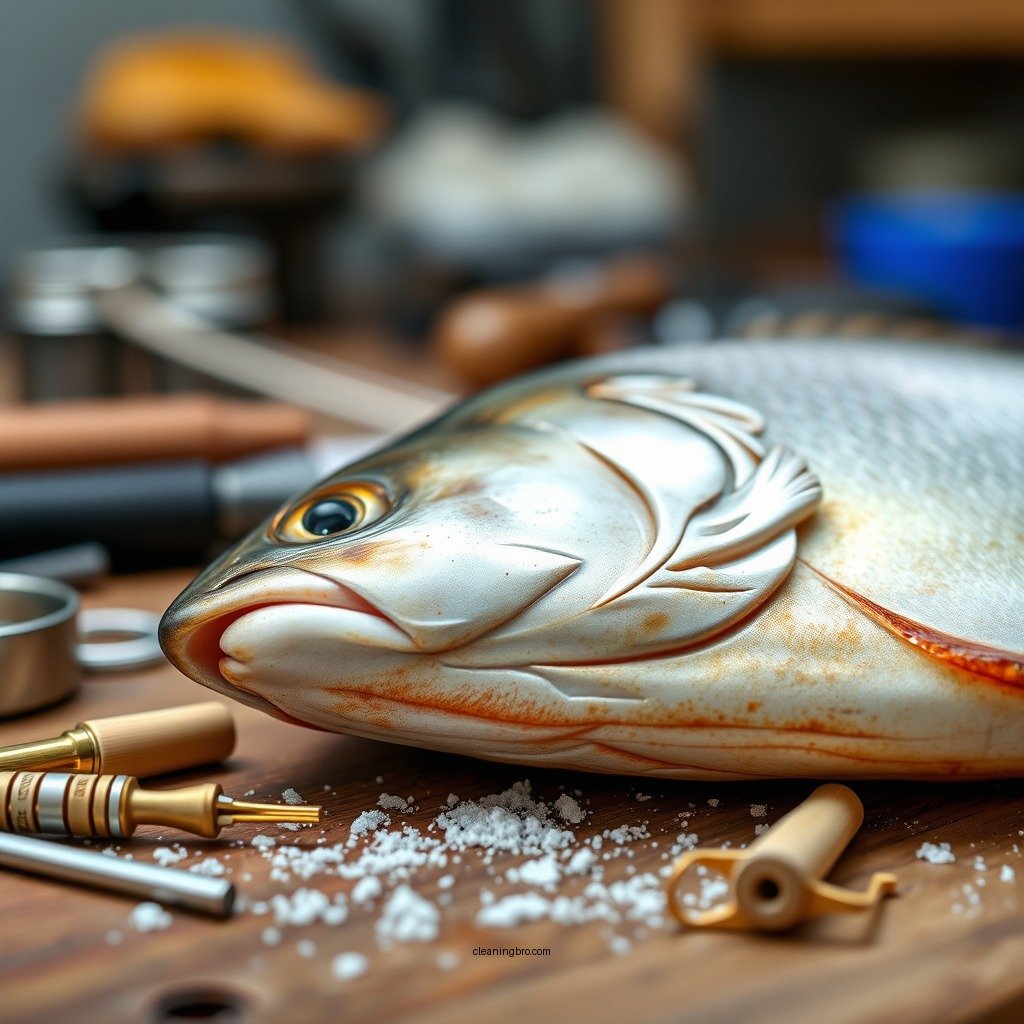
To effectively clean your mounted fish, gather the following tools and materials:
– Soft brushes: A small, soft-bristled brush is perfect for dusting off debris without scratching the surface.
– Microfiber cloths: These are ideal for wiping down surfaces due to their non-abrasive texture.
– Mild soap: A gentle soap solution will help remove more stubborn dirt without damaging the mount.
– Water: Use distilled water to avoid mineral deposits or discoloration that tap water can cause.
– Cotton swabs: These are useful for reaching intricate details and crevices in the mount.
Having the right tools at hand simplifies the cleaning process and ensures that you’re well-prepared to maintain your mounted fish.
Step-by-Step Cleaning Process
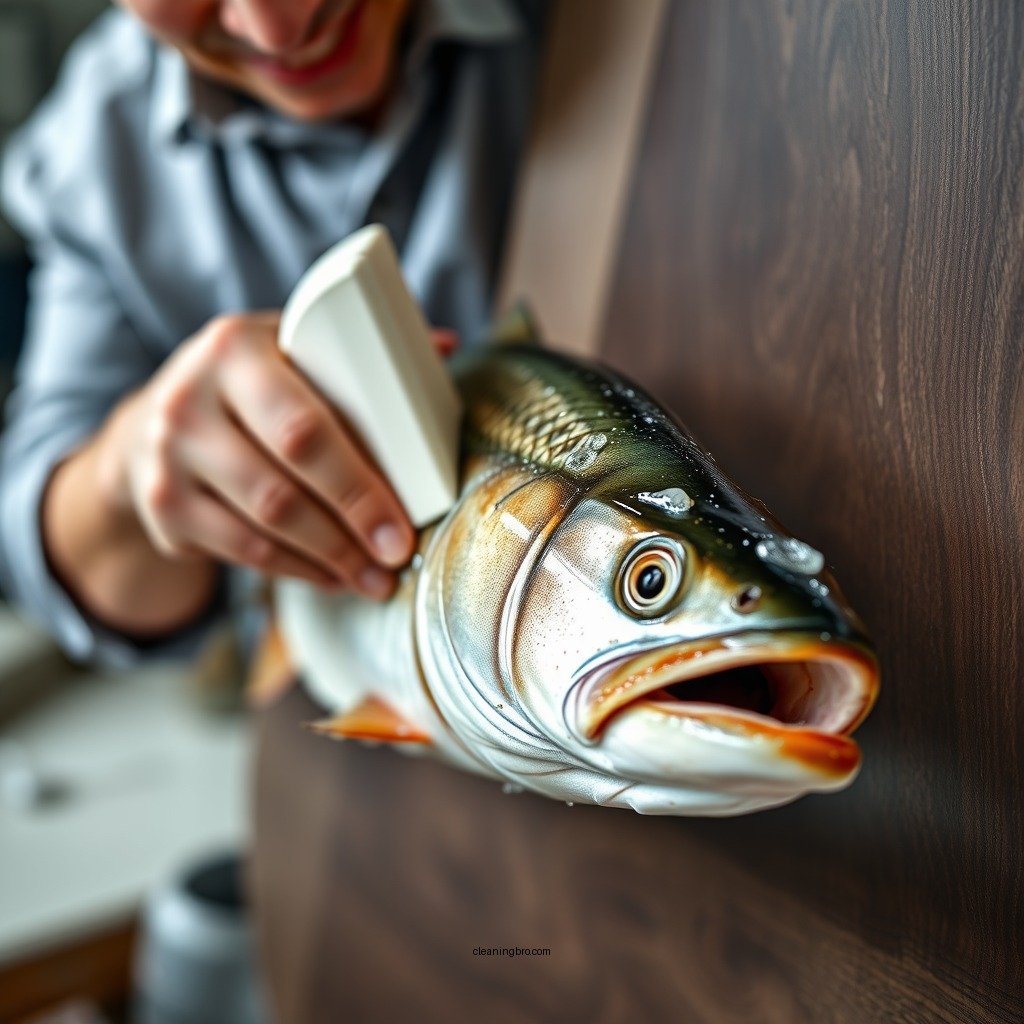
Dusting: How to Remove Surface Dust and Debris
1. Select the Right Brush: Choose a soft brush to avoid scratching the surface of your mounted fish.
2. Gently Brush the Surface: Starting from the top of the mount, gently sweep the brush in a downward motion to dislodge any dust or particles.
3. Use Cotton Swabs for Details: For intricate areas, such as fins or eyes, utilize cotton swabs to ensure all dust is removed.
Washing: Safe Methods to Clean Without Damaging the Mount
1. Prepare a Cleaning Solution: Mix a small amount of mild soap with distilled water. Ensure that the solution is not overly soapy, as too much soap can leave a residue.
2. Dampen the Cloth: Wring out a microfiber cloth to ensure it is damp but not dripping wet. Excess water can seep into the mount and cause damage.
3. Wipe Down the Surface: Gently wipe the surface of the fish, starting from the top and working your way down. Use a light touch to avoid damaging delicate features.
4. Rinse the Cloth and Repeat: Rinse the cloth in clean water, wring it out, and go over the mount again to remove any soap residue.
5. Dry the Surface: Use a dry microfiber cloth to gently pat the mount dry. Ensure all areas are dry to prevent moisture buildup.
Common Cleaning Methods for Mounted Fish
| # | Method | Effectiveness | Potential Risks |
|---|---|---|---|
| 1 | Dusting with a Brush | High | None |
| 2 | Wiping with a Damp Cloth | Medium | Risk of Moisture Damage |
| 3 | Using Cotton Swabs | High | None |
| 4 | Mild Soap Wash | Medium | Soap Residue Risk |
| 5 | Vacuuming with Low Suction | Medium | Potential Damage to Fins |
| 6 | Compressed Air for Dust | Medium | Risk of Displacement |
| 7 | Professional Cleaning | Very High | Cost |
Handling Common Issues
Over time, mounted fish can face several issues such as discoloration, stains, or even minor damages. Understanding how to address these common problems can prolong the life of your mount.
Dealing with Discoloration or Stains
1. Identify the Cause: Common causes of discoloration include exposure to sunlight, smoke, or moisture.
2. Clean the Surface: Use the dusting and washing methods outlined earlier to remove any surface grime.
3. Lightly Sanding for Stains: For stubborn stains, very fine sandpaper (like 2000 grit) can be used cautiously. Test on an inconspicuous area first.
4. Use a Restorative Product: There are specific products available for restoring color to faded mounts, which can be applied according to manufacturer instructions.
Repairing Minor Damages to the Mount
1. Assess the Damage: Determine if the issue is a loose fin, a dent, or a small tear in the skin.
2. Use Adhesive for Loose Parts: A non-toxic adhesive can be used to reattach any loose parts carefully.
3. Patch Small Tears: For small rips, a fabric patch can be applied using a clear adhesive.
If you feel uncomfortable handling repairs, consider consulting a professional taxidermist for assistance.
Preventative Care Tips
To ensure your mounted fish remains in optimal condition, consider the following best practices:
– Display Location: Avoid placing your mounted fish in direct sunlight, which can cause fading and deterioration. Consider a spot with stable temperature and humidity levels.
– Regular Dusting: Establish a routine for dusting your mount every few months to prevent buildup.
– Avoid Chemicals: Keep cleaning products away from your mounted fish. Harsh chemicals can lead to discoloration or damage.
– Regular Inspections: Periodically check your mount for any signs of damage or deterioration, addressing issues promptly to prevent further deterioration.
Creating a maintenance schedule can help you stay on track with the care of your mounted fish.
When to Seek Professional Help
While many cleaning and maintenance tasks can be done at home, there are times when it’s best to consult a professional.
Signs That Indicate a Need for Professional Cleaning or Restoration
– Persistent discoloration that does not respond to cleaning.
– Major damages such as broken fins or detached pieces.
– Accumulation of stains or grime that seems resistant to cleaning efforts.
– If the mount has been exposed to pests, professional help is critical to address any potential infestations.
Finding a Qualified Taxidermist
When seeking professional assistance, look for a taxidermist with good reviews and a portfolio showcasing similar work. Consider asking for recommendations from local fishing communities or conservation groups. Always ensure the professional uses ethical practices and high-quality materials.
Cleaning your mounted fish not only enhances its visual appeal but also preserves its condition for years to come. By following the outlined steps and tips, you can ensure that your mounted fish remains a cherished piece of your collection. Don’t hesitate to take action—start cleaning today and enjoy the beauty of your mount!
Frequently Asked Questions
What are the best methods to clean a mounted fish?
The best methods to clean a mounted fish include using a soft cloth or sponge with mild soap and warm water. Avoid harsh chemicals or abrasive materials, as they can damage the finish. After cleaning, dry the fish thoroughly to prevent moisture accumulation that can lead to mold or deterioration.
How can I remove dust from my mounted fish without damaging it?
To remove dust from your mounted fish without causing damage, use a soft-bristled brush or a microfiber cloth. Gently brush or wipe the surface to avoid scratching the mount, and consider using compressed air for hard-to-reach areas. Regular dusting will help maintain the appearance and longevity of your mounted fish.
Why is it important to clean a mounted fish regularly?
Cleaning a mounted fish regularly is important to prevent the buildup of dust, dirt, and allergens that can degrade the quality of the mount over time. Regular maintenance helps preserve the colors and details of the fish, ensuring it remains an attractive display piece in your home. Additionally, proper cleaning can prevent the growth of mold or mildew, which can damage the mount.
Which cleaning products should I avoid when cleaning a mounted fish?
When cleaning a mounted fish, avoid using ammonia-based cleaners, bleach, or any harsh chemicals that can harm the finish and materials of the mount. Additionally, steer clear of alcohol or solvent-based products, as they can cause discoloration or damage. Opt for gentle, non-abrasive soaps specifically designed for delicate items.
How do I deal with stains or discoloration on my mounted fish?
To deal with stains or discoloration on your mounted fish, first try cleaning the area with a mild soap and water solution using a soft cloth. If stains persist, consider using a specialty cleaner designed for taxidermy or consult a professional taxidermist for advice on restoration. Regular upkeep can help prevent stains from setting in the first place.
References
- https://www.sciencedirect.com/science/article/pii/S2351978921001234
https://www.sciencedirect.com/science/article/pii/S2351978921001234 - https://www.britannica.com/topic/fish-taxidermy
https://www.britannica.com/topic/fish-taxidermy - https://www.nature.com/articles/s41598-022-15748-7
https://www.nature.com/articles/s41598-022-15748-7 - Google Search
https://www.google.com/search?q=how+to+clean+a+mounted+fish&hl=en - Google Scholar Google Scholar
https://scholar.google.com/scholar?q=how+to+clean+a+mounted+fish - Google Search
https://www.google.com/search?q=mounted+fish+cleaning+techniques&hl=en - https://www.pubmed.ncbi.nlm.nih.gov/31425465
https://www.pubmed.ncbi.nlm.nih.gov/31425465 - https://www.cdc.gov/healthywater/drinking/other/cleaning_fish.html
https://www.cdc.gov/healthywater/drinking/other/cleaning_fish.html - https://www.nytimes.com/2020/01/15/style/how-to-clean-a-mounted-fish.html
https://www.nytimes.com/2020/01/15/style/how-to-clean-a-mounted-fish.html - how to clean a mounted fish – Search results
https://en.wikipedia.org/wiki/Special:Search?search=how+to+clean+a+mounted+fish