How to Clean a Mouthguard: Step-by-Step Guide
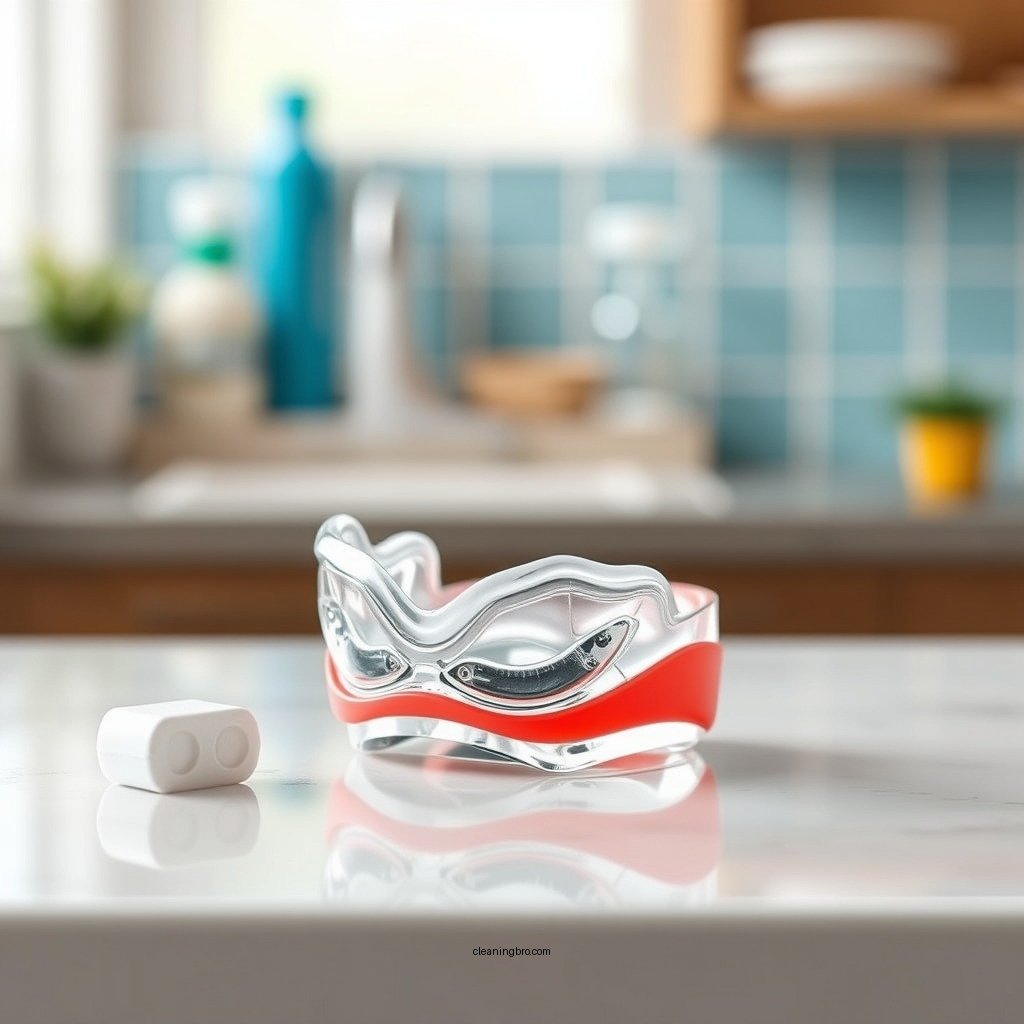
Cleaning a mouthguard is essential for maintaining oral hygiene and ensuring its longevity. To clean your mouthguard effectively, start by rinsing it under cool water, followed by using a gentle soap or mouthwash. In this guide, you’ll learn the best methods to keep your mouthguard fresh and bacteria-free.
Understanding the Importance of Cleaning a Mouthguard

Cleaning your mouthguard is crucial for several reasons. First and foremost, it prevents the buildup of bacteria and plaque, which can lead to oral infections and other health issues. Bacteria thrive in warm, moist environments, making an unclean mouthguard a perfect breeding ground. Regular cleaning helps eliminate these harmful microorganisms, safeguarding your oral health.
Secondly, maintaining the integrity and lifespan of the mouthguard is vital. Mouthguards can be expensive, and proper care can extend their use, saving you from frequent replacements. An unclean or damaged mouthguard may not provide adequate protection, especially during sports or teeth grinding. Therefore, incorporating a cleaning routine into your schedule is essential for both hygiene and cost-effectiveness.
Daily Cleaning Routine
To ensure your mouthguard remains in optimal condition, establish a daily cleaning routine.
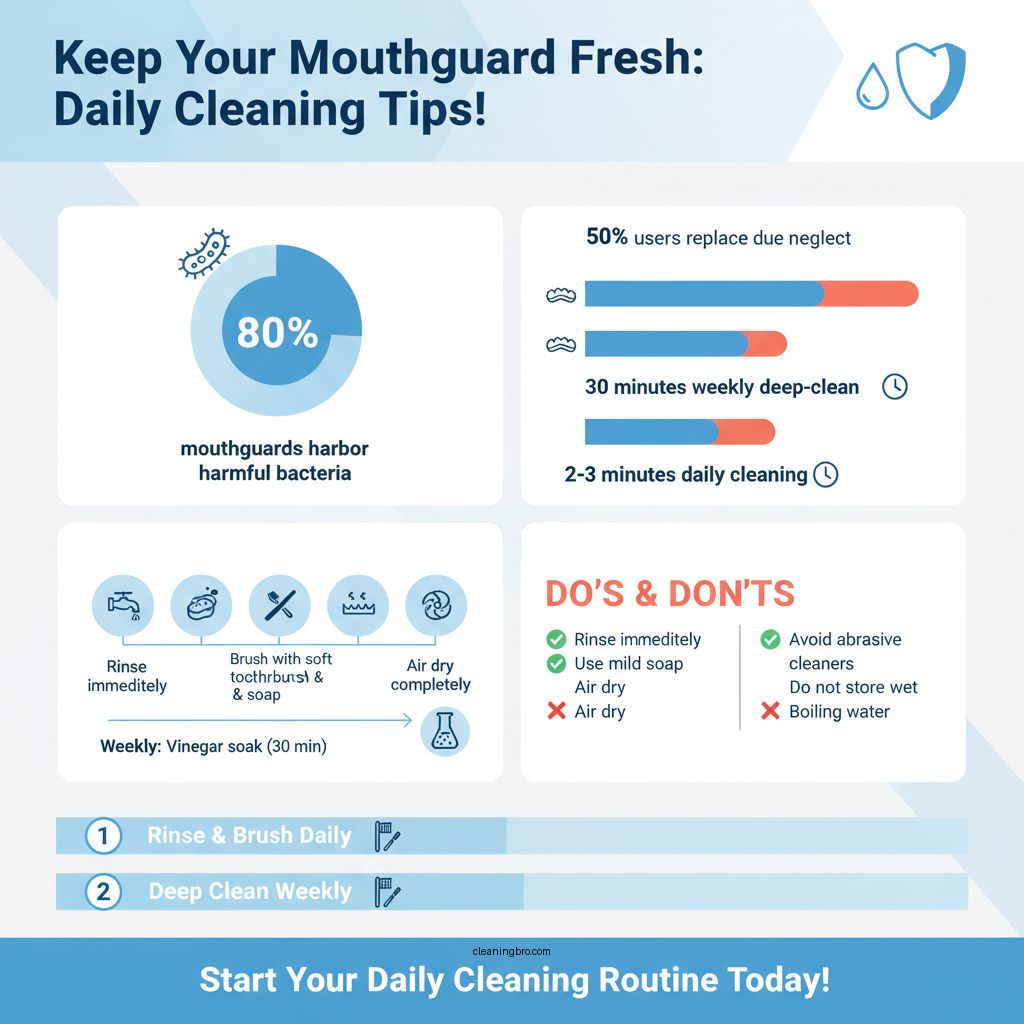
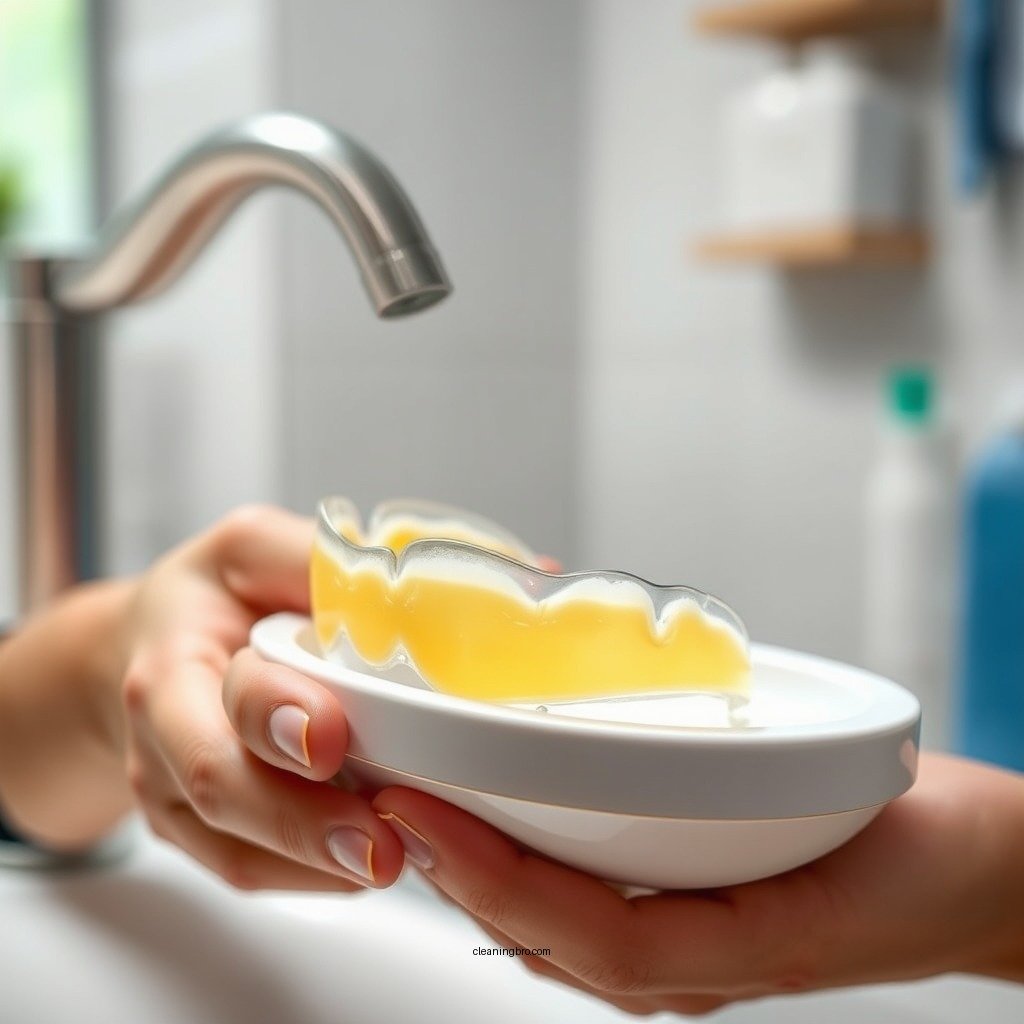
1. Rinse Immediately After Use: After taking out your mouthguard, rinse it under cool running water. This initial rinse removes saliva and food particles that may have accumulated during wear.
2. Use a Soft Toothbrush and Mild Soap: For a thorough clean, take a soft toothbrush and apply a small amount of gentle soap. Gently brush all surfaces of the mouthguard, focusing on areas that come into contact with your teeth and gums. Avoid using abrasive cleaners or hard-bristled toothbrushes, as these can scratch the surface and compromise its fit.
3. Rinse Again: After brushing, rinse the mouthguard thoroughly under cool water to remove any soap residue.
4. Dry Properly: Allow the mouthguard to air dry completely before storing it. This helps prevent moisture buildup, which can lead to bacterial growth.
By following these steps daily, you can maintain a clean mouthguard and ensure it effectively protects your teeth.
Weekly Deep Cleaning Methods
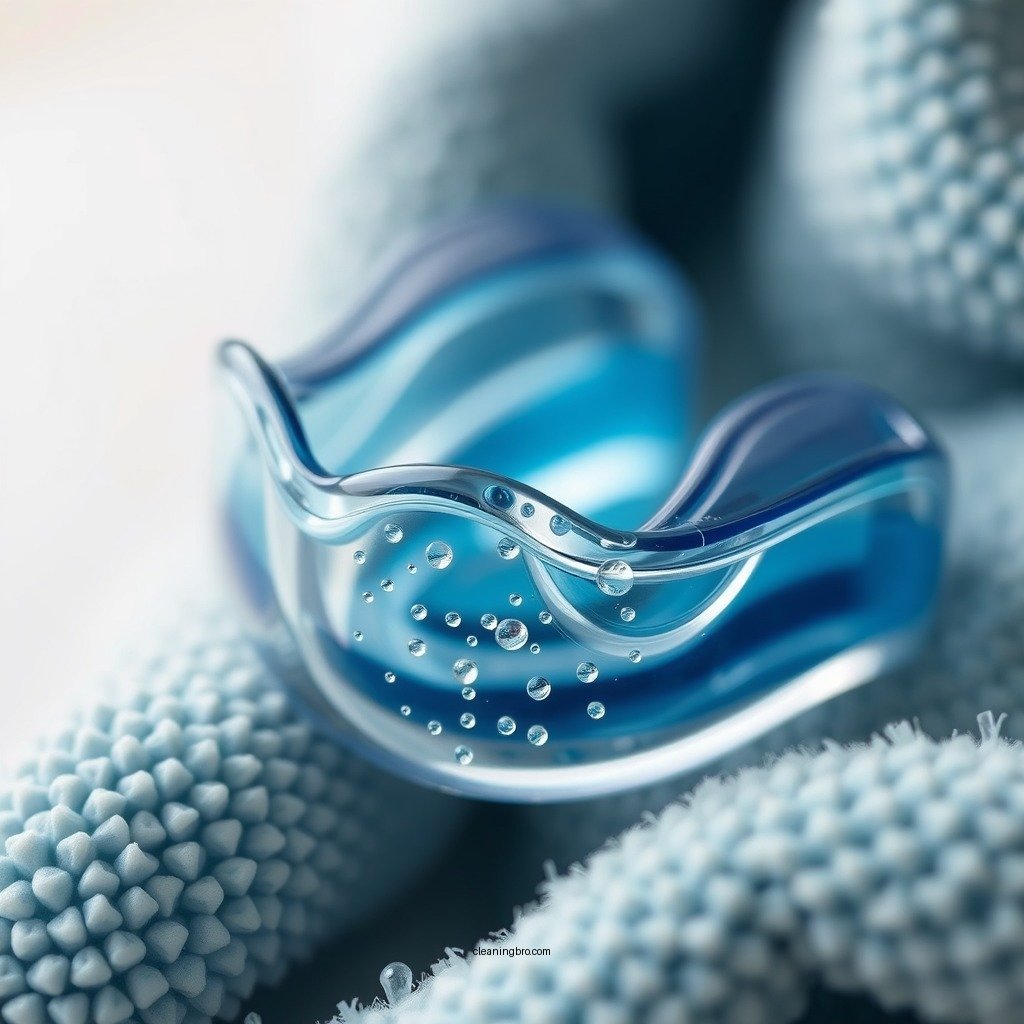
In addition to your daily cleaning routine, performing a deep clean on a weekly basis is beneficial to keep your mouthguard in pristine condition.
1. Vinegar and Water Solution: Soak your mouthguard in a mixture of equal parts water and white vinegar for about 30 minutes. Vinegar is a natural disinfectant that helps kill bacteria and neutralize odors. After soaking, rinse thoroughly with cool water.
2. Denture Cleaner Tablets: Another effective method is to use denture cleaner tablets. Dissolve one tablet in warm water and soak your mouthguard according to the manufacturer’s instructions, usually for around 15 to 20 minutes. This method is excellent for removing stains and ensuring a thorough clean.
3. Avoid Boiling Water: While it may be tempting to use boiling water for cleaning, avoid this method as it can distort the shape of your mouthguard, rendering it ineffective.
Comparison of Cleaning Methods
Top Cleaning Methods for Mouthguards
| # | Cleaning Method | Effectiveness | Ease of Use | Cost |
|---|---|---|---|---|
| 1 | Vinegar Solution | High | Moderate | Low |
| 2 | Denture Cleaner | Very High | Easy | Moderate |
| 3 | Soap and Water | Moderate | Easy | Very Low |
| 4 | Boiling Water | Low | Difficult | High |
| 5 | Hydrogen Peroxide | High | Moderate | Low |
| 6 | Baking Soda | Moderate | Easy | Very Low |
| 7 | Mouthwash | Low | Very Easy | Moderate |
Signs Your Mouthguard Needs Replacing
Even with the best cleaning practices, mouthguards do not last indefinitely. It is important to recognize the signs that indicate it’s time for a replacement:
1. Visible Wear and Tear or Cracks: If you notice any cracks or significant wear, it’s time to replace your mouthguard. Cracks can compromise its protective capabilities, leaving your teeth vulnerable.
2. Persistent Odor or Discoloration After Cleaning: If your mouthguard continues to emit an unpleasant odor or shows discoloration despite regular cleaning, these are signs that bacteria may be deeply embedded, and a replacement is advisable.
3. Decreased Comfort: Over time, mouthguards can lose their shape and fit. If you find that your mouthguard no longer fits snugly or feels uncomfortable, it may be time for a new one.
Monitoring the condition of your mouthguard will help you maintain optimal oral protection during activities that require it.
Best Practices for Storage
Proper storage of your mouthguard is just as crucial as cleaning it.
1. Ventilated Case: Always store your mouthguard in a ventilated case. This allows air to circulate and prevents moisture buildup, which can lead to bacteria and mold growth. Ensure that the case is also clean.
2. Avoid Direct Sunlight and Extreme Temperatures: Keep your mouthguard away from direct sunlight and areas with extreme temperatures, as heat can warp the material of the mouthguard.
3. Regularly Check the Storage Case: Just like the mouthguard, the storage case should be cleaned regularly. A dirty case can harbor bacteria that can transfer back to the mouthguard.
By following these storage practices, you can ensure that your mouthguard remains clean and effective when you need it most.
Tips for Maintaining Oral Hygiene
Maintaining oral hygiene is paramount, especially when using a mouthguard. Here are some tips:
1. Regularly Brush Your Teeth and Gums: Make it a habit to brush your teeth and gums thoroughly, especially after using your mouthguard. This helps remove any food particles or plaque that may have accumulated.
2. Consider Using an Antibacterial Mouthwash: Incorporating an antibacterial mouthwash into your oral hygiene routine can help further reduce bacteria in your mouth. This is especially beneficial before inserting your mouthguard.
3. Avoid Sharing Your Mouthguard: Mouthguards are personal items, and sharing them can introduce harmful bacteria. Always use your own mouthguard and encourage your teammates or family members to do the same.
By maintaining good oral hygiene, you not only prolong the life of your mouthguard but also ensure your overall dental health.
Regular cleaning and proper maintenance of your mouthguard are crucial for your oral health. Make it a habit to incorporate these cleaning techniques into your routine, and don’t hesitate to replace your mouthguard when necessary for optimal performance. By following these guidelines, you can enjoy a fresh and effective mouthguard, ensuring your smile remains protected during sports or sleep. Remember, your mouthguard is an investment in your health—treat it with the care it deserves.
Frequently Asked Questions
How often should I clean my mouthguard?
You should clean your mouthguard after every use to maintain optimal hygiene and prevent bacteria build-up. Rinsing it with cool water and using a gentle toothbrush or mouthguard cleaner can help keep it fresh. Regular cleaning not only extends the life of the mouthguard but also protects your oral health.
What is the best way to disinfect a mouthguard?
The best way to disinfect a mouthguard is by soaking it in a solution of equal parts water and white vinegar for about 30 minutes. After soaking, rinse it thoroughly with cool water. This method effectively eliminates bacteria and odor without damaging the material of the mouthguard.
Why does my mouthguard smell, and how can I prevent it?
A mouthguard can develop an unpleasant smell due to bacteria and plaque accumulation. To prevent this, ensure you clean it regularly after each use and store it in a well-ventilated case. Additionally, consider using a mouthguard cleaner or a mixture of baking soda and water for deeper cleaning.
Which products are safe to use for cleaning a mouthguard?
Safe products for cleaning a mouthguard include mild dish soap, non-alcoholic mouthwash, and specialized mouthguard cleaning tablets. Avoid using harsh chemicals or abrasive cleaners, as they can damage the material. Always rinse thoroughly after cleaning to ensure no residue remains.
How should I store my mouthguard when not in use?
Store your mouthguard in a hard, ventilated case to protect it from damage and bacteria when not in use. Ensure that the mouthguard is completely dry before placing it in the case to prevent moisture build-up, which can lead to mold or odor. Proper storage helps maintain the mouthguard’s shape and effectiveness.
References
- https://www.mayoclinic.org/healthy-lifestyle/adult-health/in-depth/dental-care/art-20045774
https://www.mayoclinic.org/healthy-lifestyle/adult-health/in-depth/dental-care/art-20045774 - https://www.ncbi.nlm.nih.gov/pmc/articles/PMC5827604/
https://www.ncbi.nlm.nih.gov/pmc/articles/PMC5827604/ - Transfusion-Related Acute Lung Injury – StatPearls – NCBI Bookshelf
https://www.ncbi.nlm.nih.gov/books/NBK507846/ - https://www.cdc.gov/oralhealth/conditions/mouthguards.html
https://www.cdc.gov/oralhealth/conditions/mouthguards.html - https://www.who.int/news-room/questions-and-answers/item/oral-health-mouthguards
https://www.who.int/news-room/questions-and-answers/item/oral-health-mouthguards - Google Scholar Google Scholar
https://scholar.google.com/scholar?q=how+to+clean+a+mouthguard - Google Scholar Google Scholar
https://scholar.google.com/scholar?q=mouthguard+cleaning+methods - Google Scholar Google Scholar
https://scholar.google.com/scholar?q=oral+health+care+mouthguards - https://www.britannica.com/science/mouthguard
https://www.britannica.com/science/mouthguard - how to clean a mouthguard – Search results
https://en.wikipedia.org/wiki/Special:Search?search=how+to+clean+a+mouthguard