How to Clean a Rusty Barbell: Step-by-Step Guide
Cleaning a rusty barbell is straightforward and can restore its functionality and appearance. By using the right materials and techniques, you can effectively remove rust and protect your equipment from further damage. This guide will walk you through the necessary steps to clean your barbell and keep it in top condition.
Gather Your Cleaning Supplies

To start the cleaning process, it is essential to gather the right supplies. A rust remover is a critical component, and there are various options available. You can either purchase a commercial rust remover or make a DIY solution using common household items like vinegar and baking soda. Vinegar is known for its acidic properties, which can help break down rust, while baking soda acts as a mild abrasive to aid in scrubbing.
In addition to the rust remover, you will need scrubbing pads and a wire brush to remove the rust effectively. A clean cloth is also necessary for drying the barbell after cleaning. Make sure to prioritize your safety by wearing gloves and safety goggles to protect your skin and eyes from any harmful chemicals or debris.
Preparing the Barbell for Cleaning
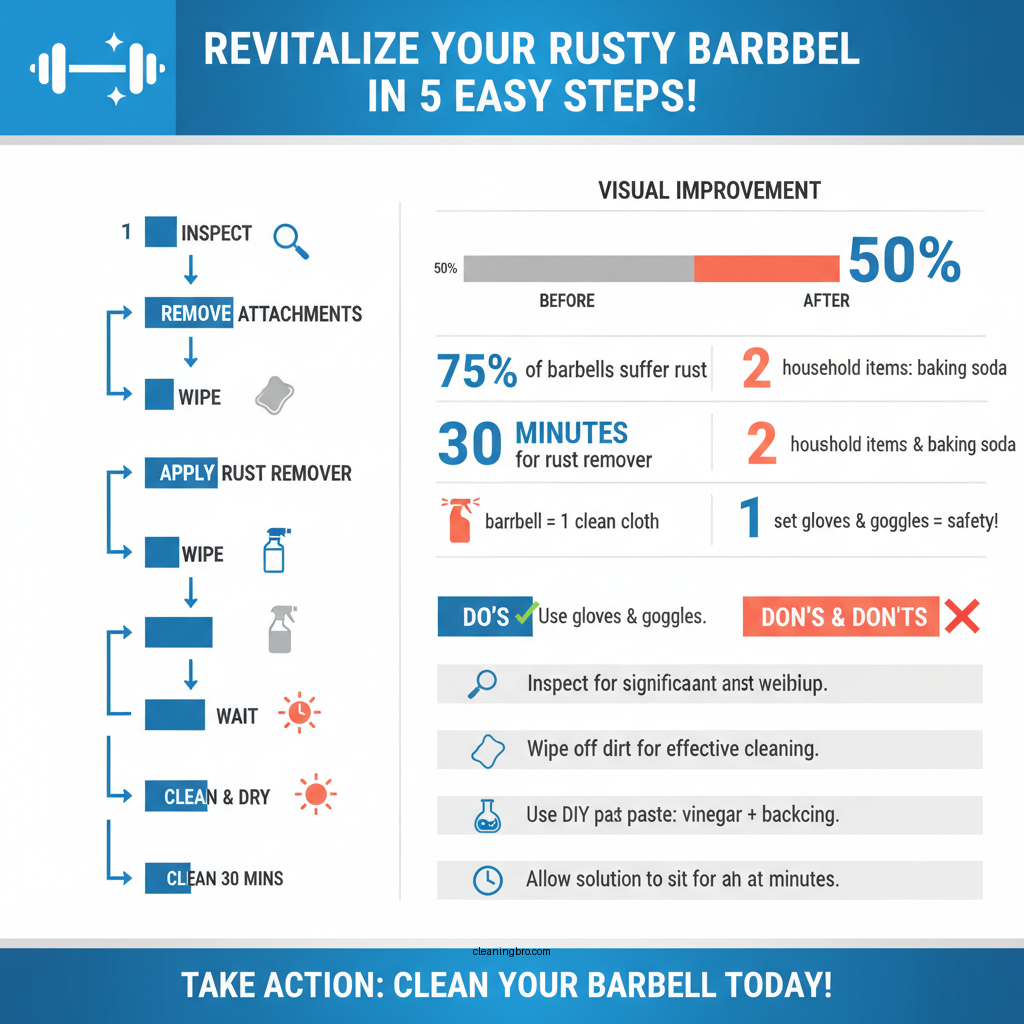

Before diving into the cleaning process, take a moment to inspect your barbell for any areas with significant rust buildup. Identifying the most affected sections will help you focus your efforts and ensure thorough cleaning.
Next, remove any attachments or weights from the barbell. This step is crucial as it allows you to concentrate on the bar itself without the added weight or obstruction. Once the barbell is free of attachments, wipe off any dirt or debris that may have accumulated on it. A clean working surface will make the cleaning process more effective and reduce the risk of scratching the barbell.
Applying the Rust Remover
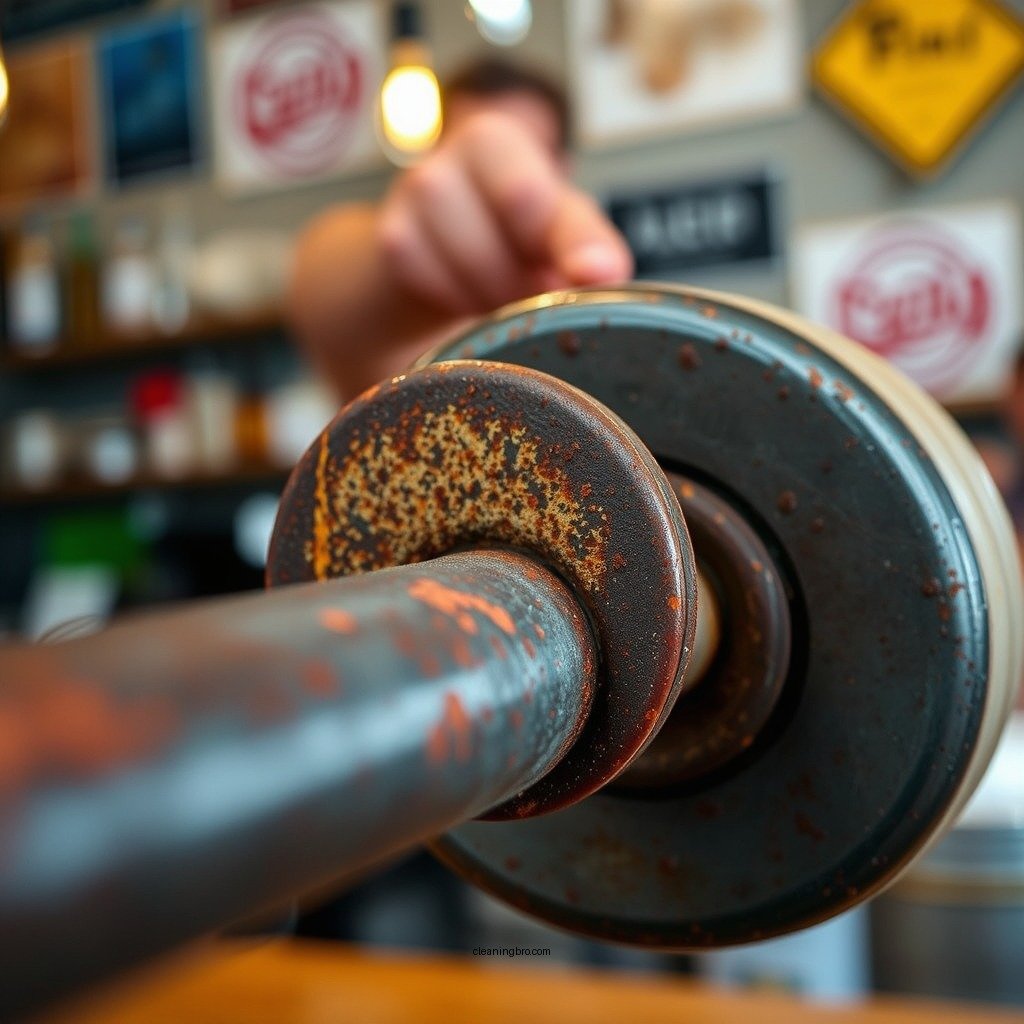
With your supplies ready and the barbell prepared, it’s time to apply the rust remover. Generously apply your chosen rust remover solution to the rusty areas. If you’re using a commercial product, follow the manufacturer’s instructions for the best results.
For those using a DIY solution of vinegar and baking soda, mix equal parts of both ingredients to create a paste. Apply this paste directly to the rusted areas of the barbell and allow it to sit for about 30 minutes. This wait time will enable the solution to penetrate the rust and loosen its grip on the metal.
Top 7 Barbell Rust Removers (2024)
| # | Product Name | Type | Active Ingredient | Effectiveness Rating |
|---|---|---|---|---|
| 1 | CLR Calcium, Lime & Rust Remover | Liquid | Citric Acid | ★★★★☆ |
| 2 | Evapo-Rust | Liquid | Chelating Agent | ★★★★★ |
| 3 | WD-40 Specialist Rust Remover | Spray | Petrolatum | ★★★★☆ |
| 4 | Rust-Oleum Rust Dissolver | Gel | Phosphoric Acid | ★★★★★ |
| 5 | Krud Kutter Rust Remover | Liquid | Natural Ingredients | ★★★★☆ |
| 6 | ZEP Heavy-Duty Rust Stain Remover | Liquid | Oxalic Acid | ★★★★☆ |
| 7 | Lime-A-Way | Liquid | Hydrochloric Acid | ★★★☆☆ |
Scrubbing Away the Rust
After allowing the rust remover to sit for the recommended time, it’s time to scrub away the rust. Use a wire brush or scrubbing pad to tackle the rusted spots effectively. When scrubbing, apply sufficient pressure to remove the rust but be cautious not to scratch or damage the barbell’s surface.
For particularly stubborn areas, you may need to apply additional rust remover to help loosen the rust further. Depending on the severity of the rust, you might need to repeat the scrubbing process until you achieve a clean surface. It’s essential to be patient and persistent during this step, as completely removing rust may take some time.
Rinsing and Drying the Barbell
Once you have scrubbed away the rust, it is crucial to rinse the barbell thoroughly with water. This step will remove any residue from the rust remover, ensuring that no chemicals remain on the barbell’s surface. After rinsing, dry the barbell completely with a clean cloth to prevent new rust formation.
To ensure thorough moisture removal, consider using a fan or allowing the barbell to air dry completely. It’s important to eliminate all moisture to avoid creating an environment conducive to future rust development.
Protecting Your Barbell from Future Rust
After successfully cleaning and drying your barbell, it’s essential to take proactive steps to protect it from future rust. One effective method is to apply a light coat of lubricant or protective oil to create a barrier against moisture. Many athletes and fitness enthusiasts recommend using products specifically designed for metal protection.
Additionally, consider storing the barbell in a dry, humidity-controlled environment. Avoid leaving it exposed to the elements or in damp places, as this can accelerate rust formation. Regularly inspecting and cleaning the barbell will help catch any early signs of rust, allowing you to address the issue before it worsens.
Regular Maintenance Tips
To maintain your barbell in optimal condition, implement a regular cleaning schedule. Aim to clean your barbell every few months or as needed based on your usage. If you frequently use your barbell in humid environments or have noticed moisture accumulation, consider increasing the frequency of your cleanings.
After workouts, ensure that your barbell remains dry. Avoid leaving it on damp surfaces, such as wet gym floors or in humid conditions. A simple practice like using gym towels to wipe down the bar after each session can significantly enhance its lifespan and protect against rust.
Finally, become familiar with the signs of rust and inspect your barbell regularly. Early detection allows you to take action before the rust becomes a larger issue, maintaining a safe and effective workout experience.
Keeping your rusty barbell clean and well-maintained not only extends its lifespan but also ensures a safe workout experience. By following these steps, you can easily restore your equipment and prevent future rust issues. Start by gathering your supplies and tackle that rust today!
Frequently Asked Questions
What are the best methods to clean a rusty barbell?
The best methods to clean a rusty barbell include using a mixture of vinegar and baking soda, which effectively removes rust without damaging the metal. Alternatively, you can use a rust remover product specifically designed for gym equipment. Always follow up with a thorough wash using warm, soapy water and dry the barbell completely to prevent further rusting.
How do I prevent my barbell from rusting after cleaning?
To prevent your barbell from rusting after cleaning, it is crucial to keep it dry and store it in a moisture-free environment. Applying a thin layer of machine oil or a specific barbell lubricant can create a protective barrier against moisture. Regular maintenance, such as periodic cleaning and inspection, will also help extend the lifespan of your barbell.
Why is it important to remove rust from a barbell?
Removing rust from a barbell is important because rust can weaken the metal, posing safety risks during workouts. Rusty barbells can also be unsightly and may lead to further degradation if not addressed promptly. Regular maintenance ensures better performance and longevity of your gym equipment.
Which tools do I need to effectively clean a rusty barbell?
To effectively clean a rusty barbell, you will need a wire brush or a rust removal tool, sandpaper or steel wool, and cleaning agents like vinegar or a commercial rust remover. Additionally, having a clean cloth for drying and protective gloves will help keep your hands safe during the cleaning process. These tools will make it easier to tackle stubborn rust spots and restore your barbell.
How often should I clean my barbell to prevent rust?
You should clean your barbell at least once every few months to prevent rust, but if you use it frequently or live in a humid environment, more regular cleaning is advisable. After each workout, wiping down the barbell with a damp cloth can remove sweat and moisture, reducing the risk of rust formation. Establishing a routine cleaning schedule will help maintain your barbell in optimal condition.
References
- Rust
https://en.wikipedia.org/wiki/Rust - https://www.sciencedirect.com/topics/engineering/rust
https://www.sciencedirect.com/topics/engineering/rust - https://www.ncbi.nlm.nih.gov/pmc/articles/PMC4592018/
https://www.ncbi.nlm.nih.gov/pmc/articles/PMC4592018/ - https://pubmed.ncbi.nlm.nih.gov/27556428/
https://pubmed.ncbi.nlm.nih.gov/27556428/ - Rust | Description, Causes, & Life Cycle | Britannica
https://www.britannica.com/science/rust - https://www.nature.com/articles/s41598-019-43829-1
https://www.nature.com/articles/s41598-019-43829-1 - https://www.ncbi.nlm.nih.gov/pmc/articles/PMC7223516/
https://www.ncbi.nlm.nih.gov/pmc/articles/PMC7223516/ - Google Scholar Google Scholar
https://scholar.google.com/scholar?q=how+to+clean+a+rusty+barbell - Google Scholar Google Scholar
https://scholar.google.com/scholar?q=removing+rust+from+metals - Google Scholar Google Scholar
https://scholar.google.com/scholar?q=rust+removal+techniques