How to Clean a Toothbrush After Strep Throat
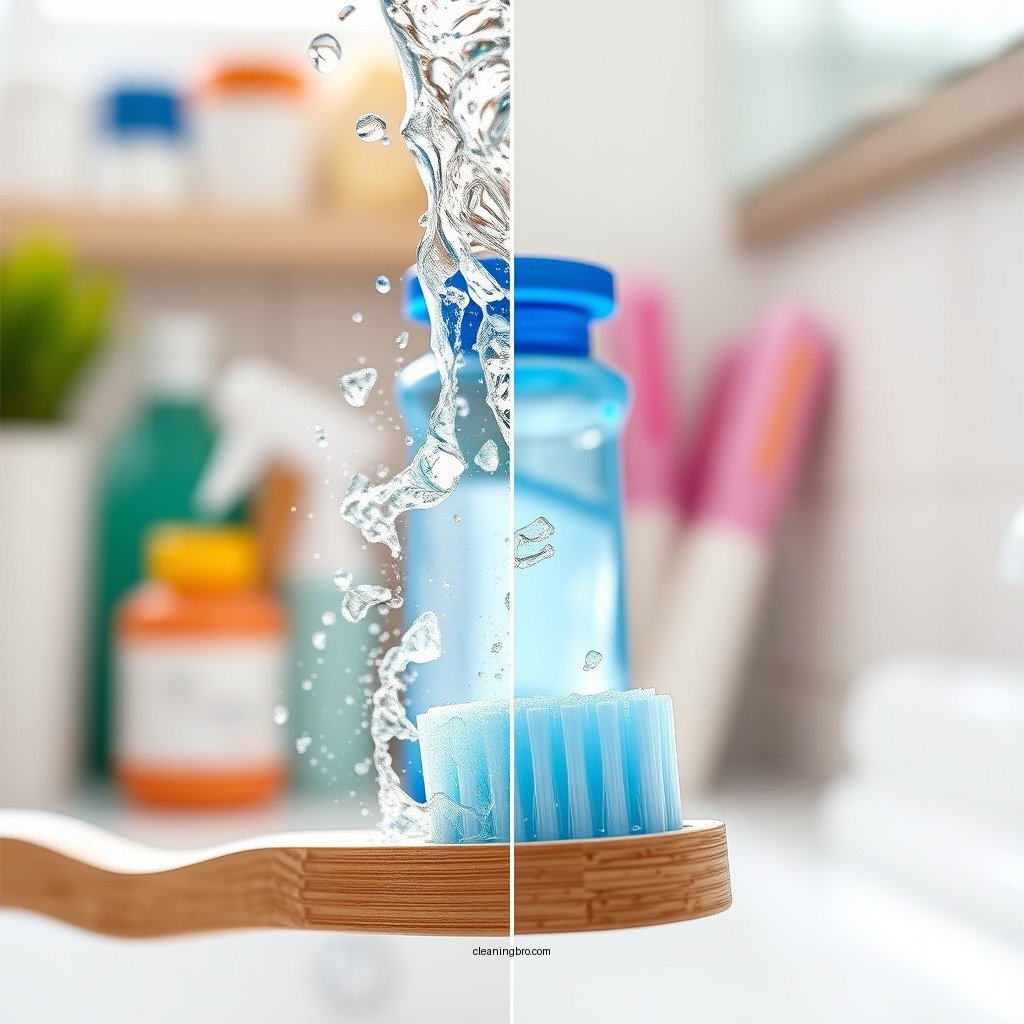
Cleaning your toothbrush after having strep throat is essential to prevent re-infection. The best methods involve disinfecting your toothbrush or replacing it entirely. In this article, you’ll learn effective cleaning techniques and tips for ensuring your toothbrush remains germ-free after your illness.
Why Cleaning Your Toothbrush is Important
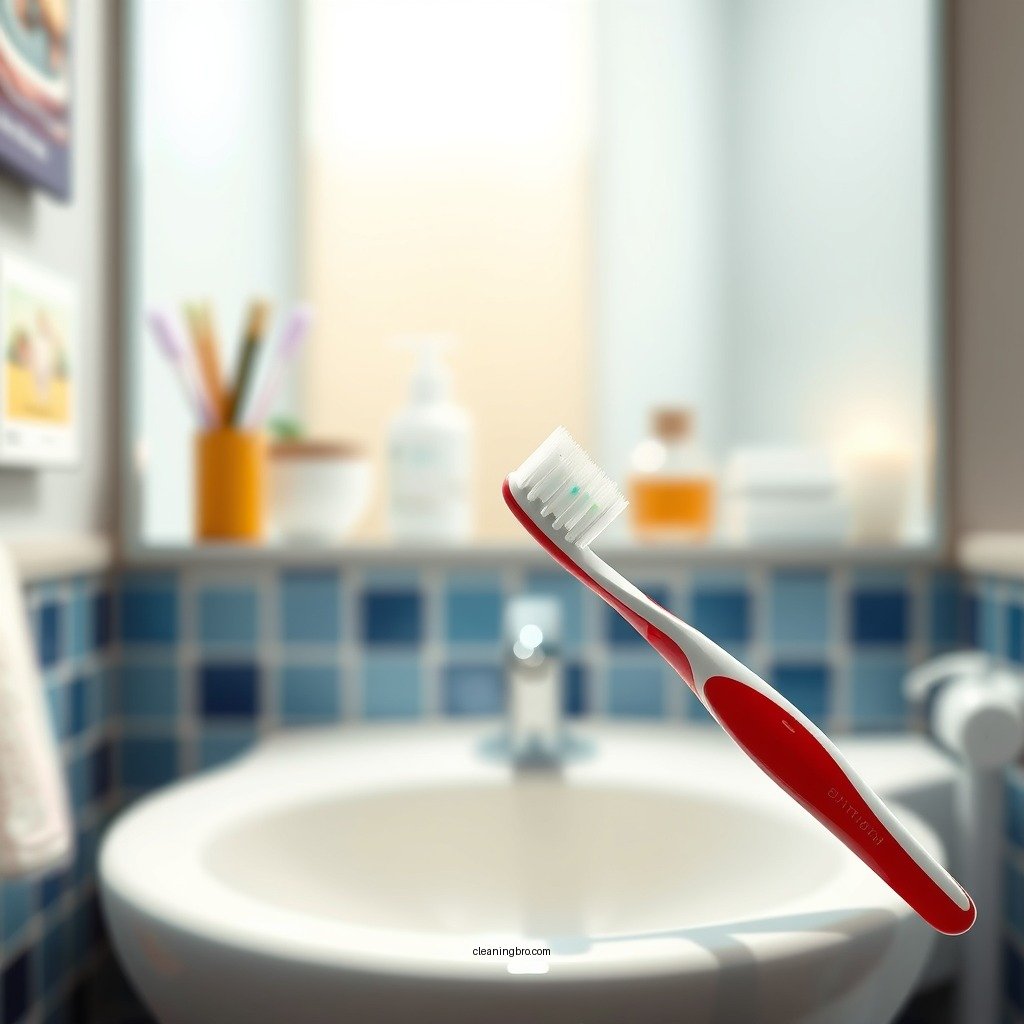
Cleaning your toothbrush is crucial after experiencing strep throat because it significantly reduces the risk of re-infection from lingering bacteria. Strep throat, caused by the Streptococcus bacteria, can be highly contagious and resilient. If any remnants of the bacteria remain on your toothbrush, they can easily be reintroduced into your system, potentially leading to a relapse or spreading the infection to others.
Additionally, maintaining your toothbrush’s cleanliness protects your oral health and overall well-being. A contaminated toothbrush can harbor not only strep bacteria but also other harmful pathogens that could compromise your immune system and lead to further complications. Thus, ensuring that your toothbrush is sanitized or replaced is a vital part of your recovery process.
When to Replace Your Toothbrush
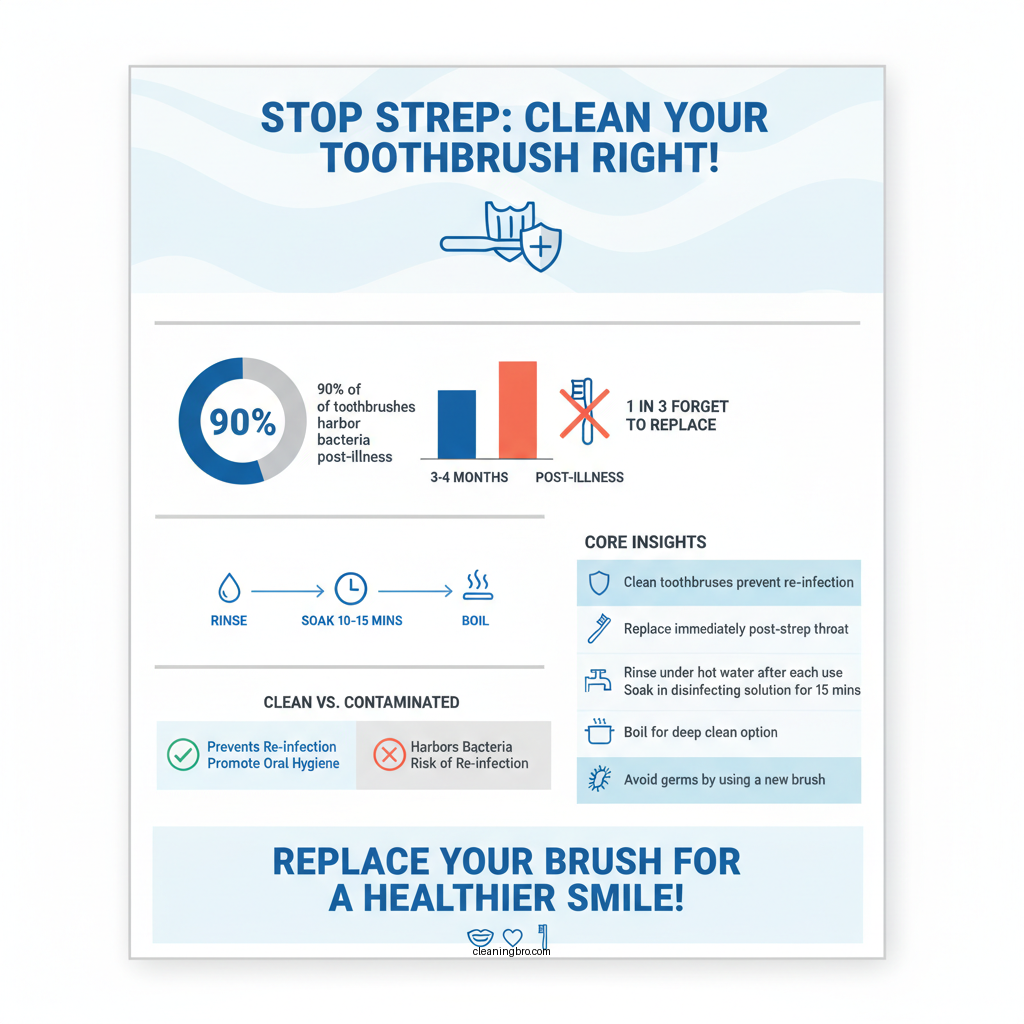
Ideally, you should replace your toothbrush after recovering from strep throat. The American Dental Association recommends discarding your toothbrush every three to four months, or sooner if the bristles become frayed or worn. However, when you have been ill—especially with a bacterial infection like strep throat—it’s critical to replace your toothbrush immediately after your treatment ends.
This preventive measure is essential for minimizing the risk of reintroducing harmful bacteria into your mouth. If you’re unsure whether to replace your toothbrush, err on the side of caution and get a new one. A fresh toothbrush can help ensure a clean start for your oral hygiene routine.
Effective Cleaning Methods
To properly clean your toothbrush after strep throat, there are several effective methods you can employ:
1. Rinse Thoroughly: After each use, rinse your toothbrush thoroughly under hot water. This helps remove any residual toothpaste and food particles, but it may not eliminate all bacteria.
2. Soaking Solutions: For a deeper clean, soak your toothbrush in a disinfecting solution. A mixture of hydrogen peroxide and water (50/50) or a non-alcoholic mouthwash can serve as effective disinfectants. Soak the toothbrush for 10-15 minutes before rinsing it thoroughly.
3. Boiling Water: Another method involves boiling water. Submerge your toothbrush in boiling water for a few minutes. The heat will kill most germs, including strep bacteria, but be cautious as the heat can also damage some toothbrush materials.
Disinfecting Comparison
Toothbrush Disinfecting Methods
| Method | Effectiveness | Time Required | Ease of Use |
|---|---|---|---|
| Hot Water Rinse | Moderate | 1 minute | Easy |
| Hydrogen Peroxide Soak | High | 15 minutes | Moderate |
| Boiling Water | Very High | 5 minutes | Moderate |
| 🏆 Best Method | Boiling Water | 5 minutes | Moderate |
Additional Disinfecting Techniques
In addition to the previously mentioned methods, there are other effective techniques for disinfecting your toothbrush:
1. UV Toothbrush Sanitizers: These devices use ultraviolet light to kill bacteria and viruses present on your toothbrush. While they require an initial investment, they can provide peace of mind regarding your toothbrush’s hygiene.
2. Vinegar Solution: Soaking your toothbrush in a solution of equal parts white vinegar and water for 30 minutes can also help disinfect it. Vinegar is a natural disinfectant that can eliminate many types of bacteria, including those that cause strep throat.
3. Dishwasher Cleaning: For those who own a dishwasher, placing your toothbrush in the top rack during a hot cycle can effectively sanitize it. Just ensure that the toothbrush is dishwasher safe, as certain materials may not withstand high temperatures.
Tips for Maintaining Toothbrush Hygiene
Maintaining your toothbrush hygiene is crucial for long-term oral health. Here are some practical tips to enhance the cleanliness of your toothbrush:
– Store Upright: Always store your toothbrush upright in a holder to allow it to air dry. This practice prevents moisture buildup, which can foster bacterial growth.
– Avoid Cross-Contamination: Keep your toothbrush away from other toothbrushes in the holder. This separation minimizes the risk of cross-contamination between brushes.
– Limit Cover Usage: While it may be tempting to use a cover for your toothbrush, doing so can trap moisture inside, creating an environment conducive to bacteria growth. If you must use a cover, ensure that it has ventilation holes.
Signs You Need to Replace Your Toothbrush
There are several signs that indicate it’s time to replace your toothbrush:
1. Frayed Bristles: If the bristles of your toothbrush are frayed or worn out, it is less effective at cleaning your teeth and gums. Replace it immediately to maintain optimal oral hygiene.
2. Discoloration: Any discoloration of the bristles can be a sign of bacterial buildup. If you notice any changes in color, it’s best to err on the side of caution and replace your toothbrush.
3. Recent Illness: If you’ve been sick, particularly with a contagious illness like strep throat, replacing your toothbrush is essential. This step minimizes the chance of reintroducing pathogens into your mouth.
Cleaning your toothbrush after strep throat is crucial for your recovery and health. Remember to use effective cleaning methods and consider replacing it to ensure you’re not reintroducing harmful bacteria into your mouth. By following these steps, you can maintain a healthy oral hygiene routine and prevent future illnesses. Prioritizing your toothbrush hygiene will not only support your recovery but also contribute to your overall oral health in the long run.
Frequently Asked Questions
How should I clean my toothbrush after recovering from strep throat?
After recovering from strep throat, it’s essential to clean your toothbrush thoroughly to prevent reinfection. Rinse the bristles under hot water to remove any bacteria, then soak the toothbrush in a mixture of equal parts water and hydrogen peroxide for about 10 minutes. Rinse again with hot water and allow it to air dry completely before using it again.
What is the best way to disinfect a toothbrush after strep throat?
The best way to disinfect a toothbrush after strep throat is to use a solution of hydrogen peroxide or mouthwash that contains antibacterial properties. Soaking the toothbrush in this solution for at least 10 minutes will help kill germs and bacteria. Remember to rinse thoroughly with water after soaking to ensure no residue remains.
Why is it important to clean my toothbrush after being sick with strep throat?
Cleaning your toothbrush after being sick with strep throat is crucial to avoid reinfection and spreading the bacteria to others. The bacteria that cause strep throat can linger on your toothbrush, potentially re-entering your system or affecting someone else who uses it. Regularly disinfecting your toothbrush helps maintain oral hygiene and overall health.
How often should I replace my toothbrush after having strep throat?
It’s recommended to replace your toothbrush after recovering from strep throat, ideally every three to four months. However, if you’ve been sick, replacing it immediately can provide extra peace of mind by eliminating any residual bacteria. Opt for a new toothbrush with soft bristles to ensure gentle cleaning of your teeth and gums.
Which cleaning solution is most effective for disinfecting a toothbrush after illness?
The most effective cleaning solutions for disinfecting a toothbrush after illness include hydrogen peroxide, mouthwash with antibacterial properties, or a mixture of vinegar and baking soda. Each of these options can effectively kill bacteria and viruses. Make sure to rinse the toothbrush thoroughly after soaking to ensure it’s safe for use.
References
- Group A Strep Infection | Group A Strep | CDC
https://www.cdc.gov/groupastrep/index.html - Page Not Found – Site Help – Mayo Clinic
https://www.mayoclinic.org/diseases-conditions/strep-throat/symptoms-causes/syc-20344299 - https://www.ncbi.nlm.nih.gov/pmc/articles/PMC4936816/
https://www.ncbi.nlm.nih.gov/pmc/articles/PMC4936816/ - Detail
https://www.who.int/news-room/fact-sheets/detail/strep-throat - Strep Throat: Symptoms, Causes, Treatment, and More
https://www.healthline.com/health/strep-throat - Strep throat | pathology | Britannica
https://www.britannica.com/science/strep-throat - Google Scholar Google Scholar
https://scholar.google.com/scholar?q=cleaning+toothbrush+after+strep+throat - Google Scholar Google Scholar
https://scholar.google.com/scholar?q=strep+throat+toothbrush+disinfection - Google Scholar Google Scholar
https://scholar.google.com/scholar?q=oral+hygiene+strep+throat - Google Scholar Google Scholar
https://scholar.google.com/scholar?q=how+to+clean+a+toothbrush+after+strep+throat