How to Clean Algae from Aquarium Decorations: Effective Methods
To effectively clean algae from your aquarium decorations, you can use a variety of methods that are safe for your fish and plants. Whether you prefer manual scrubbing, using specialized tools, or applying natural solutions, this guide will provide you with the best practices to ensure your aquarium remains clean and visually appealing. Maintaining a clean aquarium is crucial not only for aesthetics but also for the health of your aquatic life, as excessive algae can lead to oxygen depletion and other detrimental effects.
Understanding Algae Growth
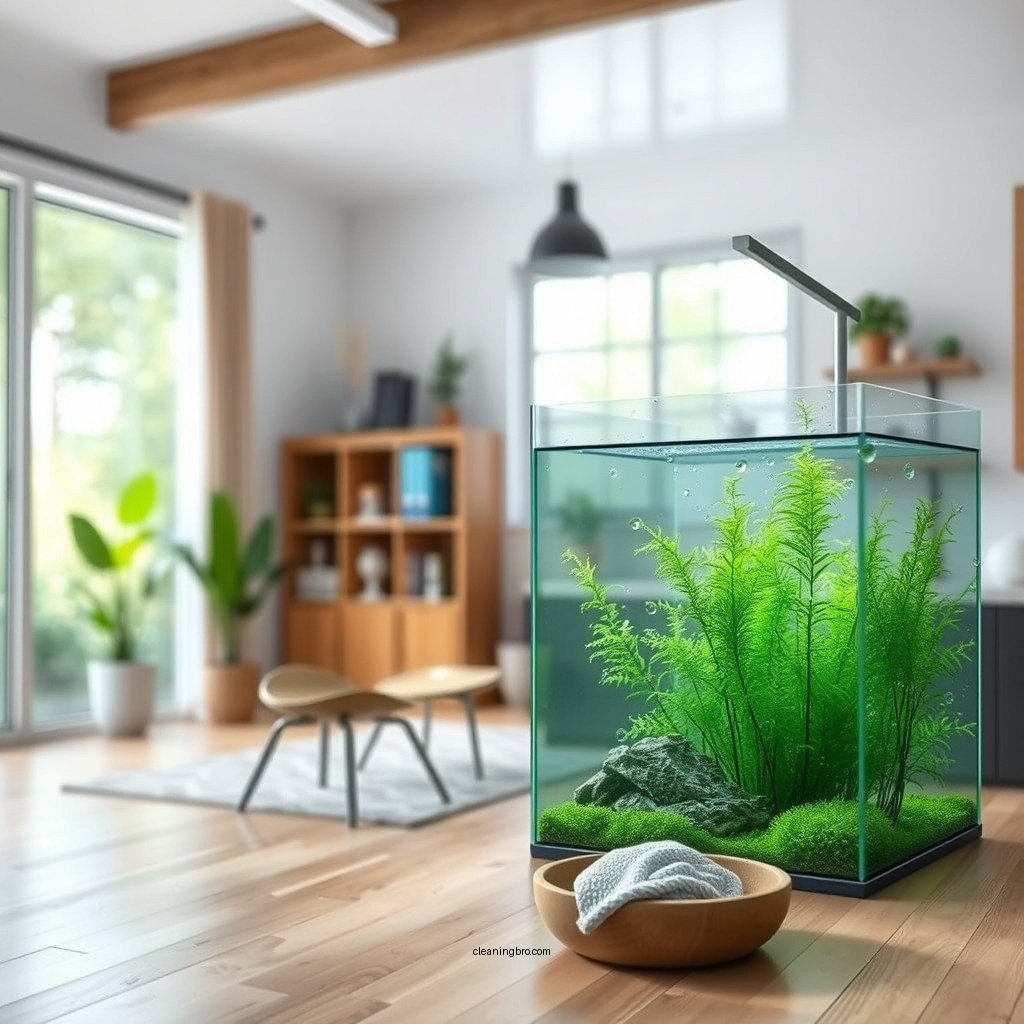
Algae thrive in aquariums primarily due to excess nutrients, light, and stagnant water. When fish waste, uneaten food, and decaying plant matter accumulate, they release nitrates and phosphates, which serve as fertilizer for algae. Algae can manifest in various forms, including green algae, which appears as a slimy coating on decorations; brown algae, which often occurs in newly established tanks; and blue-green algae, which can be toxic and requires immediate attention. Each type of algae demands a different approach for effective cleaning and prevention, highlighting the need for an understanding of their unique characteristics.
Manual Scrubbing Techniques
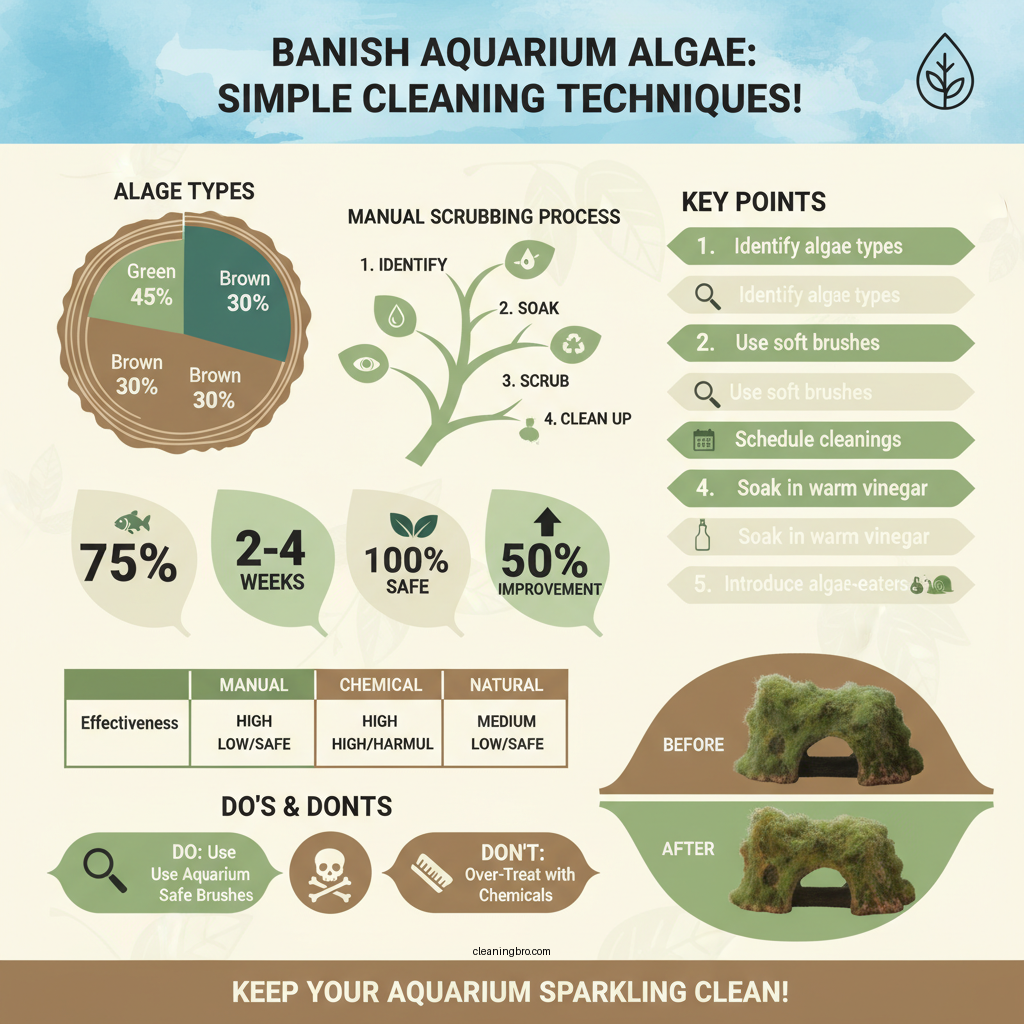
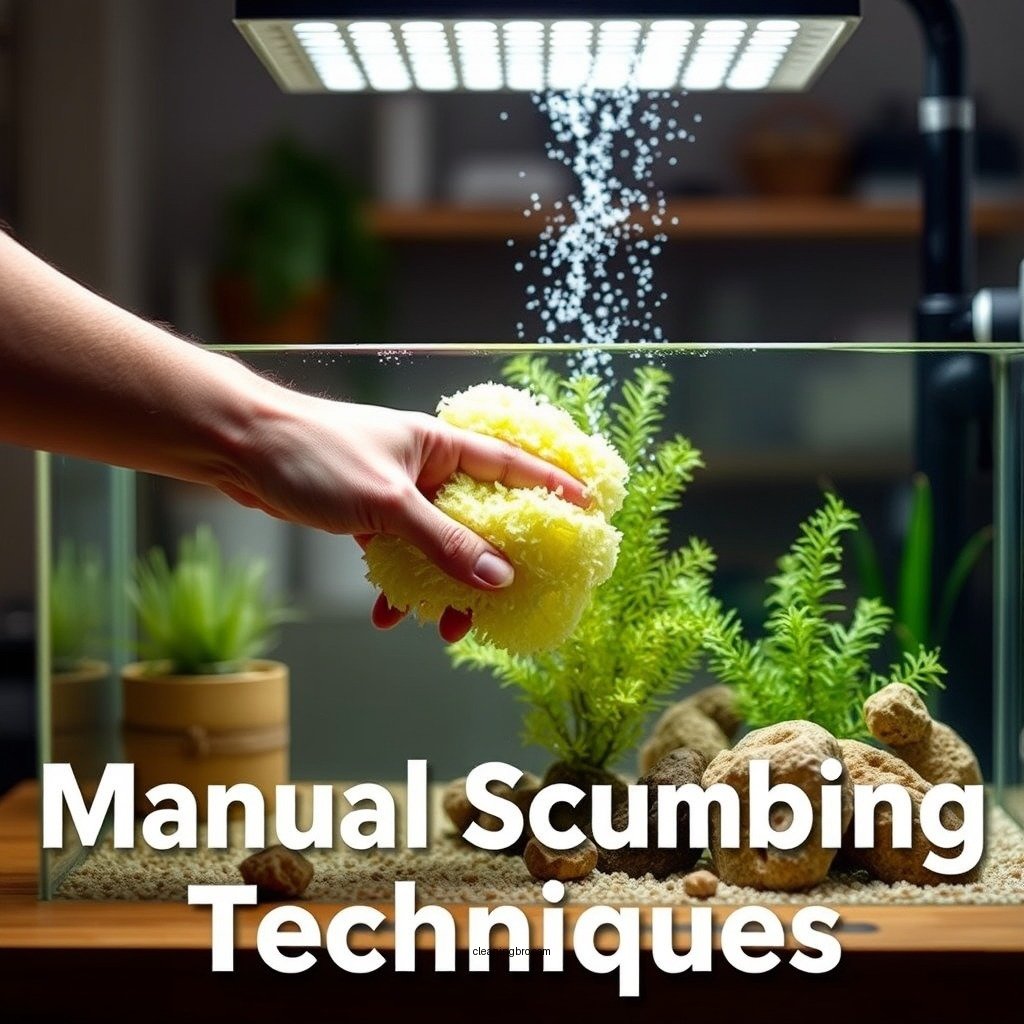
One of the most straightforward methods for removing algae is manual scrubbing. Using a soft brush or sponge is essential to gently scrub decorations without scratching their surfaces. It’s advisable to choose brushes specifically designed for aquarium use, as they are less abrasive on delicate materials. Regularly scheduling cleanings every few weeks can prevent thick algae buildup, making the process less labor-intensive over time. For stubborn spots, you may need to soak the decorations in warm water or vinegar to loosen the algae before scrubbing. This method is effective, eco-friendly, and safe for your aquatic inhabitants.
Chemical Solutions for Algae Removal
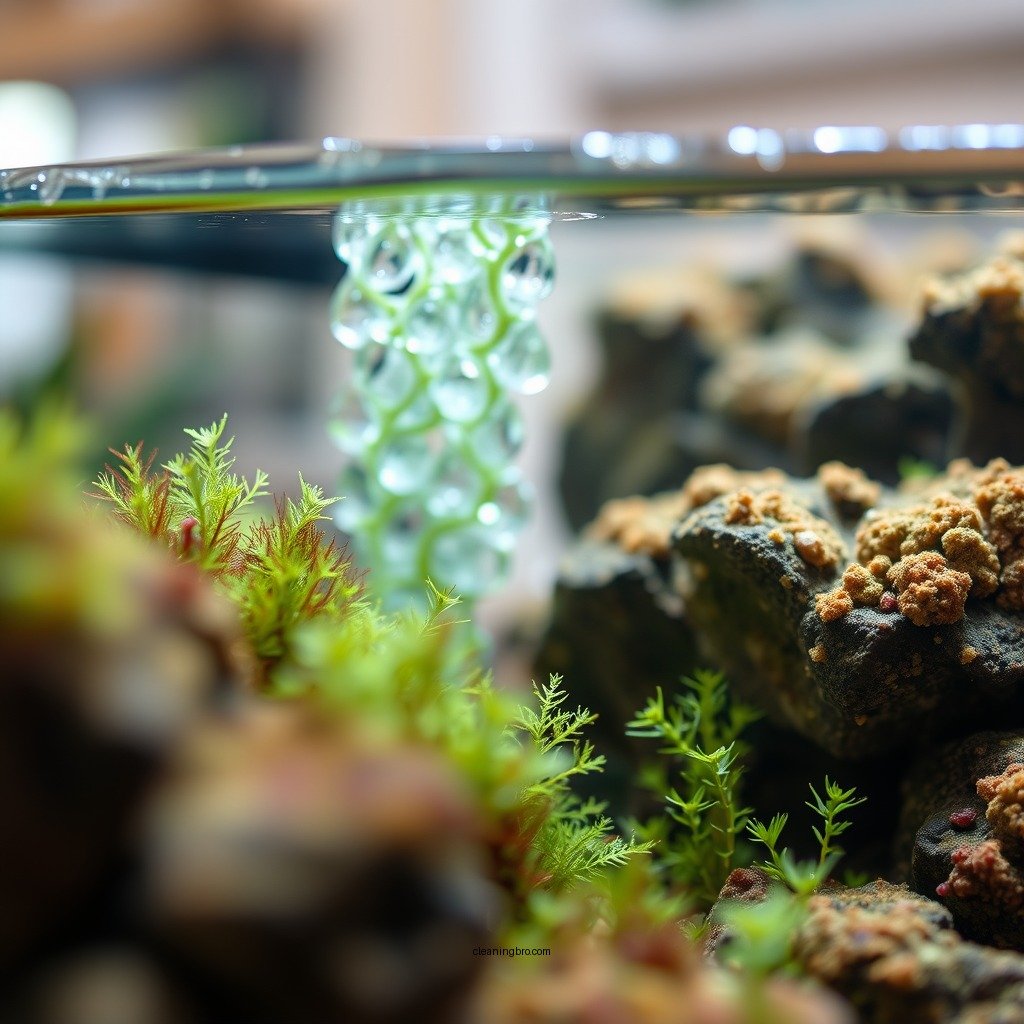
If manual scrubbing is not yielding satisfactory results, you may consider using chemical solutions for algae removal. There are various aquarium-safe chemical treatments specifically designed to combat algae without harming fish or plants. Products containing algaecides can effectively reduce algae growth when used correctly. It’s crucial to always follow the manufacturer’s instructions to avoid over-treatment, which can lead to harmful spikes in chemical levels. Additionally, observe your aquarium after treatment to ensure that fish and plants are not adversely affected.
Natural Remedies to Combat Algae
Incorporating natural remedies can be an effective and sustainable way to manage algae growth. Introducing algae-eating fish or invertebrates, such as snails or shrimp, can significantly help keep algae levels in check. Species like the Siamese algae eater or the nerite snail are popular choices among aquarists. Moreover, natural ingredients like vinegar can be used to soak decorations before scrubbing, as its mild acidity helps dissolve algae. Other options include using hydrogen peroxide in controlled amounts or planting fast-growing aquatic plants that outcompete algae for nutrients.
Top Algae Types Found in Aquariums (2023)
| # | Algae Type | Characteristics | Recommended Treatment |
|---|---|---|---|
| 1 | Green Algae | Slimy green coating on surfaces | Manual scrubbing; algae-eating fish |
| 2 | Brown Algae | Filmy, brownish coating | Increase water circulation; manual removal |
| 3 | Blue-Green Algae | Slimy with a foul smell | Algaecides; immediate removal |
| 4 | Red Algae | Matted appearance | Manual removal; enhance water flow |
| 5 | Spot Algae | Small, localized patches | Manual scrubbing; targeted treatments |
| 6 | Thread Algae | Hair-like strands | Manual removal; increase water flow |
| 7 | Cladophora | Green, bushy strands | Manual removal; enhance water circulation |
Prevention Strategies for Algae Control
Maintaining a clean aquarium goes beyond just cleaning; prevention is key to controlling algae growth. One of the most effective strategies is to maintain a consistent lighting schedule. Limiting exposure to 8-10 hours per day can significantly reduce algae growth, as they thrive in prolonged light conditions. Additionally, regularly testing and balancing your water parameters is essential, focusing particularly on nitrate and phosphate levels, which should remain low to deter algae proliferation. Implementing a regular water change schedule, ideally 10-15% weekly, can help maintain optimal water quality and dilute excess nutrients.
Cleaning Tools and Equipment
To facilitate cleaning, investing in specialized aquarium cleaning tools can make maintenance easier and more effective. Algae scrapers, which are designed for both glass and acrylic surfaces, can efficiently remove algae without scratching the material. Siphons are another valuable tool, allowing you to clean substrate and decorations while performing water changes. Additionally, keeping an algae magnet on hand can ensure quick touch-ups on glass surfaces, allowing for effortless cleaning without needing to remove decorations. These tools can save time and effort while maintaining the aesthetic appeal of your aquarium.
Top Algae Cleaning Tools Comparison
| Feature | ⭐ Algae Scraper | Siphon Cleaner | Algae Magnet |
|---|---|---|---|
| Ease of Use | ✅ Simple | ✅ Very Simple | ✅ Quick |
| Material Compatibility | Glass & Acrylic | All Types | Glass Only |
| Cost | $10-$20 | $15-$30 | $5-$15 |
| Effectiveness | ✅ High | ✅ Very High | ✅ Moderate |
| Portability | ❌ Less Portable | ✅ Highly Portable | ✅ Portable |
| Maintenance Needs | Low | Very Low | Moderate |
| Learning Curve | ★★★☆☆ | ★★★★☆ | ★★☆☆☆ |
| User Ratings | ★★★★☆ | ★★★★★ | ★★★☆☆ |
| Warranty | 1 Year | 1 Year | 6 Months |
| 🏆 Best For | Regular maintenance | Deep cleaning | Quick touch-ups |
When to Seek Professional Help
While regular maintenance can effectively manage algae growth, there are times when it may become necessary to seek professional help. If algae growth becomes unmanageable or if your aquarium experiences rapid changes in water quality, consulting with a professional aquarium service can provide you with the expertise needed to address underlying issues. Additionally, regular professional maintenance can help prevent long-term problems, ensuring that your tank remains a thriving ecosystem. Professional services often offer comprehensive solutions, including water testing, equipment maintenance, and tailored cleaning strategies.
By following these effective methods for cleaning algae from aquarium decorations, you can maintain a healthy environment for your aquatic pets while enhancing the beauty of your aquarium. Regular maintenance, combined with the right tools and techniques, ensures that your decorations remain a vibrant part of your underwater ecosystem. Start implementing these strategies today for a cleaner, algae-free aquarium!
Frequently Asked Questions
What are the best methods to clean algae from aquarium decorations?
The best methods to clean algae from aquarium decorations include using a soft brush or sponge specifically designed for aquariums, which helps gently scrub away algae without damaging the surfaces. You can also use a mixture of vinegar and water to soak the decorations, as the acidity helps dissolve algae. Always ensure to rinse thoroughly before placing them back in the tank to avoid any harmful residue.
How often should I clean algae from my aquarium decorations?
You should clean algae from your aquarium decorations at least once a month, or more frequently if you notice significant growth. Factors like lighting, nutrient levels, and the presence of algae-eating fish can affect algae growth rates, so adjust your cleaning schedule accordingly. Regular maintenance helps maintain water quality and the overall health of your aquarium.
Why does algae grow on aquarium decorations, and how can I prevent it?
Algae grows on aquarium decorations primarily due to excess nutrients, light exposure, and stagnant water conditions. To prevent algae growth, maintain a balanced feeding schedule, ensure proper filtration, and limit light exposure to about 8-10 hours a day. Adding live plants and algae-eating fish can also help keep algae in check.
Which aquarium decorations are most prone to algae growth?
Aquarium decorations made of porous materials, such as rocks and certain types of resin, are most prone to algae growth due to their texture, which provides a surface for algae to cling to. Additionally, decorative items that are not regularly cleaned or are placed in high-light areas are more likely to develop algae. Choosing smoother surfaces and rotating decorations can help reduce this issue.
What should I avoid when cleaning algae from aquarium decorations?
When cleaning algae from aquarium decorations, avoid using harsh chemicals, soaps, or abrasive materials, as they can harm your fish and alter water chemistry. Additionally, never use bleach or ammonia, as these substances are toxic to aquatic life. Instead, stick to safe, aquarium-friendly products and methods to ensure the health of your tank.
References
- Aquarium
https://en.wikipedia.org/wiki/Aquarium - https://www.ncbi.nlm.nih.gov/pmc/articles/PMC5800713/
https://www.ncbi.nlm.nih.gov/pmc/articles/PMC5800713/ - https://www.sciencedirect.com/topics/agricultural-and-biological-sciences/aquarium
https://www.sciencedirect.com/topics/agricultural-and-biological-sciences/aquarium - Aquarium | Setup, Fish & Supplies | Britannica
https://www.britannica.com/animal/aquarium - https://www.researchgate.net/publication/311385635_Cleaning_aquarium_decorations_to_reduce_algal_growth
https://www.researchgate.net/publication/311385635_Cleaning_aquarium_decorations_to_reduce_algal_growth - Google Scholar Google Scholar
https://scholar.google.com/scholar?q=clean+algae+from+aquarium+decorations - Google Scholar Google Scholar
https://scholar.google.com/scholar?q=aquarium+algae+removal+methods - https://www.fws.gov/resource-library/aquatic-invasive-species
https://www.fws.gov/resource-library/aquatic-invasive-species - https://www.nature.com/articles/s41598-020-74772-3
https://www.nature.com/articles/s41598-020-74772-3 - Clinical effectiveness search strategies – Interventions to reduce the risk of surgically transmi…
https://www.ncbi.nlm.nih.gov/books/NBK554313/