How to Clean Aluminum Before Welding: Step-by-Step Guide
Cleaning aluminum before welding is essential for achieving a strong and durable bond. Proper preparation of aluminum surfaces involves removing contaminants such as oils, dirt, and oxidation to ensure optimal welding results. This guide will take you through the necessary steps and techniques to effectively clean aluminum, leading to improved weld quality and reduced defect risks.
Importance of Cleaning Aluminum
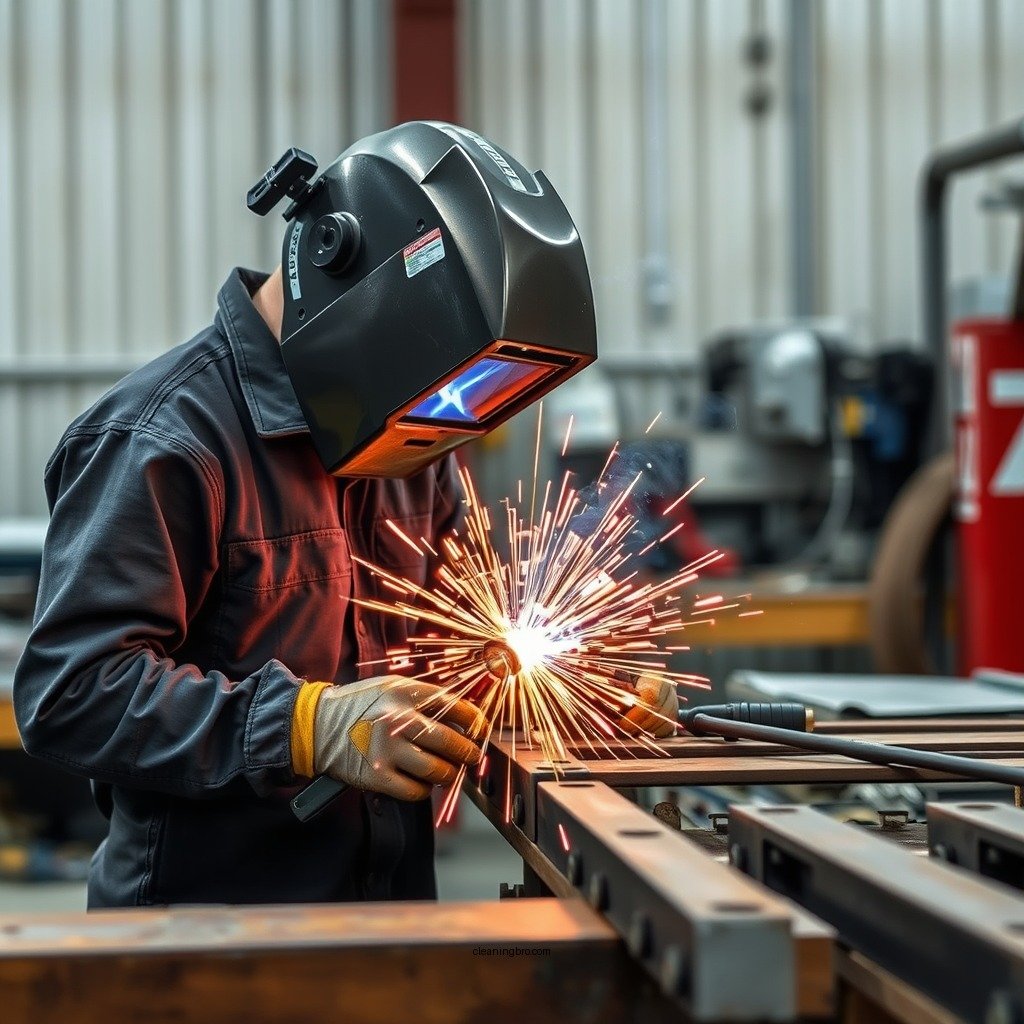
Cleaning aluminum is a critical step in the welding process that significantly affects the integrity and quality of the weld.
– Ensures Better Weld Quality: A clean surface allows for better adhesion between the aluminum pieces being welded. When aluminum is free of contaminants, the weld metal can flow more evenly, creating a strong bond that is less likely to fail under stress.
– Reduces Risk of Defects: Contaminants such as oils, dust, or oxidation can lead to welding defects such as porosity (tiny gas pockets in the weld) and inclusions (foreign materials trapped in the weld). These defects not only compromise the strength of the weld but can also lead to premature failure of the welded joint.
Tools and Materials Needed
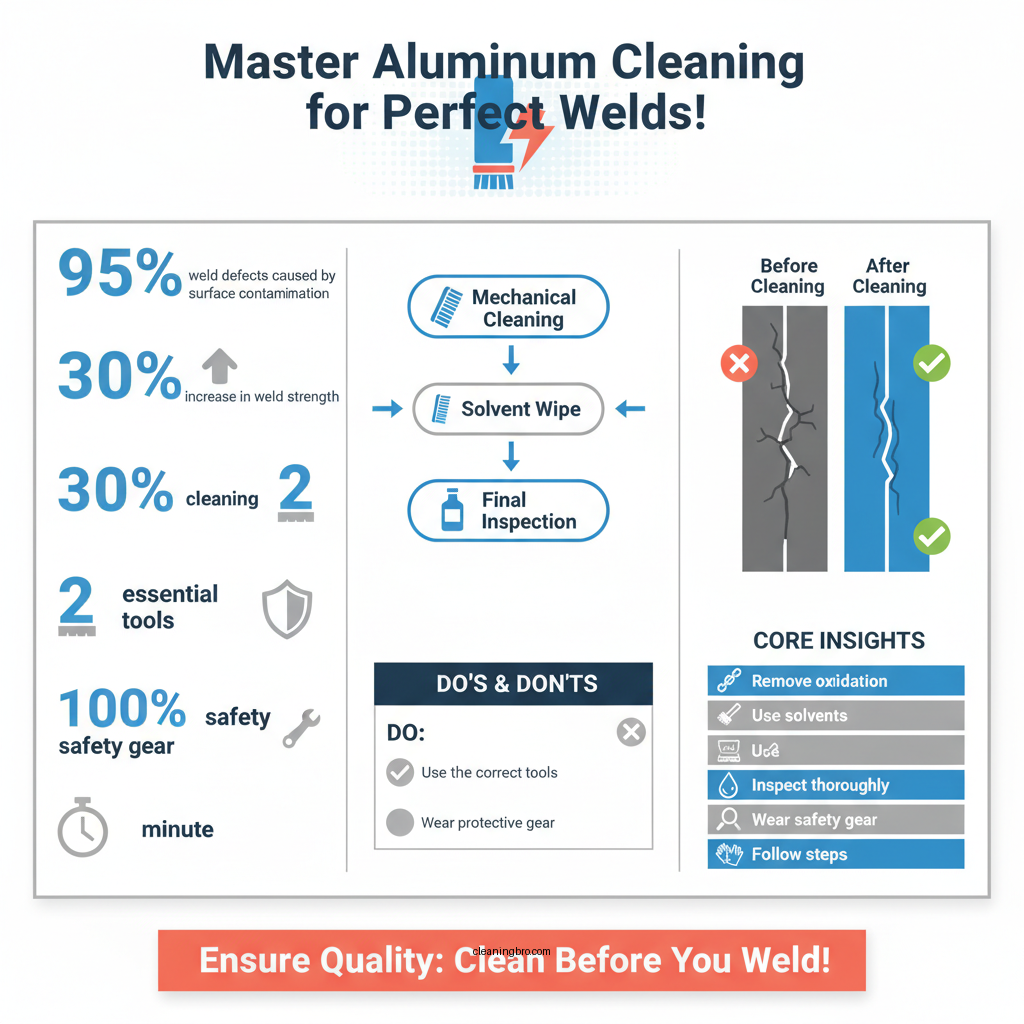
To effectively clean aluminum before welding, gather the following tools and materials:
– Wire Brushes and Abrasive Pads: These are essential for mechanical cleaning. Wire brushes help remove oxidation layers, while abrasive pads can effectively scrub away stubborn dirt and grime.
– Solvents: Use solvents like acetone or isopropyl alcohol for degreasing the aluminum surface. These solvents evaporate quickly, leaving no residue behind, which is crucial for preparing the surface for welding.
– Safety Gear: Protect yourself with gloves and goggles. Cleaning agents can be harsh and may pose health risks if they come into contact with skin or eyes.
Step-by-Step Cleaning Process
1. Mechanical Cleaning: Begin by using a wire brush or sander to remove any visible oxidation from the aluminum surface. This step is crucial as aluminum naturally oxidizes when exposed to air, and this oxide layer must be eliminated to ensure proper welding.
2. Solvent Wipe: After mechanical cleaning, perform a solvent wipe. Dampen a clean cloth with acetone or isopropyl alcohol and wipe down the aluminum surface thoroughly. This step will eliminate any oils and greasy residues that may have accumulated during handling or storage.
3. Final Inspection: After cleaning, visually inspect the aluminum for any remaining contaminants. It’s advisable to run a clean, dry cloth over the surface to ensure no particles are left behind.
Data on Common Aluminum Cleaning Methods
Common Aluminum Cleaning Methods and Their Effectiveness
| # | Method | Effectiveness | Ease of Use | Cost |
|---|---|---|---|---|
| 1 | Mechanical Cleaning (Wire Brush) | High | Moderate | Low |
| 2 | Solvent Wipe (Acetone) | Very High | Easy | Moderate |
| 3 | Abrasive Pad Cleaning | High | Moderate | Low |
| 4 | Chemical Cleaners | Medium | Moderate | High |
| 5 | Ultrasonic Cleaning | Very High | Easy | Very High |
| 6 | Laser Cleaning | Very High | Moderate | Very High |
| 7 | Vapor Degreasing | Very High | Easy | High |
Special Considerations for Different Aluminum Alloys
When cleaning aluminum, it’s essential to consider the specific alloy you are working with. Different aluminum alloys exhibit varying properties, which may influence the cleaning process.
– Alloy-Specific Guidelines: Some aluminum alloys may require particular cleaning methods to avoid damage or degradation. Always consult the manufacturer’s recommendations for cleaning procedures specific to the alloy you are using.
– Corrosion Resistance Levels: Different aluminum alloys also have varying levels of corrosion resistance. For example, 6061 aluminum is more corrosion-resistant than 2024 aluminum, which may require additional cleaning steps to prevent corrosion.
Common Mistakes to Avoid
In the process of cleaning aluminum for welding, it’s crucial to avoid common pitfalls that could jeopardize the quality of your welds.
– Skipping the Degreasing Step: Failing to adequately degrease the aluminum surface can lead to welding failures due to the presence of oils or other contaminants. Always ensure that a solvent wipe is part of your cleaning routine.
– Using Inappropriate Cleaning Materials: Using abrasive materials that are too harsh can damage the aluminum surface. Ensure that the tools and cleaning agents are suitable for aluminum to avoid unnecessary scratches or surface degradation.
Best Practices for Maintaining Cleanliness
Once you’ve cleaned your aluminum, it’s crucial to maintain its cleanliness prior to welding.
– Storage: Store cleaned aluminum in a dust-free environment to prevent recontamination. Use covered storage solutions or protective wraps to keep the surfaces free from dust and contaminants.
– Protective Coverings: When not in use, consider using protective coverings to shield the aluminum from exposure to the environment. This will help maintain the cleanliness of the surface and ensure that it remains ready for welding.
Final Checks Before Welding
Before proceeding with the welding process, conduct a final inspection of the cleaned aluminum surface.
– Inspect for Contaminants: Look closely for any remaining contaminants that may have been overlooked during the cleaning process. A clean, dry cloth should be run over the surface to ensure it is free from any residues.
– Check for Dryness: Ensure that the aluminum surface is completely dry and free of any solvent residues. Moisture can adversely affect the quality of the weld, leading to defects.
In summary, cleaning aluminum prior to welding is a critical step that involves both mechanical and chemical cleaning methods to ensure a contaminant-free surface. By following the outlined steps and best practices, you can achieve strong and reliable welds. For those looking to enhance their skills further, consider exploring additional resources or consulting with experienced welders to gain more insights into effective aluminum welding techniques.
Frequently Asked Questions
What is the best method to clean aluminum before welding?
The best method to clean aluminum before welding is to use a combination of mechanical and chemical cleaning. Start by using a wire brush or grinder to remove any surface contaminants, followed by a chemical cleaner like acetone or a dedicated aluminum cleaner to eliminate oils, dirt, and oxidation. This two-step process ensures a clean surface, which is crucial for achieving a strong weld.
How do I remove oxidation from aluminum before welding?
To remove oxidation from aluminum before welding, you can use a chemical cleaner specifically designed for aluminum, or a mild abrasive like a scouring pad. Applying a solution of baking soda and water can also help neutralize the oxide layer. After cleaning, ensure to rinse thoroughly and dry the aluminum to prevent any surface contaminants from interfering with the weld.
Why is it important to clean aluminum before welding?
Cleaning aluminum before welding is essential because contaminants such as dirt, grease, and oxidation can lead to poor weld quality and structural integrity. These impurities can cause defects like porosity and weak welds, ultimately compromising the strength of the finished product. Proper cleaning ensures a better bond and allows for optimal penetration during the welding process.
Which products are recommended for cleaning aluminum prior to welding?
Recommended products for cleaning aluminum before welding include acetone, isopropyl alcohol, and specialized aluminum cleaning solutions. Additionally, using a non-chlorinated solvent can effectively remove oils and grease. Always choose products that are safe for use on aluminum to protect the metal’s surface and enhance welding results.
How do I prepare aluminum for TIG welding?
To prepare aluminum for TIG welding, first clean the surface with a wire brush to remove any dirt or oxidation. Next, wipe the area with a solvent like acetone to remove oils and ensure the metal is free of contaminants. Finally, use a dedicated aluminum cleaner for a thorough finish, and consider using a filler rod that matches the aluminum alloy for optimal welding performance.
References
- https://en.wikipedia.org/wiki/Aluminum_welding
https://en.wikipedia.org/wiki/Aluminum_welding - https://www.sciencedirect.com/science/article/pii/S2351978921000981
https://www.sciencedirect.com/science/article/pii/S2351978921000981 - https://www.nist.gov/news-events/news/2021/04/using-nanoparticles-alter-surface-tension-improve-welding-aluminum
https://www.nist.gov/news-events/news/2021/04/using-nanoparticles-alter-surface-tension-improve-welding-aluminum - https://www.mtu.edu/michigan-tech-news/archives/2020/september/aluminum-welding-tips.html
https://www.mtu.edu/michigan-tech-news/archives/2020/september/aluminum-welding-tips.html - Using Grease for Gear Lubrication
https://www.machinerylubrication.com/Read/30896/aluminum-welding-preparation - https://www.uwplatt.edu/department/engineering/technical-reports/cleaning-aluminum-for-welding
https://www.uwplatt.edu/department/engineering/technical-reports/cleaning-aluminum-for-welding - https://pubmed.ncbi.nlm.nih.gov/26517568/
https://pubmed.ncbi.nlm.nih.gov/26517568/ - Google Scholar Google Scholar
https://scholar.google.com/scholar?q=how+to+clean+aluminum+before+welding - Google Scholar Google Scholar
https://scholar.google.com/scholar?q=aluminum+cleaning+for+welding+techniques - how to clean aluminum before welding – Search results
https://en.wikipedia.org/wiki/Special:Search?search=how+to+clean+aluminum+before+welding