How to Effectively Clean Aluminum Castings
Cleaning aluminum castings can be a straightforward and effective process when you employ the right methods and materials. Utilizing appropriate techniques ensures that you can restore the finish and remove any contaminants without damaging the aluminum. This guide will provide you with an in-depth understanding of the best practices for cleaning aluminum castings, allowing you to keep them in optimal condition.
Understanding Aluminum Castings
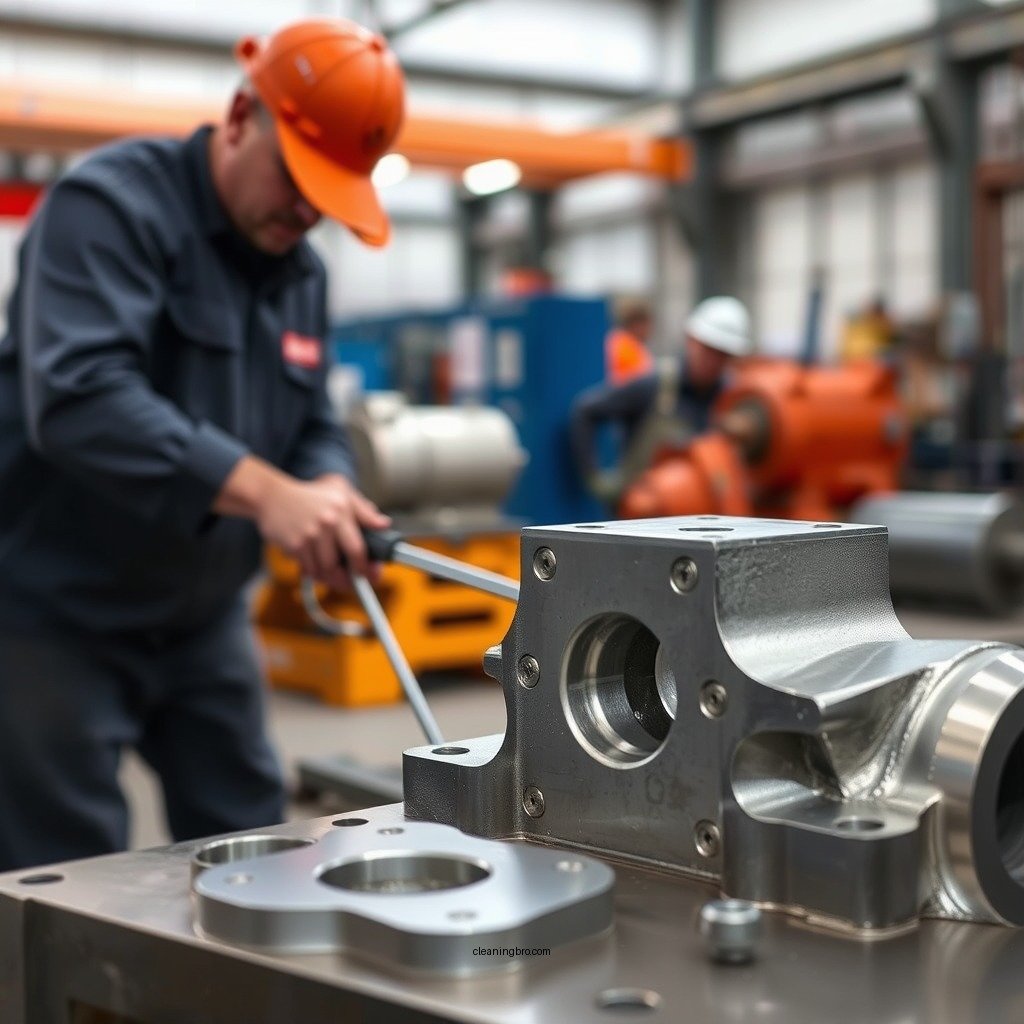
Aluminum castings are lightweight and corrosion-resistant components commonly used in various industries, including automotive, aerospace, and manufacturing. These castings are created by pouring molten aluminum into a mold, which provides detailed shapes and intricate designs. Understanding the specific type of aluminum casting you are dealing with is essential, as different alloys may require tailored cleaning approaches. For example, die-cast aluminum parts may have different surface finishes and contaminants compared to sand-cast aluminum. Knowing these distinctions helps in selecting the most effective cleaning method.
Essential Cleaning Tools and Materials
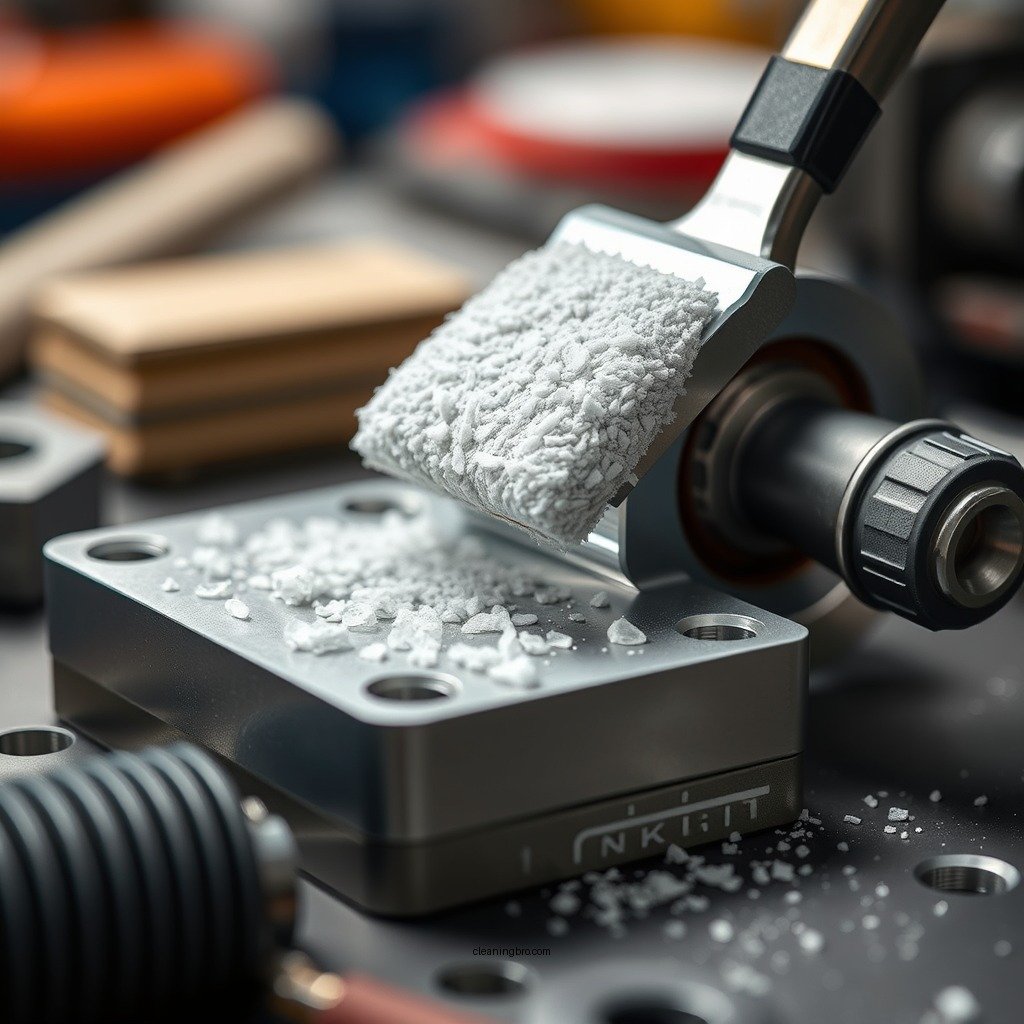
To clean aluminum castings effectively, having the right tools and materials is paramount.
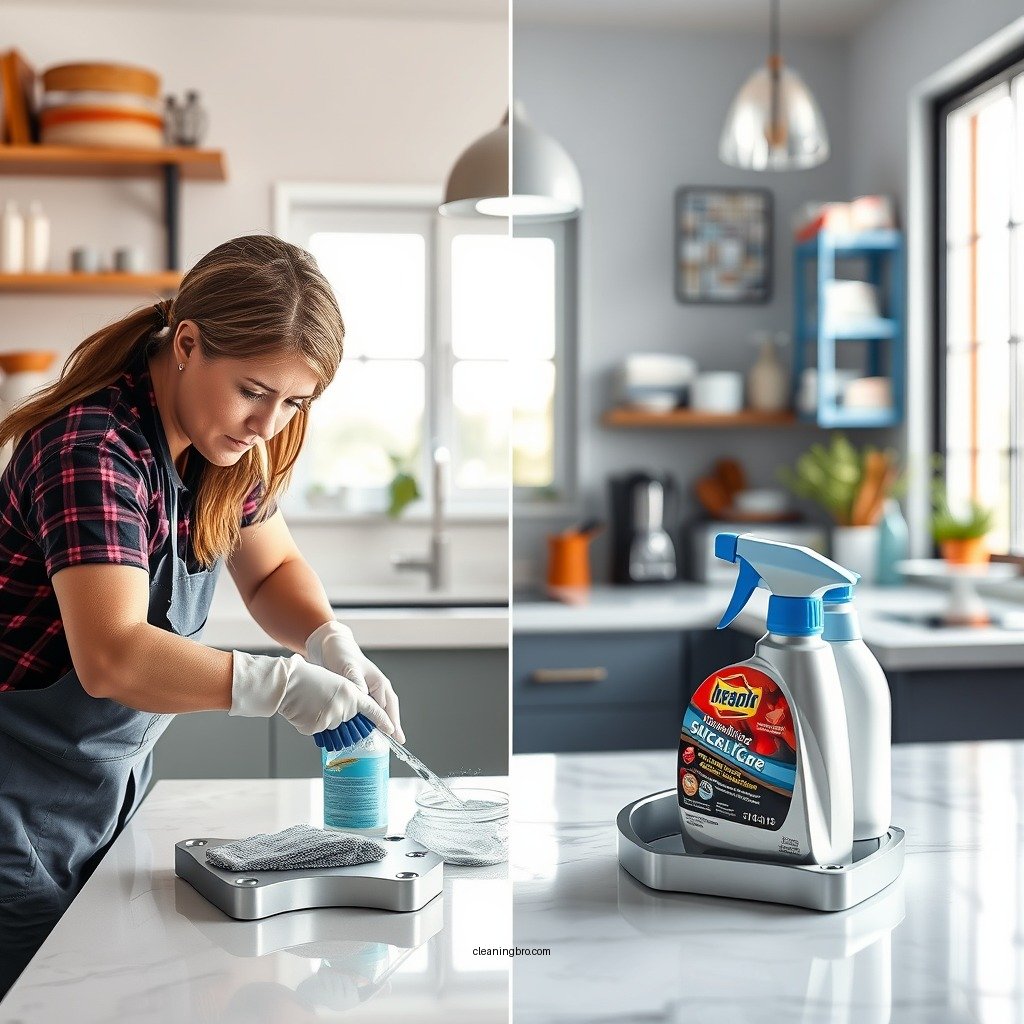
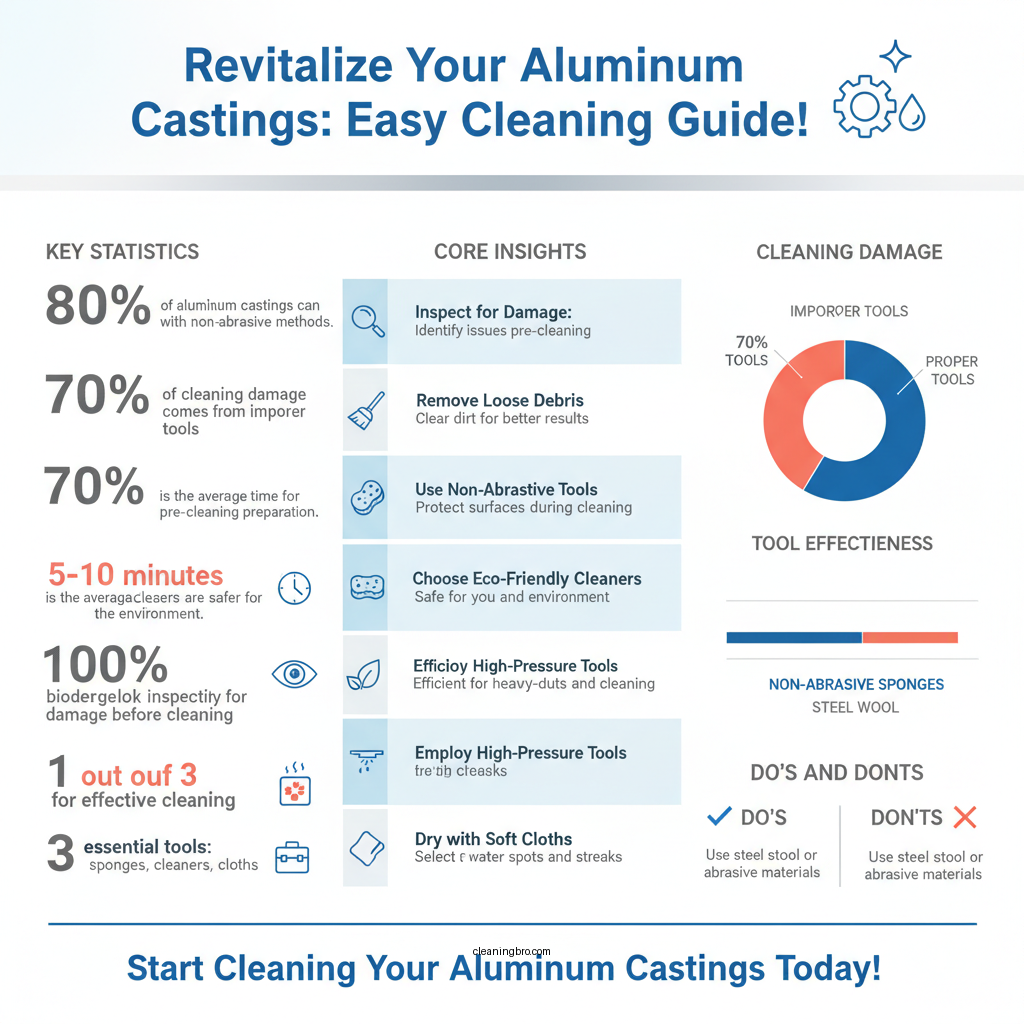
– Non-abrasive Sponges and Brushes: These are vital for avoiding scratches on the surface of the aluminum. Using abrasive materials can lead to irreversible damage, affecting both the aesthetics and functionality.
– Environmental-Friendly Cleaners: Look for cleaners specifically designed for aluminum. Products that are pH-balanced and biodegradable are not only safe for the environment but also effective in removing grime, oils, and oxidation without harming the casting.
– High-Pressure Water Jet or Steam Cleaner: For larger or industrial applications, these tools can efficiently remove contaminants without physical scrubbing that could damage finishes.
– Soft Cloths: Microfiber cloths are ideal for drying and polishing the finished surface, helping to prevent water spots and streaks.
Pre-Cleaning Preparation
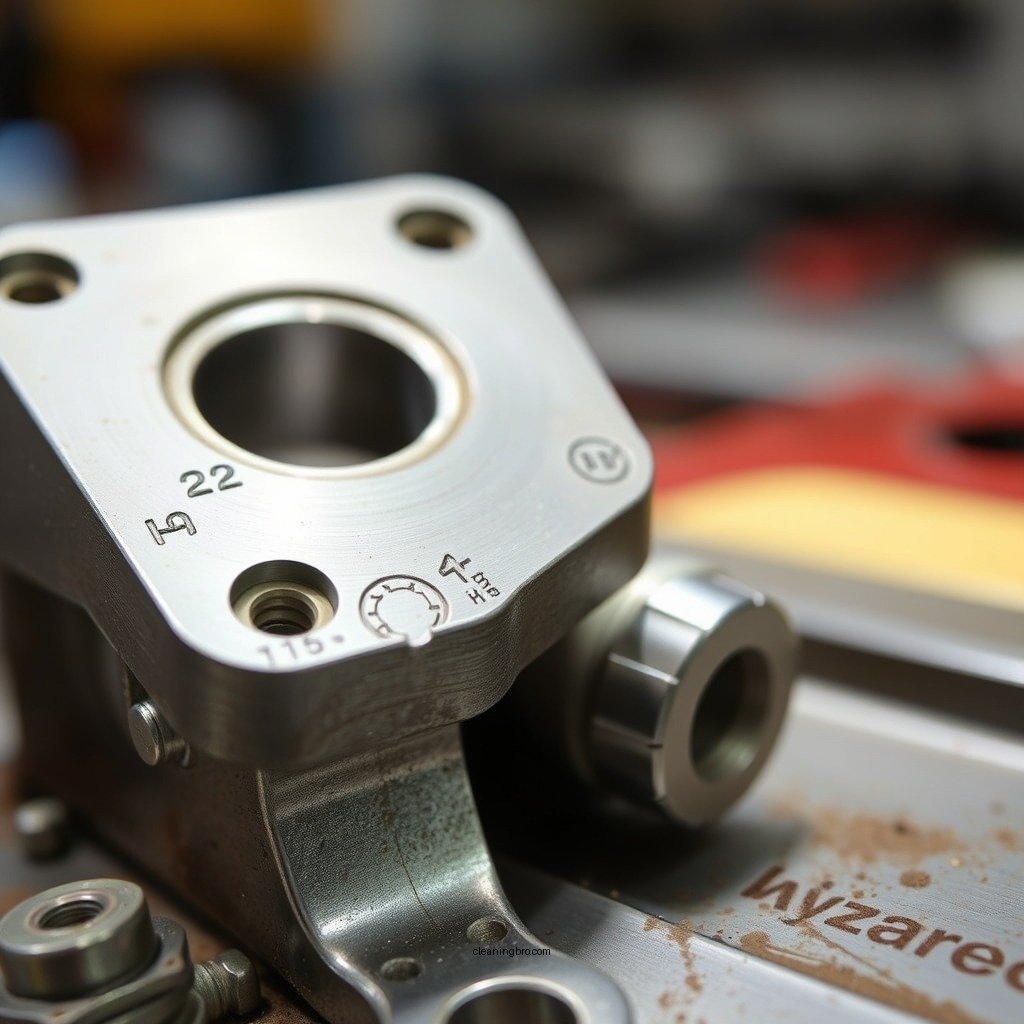
Before embarking on the actual cleaning process, it’s essential to prepare the aluminum castings properly.
– Inspect for Damage: Check the castings for any cracks, chips, or other damage. Identifying these issues beforehand can help you avoid further damage during the cleaning process.
– Remove Loose Debris: Use a dry cloth or brush to remove dirt, dust, and other loose debris from the surface. This initial step makes the subsequent cleaning process much more effective and reduces the likelihood of scratching the surface.
– Assess Contaminants: Determine what kind of contaminants you are dealing with—whether they are oil, grease, or oxidation—as this will guide you in choosing the right cleaning solution.
Top Aluminum Cleaning Products (2024)
| # | Product | Type | Usage | Eco-Friendly |
|---|---|---|---|---|
| 1 | Simple Green | Liquid Cleaner | Multi-surface | ✅ |
| 2 | Evapo-Rust | Rust Remover | Heavy-duty | ✅ |
| 3 | Zep Heavy-Duty | Foam Cleaner | Industrial | ❌ |
| 4 | WD-40 Specialist | Cleaner & Degreaser | All-purpose | ✅ |
| 5 | Simple Green Pro HD | Liquid Cleaner | Heavy-duty | ✅ |
| 6 | Mean Green | Multi-surface | General Use | ✅ |
| 7 | CLR Pro | Calcium, Lime & Rust Remover | Heavy-duty | ✅ |
Cleaning Techniques for Aluminum Castings
Once you have prepared the aluminum castings, it’s time to implement effective cleaning techniques.
– Soaking: For heavy grime and oxidation, soak the castings in a solution of mild detergent and warm water. This allows the cleaner to penetrate and loosen stubborn dirt. Aim for a 10:1 water to detergent ratio for best results.
– Gentle Scrubbing: Use a soft sponge or non-abrasive brush to gently scrub the surface. Circular motions can help lift off oxidation without scratching the aluminum. For particularly tough spots, consider using a dedicated aluminum cleaner that targets oxidation specifically.
– Rinsing: After scrubbing, thoroughly rinse the castings with clean water to ensure all detergent and contaminants are removed. It is crucial to avoid leaving any residue that can lead to staining or further oxidation.
Best Aluminum Cleaning Techniques
| Technique | ⭐ Soaking Method | Scrubbing Method | Steam Cleaning |
|---|---|---|---|
| Ease of Use | ✅ Very Easy | ✅ Easy | ✅ Moderate |
| Effectiveness | ✅ Best | ✅ Good | ✅ Excellent |
| Time Required | Long | Moderate | Quick |
| Suitable for Heavy Dirt | ✅ Yes | ✅ Yes | ✅ Yes |
| Surface Damage Risk | ❌ Low | ❌ Moderate | ✅ Very Low |
| Eco-Friendly | ✅ Yes | ✅ Yes | ✅ Yes |
| Requires Rinsing | ✅ Yes | ✅ Yes | ✅ Yes |
| Best for | General Use | Heavy Cleaning | Fast Cleaning |
Rinsing and Drying the Castings
Rinsing and drying are critical steps that should not be overlooked.
– Thorough Rinsing: After cleaning, ensure that all soap residues are removed by rinsing the castings thoroughly with clean, preferably distilled, water. This step is crucial to prevent any residues from remaining on the surface, which can lead to staining or corrosion.
– Drying: Use a soft, lint-free cloth to dry the aluminum castings. This helps to prevent water spots and oxidation. If possible, allow the castings to air dry completely in a well-ventilated area.
– Final Polish: For an added shine, you can apply a dedicated aluminum polish after drying to protect the surface and enhance its appearance.
Preventing Future Damage
To maintain the quality and appearance of your aluminum castings, consider implementing preventative measures.
– Apply a Protective Coating: After cleaning, applying a protective coating or sealant can extend the life of the aluminum. This layer will help guard against future oxidation and staining.
– Proper Storage: Store aluminum castings in a dry environment, away from moisture and contaminants. Ideally, they should be kept in a climate-controlled area to minimize the risk of corrosion.
– Regular Maintenance: Establishing a regular cleaning schedule can help keep the castings in optimal condition. Simple periodic cleanings prevent the buildup of grime and oxidation, making each cleaning session easier and quicker.
Troubleshooting Common Issues
Despite your best efforts, you may encounter some common issues when cleaning aluminum castings.
– Stubborn Stains or Oxidation: For persistent stains or heavy oxidation, specialized aluminum cleaners may be necessary. Products that contain phosphoric acid can effectively tackle these issues but should be used with caution to avoid damaging the surface.
– Discoloration: If discoloration persists after cleaning, it may be indicative of deeper damage or the need for professional restoration techniques. Consulting with a professional can provide insights into potential restoration methods.
– Frequent Cleaning Issues: If you find that dirt and grime accumulate quickly, consider evaluating the storage conditions of the castings. Environmental factors may be contributing to the speed of contamination.
In conclusion, cleaning aluminum castings can significantly enhance their longevity and appearance. By following the systematic steps outlined in this guide and utilizing the right tools and techniques, you can maintain their quality and shine. Implement these tips to ensure your aluminum castings remain in excellent condition for years to come. Don’t hesitate to start applying these methods now for the best results!
Frequently Asked Questions
What is the best method to clean aluminum castings?
The best method to clean aluminum castings involves using a solution of warm water and mild detergent. For more stubborn dirt or oxidation, you can utilize a mixture of baking soda and water or a dedicated aluminum cleaner. Make sure to scrub gently with a soft-bristle brush to avoid scratching the surface.
How do I remove corrosion from aluminum castings?
To remove corrosion from aluminum castings, first clean the surface with a mixture of vinegar and water, or a commercial aluminum cleaner. After applying the solution, scrub the affected area with a non-abrasive pad to lift the corrosion. Rinse thoroughly with water and dry completely to prevent further corrosion.
Why is it important to clean aluminum castings regularly?
Regular cleaning of aluminum castings is essential to prevent oxidation and corrosion, which can weaken the material and detract from its appearance. Accumulated dirt and grime can also hide potential issues, making it critical to maintain cleanliness for both aesthetic and functional purposes.
Which products are safe to use for cleaning aluminum castings?
Safe products for cleaning aluminum castings include mild dish soap, vinegar, baking soda, and specialized aluminum cleaners. Avoid using harsh chemicals like bleach or abrasive cleaners, as they can damage the aluminum finish and lead to further deterioration.
How can I restore the shine to my aluminum castings after cleaning?
To restore the shine to your aluminum castings, apply a small amount of aluminum polish or a DIY mixture of lemon juice and baking soda after cleaning. Buff the surface with a soft microfiber cloth to achieve a glossy finish. Regular polishing not only enhances appearance but also provides a protective layer against oxidation.
References
- https://en.wikipedia.org/wiki/Aluminium_casting
https://en.wikipedia.org/wiki/Aluminium_casting - https://www.sciencedirect.com/topics/engineering/aluminum-casting
https://www.sciencedirect.com/topics/engineering/aluminum-casting - https://pubmed.ncbi.nlm.nih.gov/29937363/
https://pubmed.ncbi.nlm.nih.gov/29937363/ - https://www.nature.com/articles/s41598-018-23862-7
https://www.nature.com/articles/s41598-018-23862-7 - Google Scholar Google Scholar
https://scholar.google.com/scholar?q=cleaning+aluminum+castings - Google Scholar Google Scholar
https://scholar.google.com/scholar?q=aluminum+casting+maintenance - https://www.uwgb.edu/chemistry/cleaning-aluminum-castings/
https://www.uwgb.edu/chemistry/cleaning-aluminum-castings/ - https://www.nist.gov/topics/materials-science/aluminum-casting
https://www.nist.gov/topics/materials-science/aluminum-casting - https://www.britannica.com/science/aluminum-casting
https://www.britannica.com/science/aluminum-casting - https://www.cdc.gov/niosh/topics/aluminum/default.html
https://www.cdc.gov/niosh/topics/aluminum/default.html