How to Clean Aluminum Corrosion: Effective Methods and Tips
Cleaning aluminum corrosion can be effectively done using a few simple methods and household items. Understanding the right techniques will help restore your aluminum surfaces and prevent further damage. In this article, you’ll learn practical steps to remove corrosion, the best cleaning agents to use, and tips to maintain your aluminum items.
Understanding Aluminum Corrosion
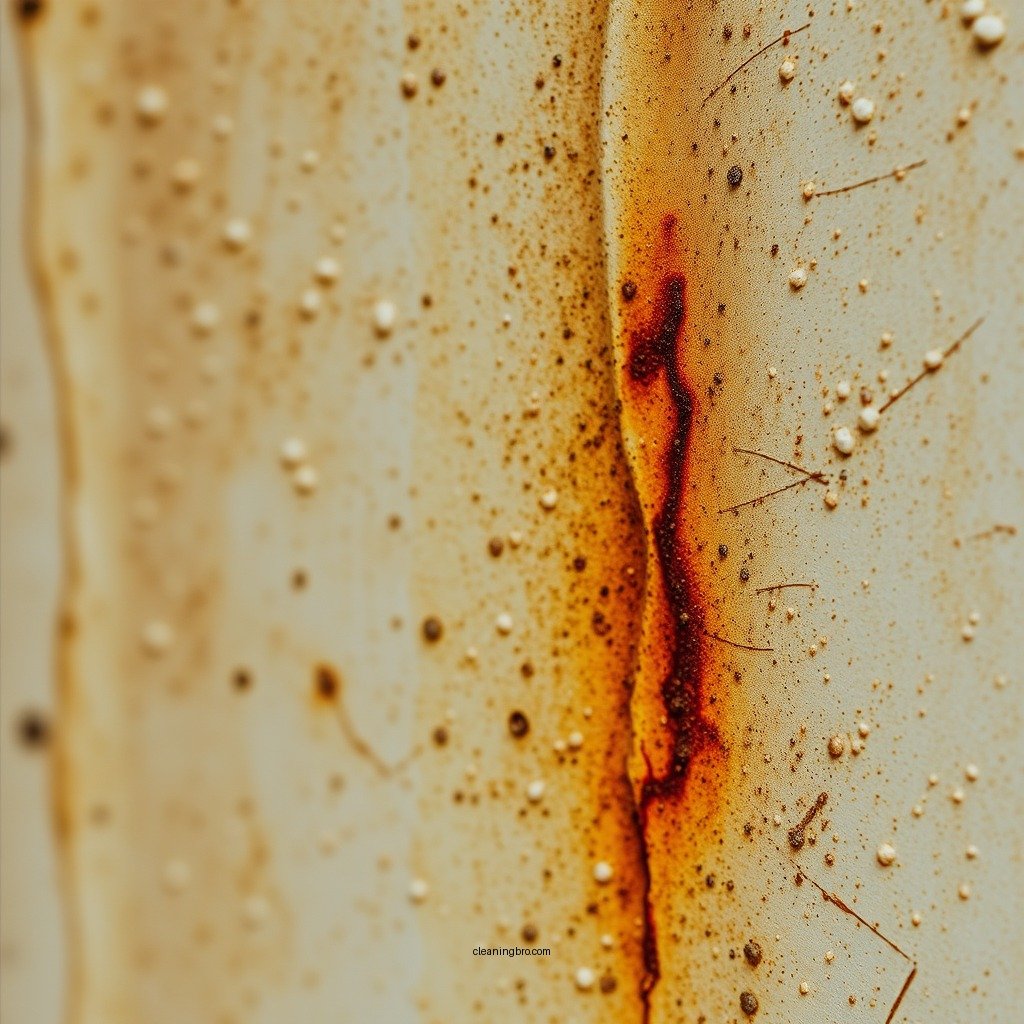
Aluminum corrosion occurs when aluminum reacts with moisture and oxygen in the environment, leading to the formation of aluminum oxide. This process is accelerated by factors such as saltwater exposure, humidity, and acidic conditions. Corrosion can manifest as a white, powdery substance or as pitting on the surface, both of which can detract from the aesthetic appeal and structural integrity of aluminum items.
Addressing aluminum corrosion promptly is crucial. Left untreated, corrosion can worsen, leading to potential failure of components, especially in structural applications. Additionally, cosmetic damage may reduce the value of aluminum products, such as outdoor furniture, automotive parts, and decorative items. Regular inspection and maintenance can help catch corrosion early, allowing for easier and more effective remediation.
Safe Cleaning Agents for Aluminum
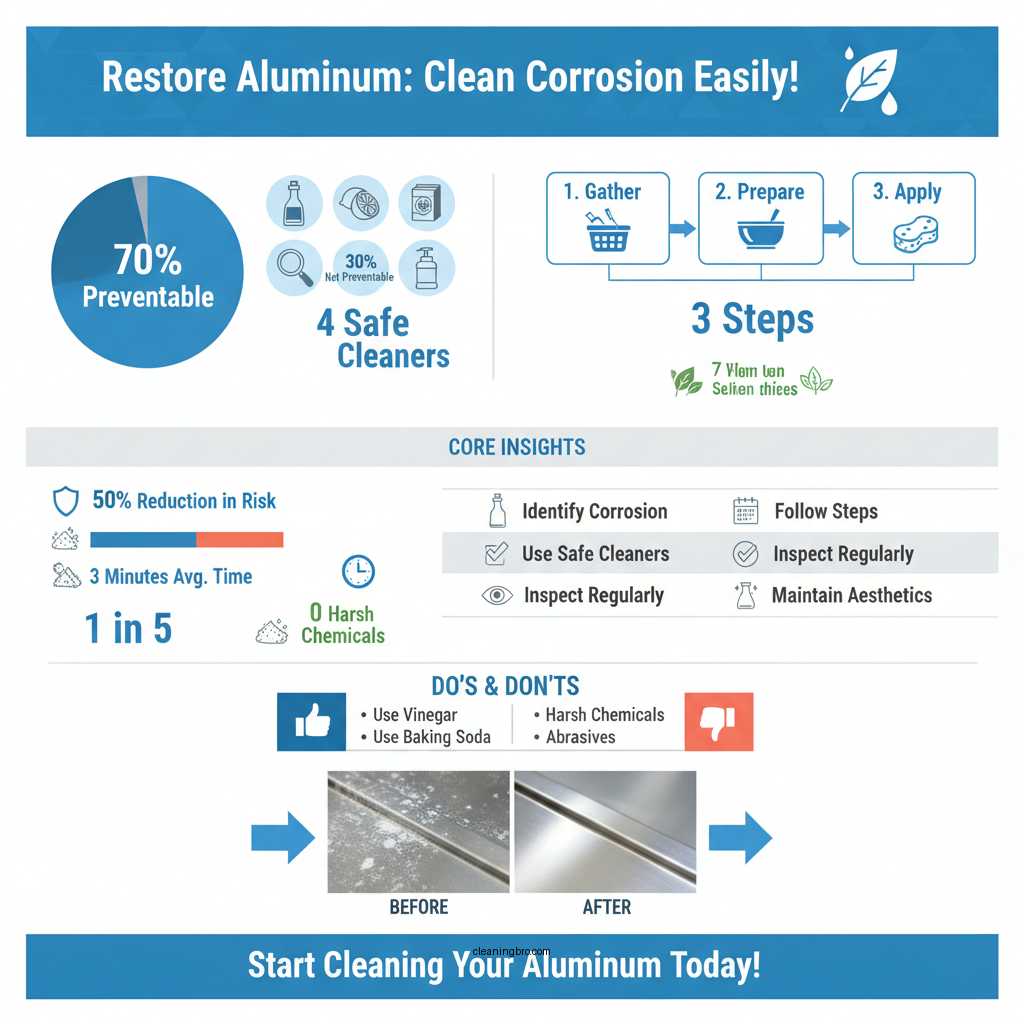
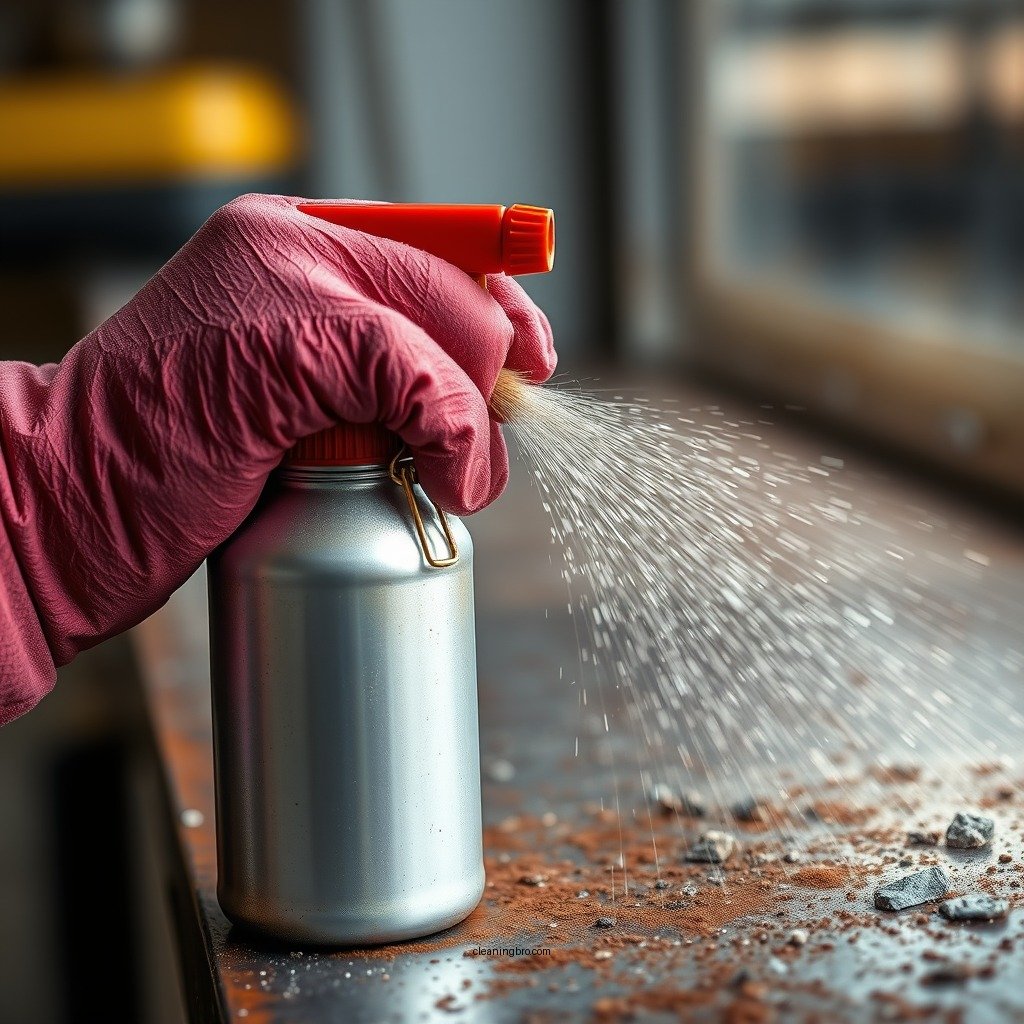
When tackling aluminum corrosion, several common household items can serve as effective cleaning agents:
– Vinegar: The acetic acid in vinegar helps to dissolve corrosion and is safe for aluminum surfaces.
– Baking Soda: This mild abrasive can effectively scrub away corrosion without scratching the aluminum.
– Lemon Juice: The citric acid in lemon juice can help break down corrosion while leaving a pleasant scent.
– Dish Soap: A simple mixture of dish soap and water can also be effective for more mild cases of corrosion.
These agents are effective and safe for aluminum because they do not contain harsh chemicals that could further damage the surface. Additionally, they are environmentally friendly and readily available in most households.
Step-by-Step Cleaning Process
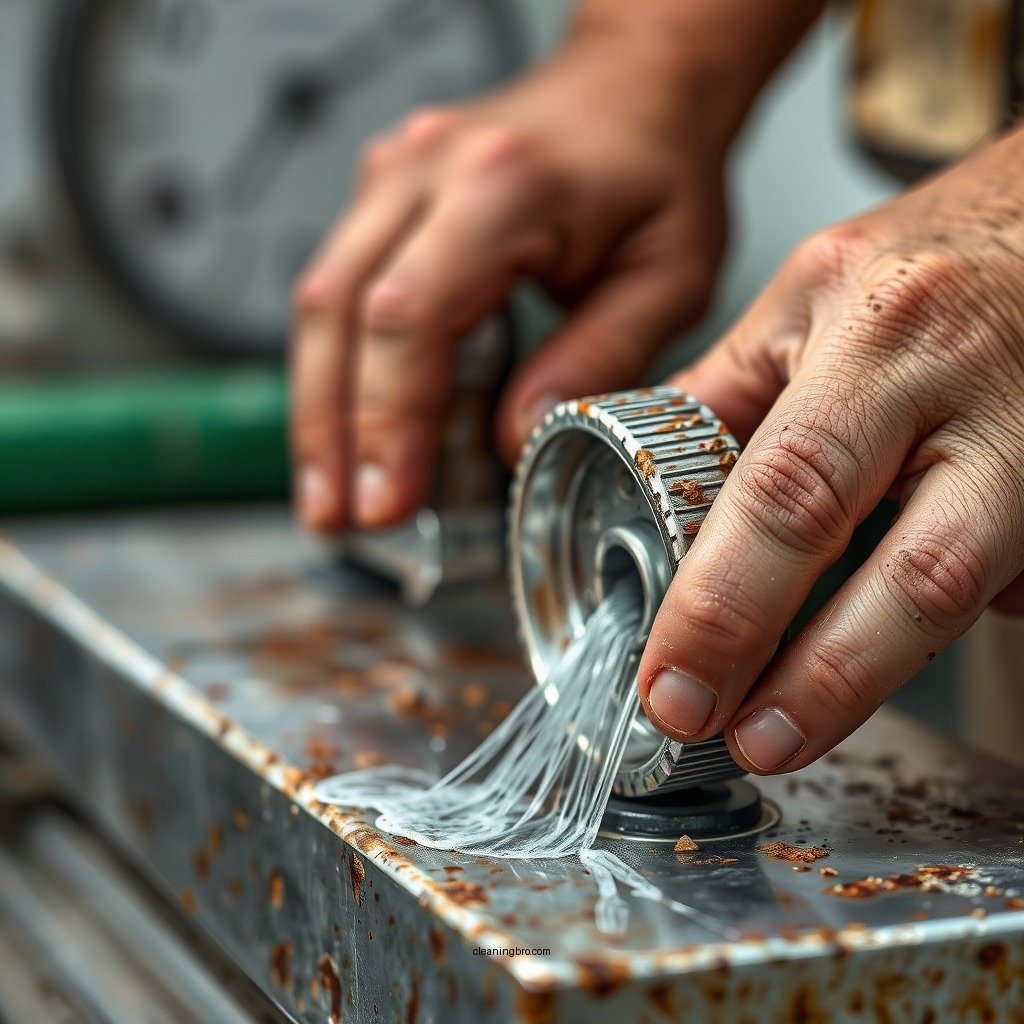
Cleaning aluminum surfaces affected by corrosion can be straightforward. Follow these steps for an effective cleaning process:
1. Gather Your Materials: You will need vinegar, baking soda, lemon juice, water, a soft cloth or sponge, and a scrub brush (preferably non-abrasive).
2. Prepare the Cleaning Solution:
– For vinegar, use it undiluted or mix equal parts vinegar and water.
– For baking soda, create a paste by mixing three parts baking soda with one part water.
– For lemon juice, use it directly or mix it with a little water.
3. Apply the Solution:
– For vinegar or lemon juice, soak a cloth in the solution and apply it to the corroded area, letting it sit for about 10-15 minutes.
– For the baking soda paste, apply it directly to the corrosion and allow it to sit for a similar duration.
4. Scrub Gently: Using a soft cloth or sponge, gently scrub the area in a circular motion. For tougher corrosion spots, a soft-bristled scrub brush may be used, but avoid aggressive scrubbing that could damage the aluminum.
5. Rinse Thoroughly: After scrubbing, rinse the area with clean water to remove any residue from the cleaning agents.
6. Dry: Use a dry, soft cloth to wipe the surface dry to prevent further oxidation.
7. Inspect: After cleaning, inspect the area for any remaining corrosion. Repeat the process if necessary or consider a different cleaning agent for stubborn spots.
Common Household Agents for Cleaning Aluminum Corrosion
| # | Cleaning Agent | Effectiveness | Environmental Impact | Availability |
|---|---|---|---|---|
| 1 | Vinegar | High | Low | Widely Available |
| 2 | Baking Soda | Medium | Low | Widely Available |
| 3 | Lemon Juice | Medium | Low | Widely Available |
| 4 | Dish Soap | Low | Low | Widely Available |
Preventative Measures Against Corrosion
To prevent future corrosion of aluminum items, consider the following methods:
1. Regular Maintenance: Keep aluminum surfaces clean and dry. Regularly wipe down items to remove moisture and contaminants that can lead to corrosion.
2. Protective Coatings: Applying a protective sealant or clear coat can create a barrier against environmental factors. These coatings can help prevent oxidation and corrosion from occurring.
3. Proper Storage: Store aluminum items in a dry environment, away from sources of moisture or corrosive agents. If outdoor storage is necessary, consider using covers or storing in a sheltered area.
4. Avoiding Contact with Other Metals: When aluminum comes into contact with other metals, especially those that are more reactive, it can accelerate the corrosion process. Be mindful of how aluminum items are stored or displayed.
5. Environmental Control: If possible, control the environment around aluminum items. For example, reducing humidity levels in storage spaces can significantly help in preventing corrosion.
When to Seek Professional Help
While many instances of aluminum corrosion can be managed with DIY cleaning methods, there are scenarios where professional help may be necessary:
– Severe Corrosion: If the corrosion has caused structural damage or if it appears to be extensive, a professional may be needed to assess and repair the damage properly.
– Specialized Items: For high-value items or collectibles, such as vintage cars or heirloom furniture, professional restoration services can provide the expertise required to restore them without causing additional damage.
– Chemical Treatments: In some cases, professional-grade chemical treatments may be needed, especially for industrial applications or large items that are difficult to handle.
Consulting a professional can ensure that the restoration process is done safely and effectively, preserving both the functionality and appearance of aluminum items.
Additional Tips for Maintaining Aluminum Surfaces
To prolong the life of aluminum items, consider the following general care tips:
1. Routine Inspections: Regularly check aluminum surfaces for early signs of corrosion or wear. Catching issues early can prevent more extensive damage.
2. Cleaning Schedule: Establish a cleaning routine, especially for outdoor items that are exposed to the elements. Regular cleaning can help prevent the buildup of corrosive substances.
3. Use of Soft Cloths: When cleaning, always use soft cloths or sponges to avoid scratching the surface. Avoid abrasive cleaners and tools.
4. Store Properly: If items are not in use, store them in a manner that protects them from moisture and UV exposure.
5. Educate Yourself: Understanding the specific needs of your aluminum items based on their use and exposure can help you maintain them effectively.
Maintaining your aluminum surfaces is crucial for their longevity and appearance. By following the methods outlined above, you can effectively clean aluminum corrosion and prevent future issues. Don’t hesitate to implement these tips and enjoy your well-preserved aluminum items!
Frequently Asked Questions
What causes aluminum corrosion and how can I prevent it?
Aluminum corrosion is primarily caused by exposure to moisture and oxygen, which leads to the formation of aluminum oxide. To prevent corrosion, it’s essential to keep aluminum surfaces clean and dry, apply protective coatings, and avoid contact with dissimilar metals that can accelerate the corrosion process.
How can I effectively clean corroded aluminum surfaces?
To clean corroded aluminum, start by washing the surface with warm, soapy water to remove dirt and debris. Then, use a mixture of white vinegar and baking soda or a commercial aluminum cleaner to scrub away corrosion. Rinse thoroughly with water and dry the surface to prevent further corrosion.
Why is it important to address aluminum corrosion promptly?
Addressing aluminum corrosion promptly is crucial because it can lead to structural weakening and costly repairs if left untreated. Corrosion can also affect the appearance of aluminum surfaces, making them look dull and unsightly. Timely cleaning and maintenance can prolong the lifespan of aluminum items and enhance their aesthetic appeal.
What is the best product for cleaning aluminum corrosion?
The best product for cleaning aluminum corrosion often depends on the severity of the corrosion. For light corrosion, a mixture of vinegar and baking soda works well, while for heavy corrosion, commercial aluminum cleaners like those containing phosphoric acid are effective. Always follow the manufacturer’s instructions for best results.
Which tools are recommended for removing corrosion from aluminum?
Recommended tools for removing corrosion from aluminum include non-abrasive brushes, soft cloths, and nylon scrub pads to avoid scratching the surface. For stubborn corrosion, a fine steel wool pad can be used carefully, along with a suitable cleaner. Always test any tool on a small area first to ensure it does not damage the aluminum finish.
References
- Corrosion
https://en.wikipedia.org/wiki/Corrosion - https://www.sciencedirect.com/topics/materials-science/aluminum-corrosion
https://www.sciencedirect.com/topics/materials-science/aluminum-corrosion - https://pubmed.ncbi.nlm.nih.gov/21984145/
https://pubmed.ncbi.nlm.nih.gov/21984145/ - https://www.nature.com/articles/s41598-019-52508-1
https://www.nature.com/articles/s41598-019-52508-1 - https://www.britannica.com/science/aluminum-corrosion
https://www.britannica.com/science/aluminum-corrosion - https://www.cdc.gov/niosh/topics/corrosion.html
https://www.cdc.gov/niosh/topics/corrosion.html - https://www.nist.gov/news-events/news/2018/03/nist-research-improves-aluminum-alloys-resistance-corrosion
https://www.nist.gov/news-events/news/2018/03/nist-research-improves-aluminum-alloys-resistance-corrosion - https://www.uwlax.edu/academics/chemistry/cleaning-aluminum/
https://www.uwlax.edu/academics/chemistry/cleaning-aluminum/ - Google Scholar Google Scholar
https://scholar.google.com/scholar?q=how+to+clean+aluminum+corrosion - Google Scholar Google Scholar
https://scholar.google.com/scholar?q=aluminum+corrosion+removal+methods