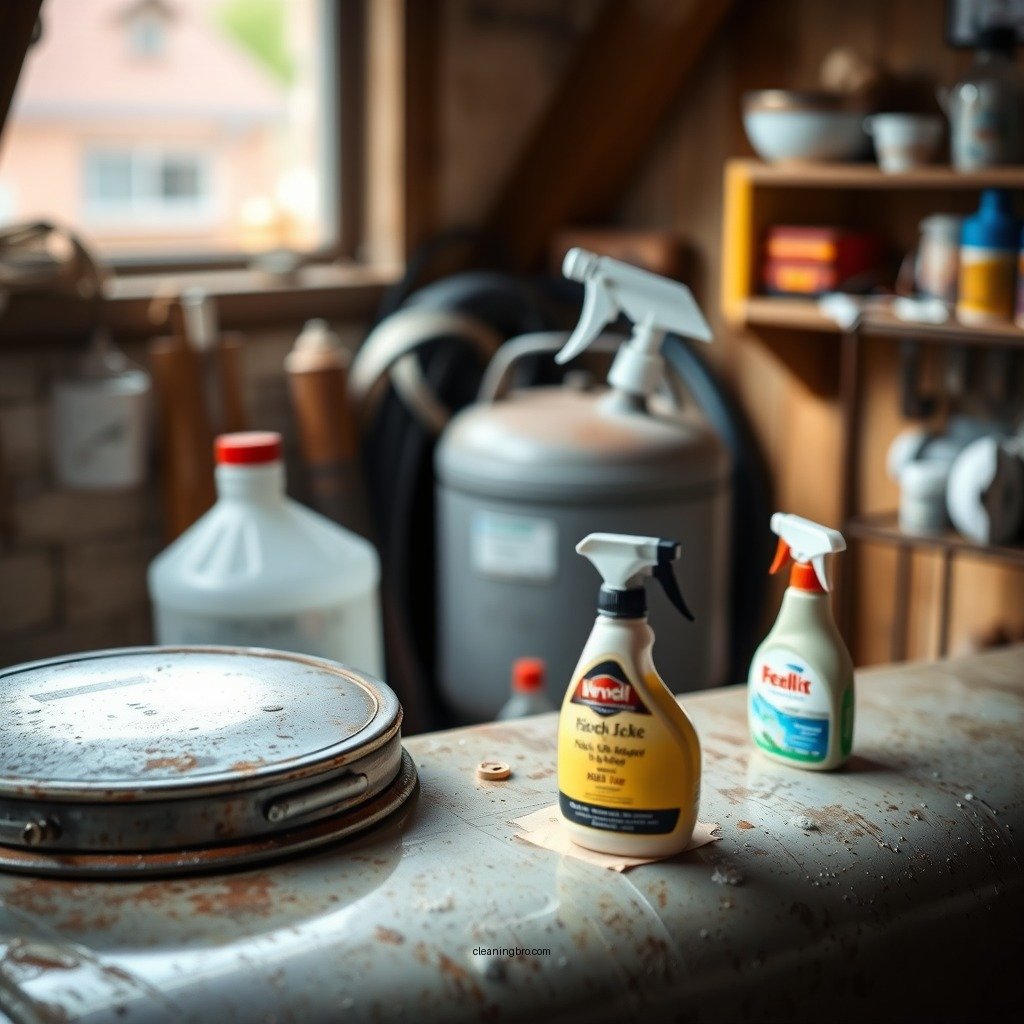
How to Clean an Old Gas Tank: A Step-by-Step Guide
Cleaning an old gas tank can be a straightforward process if you follow the correct steps. The key to a successful cleaning is to safely remove any residue, rust, and contaminants that could affect the performance of your vehicle. In this article, you’ll learn the essential steps to effectively clean an old gas tank and restore it to optimal condition.
Assessing the Condition of the Gas Tank
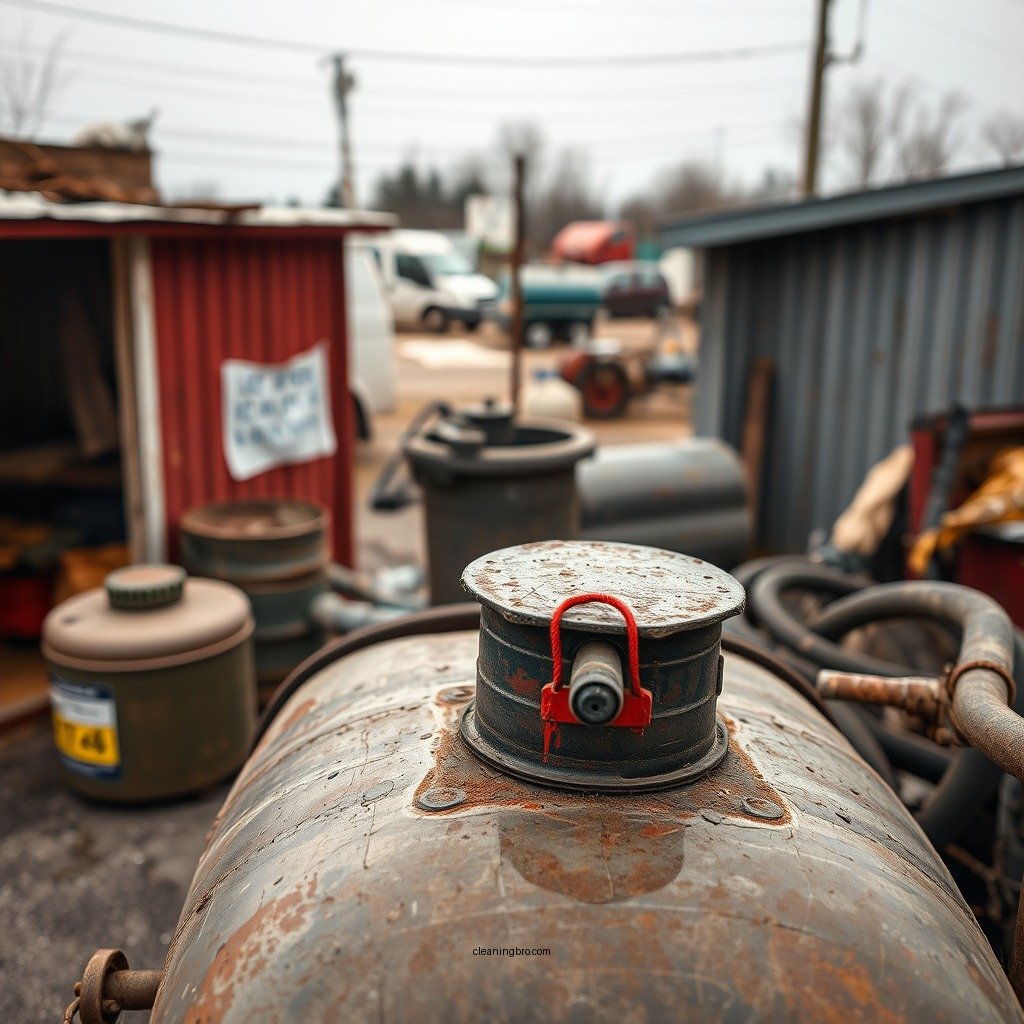
Before you begin the cleaning process, it’s crucial to assess the condition of the gas tank. This will help you identify the extent of the cleaning needed and whether any repairs are necessary.
– Inspect for rust and corrosion: Examine the tank’s exterior and interior for signs of rust and corrosion. Look for pitting, flaking paint, or any other indicators of deterioration. If the rust is minimal, a thorough cleaning may suffice; however, extensive rust may require additional treatment.
– Check for leaks: It’s essential to ensure the tank is not leaking before you start the cleaning process. Leaks can pose safety risks and environmental hazards. You can perform a simple leak test by filling the tank with water and observing for any drips or wet spots around the seams.
Preparing for the Cleaning Process
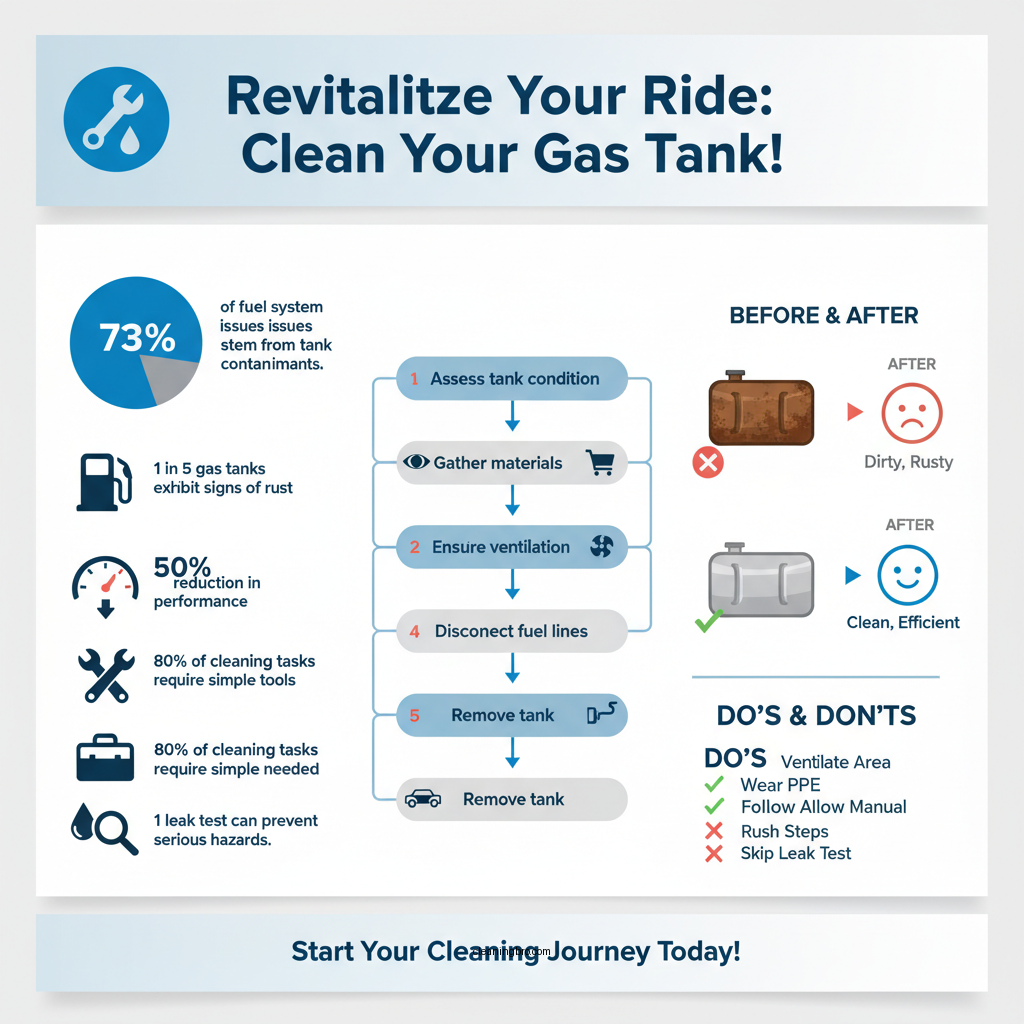
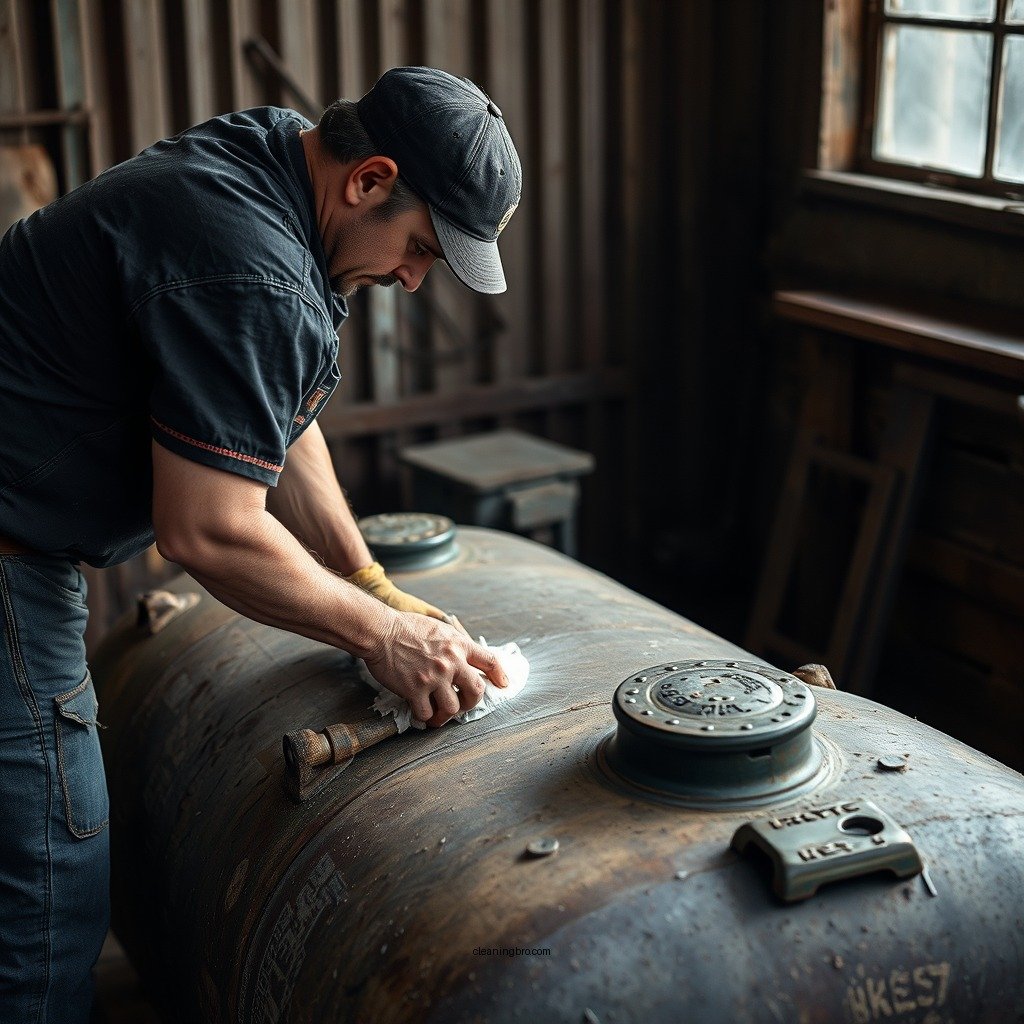
With the assessment complete, the next step is preparation. Proper preparation will streamline the cleaning process and ensure your safety.
– Gather necessary materials: You will need gloves, safety goggles, a cleaning solution (such as vinegar, baking soda, or a specialized tank cleaner), and tools for disassembly, such as wrenches and screwdrivers. If the tank is heavily rusted, you may also require a rust remover or sandblasting kit.
– Ensure proper ventilation: Since gasoline and its vapors can be highly flammable and toxic, it’s essential to work in a well-ventilated area. If possible, perform the cleaning outdoors or in a space with good airflow to avoid inhaling harmful fumes.
Removing the Gas Tank
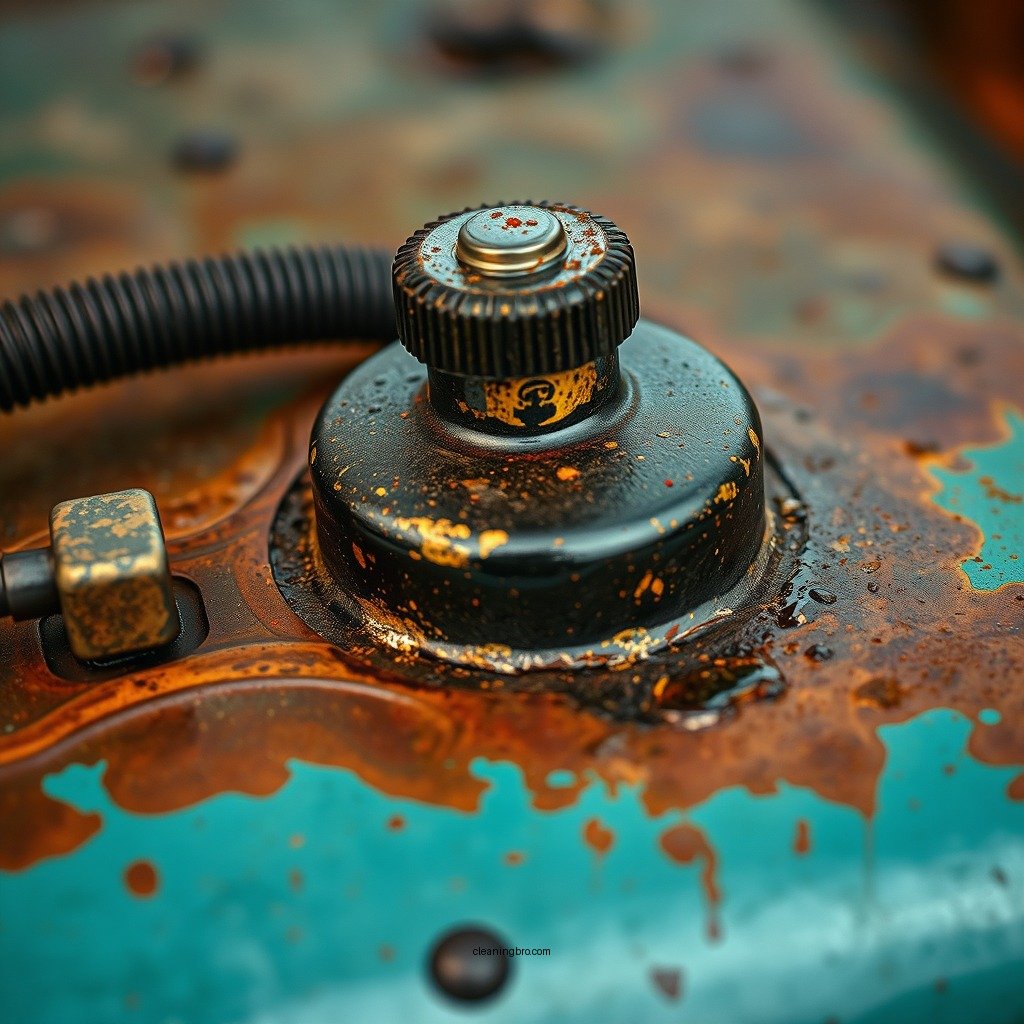
Once you’re adequately prepared, you can proceed to remove the gas tank from your vehicle.
– Disconnect fuel lines: Start by safely detaching the fuel lines from the tank. Use a wrench to loosen the fittings, and be prepared for any residual fuel that may spill. Have a container ready to catch any spills and clean up immediately to prevent fire hazards.
– Take out the tank: Carefully remove the gas tank from the vehicle, following the specific instructions for your car model. This typically involves unbolting the tank from its mounts and lifting it free. It’s advisable to have a helper, as gas tanks can be heavy and unwieldy.
Common Gas Tank Cleaning Solutions and Their Effectiveness
| # | Cleaning Solution | Effectiveness | Rust Removal | Cost |
|---|---|---|---|---|
| 1 | Vinegar | Moderate | ✅ | Low |
| 2 | Baking Soda | Good | ✅ | Low |
| 3 | Commercial Tank Cleaner | High | ✅ | Moderate |
| 4 | Rust Remover | Very High | ✅ | High |
| 5 | Sandblasting | Excellent | ✅ | Very High |
| 6 | Acid Wash | High | ✅ | High |
| 7 | Water Rinse | Necessary | ❌ | Low |
Cleaning the Interior of the Gas Tank
After removing the tank, the next step is to clean its interior thoroughly.
– Use a cleaning solution: Pour your chosen cleaner into the tank, filling it to about one-quarter full. Swish the solution around to ensure it comes into contact with all surfaces. If you are using vinegar or baking soda, let it sit for several hours or overnight to dissolve grime and rust.
– Scrub and rinse: Utilize a brush or a similar tool to scrub the interior surfaces of the tank. Pay special attention to areas with visible rust or residue. After scrubbing, rinse the tank thoroughly with water to ensure all cleaning agents are removed. It’s important to let the tank dry completely before reinstallation to prevent moisture-related rust.
Dealing with Rust and Residue
For tanks with significant rust or residue, additional steps are necessary to restore their integrity.
– Apply rust remover: If heavy rust is present, consider using a commercial rust remover or sandblasting for tougher spots. Follow the manufacturer’s instructions for any chemical solutions, and ensure you wear appropriate protective gear.
– Seal the tank: After cleaning and drying the tank, applying a tank sealer can be an effective way to prevent future rust and corrosion. This step is particularly important for older tanks that may be prone to deterioration over time.
Top 3 Gas Tank Sealers: A Comparison
| Feature | ⭐ KBS Coatings | POR-15 | Rust-Oleum |
|---|---|---|---|
| Application Method | Brush-on | Brush-on | Spray |
| Cure Time | 24 hours | 24 hours | 2 hours |
| Durability | ✅ Excellent | ✅ Very Good | ✅ Good |
| Temperature Resistance | -50°F to 250°F | -50°F to 300°F | -20°F to 200°F |
| Chemical Resistance | ✅ Excellent | ✅ Good | ✅ Fair |
| Ease of Use | Moderate | Moderate | Easy |
| Price | $24.99 | $19.99 | $14.99 |
| Drying Time | 24 hours | 24 hours | 2 hours |
| 🏆 Best For | Long-lasting protection | General use | Budget-friendly |
Reinstalling the Gas Tank
After cleaning and sealing, the final step is to reinstall the gas tank.
– Check seals and gaskets: Before reinstalling, examine the seals and gaskets for wear and tear. Replace any components that show signs of deterioration to prevent leaks. This step is crucial for ensuring the reliability and safety of your fuel system.
– Reconnect and test: Carefully reconnect the fuel lines and secure the tank back in place. Once everything is reassembled, perform a thorough leak test by filling the tank with fuel and inspecting for any leaks around the seams and connections. This ensures that your cleaning efforts were successful and that your gas tank is functioning properly.
Frequently Asked Questions
What are the best methods for cleaning an old gas tank?
The best methods for cleaning an old gas tank include using a combination of mechanical agitation, chemical cleaners, and thorough rinsing. Common methods involve using a tank cleaning solution, such as vinegar or specially formulated degreasers, along with physical agitation techniques like shaking or using a chain inside the tank to dislodge rust and debris.
How do I safely remove an old gas tank from my vehicle?
To safely remove an old gas tank, first, ensure the vehicle is on a stable surface and the ignition is off. Disconnect the fuel lines and electrical connections, then support the tank with a jack while removing the mounting straps. Always wear gloves and eye protection, and have a fire extinguisher nearby due to the risk of flammable vapors.
Why is it important to clean an old gas tank before reuse?
Cleaning an old gas tank is crucial because it removes rust, dirt, and contaminants that can clog fuel lines and damage the engine. A clean tank ensures optimal fuel flow, prevents corrosion, and enhances the overall performance and longevity of your vehicle.
Which products are recommended for cleaning a rusty gas tank?
Recommended products for cleaning a rusty gas tank include marine-grade rust removers, phosphoric acid, or commercially available tank cleaning kits. These products effectively dissolve rust and scale, allowing for a smoother and cleaner tank interior, which is essential for maintaining fuel quality.
What steps should I follow to clean an old gas tank effectively?
To effectively clean an old gas tank, start by draining any remaining fuel and removing the tank from the vehicle. Next, rinse the tank with water, apply your chosen cleaning solution, and agitate the contents to dislodge rust and debris. Finally, thoroughly rinse the tank multiple times with water and let it dry completely before reinstallation.
References
- Gasoline
https://en.wikipedia.org/wiki/Gasoline - Evaluating Methods for Counting Aircraft Operations at Non-Towered Airports | The National Academ…
https://www.nap.edu/catalog/22182/the-future-of-automotive-fuel-economy - https://www.sciencedirect.com/topics/engineering/fuel-tank
https://www.sciencedirect.com/topics/engineering/fuel-tank - https://www.autobest.co.uk/fuel-tank-cleaning-guide/
https://www.autobest.co.uk/fuel-tank-cleaning-guide/ - https://www.fuel-systems.com/cleaning-tips/
https://www.fuel-systems.com/cleaning-tips/ - https://www.ncbi.nlm.nih.gov/pmc/articles/PMC7240196/
https://www.ncbi.nlm.nih.gov/pmc/articles/PMC7240196/ - Google Scholar Google Scholar
https://scholar.google.com/scholar?q=cleaning+old+gas+tank - Google Scholar Google Scholar
https://scholar.google.com/scholar?q=how+to+clean+fuel+tank+tips - Google Scholar Google Scholar
https://scholar.google.com/scholar?q=how+to+clean+an+old+gas+tank - how to clean an old gas tank – Search results
https://en.wikipedia.org/wiki/Special:Search?search=how+to+clean+an+old+gas+tank