How to Clean a Bamboo Whisk: Step-by-Step Guide
Cleaning a bamboo whisk is straightforward and essential for maintaining its quality and extending its lifespan. To clean your bamboo whisk effectively, simply rinse it under warm water, gently shake out excess moisture, and let it air dry. In this guide, you’ll learn detailed steps and tips to ensure your whisk remains in excellent condition for brewing delicious matcha or other beverages.
Understanding Your Bamboo Whisk
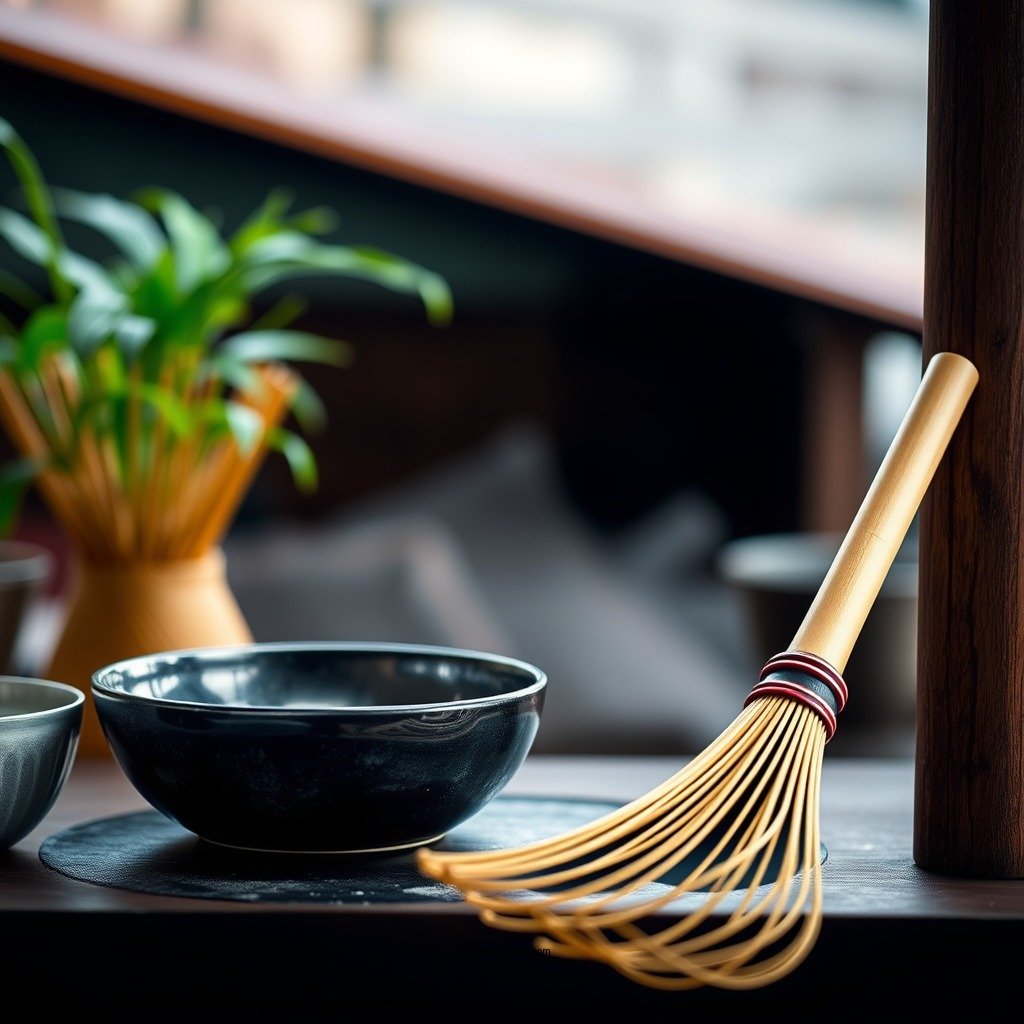
Bamboo whisks, known as “chasen,” are an integral tool in the preparation of matcha tea, while “chasaku” refers to the bamboo scoop used to portion matcha powder. While both tools are crafted from bamboo, they serve different purposes and possess unique characteristics that influence their cleaning methods. The chasen typically features fine, thin prongs designed for whisking matcha into a frothy consistency, while the chasaku has a broader, flat design for scooping. Understanding these differences is crucial because it helps you appreciate the delicacy of the chasen and the necessity of proper care to avoid damaging the prongs.
Initial Rinsing Techniques
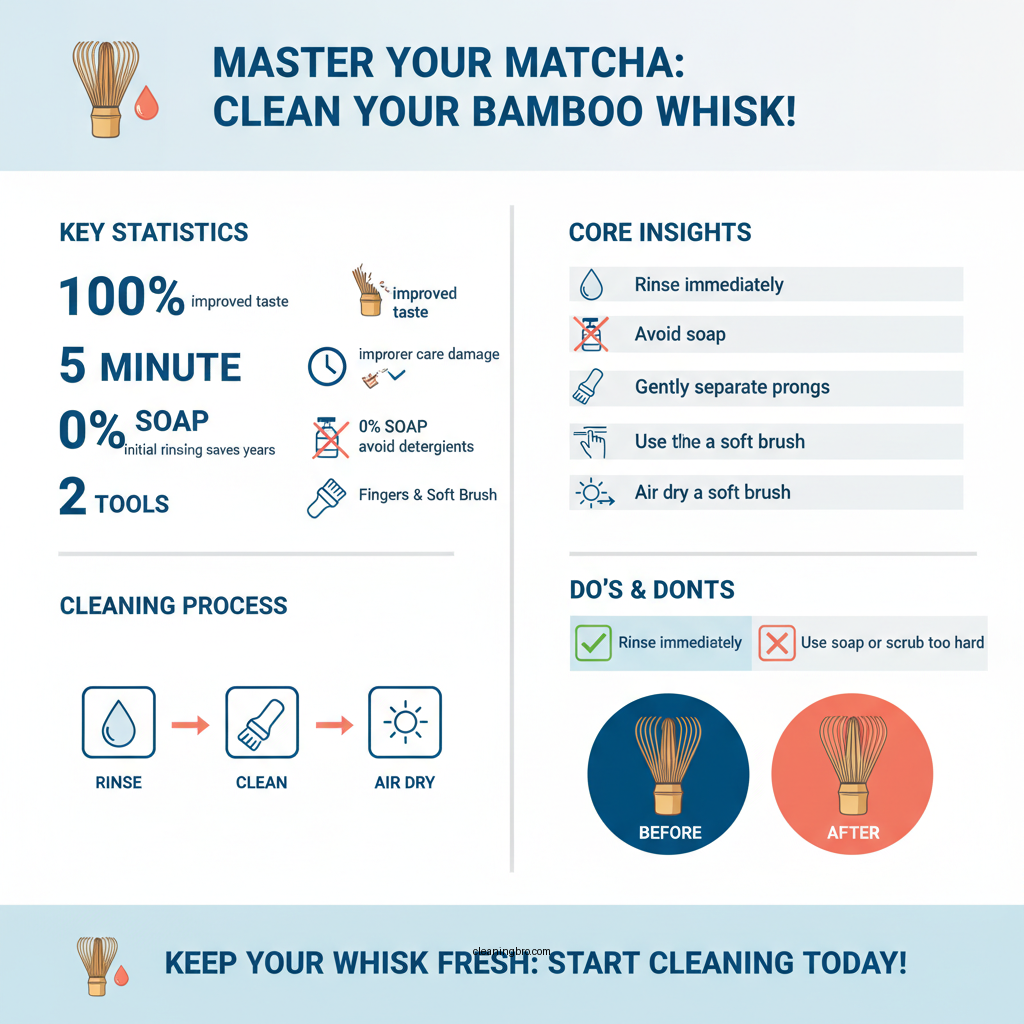
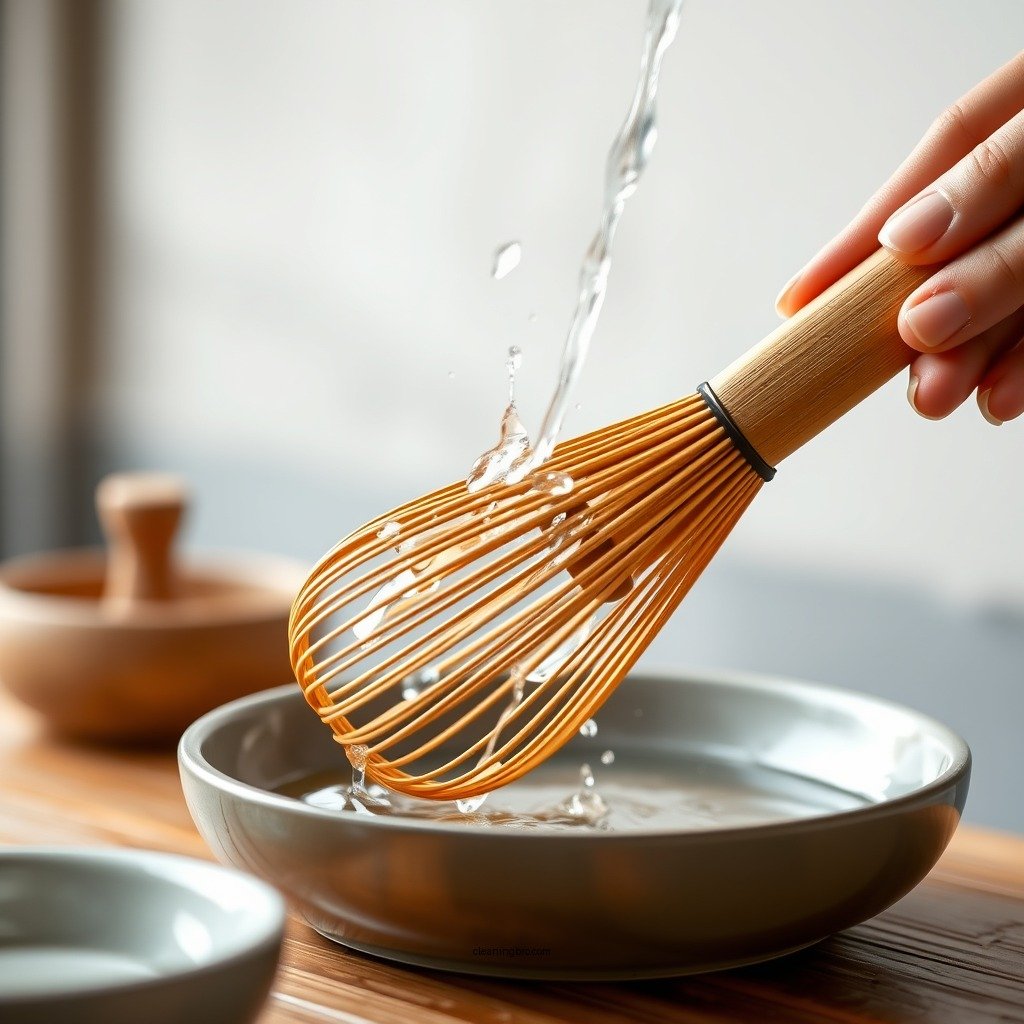
To prolong the lifespan of your bamboo whisk, immediate rinsing is crucial. Rinse the whisk under lukewarm water immediately after use to prevent any tea or matcha residue from hardening. It is essential to avoid using soap or detergent, as these can not only leave a lingering taste but also damage the natural fibers of the bamboo. Instead, simply hold the whisk under running water, allowing the gentle flow to wash away any residual matcha. This initial rinsing step is vital in ensuring that your whisk remains free of unwanted flavors and odors.
Gentle Cleaning Methods
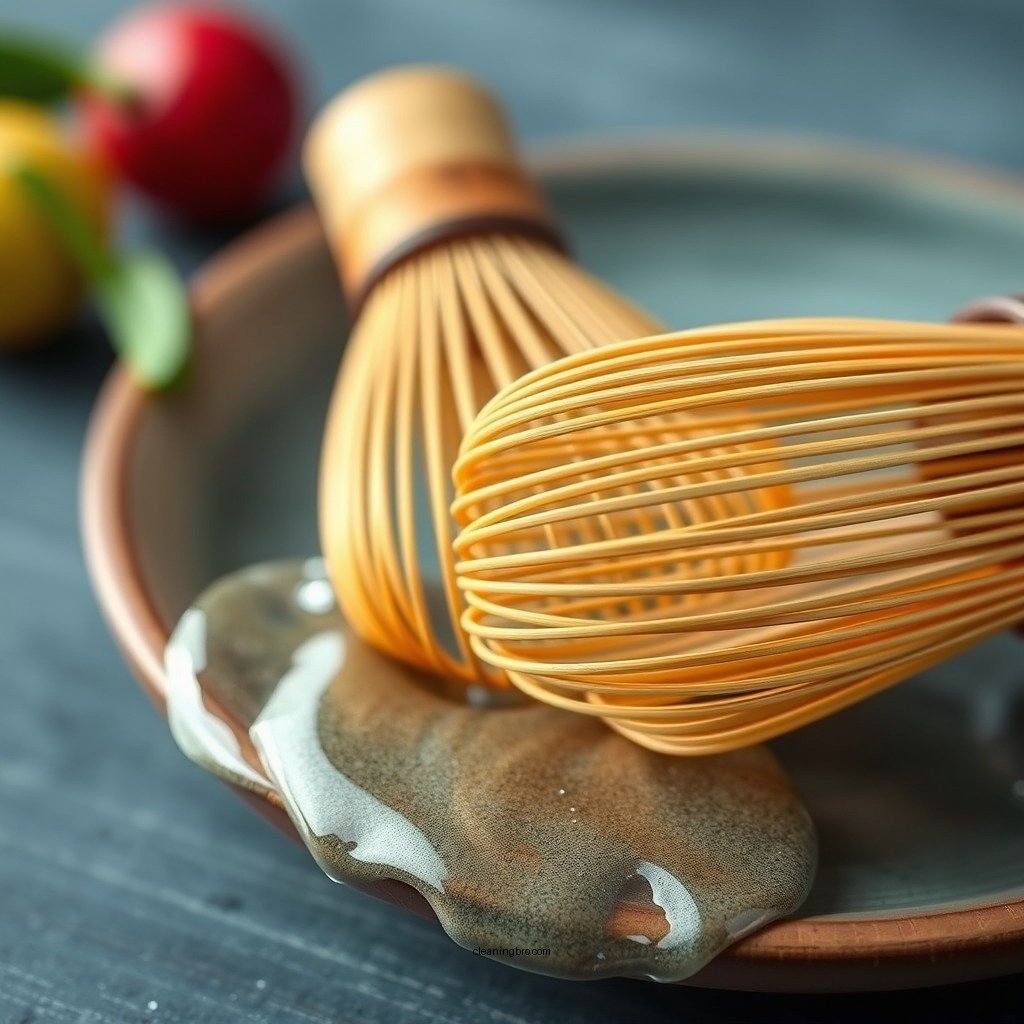
After rinsing, it’s important to gently clean the whisk to ensure that it is entirely free of any matcha particles. Use your fingers to delicately separate the prongs of the whisk, allowing any remaining tea or matcha particles to be easily dislodged. For stubborn residue, consider using a soft brush, such as a small toothbrush with soft bristles, to gently scrub the areas between the prongs. Avoid excessive force, as this could bend or damage the delicate bamboo. This gentle approach not only ensures cleanliness but also helps maintain the whisk’s structural integrity.
Top 7 Bamboo Whisks for Matcha (2024)
| # | Brand | Prong Count | Material Quality | Price |
|---|---|---|---|---|
| 1 | Shizuka | 100 | High-grade bamboo | $20 |
| 2 | Jade Leaf | 80 | Premium bamboo | $15 |
| 3 | Matcha Konomi | 70 | Quality bamboo | $19 |
| 4 | Encha | 60 | Organic bamboo | $22 |
| 5 | Kizuna | 90 | Traditional bamboo | $18 |
| 6 | Mikado | 50 | Basic bamboo | $12 |
| 7 | Koto | 75 | Eco-friendly bamboo | $16 |
Drying Your Bamboo Whisk
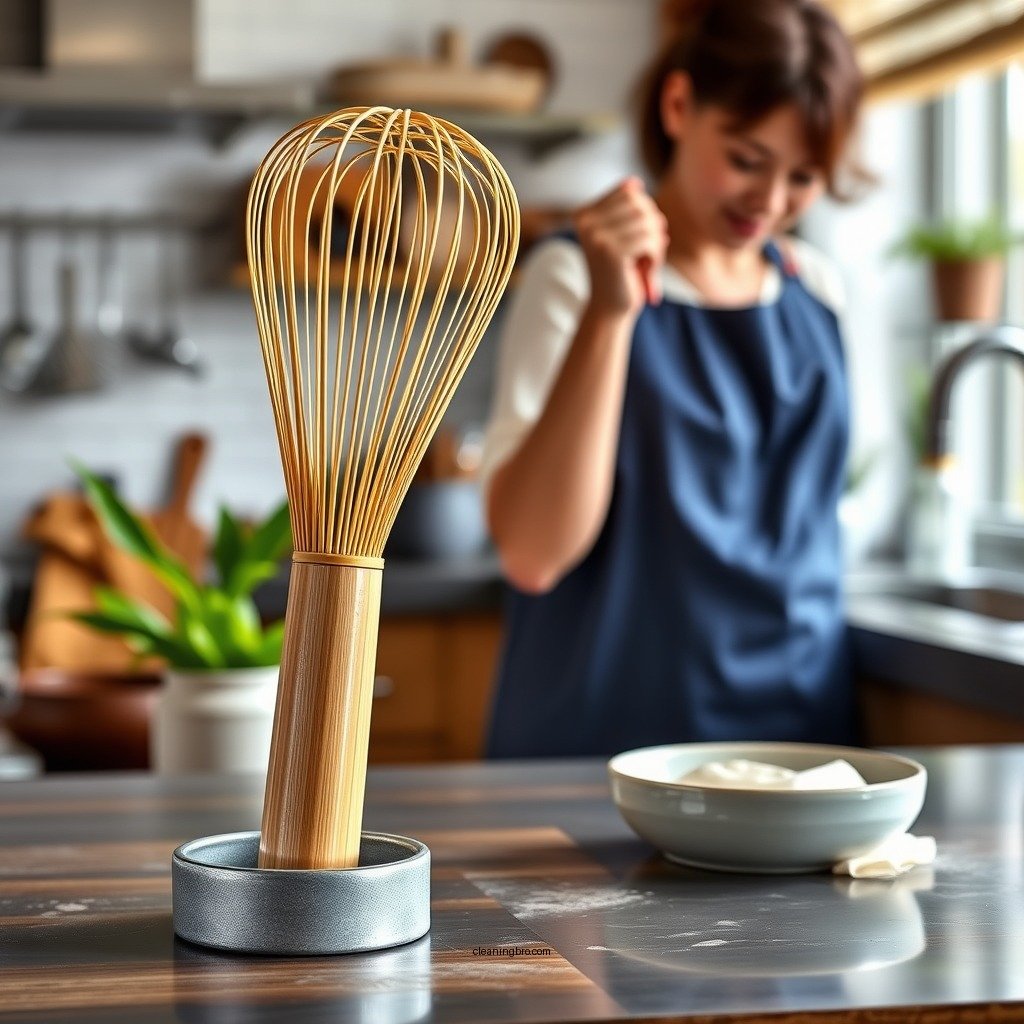
Once your whisk is clean, the drying process is equally important. Gently shake out any excess water, taking care not to pull on the prongs, as this could alter the shape of the whisk. After shaking, place the whisk upright in a holder or a bowl, which helps maintain its shape while allowing air to circulate around it. Air drying is crucial; do not use a towel as it may leave fibers on the whisk or cause damage. Proper drying prevents mold and odor, ensuring that your whisk remains in prime condition for your next matcha preparation.
Storage Tips to Maintain Quality
Proper storage of your bamboo whisk can significantly extend its lifespan. Store the whisk in a dry, cool place, ideally within a whisk holder that supports the prongs in their natural shape. This prevents the prongs from bending and ensures optimal performance. Avoid placing the whisk in direct sunlight or humid areas, as these conditions can lead to deterioration and warping of the bamboo. By taking these simple storage precautions, you can keep your whisk functional for years to come.
Troubleshooting Common Issues
Despite your best efforts, you may encounter some common issues with your bamboo whisk. If it develops an unpleasant smell, it’s crucial to ensure it is thoroughly dried after cleaning, as moisture can lead to mold growth. If the prongs become frayed or damaged, assess whether it’s time to replace the whisk or if gentle trimming may remedy the issue. Taking these steps can help you maintain a hygienic and effective whisk, ensuring each cup of matcha is as delightful as the last.
Bamboo Whisk Holders: Best Options Compared
| Feature | ⭐ Matcha Whisk Holder | Bamboo Whisk Stand | Ceramic Whisk Holder |
|---|---|---|---|
| Material | Bamboo | Bamboo | Ceramic |
| Shape | U-shaped | Flat | Round |
| Support | ✅ Excellent | ✅ Good | ❌ Limited |
| Durability | ✅ Highly durable | ✅ Durable | ❌ Breakable |
| Price | $15 | $12 | $20 |
| Aesthetic | Elegant | Natural | Classic |
| Eco-friendly | ✅ Yes | ✅ Yes | ❌ No |
| Availability | Widely available | Widely available | Limited |
| Best For | Matcha enthusiasts | Casual users | Traditionalists |
To keep your bamboo whisk in optimal condition, make cleaning a regular part of your tea preparation routine. With these simple steps, you can enjoy your favorite beverages while ensuring your tools remain functional and hygienic. Happy whisking!
Frequently Asked Questions
What is the best way to clean a bamboo whisk after use?
To clean a bamboo whisk, gently rinse it under warm water immediately after use, avoiding soap as it can damage the bamboo. Shake off excess water and use your fingers to gently reshape the tines, ensuring they stay separated for proper drying.
How often should I clean my bamboo whisk?
You should clean your bamboo whisk after every use to prevent residue buildup and maintain its quality. Regular cleaning helps preserve the integrity of the bamboo and ensures that your whisk performs optimally for whisking matcha or other beverages.
Why is it important to avoid soap when cleaning a bamboo whisk?
Avoiding soap when cleaning a bamboo whisk is crucial because soap can strip the natural oils from the bamboo, leading to dryness and brittleness. Additionally, soap residues can affect the taste of the beverages you prepare, making it essential to stick to water for cleaning.
Which cleaning techniques are effective for stubborn residue on a bamboo whisk?
For stubborn residue on a bamboo whisk, try soaking it in warm water for a few minutes to loosen the buildup, then gently scrub the tines with your fingers. If necessary, you can also use a soft brush, like a toothbrush, to carefully remove any remaining particles without damaging the whisk.
What should I do if my bamboo whisk becomes misshapen or damaged?
If your bamboo whisk becomes misshapen, soak it in warm water for a few minutes to soften the bamboo, then gently reshape the tines with your fingers. To avoid damage, always store your whisk in an upright position and avoid exposing it to extreme temperatures or direct sunlight.
References
- Chasen
https://en.wikipedia.org/wiki/Chasen - https://www.bbc.com/news/magazine-31649166
https://www.bbc.com/news/magazine-31649166 - https://www.sciencedirect.com/topics/agricultural-and-biological-sciences/bamboo
https://www.sciencedirect.com/topics/agricultural-and-biological-sciences/bamboo - Google Scholar Google Scholar
https://scholar.google.com/scholar?q=cleaning+bamboo+whisk - https://pubmed.ncbi.nlm.nih.gov/20469680/
https://pubmed.ncbi.nlm.nih.gov/20469680/ - https://www.nature.com/articles/s41598-018-23331-2
https://www.nature.com/articles/s41598-018-23331-2 - Bamboo | Characteristics, Distribution & Uses | Britannica
https://www.britannica.com/plant/bamboo - Google Scholar Google Scholar
https://scholar.google.com/scholar?q=bamboo+whisk+maintenance - National Institutes of Health (NIH) |
https://www.nih.gov/ - Centers for Disease Control and Prevention | CDC
https://www.cdc.gov/