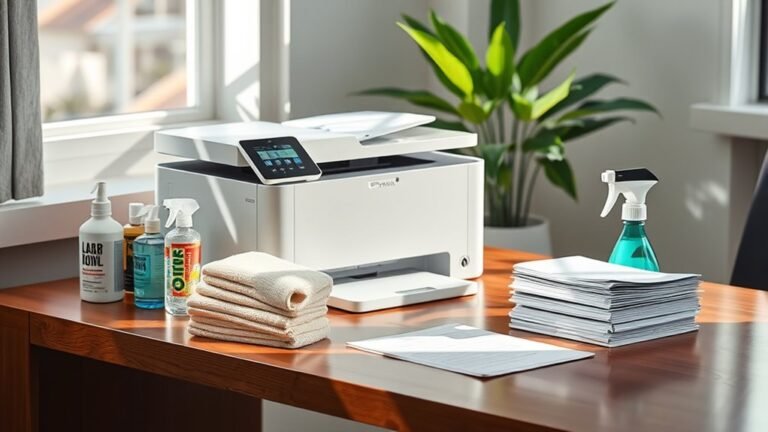
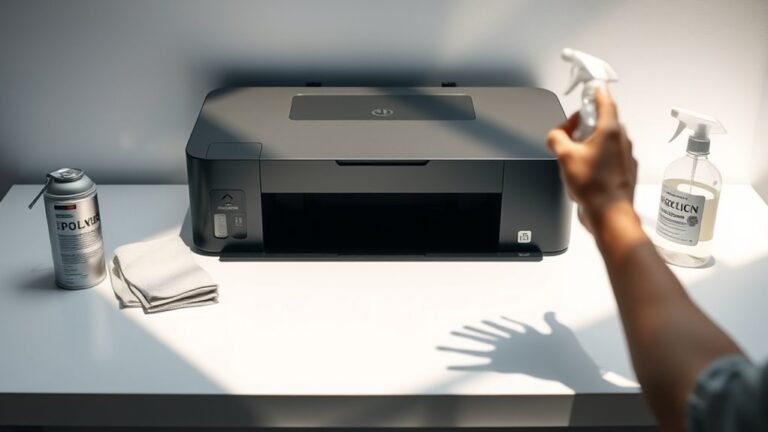
How to Clean Your Bank’s Air Filter: A Simple Guide
Cleaning your bank’s air filter is crucial for ensuring good indoor air quality and maintaining the efficiency of your HVAC system. By regularly cleaning or replacing the air filter, you can enhance the overall performance of your heating and cooling systems, which directly impacts energy consumption and costs. In this guide, you will learn the step-by-step process to effectively clean the air filter in your bank, ensuring a healthier and more comfortable environment for both employees and customers.
Understanding the Importance of Air Filters

Air filters play a vital role in improving indoor air quality by trapping dust, allergens, and pollutants. In a bank setting, where numerous employees and clients interact daily, maintaining clean air is essential for health and productivity. A clean air filter not only enhances air quality but also improves the efficiency of the HVAC system. When air filters are clogged with dust and debris, the system has to work harder to circulate air, leading to increased energy consumption and higher utility bills.
Moreover, regular maintenance of air filters can significantly prolong the life of your HVAC system. By preventing dirt and particulate matter from entering the system, you reduce the risk of mechanical failures and costly repairs. Thus, investing time and resources in air filter maintenance is a proactive approach that pays off in the long run.
When to Clean the Air Filter


Knowing when to clean the air filter is crucial for maintaining optimal HVAC performance. Some common indicators that it’s time to clean or replace the air filter include:
– Decreased Air Flow: If you notice that the air flow from the vents is weak, it may indicate that the filter is clogged and needs cleaning.
– Increased Energy Bills: A sudden spike in energy costs can indicate that your HVAC system is working harder due to a dirty air filter.
– Unpleasant Odors: Foul smells circulating through the air can be a sign that the filter is saturated with dust and allergens.
– Visible Dust and Dirt: If you can see dust collecting on the vents or in the vicinity of the HVAC system, it’s time to check the filter.
Regular maintenance schedules typically recommend checking the air filter every 1-3 months. However, in high-traffic areas or environments with more dust, you may need to inspect it more frequently.
Tools and Materials Needed
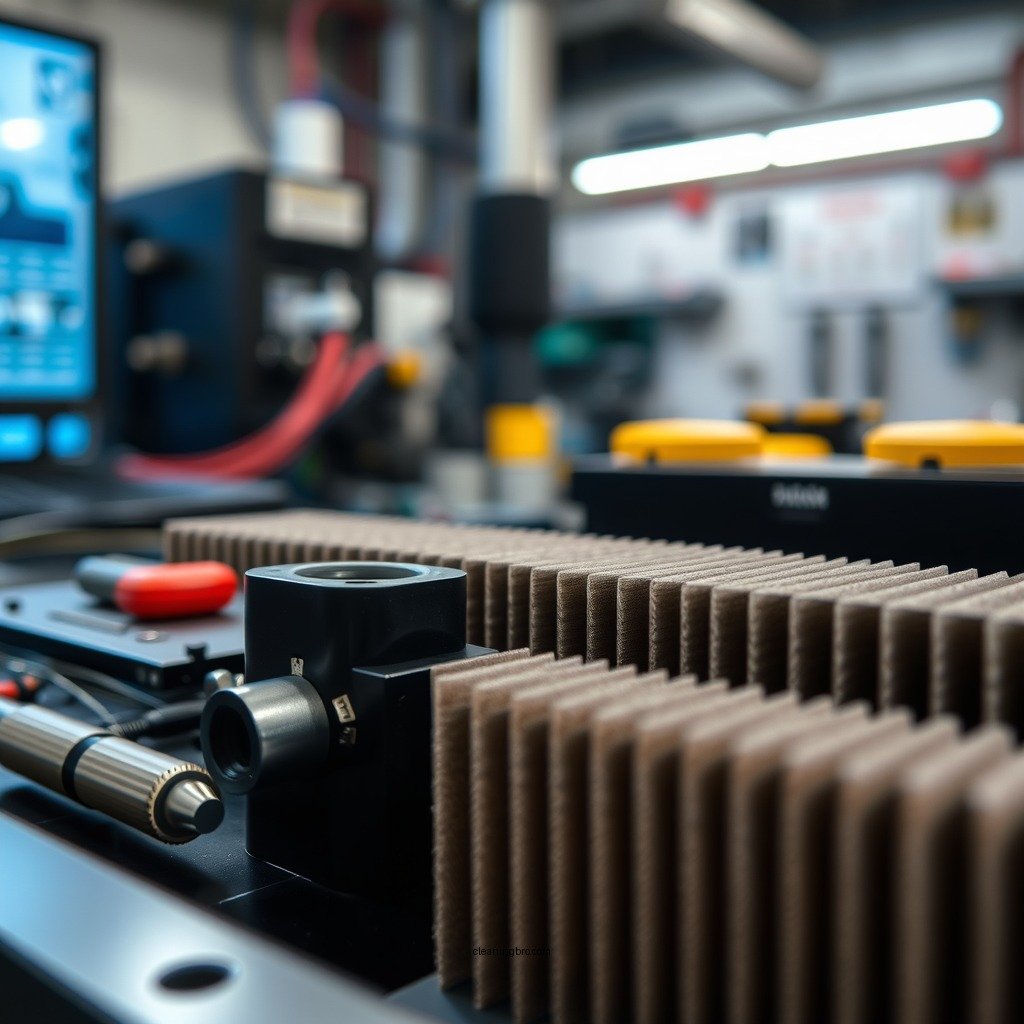
To clean your bank’s air filter effectively, gather the following essential cleaning supplies:
– Vacuum Cleaner: A vacuum with a brush attachment is perfect for removing loose debris from the filter.
– Mild Detergent: Use a gentle detergent for washing the filter to avoid any damage.
– Water: Clean, lukewarm water is best for rinsing the filter.
– Soft Brush: A soft-bristled brush can help dislodge stubborn dirt and allergens from the filter.
Additionally, ensure you have safety gear, including gloves and a mask, to protect against dust and allergens during the cleaning process.
Step-by-Step Cleaning Process
1. Remove the Filter:
– Locate the air filter in your bank’s HVAC system. This is typically found near the air handler or blower. Carefully remove the filter, making note of its orientation for reinstallation.
2. Clean the Filter:
– Use a vacuum cleaner to remove loose debris from both sides of the filter. Pay close attention to the edges and crevices where dust tends to accumulate.
– Prepare a solution of mild detergent and lukewarm water. Submerge the filter in the solution and gently scrub it with a soft brush to dislodge any remaining dirt.
– Rinse the filter thoroughly under clean water until all detergent is removed. Avoid using hot water, as it can damage some filter materials.
3. Drying:
– Allow the filter to dry completely before reinstalling it. Placing it in a well-ventilated area can speed up the drying process.
Reinstalling the Air Filter
Once the filter is entirely dry, it’s time to reinstall it:
– Ensure the filter is completely dry to prevent mold growth and other issues.
– Reinsert the filter into the HVAC system, ensuring it is positioned correctly according to the airflow direction indicated on the filter frame.
– Double-check that the filter is fitted securely in place to prevent air leaks, which can decrease system efficiency.
Preventive Measures for Future Maintenance
To maintain the cleanliness of the air filters in your bank and prevent future buildup, consider implementing the following preventive measures:
– Schedule Regular Inspections: Create a maintenance calendar to check the air filters regularly. This helps in identifying and addressing issues before they become major problems.
– Use High-Efficiency Filters: Consider replacing standard filters with high-efficiency particulate air (HEPA) filters or other high-efficiency options. These filters can trap smaller particles and might require less frequent cleaning or replacement.
– Educate Staff: Train employees on the importance of air quality and the role of air filters in maintaining a healthy work environment. Encourage them to report any signs of decreased air quality promptly.
Air Filter Efficiency Ratings (2024)
| # | Filter Type | MERV Rating | Lifespan | Efficiency (%) |
|---|---|---|---|---|
| 1 | Fiberglass Filter | 1-4 | 1-3 months | < 20% |
| 2 | Pleated Filter | 5-8 | 3-6 months | 30-50% |
| 3 | HEPA Filter | 13-16 | 6-12 months | > 99% |
| 4 | Electrostatic Filter | 10-12 | 6-12 months | 60-80% |
| 5 | Carbon Filter | 5-10 | 3-6 months | 70-90% |
| 6 | Washable Filter | 8-12 | 6-12 months | 50-70% |
| 7 | Media Filter | 11-13 | 6-12 months | 80-90% |
Air Filter Types: Fiberglass vs. Pleated vs. HEPA
| Feature | ⭐ HEPA Filter | Pleated Filter | Fiberglass Filter |
|---|---|---|---|
| MERV Rating | 13-16 | 5-8 | 1-4 |
| Efficiency | > 99% | 30-50% | < 20% |
| Lifespan | 6-12 months | 3-6 months | 1-3 months |
| Cost | Higher | Moderate | Lower |
| Installation Ease | Moderate | Easy | Easy |
| Maintenance Frequency | 6-12 months | 3-6 months | 1-3 months |
| Filter Type | Disposable | Disposable | Disposable |
| Health Benefits | ✅ Excellent | ✅ Good | ❌ Poor |
| Overall Performance | Top choice | Good | Acceptable |
| 🏆 Best For | Allergy sufferers | General use | Budget-friendly |
Maintaining a clean air filter in your bank is not only crucial for air quality but also for the efficiency of your HVAC system. By following these simple steps, you can ensure that your bank remains a comfortable environment for both employees and customers. Regular cleaning leads to lasting benefits, including improved airflow and reduced energy costs. To maximize the effectiveness of your HVAC system, establish a routine maintenance schedule and consider upgrading to high-efficiency filters. Don’t forget to set reminders for your next cleaning session!
Frequently Asked Questions
How often should I clean my Banks air filter?
It is recommended to clean your Banks air filter every 10,000 to 15,000 miles, depending on driving conditions. If you frequently drive in dusty or off-road environments, you may need to clean it more often. Regular maintenance ensures optimal airflow and engine performance.
What is the best way to clean a Banks air filter?
The best way to clean a Banks air filter is to use a gentle cleaning solution specifically designed for air filters. Start by removing the filter from its housing, then gently tap it to remove loose dirt. Soak it in the cleaning solution, rinse it with water, and allow it to dry completely before reinstalling it.
Why is it important to clean my Banks air filter?
Cleaning your Banks air filter is crucial for maintaining your vehicle’s performance and fuel efficiency. A clogged or dirty air filter can restrict airflow, leading to reduced engine power and increased fuel consumption. Regular cleaning helps prolong the life of your engine and ensures it runs smoothly.
Which cleaning products are safe for Banks air filters?
It’s best to use cleaning products specifically formulated for air filters, such as K&N Air Filter Cleaner or other gentle detergents that won’t damage the filter material. Avoid using harsh chemicals or solvents, as they can degrade the filter’s effectiveness and lifespan.
How can I tell if my Banks air filter needs cleaning?
You can tell if your Banks air filter needs cleaning by visually inspecting it for dirt and debris buildup. Additionally, if you notice a decrease in engine performance, reduced acceleration, or decreased fuel efficiency, it may indicate that the air filter is clogged and requires cleaning. Regular checks can help maintain optimal engine function.
References
- https://www.uwm.edu/engineering/cleaning-air-filters/
https://www.uwm.edu/engineering/cleaning-air-filters/ - Air Cleaners and Air Filters in the Home | US EPA
https://www.epa.gov/indoor-air-quality-iaq/air-cleaners-and-air-filters-home - https://www.cdc.gov/niosh/topics/indoorair/filters.html
https://www.cdc.gov/niosh/topics/indoorair/filters.html - Page Not Found – Site Help – Mayo Clinic
https://www.mayoclinic.org/healthy-lifestyle/home-and-garden/expert-answers/air-filters/faq-20058099 - https://www.nsf.org/knowledge-library/what-are-air-filters-and-how-do-they-work
https://www.nsf.org/knowledge-library/what-are-air-filters-and-how-do-they-work - https://www.sciencedirect.com/science/article/abs/pii/S036013231730437X
https://www.sciencedirect.com/science/article/abs/pii/S036013231730437X - Household air pollution
https://www.who.int/news-room/fact-sheets/detail/household-air-pollution-and-health - Google Scholar Google Scholar
https://scholar.google.com/scholar?q=how+to+clean+banks+air+filter - Google Scholar Google Scholar
https://scholar.google.com/scholar?q=cleaning+air+filter+maintenance - Google Scholar Google Scholar
https://scholar.google.com/scholar?q=air+filter+cleaning+methods