How to Clean Bass Strings: A Simple Guide
Cleaning bass strings regularly will enhance their sound quality and extend their lifespan. In this article, you’ll learn effective methods to clean your bass strings, ensuring they remain fresh and vibrant for your performances. Let’s dive into the best practices for maintaining those strings!
Understanding the Importance of Cleaning Bass Strings

Moreover, maintaining the cleanliness of your strings can prevent premature wear and tear. When grime accumulates, it can lead to corrosion, which shortens the lifespan of your strings. By incorporating a cleaning routine into your practice, you can ensure that your bass maintains its optimal performance for years to come.
Tools You’ll Need for Cleaning


To effectively clean your bass strings, you will need a few basic tools:
– Soft Cloth or Microfiber Towel: A high-quality, lint-free cloth is essential for gently wiping down the strings and removing dirt and oils without scratching the surface.
– String Cleaner: There are many commercial string cleaners available that can effectively remove grime and add a protective layer to the strings. Alternatively, you can create a homemade solution using rubbing alcohol or vinegar, which can also help in cleaning.
– Optional: String Wipes: For quick cleaning on the go, pre-moistened string wipes are convenient and can easily fit in your gig bag.
Having these tools ready will make the cleaning process more efficient and effective.
Step-by-Step Cleaning Process
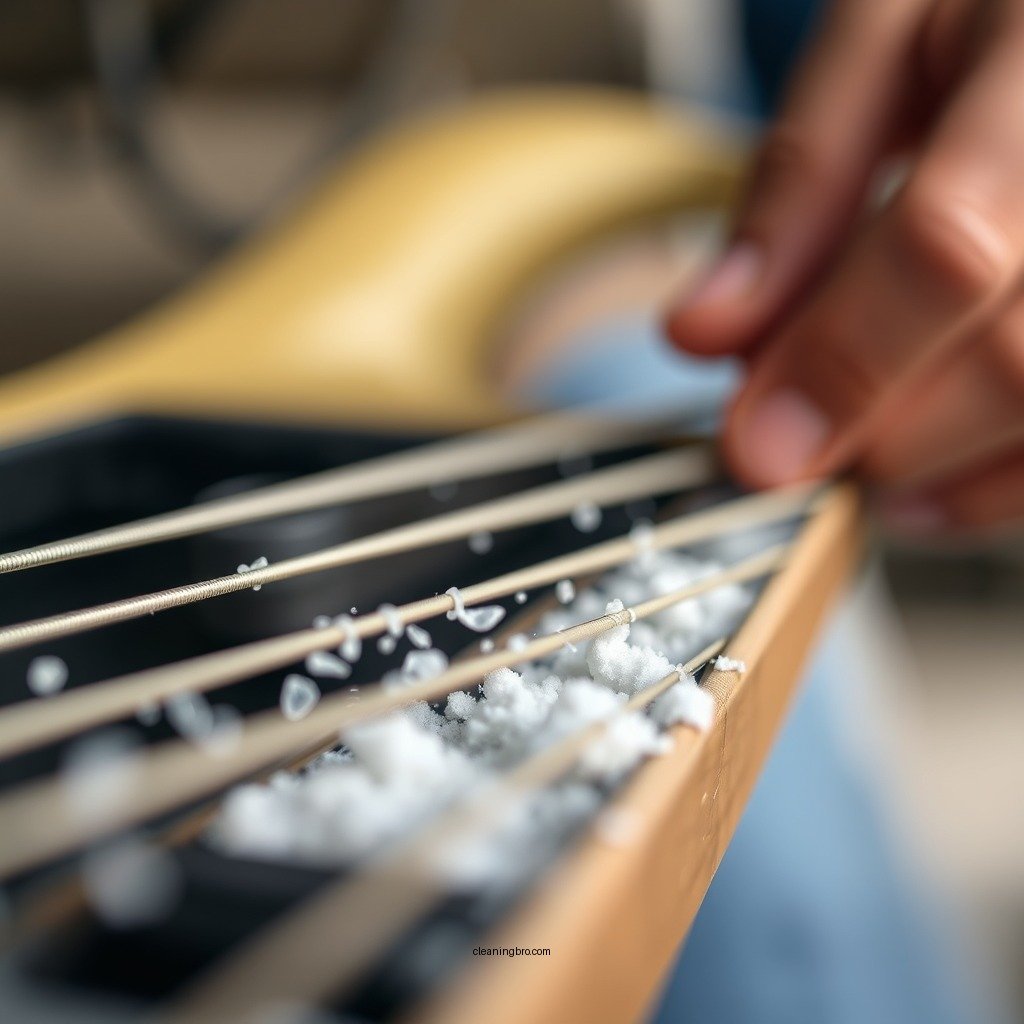
1. Preparation: Before you begin cleaning, loosen the strings slightly. This can make it easier to access the entire length of the strings, especially around the areas that come into contact with the fretboard.
2. Wipe Down: Using your soft cloth or microfiber towel, gently wipe down each string from the bridge to the nut. This action will remove any accumulated dirt, oils, or grime. Be sure to pay extra attention to the areas where your fingers commonly touch.
3. Apply Cleaner: If you are using a string cleaner, apply it according to the product instructions. Generally, this involves spraying or applying the cleaner onto a clean cloth and then running the cloth along the strings. If you are using a homemade solution, dampen a corner of your cloth with the alcohol or vinegar and wipe the strings carefully.
4. Final Wipe: After applying the cleaner, take a dry part of the cloth and wipe down the strings again to remove any excess cleaner. This step ensures that no residue is left behind, which could affect your sound.
5. Check Tuning: After cleaning, always check your tuning before playing. Sometimes, cleaning can affect the tension of the strings, and you want to ensure your bass sounds right.
Top 7 Bass String Brands by Popularity (2024)
| # | Brand | Material | Coated | Price (USD) |
|---|---|---|---|---|
| 1 | D’Addario | Nickel | Yes | $20.99 |
| 2 | Ernie Ball | Nickel | Yes | $19.99 |
| 3 | GHS | Nickel | No | $17.99 |
| 4 | La Bella | Bronze | No | $21.99 |
| 5 | Rotosound | Nickel | Yes | $22.99 |
| 6 | DR Strings | Nickel | Yes | $18.99 |
| 7 | Fender | Nickel | Yes | $23.99 |
Tips for Maintaining Clean Strings
To ensure your bass strings remain clean and in good condition, consider the following tips:
– Clean After Each Use: Make it a habit to clean your strings after every playing session. This practice minimizes the buildup of oils and dirt, keeping your strings fresh for longer.
– Choose Coated Strings: Coated strings are designed to resist dirt and grime accumulation. They often have a longer lifespan compared to uncoated strings and can sometimes produce a brighter sound.
– Store Your Bass Properly: Keeping your bass in a case when not in use protects it from dust and moisture. Additionally, consider using a desiccant to absorb humidity within the case, which can help prevent corrosion.
– Use a String Lubricant: Some players find that applying a light lubricant can help keep the strings smooth and protect them from dirt. Make sure to use products specifically designed for strings.
When to Replace Your Bass Strings
Even with regular cleaning, there will come a time when you need to replace your bass strings. Here are some indicators that it’s time for a change:
– Signs of Wear: Look for discoloration, rust, or fraying. If the strings appear dull or have lost their sheen, they may not perform optimally.
– Sound Quality: If cleaning no longer restores the brightness and clarity of your sound, it might be time to replace your strings. Fresh strings will typically provide a more focused and vibrant tone.
– Playing Frequency: Consider how often you play. Musicians who perform regularly may need to change their strings weekly or monthly, while casual players might find they can stretch this time frame longer.
By regularly assessing your strings based on these criteria, you can ensure that your instrument always sounds its best.
D’Addario vs Ernie Ball vs GHS: Bass Strings Comparison
| Feature | ⭐ D’Addario | Ernie Ball | GHS |
|---|---|---|---|
| Material | Nickel | Nickel | Nickel |
| Coated | Yes | Yes | No |
| Price | $20.99 | $19.99 | $17.99 |
| Tone Consistency | Excellent | Very Good | Good |
| Durability | High | High | Medium |
| Flexibility | Very Good | Good | Average |
| Sustain | Long | Medium | Short |
| Playability | Smooth | Very Smooth | Average |
| Suitable Genres | All | Rock, Jazz | Jazz, Blues |
| Free Trial | No | No | No |
| 🏆 Best For | Versatile players | Rock enthusiasts | Jazz players |
Additional Care for Your Bass Guitar
In addition to cleaning your strings, it’s crucial to take care of the entire bass guitar. Here are some additional maintenance tips:
– Regularly Clean the Fretboard: Use a fretboard conditioner to clean and protect the wood. A clean fretboard can enhance playability and prevent buildup that can affect string performance.
– Monitor Humidity Levels: Wood is sensitive to humidity. Keep your bass in a controlled environment to prevent warping and cracking. Using a hygrometer can help you maintain appropriate levels.
– Routine Check-ups: Schedule periodic inspections for other hardware components like pickups and tuners. Ensuring everything is in working order can help maintain the overall sound quality and playability of your instrument.
Maintaining clean bass strings is essential for optimal sound and playability. By following these steps, you’ll not only enjoy a better playing experience but also prolong the life of your strings. Remember to incorporate these cleaning habits into your routine and keep your bass sounding its best!
Frequently Asked Questions
How often should I clean my bass strings?
It’s recommended to clean your bass strings after every playing session to maintain their brightness and longevity. Regular cleaning helps remove oils, dirt, and sweat, which can lead to corrosion and dull sound. For players who frequently perform or practice, consider a weekly deep clean.
What is the best way to clean bass strings?
The best way to clean bass strings is to use a microfiber cloth to wipe down the strings after each use. For a deeper clean, you can use string cleaners specifically designed for bass strings or a mixture of water and vinegar. Apply the solution to the cloth, not directly on the strings, and wipe gently to avoid damage.
Why do my bass strings sound dull, and how can I fix it?
Dull-sounding bass strings are often a result of accumulated grime, oil, and oxidation. To fix this, clean your strings regularly with a microfiber cloth and a suitable string cleaner. If the strings are too worn or corroded, it may be time to replace them for optimal sound quality.
Which products are best for cleaning bass strings?
The best products for cleaning bass strings include specialized string cleaning solutions like Fast Fret or GHS String Cleaner. For a DIY approach, a mixture of isopropyl alcohol and water can also work effectively. Always ensure that the product is safe for your specific string type to avoid damage.
How can I extend the life of my bass strings through cleaning?
To extend the life of your bass strings, make it a habit to clean them regularly with a soft cloth after every use. Additionally, using a string conditioner can help prevent corrosion and maintain their elasticity. Proper storage in a controlled environment can also contribute to longer-lasting strings.
References
- https://www.ultimate-guitar.com/articles/features/how_to_clean_your_guitar_strings
https://www.ultimate-guitar.com/articles/features/how_to_clean_your_guitar_strings - https://www.wwu.edu/~dunnj/BassStringMaintenance.html
https://www.wwu.edu/~dunnj/BassStringMaintenance.html - Reddit – The heart of the internet
https://www.reddit.com/r/Bass/comments/2r6s5q/how_do_you_clean_your_bass_strings/ - Google Scholar Google Scholar
https://scholar.google.com/scholar?q=clean+bass+strings - Google Scholar Google Scholar
https://scholar.google.com/scholar?q=maintenance+bass+strings - Google Scholar Google Scholar
https://scholar.google.com/scholar?q=guitar+string+cleaning+methods - Google Scholar Google Scholar
https://scholar.google.com/scholar?q=how+to+clean+bass+strings - how to clean bass strings – Search results
https://en.wikipedia.org/wiki/Special:Search?search=how+to+clean+bass+strings - https://www.ncbi.nlm.nih.gov/search/research-articles/?term=how+to+clean+bass+strings
https://www.ncbi.nlm.nih.gov/search/research-articles/?term=how+to+clean+bass+strings