How to Clean a Boar Hair Brush: Step-by-Step Guide
Cleaning a boar hair brush is essential for maintaining its performance and longevity. To effectively clean your brush, you’ll want to remove hair, dirt, and oils using a gentle method that preserves the bristles. In this article, we’ll guide you through the simple steps to ensure your boar hair brush remains in top condition.
Understanding Your Boar Hair Brush

Boar hair brushes are celebrated for their durability and unique ability to evenly distribute natural oils from the scalp throughout the hair. This natural oil distribution helps to achieve a healthy shine and can improve the overall texture of your hair. However, like any grooming tool, they require special care to maintain their shape and effectiveness. Over time, oil, dirt, and hair can accumulate on the bristles, diminishing the brush’s performance if not cleaned regularly. Understanding the construction of your boar hair brush, including the type of bristles and handle, is essential for proper cleaning techniques that prevent damage.
Gather Your Cleaning Supplies
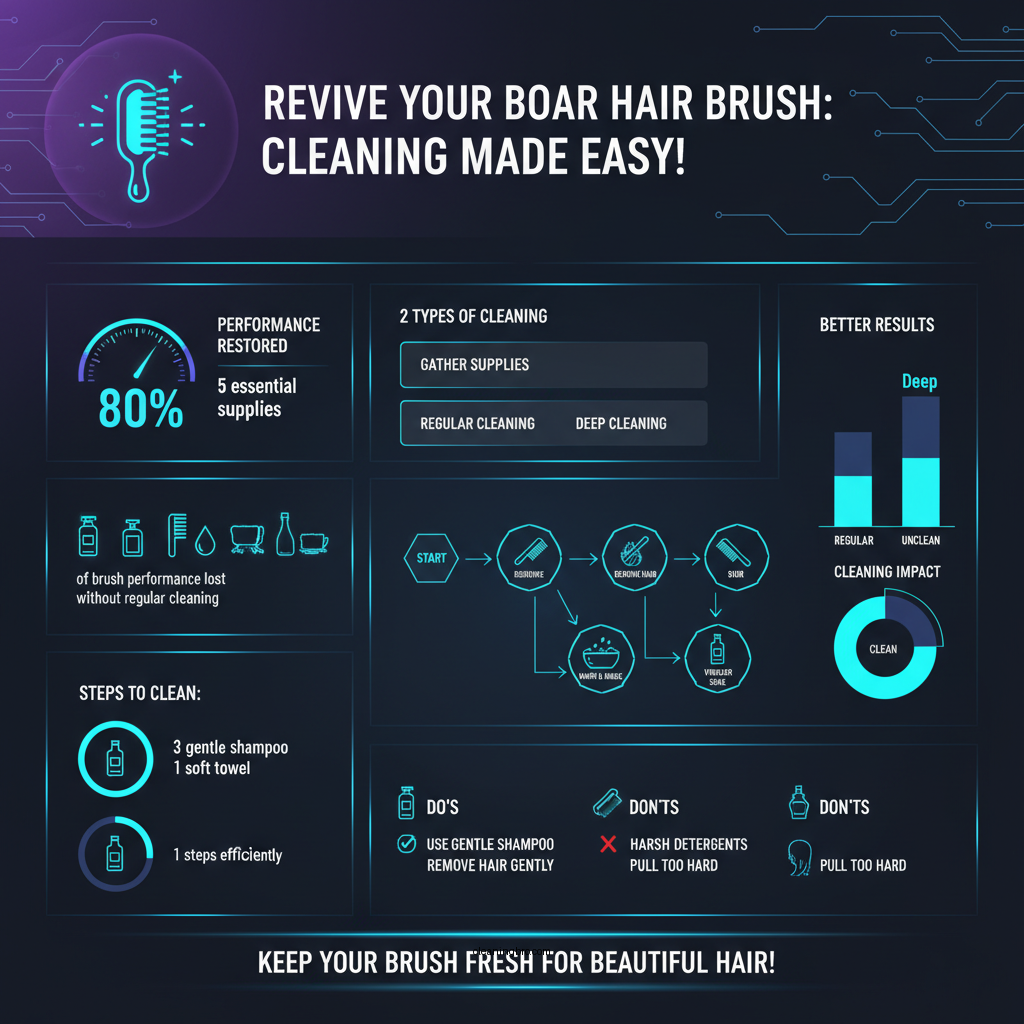
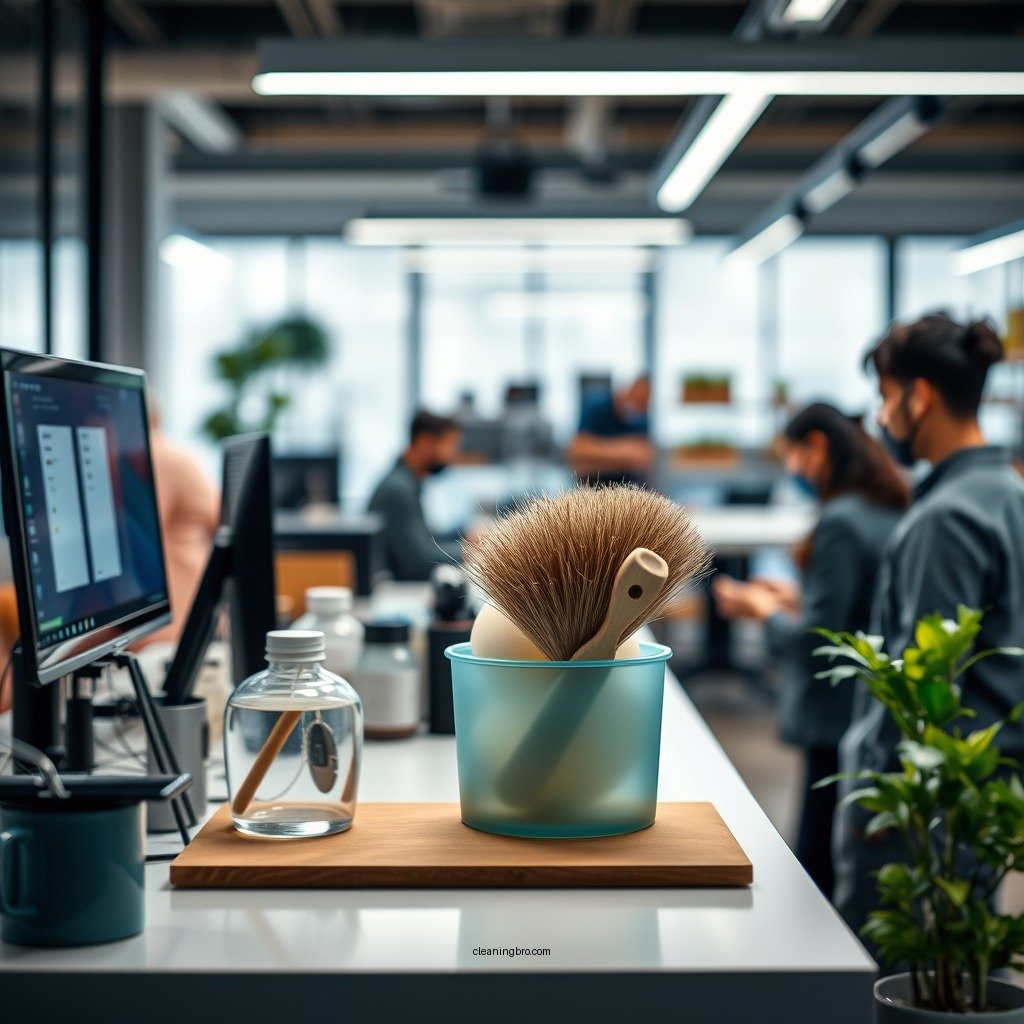
Before starting the cleaning process, it is crucial to gather the right supplies. You will need:
– A gentle shampoo or soap specifically designed for brushes, as harsh detergents can damage the bristles.
– A fine-toothed comb or a specialized cleaning tool to help remove hair strands without harming the bristles.
– A bowl for mixing the cleaning solution.
– A soft towel for drying the brush.
– Optionally, a vinegar solution for deep cleaning if your brush is particularly dirty.
Having these supplies ready will streamline the cleaning process and ensure your boar hair brush is treated with the utmost care.
Removing Hair from the Brush
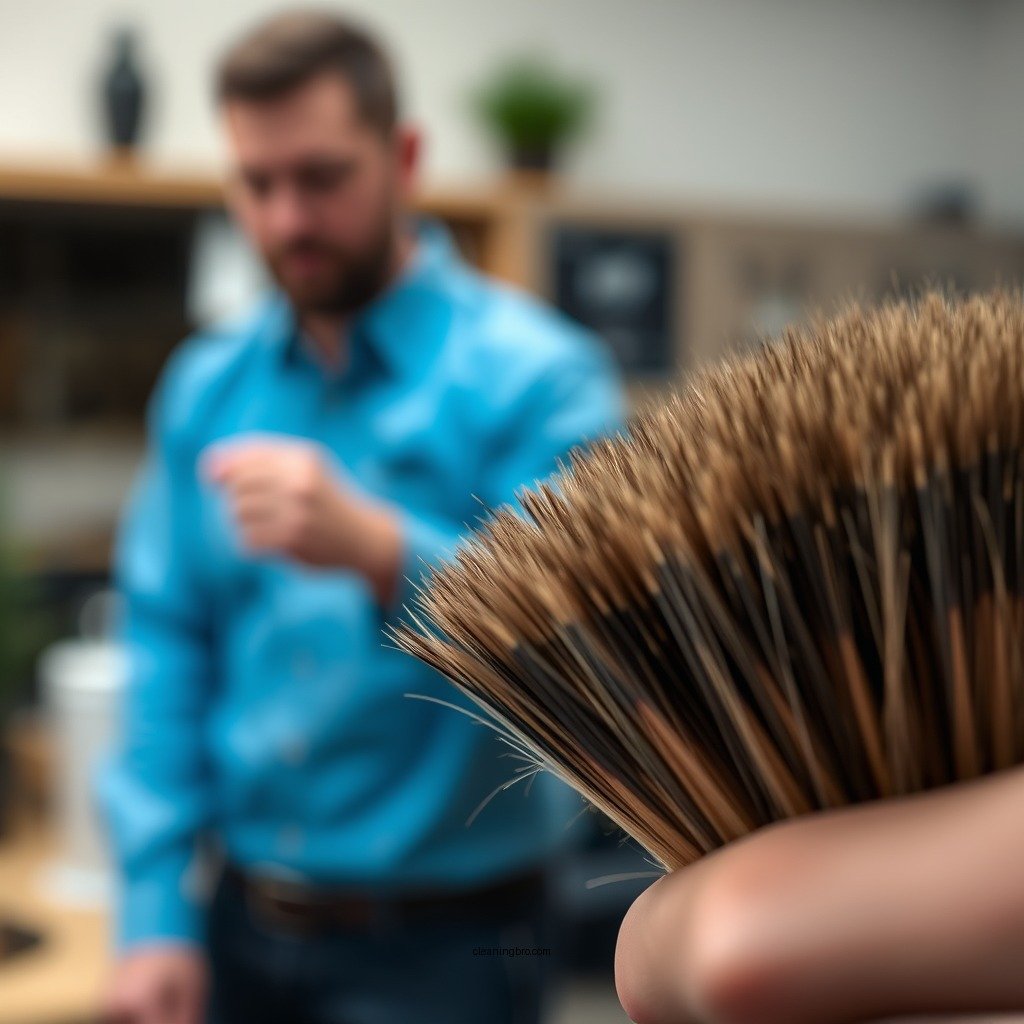
The first step in cleaning your boar hair brush is to remove any hair strands that have accumulated. Begin by using your fingers or a fine-toothed comb to gently pull out the hair. Be careful during this process, as excessive force can damage the bristles.
To make this task easier, start at one end of the brush and work your way to the other, gently pulling the hair strands away from the bristles. You may also find it easier to use the comb to work through any tangles, but always do this gently to avoid dislodging the bristles. Once you have removed as much hair as possible, you can proceed to the washing stage.
Top 7 Boar Hair Brush Brands (2024)
| # | Brand | Material Quality | Price Range | User Rating |
|---|---|---|---|---|
| 1 | Mason Pearson | High | $150 – $300 | ★★★★★ |
| 2 | Kent | Medium | $30 – $100 | ★★★★☆ |
| 3 | Spornette | High | $20 – $50 | ★★★★☆ |
| 4 | Olivia Garden | Medium | $15 – $40 | ★★★☆☆ |
| 5 | Haeckels | High | $70 – $160 | ★★★★☆ |
| 6 | Tangle Teezer | Medium | $15 – $25 | ★★★☆☆ |
| 7 | Bristle & Blow | Medium | $25 – $60 | ★★★☆☆ |
Washing the Brush
Once you have removed the hair, it’s time to wash the brush. Start by mixing lukewarm water with a small amount of gentle shampoo in a bowl. Avoid using hot water, as it can damage the bristles and degrade the adhesive that holds them in place.
Dip the bristles into the soapy water, taking care not to submerge the entire brush, as this can lead to water damage. Gently swish the bristles in the water to loosen dirt and oil. If necessary, you can use your fingers to massage the bristles lightly, but do so with caution. After cleaning, rinse the brush under cool, running water to remove any soap residue, ensuring that no product is left behind.
Rinsing and Drying the Brush
After rinsing, gently shake off any excess water. It’s important not to pull on the bristles during this process, as this can cause them to become misshapen. To dry, lay the brush flat on a towel. Avoid placing the brush upright in a cup or container, as this can cause water to seep into the base of the bristles, leading to mold or damage. Allow the brush to air dry completely before using it again.
Maintaining Your Boar Hair Brush
To prolong the life of your boar hair brush and maintain its optimal performance, establish a regular cleaning routine. Depending on usage, aim to clean your brush every few weeks to prevent oil and dirt buildup. Store the brush in a dry, cool place, and avoid exposing it to high heat or moisture, which can warp the bristles or damage the handle. Additionally, consider using a protective sleeve or case when traveling to keep the bristles from getting damaged.
Troubleshooting Common Issues
If you notice that the bristles of your boar hair brush have become stiff or hard, a deep cleaning may be necessary. In this case, consider using a mixture of vinegar and water to help break down buildup. Combine equal parts vinegar and water, then soak the bristles briefly before rinsing thoroughly. For stubborn residue, you may need to repeat this process. Always rinse well to avoid leaving any vinegar in the bristles, as it can lead to odors.
By understanding how to properly clean and maintain your boar hair brush, you ensure that it remains an effective tool in your hair care routine. Regular cleaning not only extends the lifespan of the brush but also optimizes its performance, allowing you to achieve the best results in your grooming regimen.
In conclusion, keeping your boar hair brush clean is vital for achieving the best results in your hair care routine. By following these steps, you can ensure your brush remains functional and prolongs its lifespan. Make cleaning a regular part of your hair care regimen to enjoy the full benefits of your boar hair brush.
Frequently Asked Questions
How do I properly clean my boar hair brush?
To clean your boar hair brush, start by removing any hair and debris from the bristles using a comb or your fingers. Then, mix a few drops of mild shampoo with warm water in a bowl, dip the bristles into the solution, and gently swish them around. Rinse thoroughly under running water, ensuring no soap residue remains, and lay the brush flat on a towel to dry.
Why is it important to clean my boar hair brush regularly?
Regularly cleaning your boar hair brush is essential to maintain its effectiveness and longevity. Accumulated oils, dirt, and product build-up can hinder the brush’s performance, making it less effective at distributing natural oils and styling your hair. A clean brush also promotes healthier hair and scalp by preventing bacteria and residue transfer.
What is the best way to dry my boar hair brush after cleaning?
The best way to dry your boar hair brush is to lay it flat on a clean towel with the bristles facing up. This position allows air to circulate and helps prevent water from seeping into the base of the bristles, which can damage the brush over time. Avoid using a hairdryer or placing the brush in direct sunlight, as excessive heat can weaken the bristles and affect their performance.
Which cleaning products should I avoid when cleaning my boar hair brush?
When cleaning your boar hair brush, avoid using harsh chemicals, alcohol-based products, or any abrasive cleaners that can damage the bristles or the brush’s base. Instead, opt for mild shampoos or natural cleaning solutions that are gentle yet effective. This ensures that the integrity of the boar hair remains intact, allowing it to continue distributing natural oils effectively.
How often should I clean my boar hair brush for optimal performance?
For optimal performance, it’s recommended to clean your boar hair brush at least once a month. However, if you use styling products regularly or have oily hair, you may want to clean it more frequently, such as every two weeks. This routine helps to keep the bristles clean, ensuring they can effectively distribute oil and maintain your hair’s health and shine.
References
- 3 Ways to Clean Hairbrushes and Combs – wikiHow
https://www.wikihow.com/Clean-a-Hair-Brush - https://www.britannica.com/science/hair-brush
https://www.britannica.com/science/hair-brush - https://www.nytimes.com/wirecutter/blog/how-to-clean-your-hair-brush/
https://www.nytimes.com/wirecutter/blog/how-to-clean-your-hair-brush/ - https://pubmed.ncbi.nlm.nih.gov/29109189/
https://pubmed.ncbi.nlm.nih.gov/29109189/ - Google Scholar Google Scholar
https://scholar.google.com/scholar?q=cleaning+boar+hair+brush - Google Scholar Google Scholar
https://scholar.google.com/scholar?q=hair+brush+cleaning+method - https://www.sciencedirect.com/topics/engineering/hair-brush
https://www.sciencedirect.com/topics/engineering/hair-brush - https://www.mayoclinic.org/healthy-lifestyle/adult-health/expert-answers/hair-care/faq-20058084
https://www.mayoclinic.org/healthy-lifestyle/adult-health/expert-answers/hair-care/faq-20058084 - https://www.healthline.com/health/hair-care/hair-brushes
https://www.healthline.com/health/hair-care/hair-brushes - Google Scholar Google Scholar
https://scholar.google.com/scholar?q=how+to+clean+boar+hair+brush