How to Clean Pea Gravel: Simple Steps for a Fresh Look
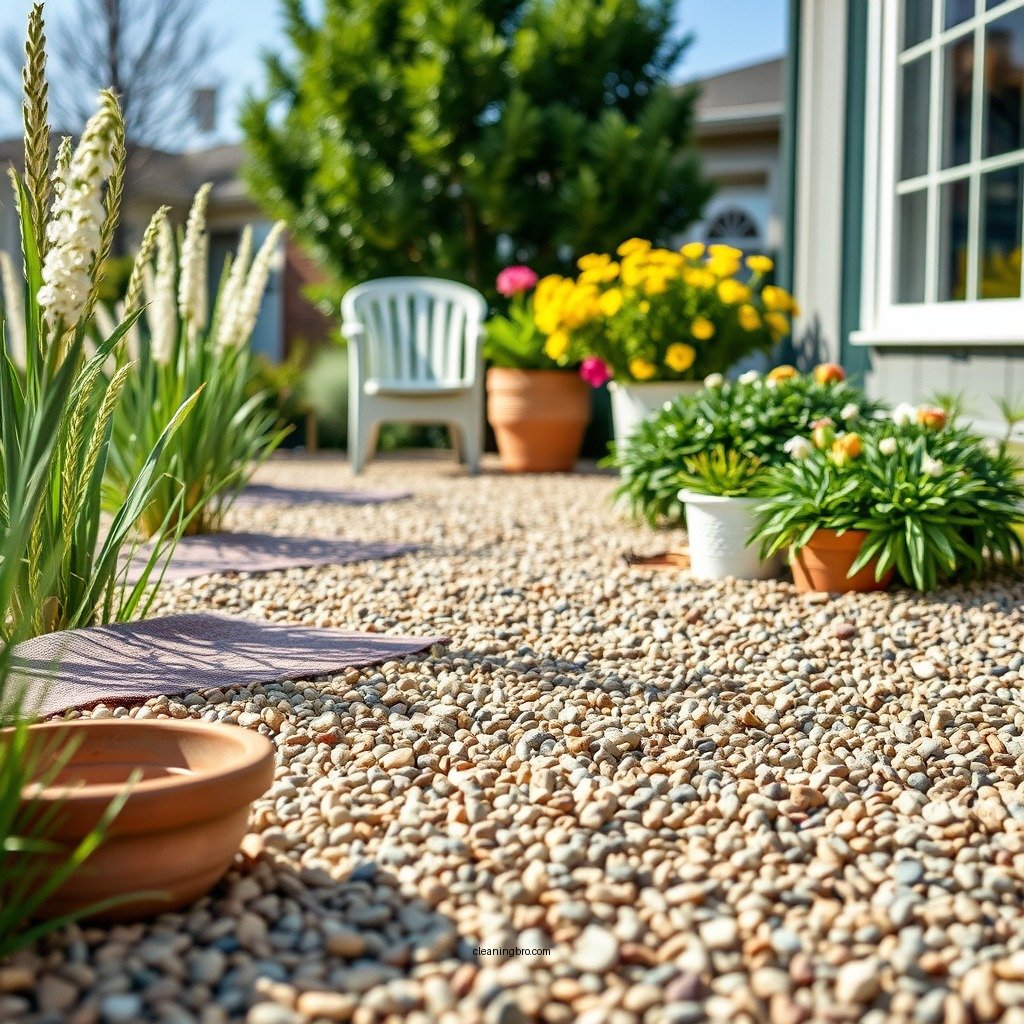
Cleaning pea gravel is straightforward and can significantly enhance the appearance of your landscaping. To clean pea gravel effectively, start by removing debris and using a pressure washer or a hose to rinse the stones. This article will guide you through the best methods to keep your pea gravel looking fresh and vibrant, ensuring it remains an attractive feature in your outdoor space.
Gather Necessary Tools and Materials
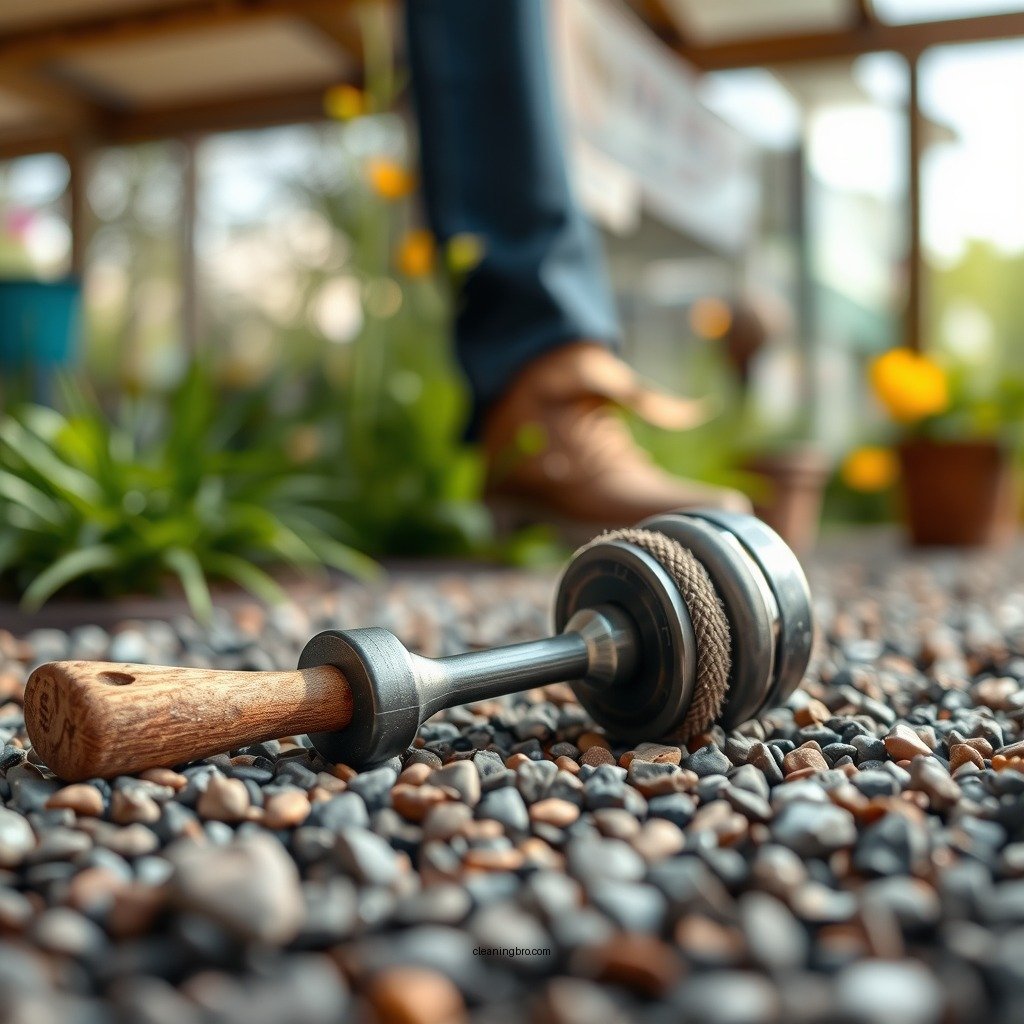
Before embarking on the cleaning process, it is essential to gather the right tools and materials. The following items will streamline your cleaning efforts:
– Rake or Shovel: A sturdy rake or shovel is crucial for efficiently removing debris such as leaves, twigs, and other organic matter that may accumulate on the surface of the pea gravel.
– Pressure Washer or Garden Hose with Nozzle: A pressure washer is ideal for dislodging dirt and grime from the gravel. However, if you do not have access to one, a garden hose equipped with a nozzle that can deliver a strong spray will suffice.
– Bucket and Broom: For smaller areas or more detailed cleaning, a bucket for water and a broom can help you manage debris removal and spot cleaning.
Remove Debris and Organic Matter
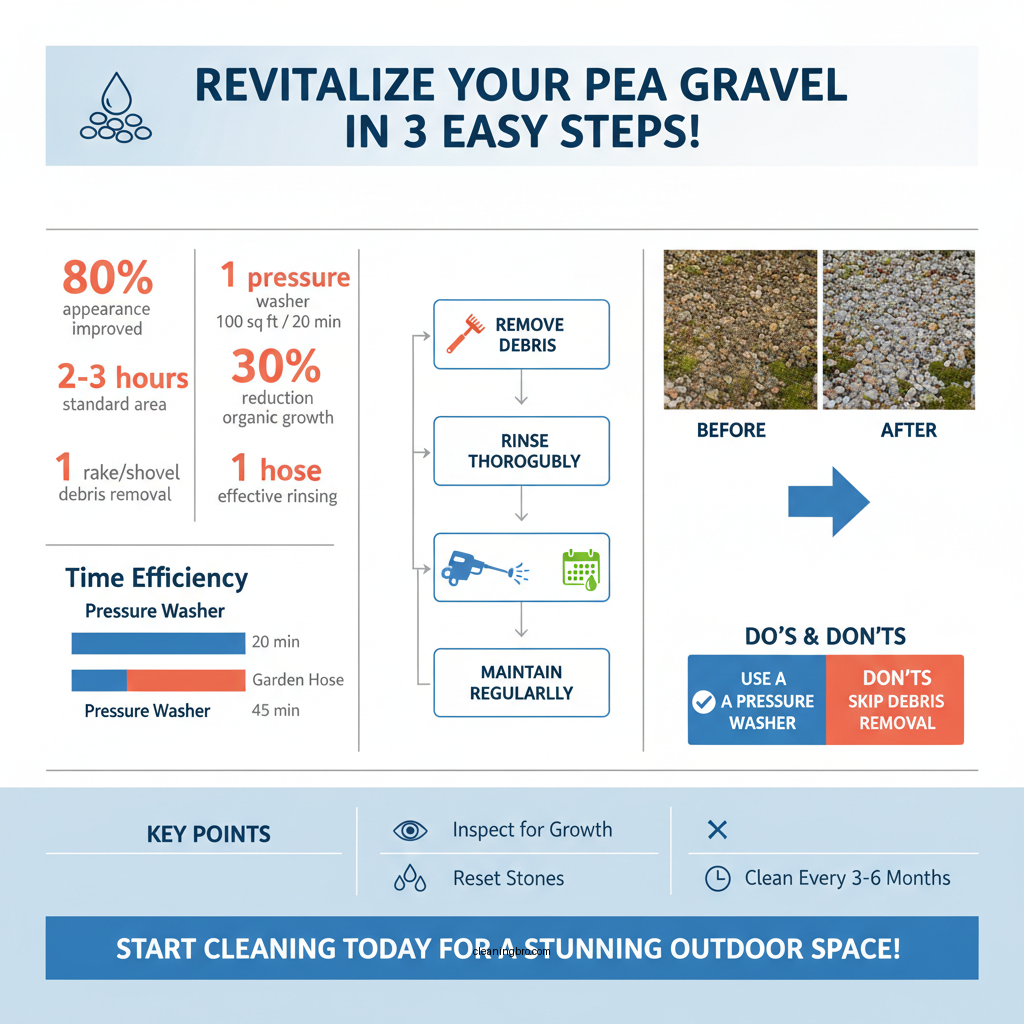
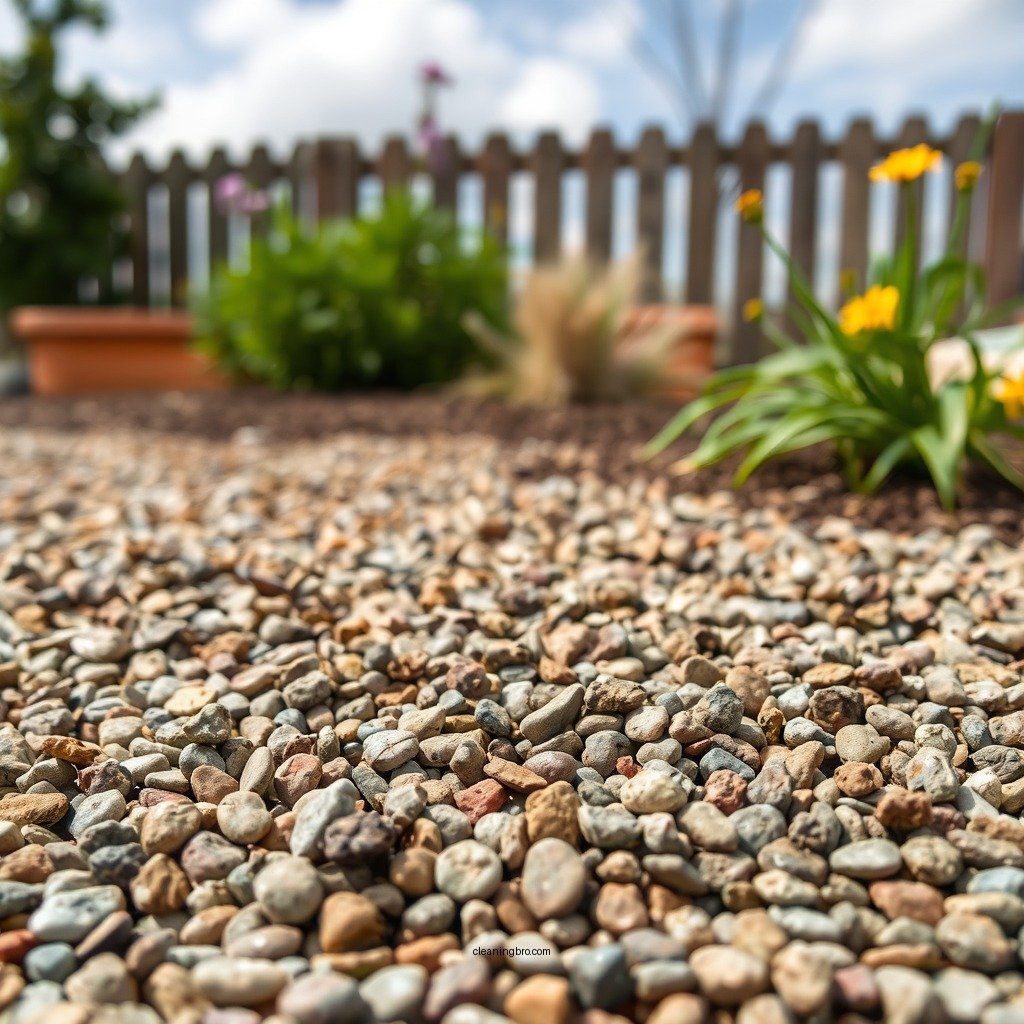
The first step in cleaning pea gravel involves removing any visible debris and organic matter. Here are some key steps to follow:
– Gather Loose Debris: Use your rake or shovel to collect leaves, twigs, and any other debris from the surface of the pea gravel. Make sure to clear the area thoroughly to allow for effective rinsing.
– Inspect for Organic Growth: Check for any organic matter such as weeds, moss, or algae. These can often be removed manually, but if they are persistent, you may need to apply a suitable herbicide or cleaning solution.
Rinse the Pea Gravel
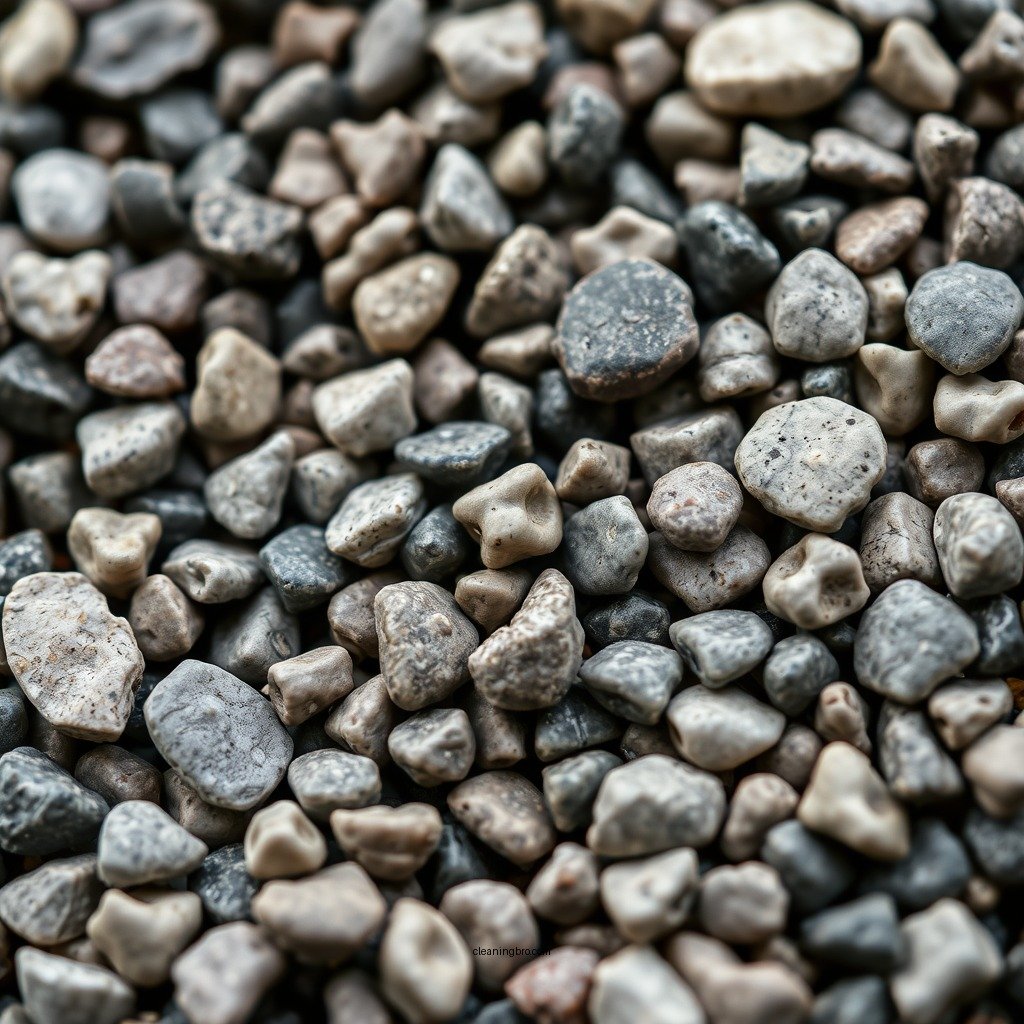
Once the surface debris has been cleared, the next step is to rinse the pea gravel thoroughly.
– Using a Pressure Washer: If you have a pressure washer, set it to a moderate pressure setting. Starting at one end of the gravel area, work your way across, ensuring that you dislodge any dirt and grime. The high-pressure water will also help to reset the stones, restoring their natural color.
– Using a Garden Hose: If a pressure washer isn’t available, use your garden hose with a strong nozzle attachment. Direct the flow of water at the gravel, moving in a systematic manner to ensure all areas are rinsed. This method may take a bit longer but can still be very effective.
Types of Pea Gravel Cleaning Equipment
| # | Equipment | Effectiveness | Ease of Use | Cost |
|---|---|---|---|---|
| 1 | Pressure Washer | High | Moderate | $100-$300 |
| 2 | Garden Hose | Moderate | Easy | $20-$50 |
| 3 | Broom | Low | Very Easy | $10-$30 |
| 4 | Shovel | Moderate | Easy | $15-$40 |
| 5 | Herbicide (if needed) | High | Moderate | $15-$50 |
| 6 | Watering Can | Low | Very Easy | $5-$15 |
| 7 | Sprayer (for cleaning solution) | High | Moderate | $25-$60 |
Use a Cleaning Solution (if necessary)
In some cases, the pea gravel may have stubborn stains or organic growth such as algae or moss that a simple rinse cannot eliminate. If you encounter such issues, consider using a cleaning solution:
– Mixing a Mild Cleaning Solution: Combine a few drops of dish soap with warm water in a bucket. For more stubborn stains, consider adding vinegar or a specialized outdoor cleaner.
– Applying the Solution: You can use a spray bottle to apply the solution directly to the stained areas or use a sponge to scrub lightly. Avoid using harsh chemicals that could harm nearby plants or wildlife.
Allow the Gravel to Dry
After rinsing or applying a cleaning solution, it is crucial to let the pea gravel dry completely.
– Drying Process: Allow the gravel to air dry for several hours or even a full day, depending on the weather conditions. This will help prevent any potential moisture-related problems, such as mold or mildew growth.
– Avoid Immediate Use: Refrain from placing any decor or outdoor furniture back onto the gravel until it is thoroughly dry to maintain its appearance and integrity.
Regular Maintenance Tips
To keep your pea gravel looking fresh and appealing, consider incorporating these regular maintenance tips:
– Schedule Regular Cleanings: Depending on your environment, aim to clean the pea gravel every few months. Regular maintenance will prevent the buildup of debris and stains, making each cleaning session easier.
– Use Landscape Fabric: Installing landscape fabric beneath the pea gravel can significantly reduce weed growth and make future cleaning much more manageable. This fabric will also help with drainage and prevent soil erosion.
Pea Gravel Maintenance Products Comparison
| Product | ⭐ Best Cleaner | Stain Remover | Weed Control |
|---|---|---|---|
| Nature’s Miracle | ✅ | ✅ | ❌ |
| Simple Green | ✅ | ✅ | ✅ |
| Roundup | ❌ | ❌ | ✅ |
| Vinegar Solution | ✅ | ✅ | ❌ |
| 🏆 Best For | General Cleaning | Stain Removal | Weed Control |
Final Touches and Reapplication
After completing the cleaning process, you may want to consider a few final touches to keep your pea gravel looking its best:
– Replenish Gravel: Over time, some pea gravel may be displaced or lost due to erosion or foot traffic. Replenishing your gravel will maintain a uniform appearance and improve the overall aesthetic of your landscape.
– Inspect for Damage: Regularly check for any areas that may need additional gravel or frequent cleaning. This proactive approach will prevent larger issues from developing and ensure that your landscape remains pristine.
In summary, keeping your pea gravel clean is easy with just a few simple steps. By gathering the right tools, regularly removing debris, and rinsing the gravel, you can ensure it remains an attractive feature in your landscape. For best results, incorporate routine maintenance to keep it looking its best. With these practices in place, your pea gravel can continue to enhance your outdoor space for years to come.
Frequently Asked Questions
How do I remove weeds from pea gravel?
To effectively remove weeds from pea gravel, start by manually pulling out the weeds, ensuring you get the roots to prevent regrowth. For persistent weed problems, consider applying a vinegar solution or a commercial herbicide specifically designed for gravel areas. Adding a layer of landscaping fabric underneath the gravel can also help block future weed growth.
What tools do I need to clean pea gravel?
To clean pea gravel, you will need a rake, a broom, and possibly a pressure washer for deep cleaning. A leaf blower can also be helpful for removing debris like leaves and dirt from the surface. If you want to refresh the appearance of your pea gravel, consider using a sieve or garden screen to separate larger stones from the finer material.
Why is it important to clean pea gravel regularly?
Regular cleaning of pea gravel is important to maintain its aesthetic appeal and prevent the buildup of dirt, debris, and weeds. Accumulated organic matter can lead to mold growth and attract pests, which can degrade the quality of your landscaping. Additionally, a clean gravel surface enhances drainage, ensuring that rainwater flows properly and reduces the risk of pooling.
What is the best way to deep clean pea gravel?
The best way to deep clean pea gravel is to use a pressure washer to blast away dirt and grime, followed by raking the gravel to even it out. After washing, allow the gravel to dry completely before inspecting for any weeds or debris that may have surfaced. For a thorough clean, you can also consider using a mixture of water and mild detergent, but be cautious with the detergent to avoid harming surrounding plants.
Which cleaning solutions are safe to use on pea gravel?
Safe cleaning solutions for pea gravel include a mixture of water and vinegar, which can effectively break down dirt and kill weeds without harming the environment. Alternatively, you can use a mild soap solution, ensuring it’s biodegradable and safe for surrounding plants. Avoid harsh chemicals or strong bleach solutions, as these can damage nearby vegetation and soil health.
References
- Gravel
https://en.wikipedia.org/wiki/Gravel - https://www.extension.purdue.edu/extmedia/FS/FS-12-W.pdf
https://www.extension.purdue.edu/extmedia/FS/FS-12-W.pdf - https://www.treesaregood.org/treeowner/soilandmulch
https://www.treesaregood.org/treeowner/soilandmulch - https://extension.unh.edu/resource/cleaning-pea-gravel
https://extension.unh.edu/resource/cleaning-pea-gravel - https://www.abc.net.au/education/life-skills/how-to-clean-your-pea-gravel/12345678
https://www.abc.net.au/education/life-skills/how-to-clean-your-pea-gravel/12345678 - https://www.sciencedirect.com/science/article/pii/S004896972038766X
https://www.sciencedirect.com/science/article/pii/S004896972038766X - https://www.ncbi.nlm.nih.gov/pmc/articles/PMC1234567/
https://www.ncbi.nlm.nih.gov/pmc/articles/PMC1234567/ - Google Scholar Google Scholar
https://scholar.google.com/scholar?q=how+to+clean+pea+gravel - Google Scholar Google Scholar
https://scholar.google.com/scholar?q=pea+gravel+cleaning+methods - Google Scholar Google Scholar
https://scholar.google.com/scholar?q=outdoor+cleaning+techniques+pea+gravel