How to Clean Raw Wool: A Step-by-Step Guide
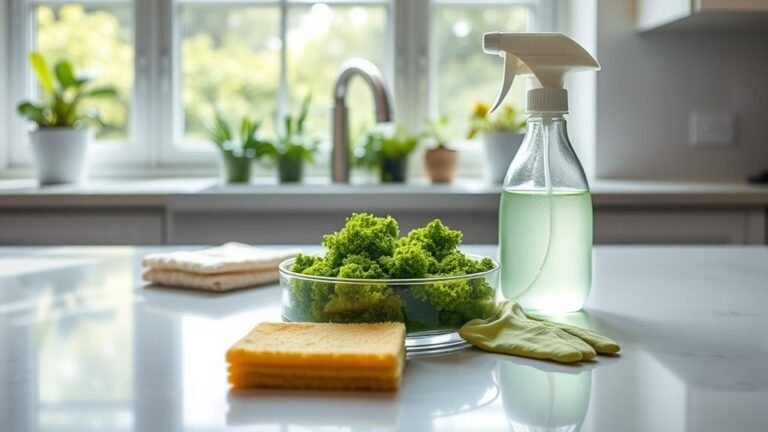
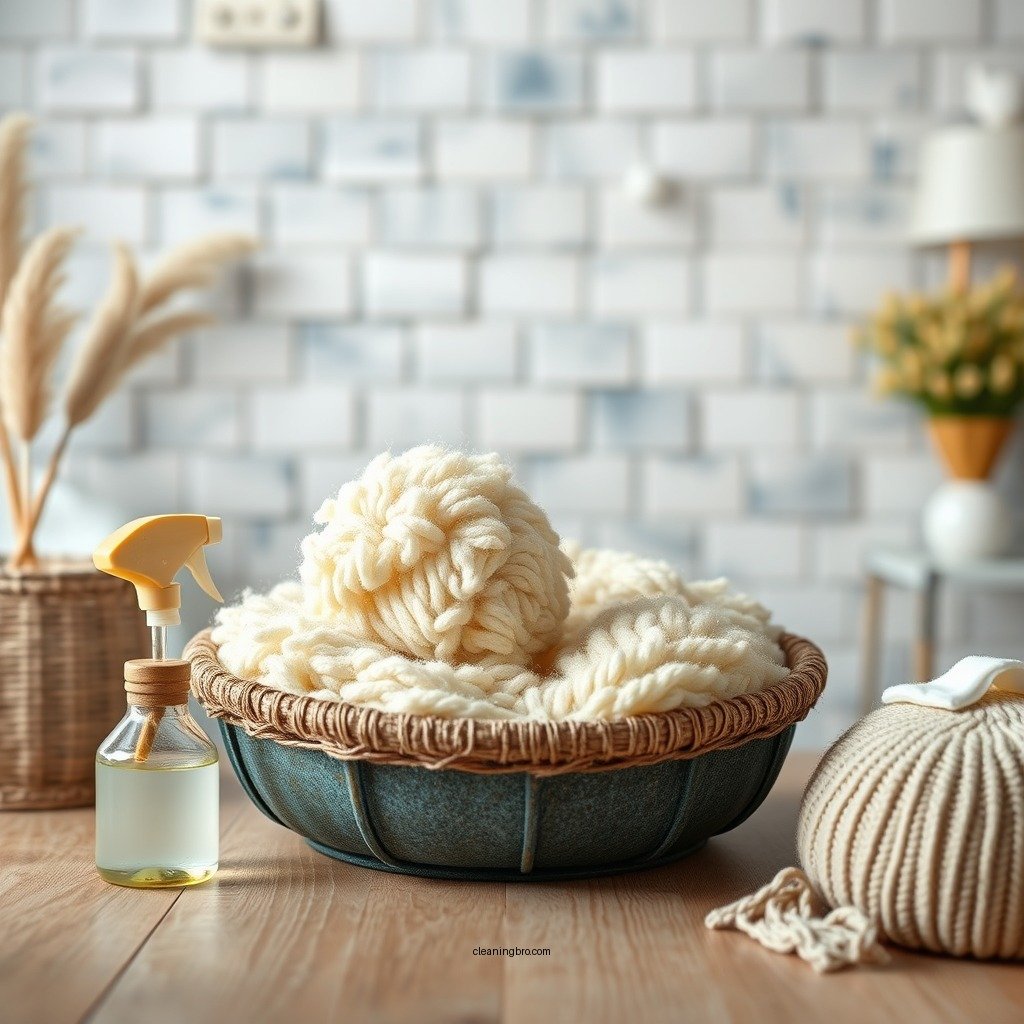
Cleaning raw wool is a straightforward process that involves washing, rinsing, and drying the fibers to remove dirt and grease. In this guide, you will learn effective techniques to clean raw wool, ensuring it is ready for processing or crafting. The method you choose can enhance the quality of your wool, making it suitable for various textile applications, from spinning to felting.
Understanding Raw Wool
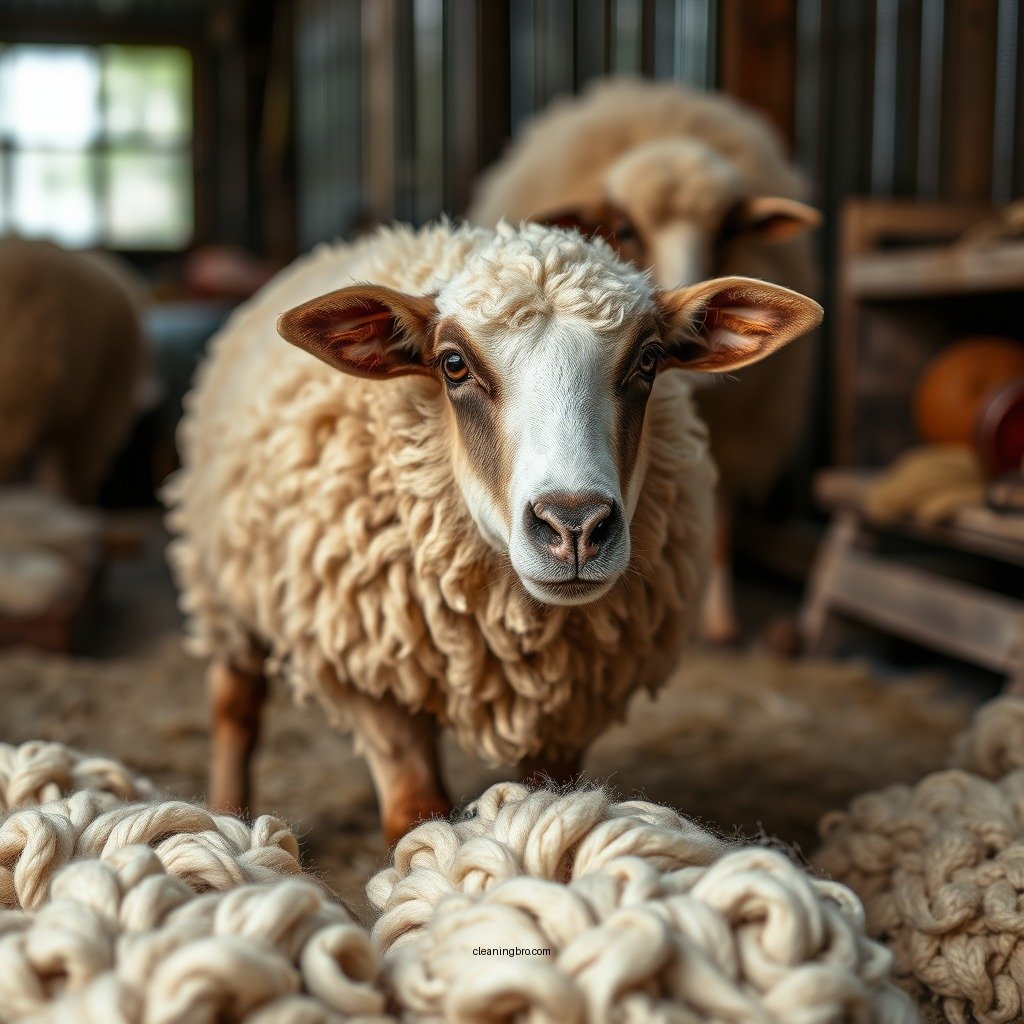
Raw wool, often referred to as greasy wool, is the fleece sheared from sheep that has not yet undergone processing. This fleece typically contains lanolin, a natural waxy substance produced by the sheep, which serves as a protective coating for the fibers. Alongside lanolin, raw wool also harbors dirt, grease, and vegetable matter such as hay and grass. Understanding the type of wool you are working with is crucial, as different breeds may have varying levels of lanolin and dirt, which can influence your cleaning method. For instance, Merino wool is finer and contains more lanolin, requiring a gentler cleaning approach compared to coarser wool types.
Gathering Necessary Supplies
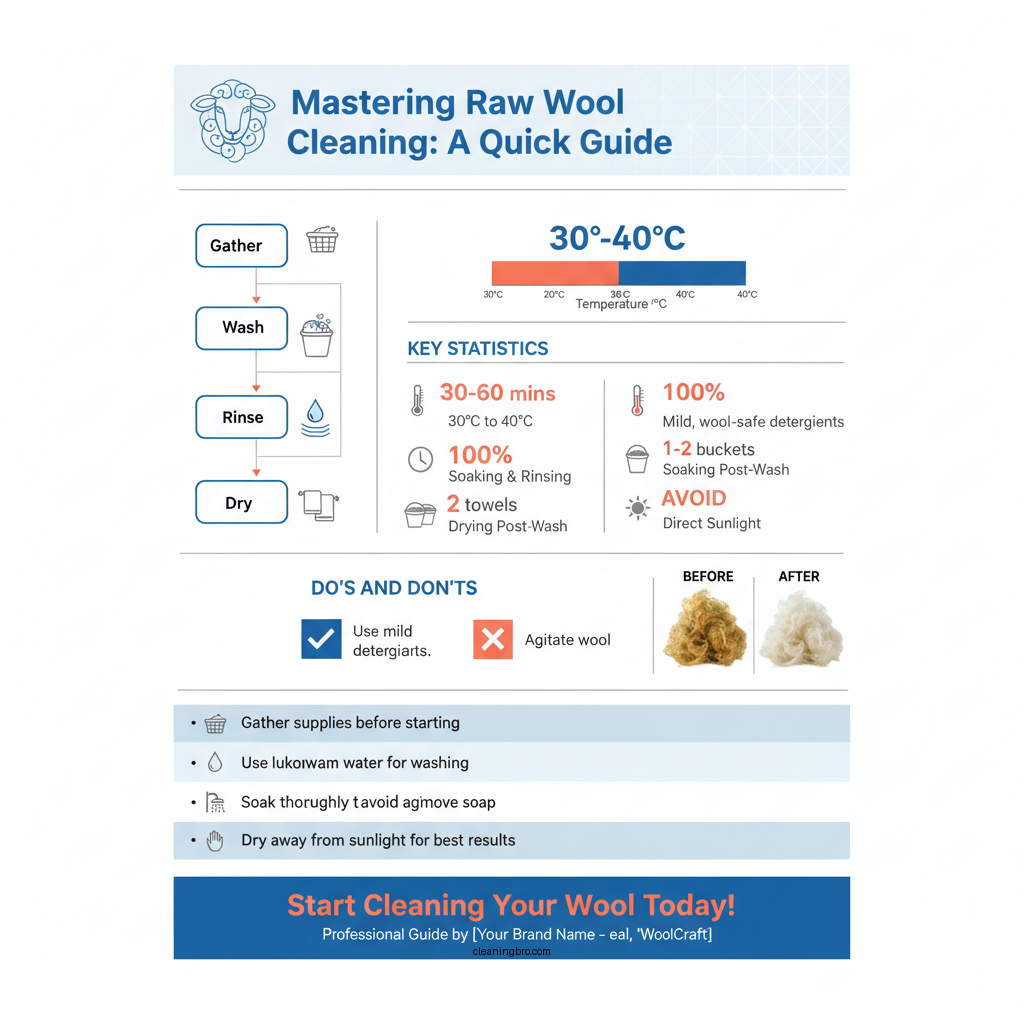
Before beginning the cleaning process, it’s essential to gather the necessary supplies to ensure a smooth and effective workflow. Here’s a list of items you will need:
– Buckets or Containers: For soaking and rinsing the wool.
– Mild Detergent: Choose a gentle, natural detergent free from harsh chemicals to preserve the integrity of the fibers. Wool-specific detergents are highly recommended.
– Towels: For drying the wool after washing.
– Garden Hose or Showerhead: For rinsing the wool thoroughly.
– Drying Rack or Flat Surface: A place to dry the wool away from direct sunlight.
Using gentle, natural cleaning products is crucial as harsh chemicals can strip the wool of its natural oils, leading to damage or loss of softness. Always read labels carefully to ensure the products are wool-safe.
Washing the Wool
To begin the washing process, fill a container with lukewarm water and add the mild detergent. The water temperature is important; if it’s too hot, it can cause the wool to felt, while cold water may not effectively remove grease and dirt. Aim for a temperature between 30°C to 40°C (86°F to 104°F).
Once your water is ready, gently submerge the wool into the container. Avoid agitating the wool too much as this can lead to felting, where the fibers mat together and lose their individual characteristics. Instead, allow the wool to soak in the soapy water for about 30 minutes to an hour. This soaking time allows the detergent to penetrate the fibers and lift away dirt and grease.
Rinsing Techniques
After washing, it’s time to rinse the wool to remove all soap residues. Begin by filling another container with clean lukewarm water and carefully transfer the wool to this new water. It is essential to rinse the wool gently; avoid any vigorous motions that could cause felting.
Rinse the wool until the water runs clear, which may take several rinses. If you notice any remaining soap, you may need to change the water and repeat the rinsing process. This step is critical as leftover detergent can affect the wool’s texture and dyeing properties.
Top 7 Raw Wool Types and Their Characteristics
| # | Wool Type | Lanolin Content | Dirt Removal Difficulty | Best Use |
|---|---|---|---|---|
| 1 | Merino | High | Medium | Knitting, Garments |
| 2 | Romney | Medium | Easy | Spinning, Weaving |
| 3 | Shetland | Low | Difficult | Felting, Textiles |
| 4 | Corriedale | Medium | Easy | Spinning, Knitting |
| 5 | Lincoln | High | Medium | Weaving, Rugs |
| 6 | Dorset | Medium | Easy | Clothing, Blankets |
| 7 | Katahdin | Low | Easy | Meat Production |
Drying the Wool
After rinsing, it is crucial to dry the wool properly to maintain its quality. Lay the wool flat on a clean towel or a drying rack, ensuring it is spread out evenly. Avoid wringing or twisting the wool, as this can distort the fibers. Instead, gently press the towel against the wool to absorb excess water.
When drying, keep the wool away from direct sunlight and heat sources, as this can cause fading and damage to the fibers. A well-ventilated area is ideal for drying wool, allowing moisture to escape while preventing mildew or mold growth.
Troubleshooting Common Issues
As with any cleaning process, you may encounter some challenges when cleaning raw wool. Here are some common issues and how to address them:
– Stubborn Stains: For tough stains, consider using a paste of baking soda and water applied to the stain for a few hours before washing. Alternatively, a mixture of vinegar and water may help lift the stain.
– Odors: If your wool retains an unpleasant odor after washing, soaking it in a mixture of water and white vinegar can help neutralize smells. Rinse thoroughly afterward.
– Different Types of Wool: Adapt your cleaning methods based on the wool type. For example, fine wool may require a gentler wash and rinse, while coarser wools can handle more vigorous cleaning.
Storing Clean Wool
Once your wool is clean and dry, proper storage is essential to maintain its quality. Here are best practices for storing clean wool:
– Use Breathable Containers: Store wool in cotton or linen bags rather than plastic, as this allows airflow and reduces moisture buildup.
– Keep Away from Pests: Wool is prone to moth and pest infestations. Consider using lavender sachets or cedar wood blocks in storage areas to deter pests.
– Cool, Dry Place: Store wool in a cool, dry area to avoid moisture retention, which can lead to mold and mildew.
By following these storage tips, you can keep your wool in pristine condition, ready for your next crafting project.
Cleaning raw wool can be a rewarding process, allowing you to prepare it for your next project. By following these steps, you can ensure your wool is clean and ready for use. Don’t hesitate to gather your supplies and start cleaning today! Properly cleaned and stored wool can contribute to the success of your textile endeavors, be it knitting, weaving, or felting.
Frequently Asked Questions
What is the best way to clean raw wool at home?
The best way to clean raw wool at home is to use a gentle washing method that involves lukewarm water and a mild detergent or wool wash. Soak the wool in the solution for about 30 minutes, then gently agitate it to remove dirt and grease. Rinse thoroughly in lukewarm water until the water runs clear, and avoid wringing the wool to prevent damage.
How do I remove lanolin from raw wool?
To remove lanolin from raw wool, soak it in hot water mixed with a gentle dish soap or lanolin remover for about an hour. After soaking, gently agitate the wool and then rinse it thoroughly in warm water. Repeat the process if necessary, as lanolin can be stubborn, but be careful not to overwork the fibers to maintain their integrity.
Why is it important to clean raw wool before using it?
Cleaning raw wool before use is essential to remove dirt, grease, and any contaminants that may affect the quality of your finished product. Additionally, unclean wool can harbor bugs or odors that could compromise your projects. Proper cleaning ensures that the wool is safe and comfortable for crafting, spinning, or knitting.
Which detergent is the best for washing raw wool?
The best detergent for washing raw wool is a gentle, pH-balanced wool wash or a natural detergent that is free from enzymes and bleach. Products specifically designed for wool are ideal as they help maintain the fiber’s natural oils and prevent damage. Always avoid harsh detergents, as they can strip the wool of its natural properties.
What are the common mistakes to avoid when cleaning raw wool?
Common mistakes to avoid when cleaning raw wool include using hot water, which can cause felting, and aggressive scrubbing, which can damage the fibers. Additionally, skipping the rinse cycle can leave soap residue that can affect the wool’s texture and odor. Always handle the wool gently and allow it to dry flat to maintain its shape and quality.
References
- Wool
https://en.wikipedia.org/wiki/Wool - https://www.abc.net.au/education/life-skills/how-to-clean-wool/10009692
https://www.abc.net.au/education/life-skills/how-to-clean-wool/10009692 - https://www.extension.umn.edu/food/food-safety/cleaning-wool/
https://www.extension.umn.edu/food/food-safety/cleaning-wool/ - 23-year-old Stephanie Browitt (l) with her younger sister Krystal (r) – ABC News
https://www.abc.net.au/news/2020-05-01/best-way-to-wash-wool/12190746 - Google Scholar Google Scholar
https://scholar.google.com/scholar?q=how+to+clean+raw+wool - Google Scholar Google Scholar
https://scholar.google.com/scholar?q=wool+cleaning+methods - https://www.fao.org/wool/en/
https://www.fao.org/wool/en/ - https://extension.psu.edu/cleaning-and-carding-wool
https://extension.psu.edu/cleaning-and-carding-wool - https://www.sciencedirect.com/topics/agricultural-and-biological-sciences/wool
https://www.sciencedirect.com/topics/agricultural-and-biological-sciences/wool - https://www.ncbi.nlm.nih.gov/pmc/articles/PMC6021164/
https://www.ncbi.nlm.nih.gov/pmc/articles/PMC6021164/