How to Clean a Reverse Osmosis System: Step-by-Step Guide
Cleaning your reverse osmosis (RO) system is essential for maintaining its efficiency and ensuring the purity of your drinking water. Regular cleaning helps remove contaminants and prolongs the lifespan of the system. In this article, you’ll learn the step-by-step process for effectively cleaning your RO system and keeping it in top working condition.
Understanding Your Reverse Osmosis System
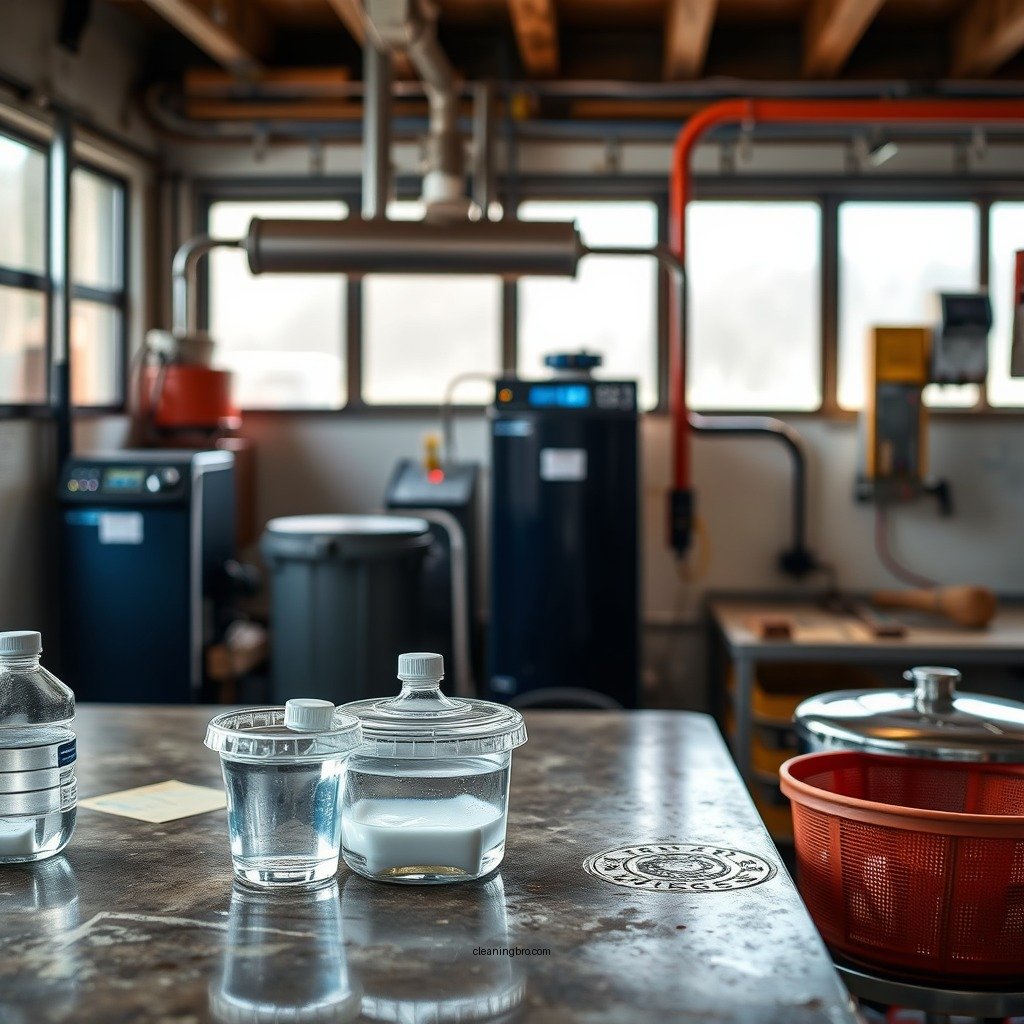
A reverse osmosis system operates by forcing water through a semipermeable membrane, which filters out impurities, contaminants, and unwanted substances. This process effectively removes harmful elements like lead, chlorine, and other dissolved solids, resulting in clean and safe drinking water. The system typically consists of several stages, including pre-filters, the RO membrane, and post-filters, each designed to tackle different types of contaminants.
Regular maintenance and cleaning of your RO system are crucial for its optimal performance. Over time, the filters can become clogged with sediments and contaminants, leading to reduced water flow and compromised water quality. By maintaining a consistent cleaning schedule, you can ensure that your system operates efficiently and your drinking water remains safe.
When to Clean Your RO System
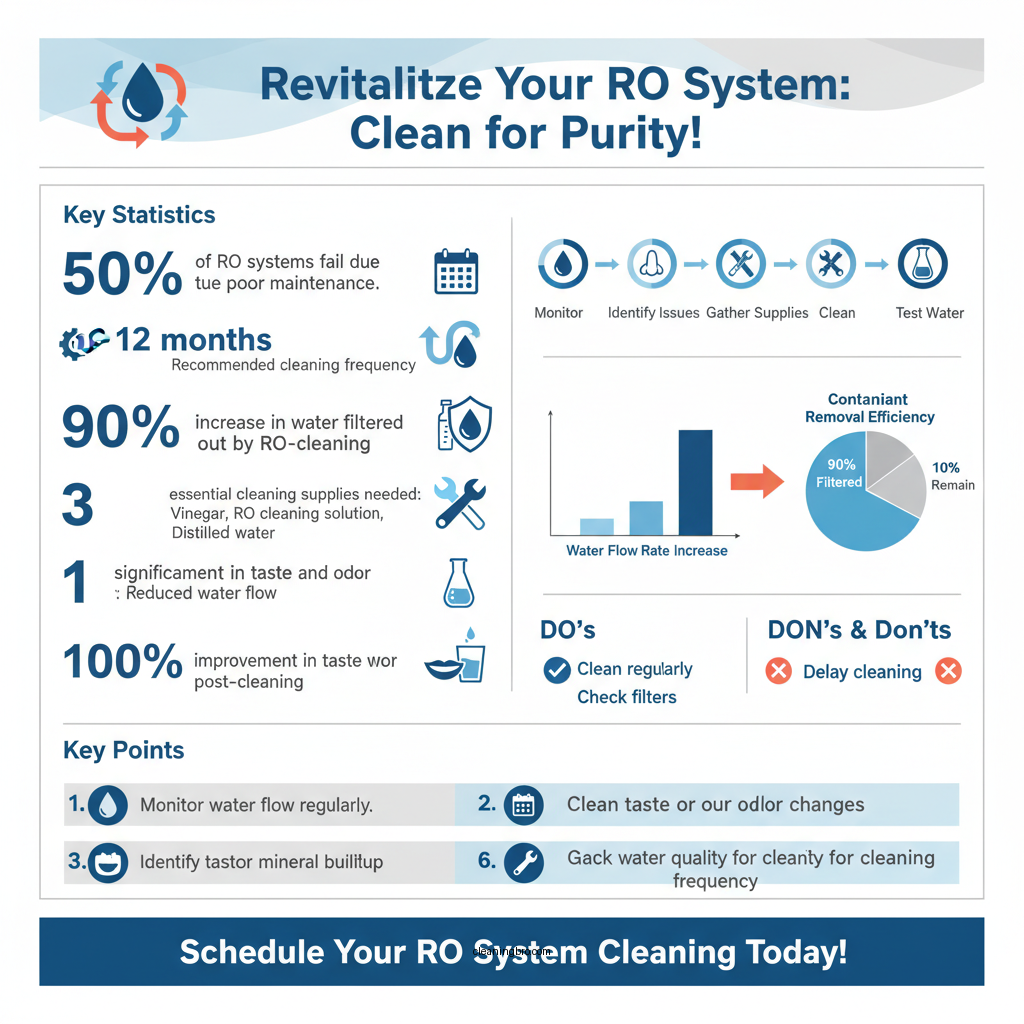
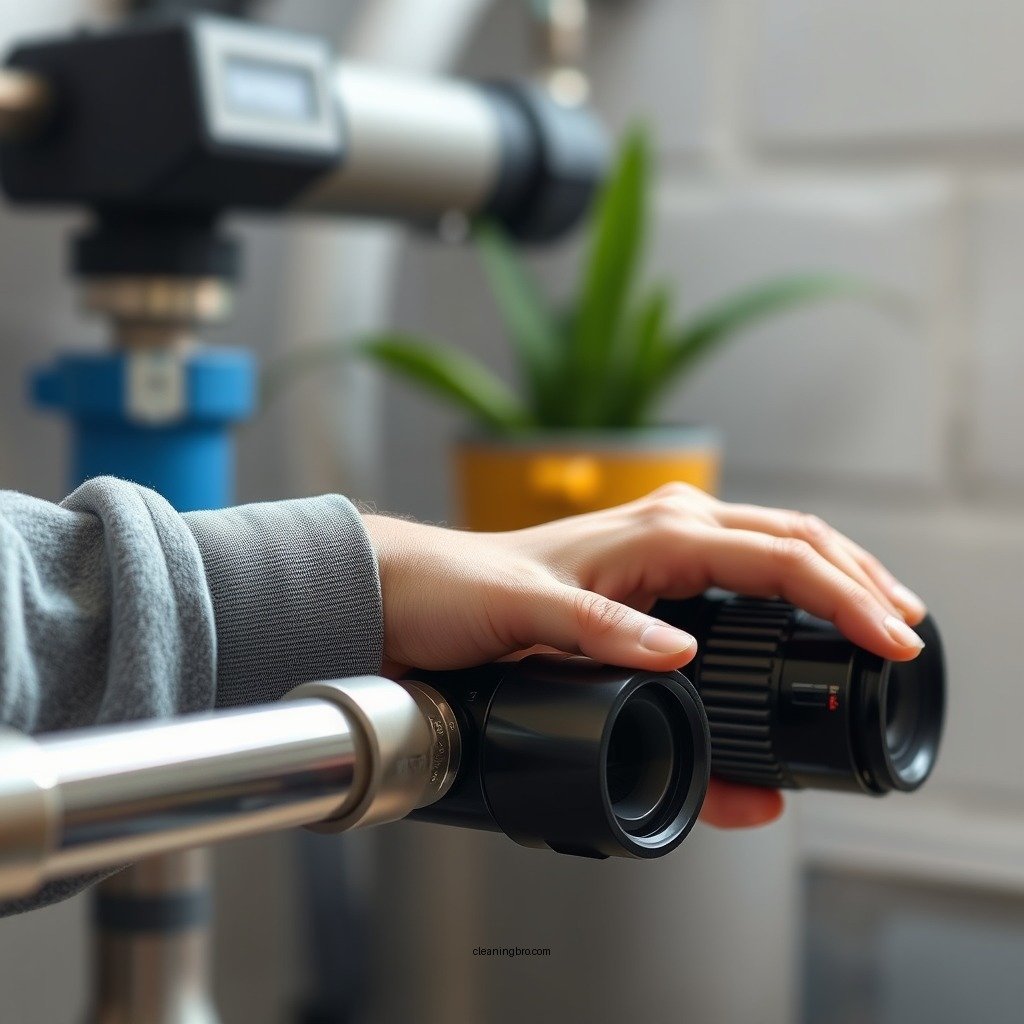
There are several signs that indicate your RO system may need cleaning. A significant reduction in water flow is one of the most common indicators that filters may be clogged. If you notice that it takes longer than usual to fill a glass of water or your water pressure has decreased, it may be time for a cleaning.
Additionally, if your water has developed an unusual taste or odor, it is essential to address this issue promptly. Contaminants that have built up in the system can lead to these sensory changes, indicating that the filters are no longer effective.
As a general rule, it is advisable to clean your RO system every six months to a year, depending on usage and incoming water quality. If you live in an area with hard water or high levels of contaminants, you may need to clean your system more frequently. Regular maintenance helps ensure that the system continues to operate efficiently and provides you with high-quality drinking water.
Tools and Supplies Needed
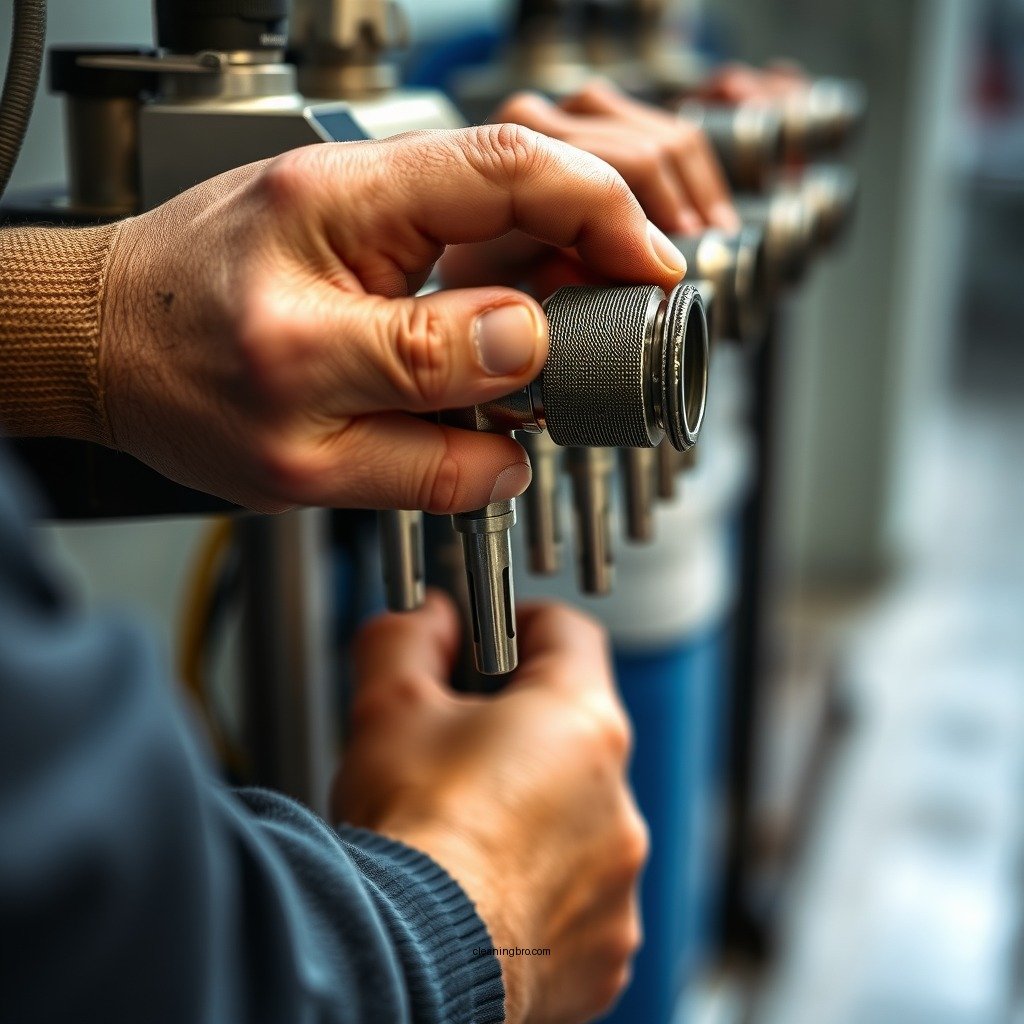
Before you begin cleaning your reverse osmosis system, gather the following tools and supplies:
Cleaning Supplies
– Vinegar: A natural cleaning agent effective in removing mineral buildup.
– RO cleaning solution: A commercially available cleaning solution designed specifically for RO systems.
– Distilled water: Used for rinsing the system after cleaning.
Tools
– Wrenches: To help disassemble the system components.
– Buckets: For collecting residual water during the cleaning process.
– Soft cloths or sponges: For wiping down surfaces and components.
Collecting these tools and supplies beforehand will streamline the cleaning process and ensure that you have everything you need at your fingertips.
Top 7 Reverse Osmosis System Cleaning Supplies
| # | Supply | Purpose | Frequency of Use |
|---|---|---|---|
| 1 | Vinegar | Removes mineral buildup | As needed |
| 2 | RO Cleaning Solution | Cleans and disinfects | Every 6-12 months |
| 3 | Distilled Water | Rinsing | Every cleaning |
| 4 | Wrenches | Disassemble components | As needed |
| 5 | Buckets | Collect water | Every cleaning |
| 6 | Soft Cloths | Wipe down surfaces | Every cleaning |
| 7 | Gloves | Protect hands | Every cleaning |
Step-by-Step Cleaning Process
To clean your reverse osmosis system effectively, follow these detailed steps:
1. Shut Down the System: Begin by turning off the water supply to the RO system. This ensures that no water flows through while you are cleaning.
2. Release Pressure: Open the faucet connected to the RO system to relieve any pressure inside the system. This will make disassembly easier and safer.
3. Disassemble the Components: Using a wrench, carefully remove the filters and membrane from the system. Take note of the order in which they were placed for easier reassembly.
4. Clean the Membrane: If the RO membrane is heavily soiled, soak it in a vinegar solution for about 30 minutes. Rinse it thoroughly with distilled water afterward.
5. Replace or Clean Filters: If your filters are reusable, clean them as per the manufacturer’s instructions. If they are disposable, replace them with new ones.
6. Clean the Storage Tank: If applicable, clean the storage tank with a mixture of vinegar and water, ensuring all residues are removed. Rinse thoroughly with distilled water.
7. Reassemble the System: Once all components are clean and dry, reassemble the system in the reverse order of disassembly. Ensure that all connections are tight and secure.
8. Restart the System: Turn the water supply back on and check for leaks. Allow the system to run for a few minutes to flush out any remaining cleaning solution.
Reassembling Your RO System
Reassembling your reverse osmosis system correctly is crucial for its operation. Follow these guidelines to ensure everything is put back together properly:
– Follow the Order: Reassemble the components in the exact order they were removed to avoid confusion.
– Check Seals and O-Rings: Inspect all seals and O-rings for wear and tear. Replace any damaged parts to prevent leaks.
– Secure Connections: Tighten all connections firmly but avoid overtightening, which can cause damage to plastic components.
After reassembly, it is important to test the system to ensure everything is functioning correctly.
Testing Water Quality Post-Cleaning
After cleaning and reassembling your RO system, it is essential to test the water quality to ensure it is safe for consumption.
1. Use a TDS Meter: A Total Dissolved Solids (TDS) meter is a quick and effective way to measure the quality of your water. A reading below 50 ppm is typically acceptable for drinking water, indicating that the RO system is functioning properly.
2. Check for Odors or Tastes: After flushing the system, taste the water to ensure there are no lingering chemical odors or tastes. Clean water should be neutral in flavor and odor.
3. Monitor Regularly: Continue to monitor the water quality regularly to catch any potential issues early. This can include periodic TDS readings or visual inspections of the water quality.
Maintenance Tips for Longevity
To ensure the longevity and efficiency of your reverse osmosis system, follow these best practices for regular maintenance:
– Regular Filter Replacement: Replace filters as per the manufacturer’s recommendations, typically every 6-12 months. Neglecting to replace filters can lead to reduced water quality and flow.
– Routine Cleaning: Schedule regular cleanings every six months to a year, depending on your water quality and usage. This will help maintain the system’s performance and prevent buildup.
– Monitor Water Quality: Regularly test your water quality using a TDS meter to ensure your RO system is functioning at its best.
– Use Quality Water: If possible, use pre-filtered water in your RO system to reduce the load on the RO membrane and prolong its lifespan.
By following these maintenance tips, you can maximize the efficiency and lifespan of your reverse osmosis system, ensuring you always have access to clean, safe drinking water.
By following these steps, you can effectively clean your reverse osmosis system and ensure it continues to provide you with pure, safe drinking water. Remember, regular maintenance is key to the longevity and efficiency of your system. Take action today and schedule your cleaning routine!
Frequently Asked Questions
How often should I clean my reverse osmosis system?
It is recommended to clean your reverse osmosis system every 6 to 12 months, depending on your water quality and usage. Regular cleaning helps maintain optimal performance, ensuring that you continue to receive clean, safe drinking water. If you notice a drop in water pressure or quality, it may be a sign that cleaning is needed sooner.
What steps are involved in cleaning a reverse osmosis system?
Cleaning a reverse osmosis system typically involves shutting off the water supply, draining the tank, and replacing the pre-filters and post-filters. You should also sanitize the system by using a mixture of food-grade hydrogen peroxide or a specific RO system cleaner to disinfect the membranes and housings. Finally, flush the system thoroughly to remove any cleaning agents before using it again.
Why is it important to clean a reverse osmosis system?
Cleaning your reverse osmosis system is crucial for preventing bacterial growth, ensuring the longevity of the filters, and maintaining the quality of your drinking water. Over time, contaminants can accumulate, leading to reduced efficiency and potentially harmful water quality. Regular maintenance keeps your system functioning effectively and protects your health.
What is the best cleaner for a reverse osmosis system?
The best cleaner for a reverse osmosis system is a food-grade hydrogen peroxide solution or a specialized RO system cleaner that is safe for your membranes. These cleaners effectively remove buildup and bacteria without damaging the filter components. Always follow the manufacturer’s instructions for cleaning products to ensure proper use and safety.
Which parts of the reverse osmosis system should I focus on while cleaning?
When cleaning a reverse osmosis system, focus on the pre-filters, post-filters, and the membrane housing. It’s essential to replace the filters according to the manufacturer’s schedule and to clean the membrane housing and storage tank to prevent any buildup that could affect water quality. Regular attention to these components ensures the system operates at peak efficiency.
References
- https://www.ncbi.nlm.nih.gov/pmc/articles/PMC6750737/
https://www.ncbi.nlm.nih.gov/pmc/articles/PMC6750737/ - https://www.sciencedirect.com/topics/earth-and-planetary-sciences/reverse-osmosis
https://www.sciencedirect.com/topics/earth-and-planetary-sciences/reverse-osmosis - https://www.who.int/water_sanitation_health/publications/2011/cleaning_reverse_osmosis_systems.pdf
https://www.who.int/water_sanitation_health/publications/2011/cleaning_reverse_osmosis_systems.pdf - https://www.epa.gov/water-research/reverse-osmosis
https://www.epa.gov/water-research/reverse-osmosis - Redirecting
https://doi.org/10.1016/j.desal.2017.06.001 - Reverse osmosis | Definition, Process, & Uses | Britannica
https://www.britannica.com/science/reverse-osmosis - https://www.cdc.gov/healthywater/drinking/home-water-treatment/reverse-osmosis.html
https://www.cdc.gov/healthywater/drinking/home-water-treatment/reverse-osmosis.html - https://www.nytimes.com/2020/06/03/well/live/reverse-osmosis-water.html
https://www.nytimes.com/2020/06/03/well/live/reverse-osmosis-water.html - Google Scholar Google Scholar
https://scholar.google.com/scholar?q=how+to+clean+reverse+osmosis+system - Google Scholar Google Scholar
https://scholar.google.com/scholar?q=maintenance+of+reverse+osmosis+water+filtration+system