How to Clean Sandstone Pavers: A Step-by-Step Guide
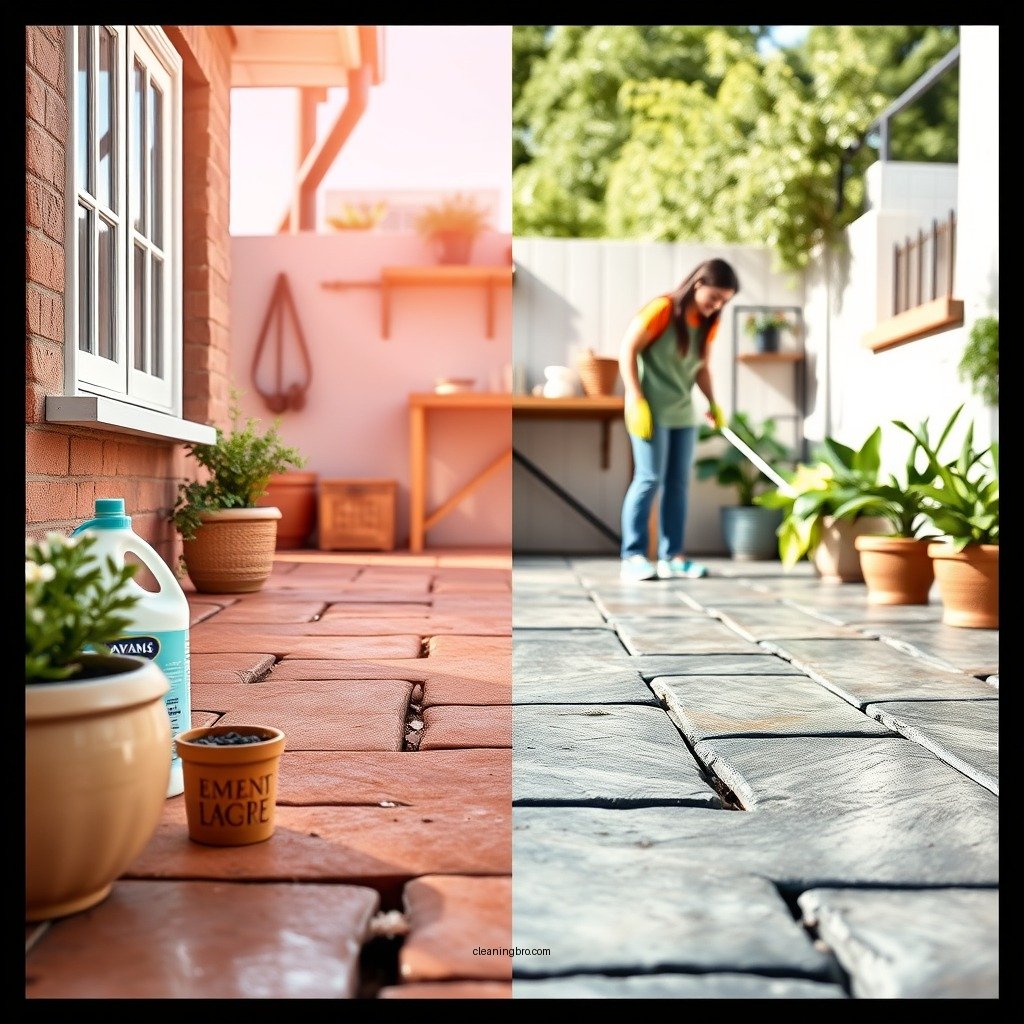
Cleaning sandstone pavers effectively requires a combination of gentle cleaning techniques and the right materials to avoid damaging the stone. In this article, you’ll learn how to remove dirt, stains, and grime from your sandstone pavers while preserving their natural beauty. Maintaining the aesthetics of these pavers involves understanding their unique characteristics, preparing adequately for cleaning, and employing appropriate techniques that ensure longevity.
Understanding Sandstone Pavers
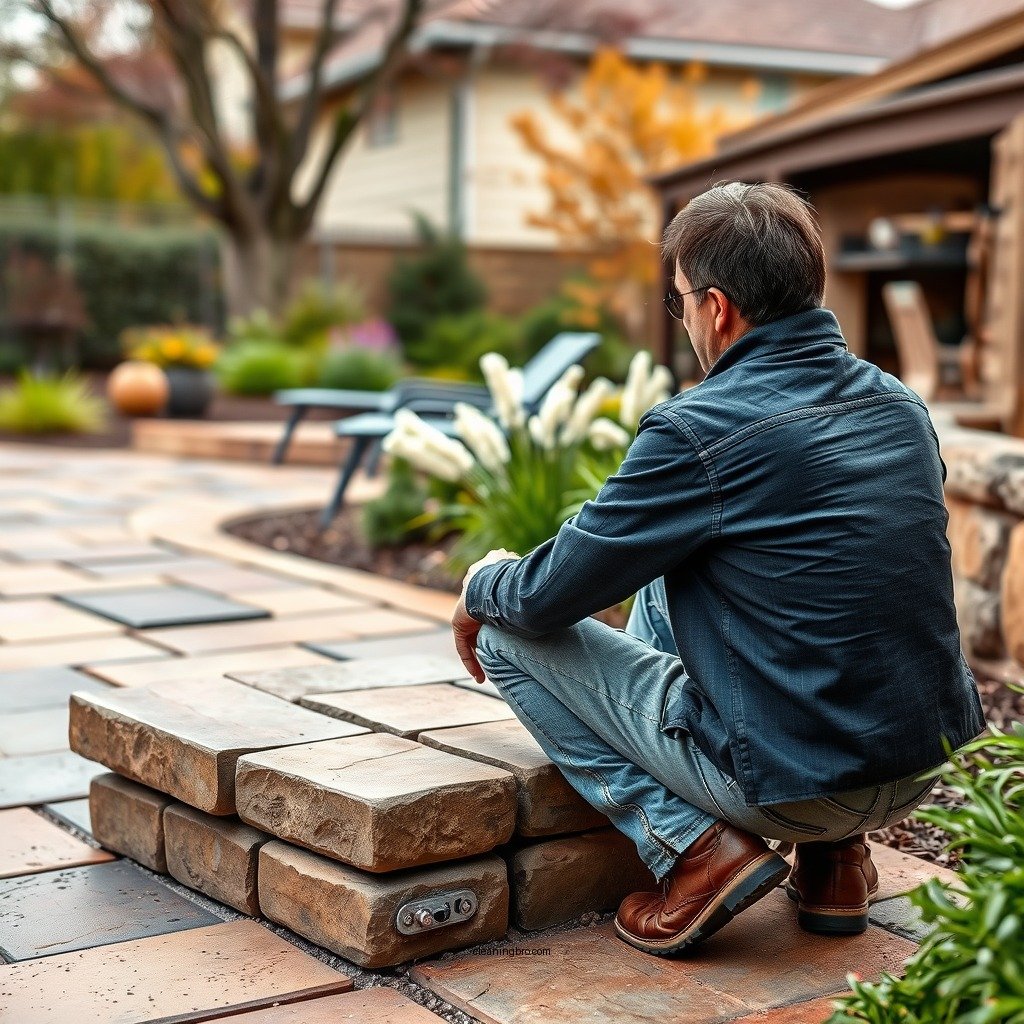
Sandstone is a sedimentary rock that consists mainly of sand-sized mineral particles or rock fragments. It is known for its striking colors and textures, which can enhance the visual appeal of outdoor spaces. However, this natural stone is porous, meaning it can absorb water and stains if not maintained properly. Understanding the type of sandstone you have is crucial, as variations in composition can affect how it reacts to cleaning agents. For instance, softer sandstone may require a gentler approach, while harder varieties may withstand more rigorous cleaning techniques.
Preparing for Cleaning
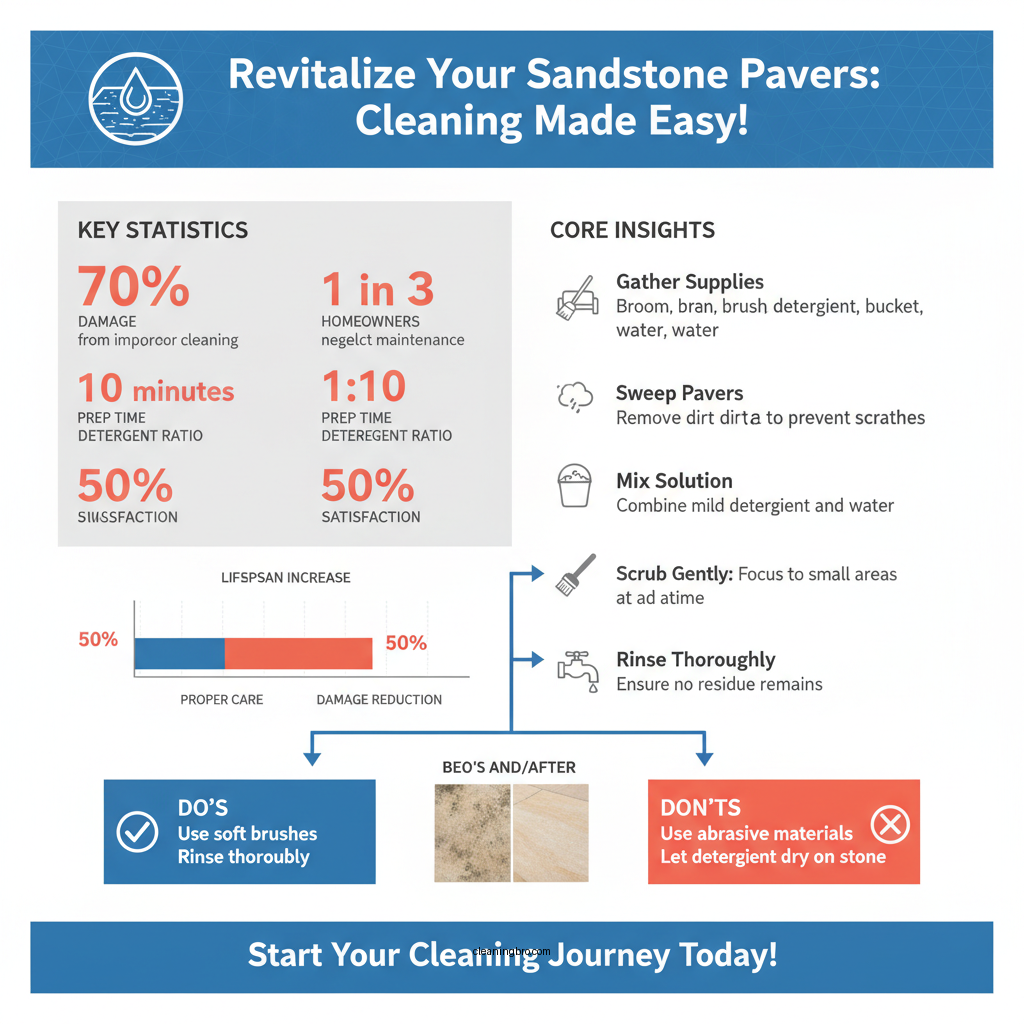
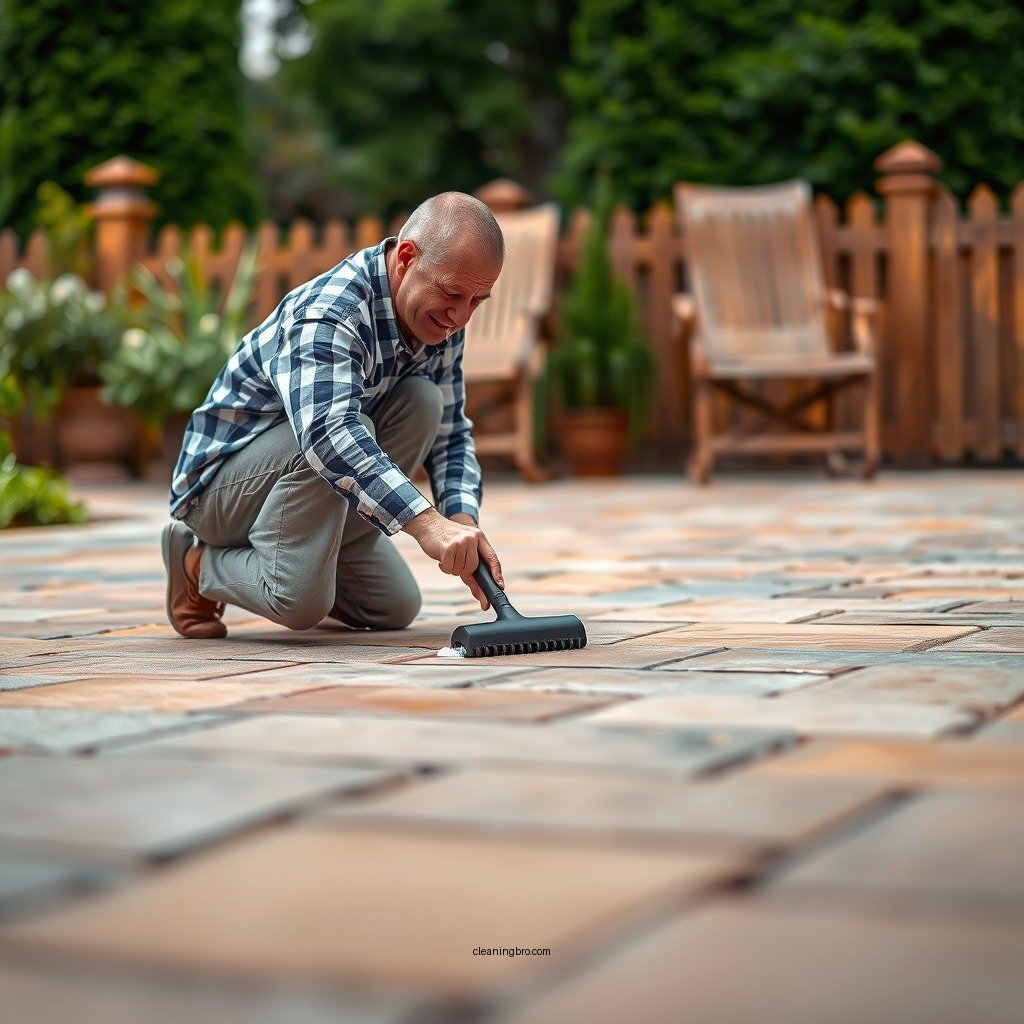
Before embarking on the cleaning process, it is essential to gather the right supplies to ensure an effective cleaning session. You will need:
– A broom for sweeping loose dirt and debris
– A soft-bristle brush to avoid scratching the surface
– A mild detergent specifically designed for stone cleaning
– A bucket for mixing the cleaning solution
– Clean water for rinsing
– Protective gear, such as gloves and eyewear, if using stronger cleaning solutions
Additionally, clear the area of any furniture, planters, or other obstructions that may hinder your cleaning efforts. This preparation will allow you to address every inch of the sandstone pavers and ensure a thorough clean.
Cleaning Techniques for Sandstone Pavers
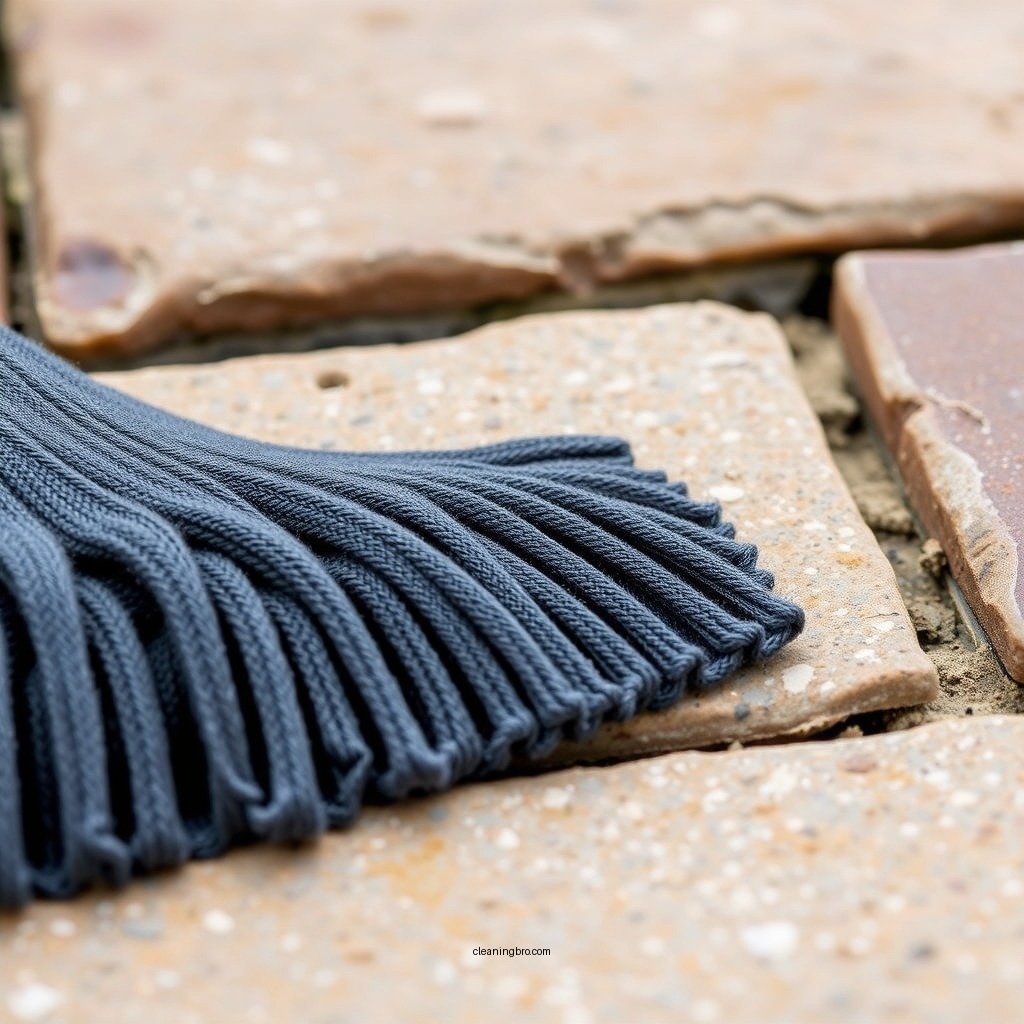
Begin by sweeping the pavers to remove loose dirt and debris, which can scratch the surface during scrubbing. Next, prepare a cleaning solution by mixing a mild detergent with water in a bucket. The ratio should be according to the product’s instructions, typically around 1:10 (detergent to water).
Using your soft-bristle brush, gently scrub the surface of the sandstone pavers with the cleaning solution. Focus on one small area at a time to ensure that the detergent does not dry out before you rinse it off. Make sure to follow the natural lines and grooves of the stone to avoid damaging its surface.
Rinse the pavers thoroughly with clean water after scrubbing. This step is critical to remove any soap residue that could lead to discoloration or a slippery surface once dried.
Top 5 Cleaning Solutions for Sandstone (2024)
| # | Product | Type | Size | Price |
|---|---|---|---|---|
| 1 | StoneTech Paver Cleaner | Liquid | 1 Gallon | $25.99 |
| 2 | EcoClean Natural Stone Cleaner | Liquid | 1 Quart | $14.50 |
| 3 | Black Diamond Stone Cleaner | Liquid | 1 Gallon | $29.99 |
| 4 | Zep Heavy-Duty Stone Cleaner | Liquid | 32 Oz | $12.99 |
| 5 | Simple Green Stone Cleaner | Liquid | 1 Gallon | $21.50 |
Removing Stains from Sandstone
Stains on sandstone pavers can be unsightly and may require specific treatment depending on their nature. The most common types of stains include oil, rust, and organic materials such as leaves and algae. To effectively address these issues, it is crucial to identify the type of stain first:
1. Oil Stains: For oil-based stains, use a mixture of baking soda and water to create a paste. Apply it directly to the stain and let it sit for several hours before scrubbing gently and rinsing.
2. Rust Stains: Rust may require a commercial rust remover designed for stone surfaces. Always follow the manufacturer’s instructions and test on a small area first.
3. Organic Stains: For stains caused by leaves or algae, a solution of water and mild detergent should suffice. Scrub gently with a soft brush, and rinse thoroughly.
For particularly stubborn stains, consider using a commercial stone cleaner formulated specifically for sandstone. These products are designed to penetrate deeply without harming the stone’s surface.
Best Cleaning Methods for Sandstone Stains
| Stain Type | ⭐ Best Method | Alternative Method | Precaution |
|---|---|---|---|
| Oil | Baking Soda Paste | Commercial Degreaser | Test in small area |
| Rust | Commercial Rust Remover | Homemade Vinegar Solution | Avoid acidic cleaners |
| Organic | Detergent Solution | Bleach Solution | Dilute bleach properly |
Rinsing and Drying
After scrubbing and treating stains, rinsing is a crucial step that should not be overlooked. Thoroughly rinse the pavers with clean water, ensuring that all cleaning agents are washed away. Leftover detergent can make the surface slippery and attract dirt, negating your cleaning efforts.
Once rinsed, allow the pavers to air dry completely. Drying is essential to prevent moisture damage and potential mold growth. Depending on the weather, this could take several hours. Avoid covering the pavers until they are thoroughly dry to allow for proper air circulation.
Maintaining Clean Sandstone Pavers
Regular maintenance is vital to keep your sandstone pavers looking pristine. Implement a routine cleaning schedule, which includes:
– Weekly Sweeping: Remove loose debris to prevent staining and discoloration.
– Monthly Washing: Use a mild detergent solution to clean the pavers, preventing buildup.
– Sealing: Apply a stone sealer every 1-3 years to protect against stains and weathering. This can help to maintain the natural beauty of the sandstone and extend its lifespan.
Additionally, consider using a mat or rug at entrances to reduce the amount of dirt tracked onto your pavers, and ensure proper drainage to avoid water pooling.
Troubleshooting Common Issues
Should you encounter issues like discoloration or efflorescence (a white powdery substance on the surface), specific treatments can help. For efflorescence, a mixture of vinegar and water can be effective. For discoloration, professional-grade cleaners may be necessary.
If you find persistent stains or severe damage, consulting a professional stone restoration service is advisable. They will have access to specialized equipment and products designed for deep cleaning and restoring natural stone surfaces.
Maintaining the beauty of your sandstone pavers is achievable with the right cleaning techniques and regular upkeep. By following these steps, you can ensure your outdoor space remains inviting and visually appealing. Take action today and start enjoying your beautifully cleaned sandstone pavers!
Frequently Asked Questions
How do I effectively clean sandstone pavers without damaging them?
To clean sandstone pavers effectively, start by sweeping away loose dirt and debris. Use a mixture of warm water and a mild detergent or pH-neutral stone cleaner, applying it with a soft-bristle brush. Avoid harsh chemicals and pressure washing, as they can damage the porous surface of the sandstone.
What is the best method for removing stains from sandstone pavers?
The best method for removing stains from sandstone pavers is to create a paste using baking soda and water, applying it directly to the stain and letting it sit for several hours. For oil-based stains, use a specialized poultice or a commercial stone cleaner designed for sandstone, ensuring you follow the manufacturer’s instructions for effective results.
Why is it important to seal sandstone pavers after cleaning?
Sealing sandstone pavers after cleaning is crucial because it helps protect the stone from water absorption, stains, and damage caused by weather elements. A good quality sealant forms a barrier that enhances the longevity of the pavers and maintains their appearance, making future cleaning easier and more effective.
Which products should I avoid when cleaning sandstone pavers?
When cleaning sandstone pavers, avoid using acidic cleaners like vinegar or lemon juice, as well as alkaline products like bleach, which can etch or discolor the stone. Additionally, steer clear of abrasive scrubbers, as they can scratch the surface and compromise the integrity of the sandstone.
How often should I clean and maintain my sandstone pavers?
It is recommended to clean your sandstone pavers at least twice a year to remove dirt and prevent mold or mildew build-up. Additionally, consider reapplying sealant every one to three years, depending on the exposure to elements, to ensure your pavers remain protected and looking their best.
References
- Ankeny Exterior – an Ideabook by Matthew Andres
https://www.houzz.com/magazine/how-to-clean-pavers-stsetivw-vs~142832351 - Google Scholar Google Scholar
https://scholar.google.com/scholar?q=cleaning+sandstone+pavers - Google Scholar Google Scholar
https://scholar.google.com/scholar?q=sandstone+paver+maintenance - Google Scholar Google Scholar
https://scholar.google.com/scholar?q=cleaning+methods+for+sandstone+pavers - Google Scholar Google Scholar
https://scholar.google.com/scholar?q=how+to+clean+sandstone+pavers - how to clean sandstone pavers – Search results
https://en.wikipedia.org/wiki/Special:Search?search=how+to+clean+sandstone+pavers - https://www.ncbi.nlm.nih.gov/search/research-articles/?term=how+to+clean+sandstone+pavers
https://www.ncbi.nlm.nih.gov/search/research-articles/?term=how+to+clean+sandstone+pavers