How to Clean a Violin: Essential Steps for Maintenance
Cleaning your violin is essential for maintaining its sound quality and appearance. Regular cleaning helps prevent damage, preserves the instrument’s integrity, and enhances its overall performance. In this article, we will guide you through the essential steps to keep your violin in pristine condition, from daily care routines to deep cleaning processes and storage tips, ensuring your instrument remains a reliable companion in your musical journey.
Understanding the Importance of Cleaning Your Violin

Cleaning your violin is not just about aesthetics; it plays a critical role in the instrument’s longevity and sound quality. Over time, dust, sweat, and rosin buildup can accumulate on the body and strings, affecting the instrument’s tonal quality and playability. Regular cleaning protects the wood from damage and wear, preventing issues such as cracks or warping. Moreover, maintaining a clean violin enhances its sound quality, allowing you to produce the best music possible. The more you care for your instrument, the longer it will serve you, making cleaning an integral part of your practice routine.
Tools Needed for Cleaning
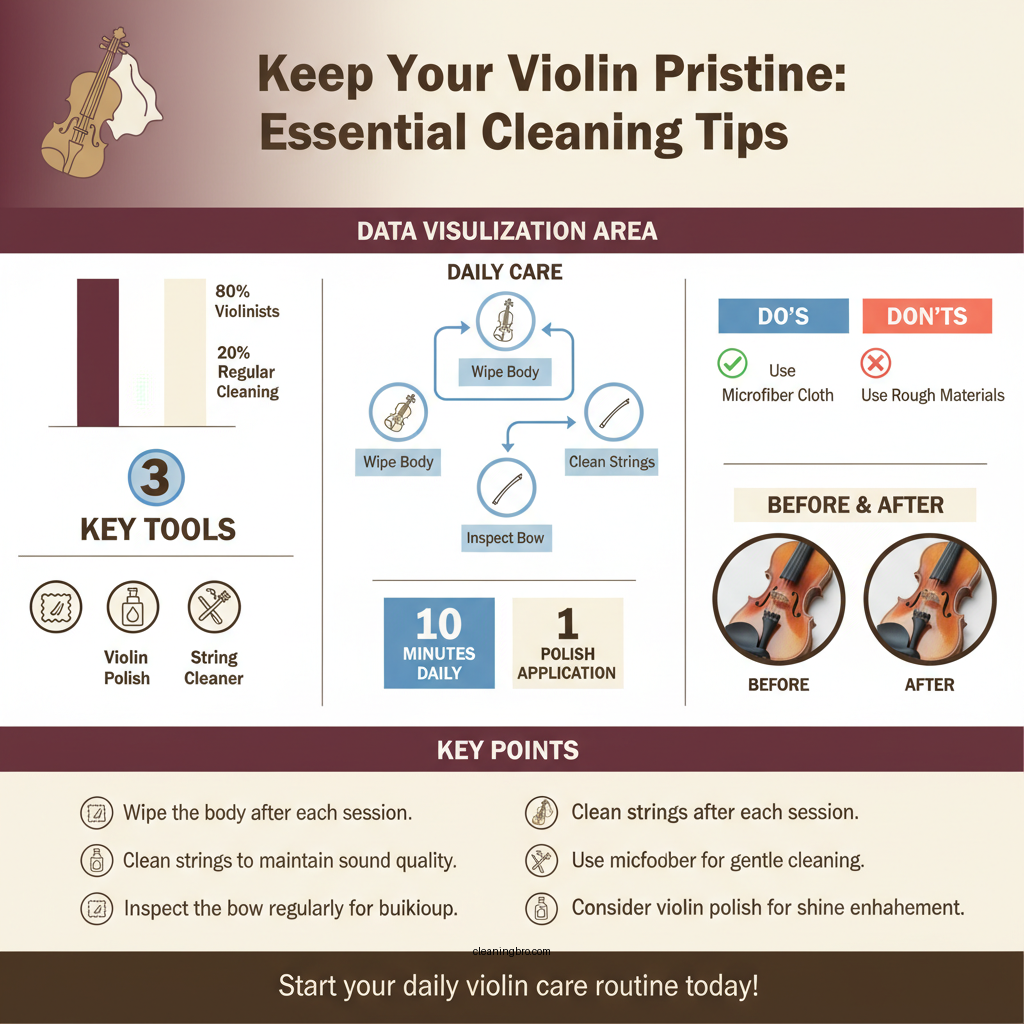
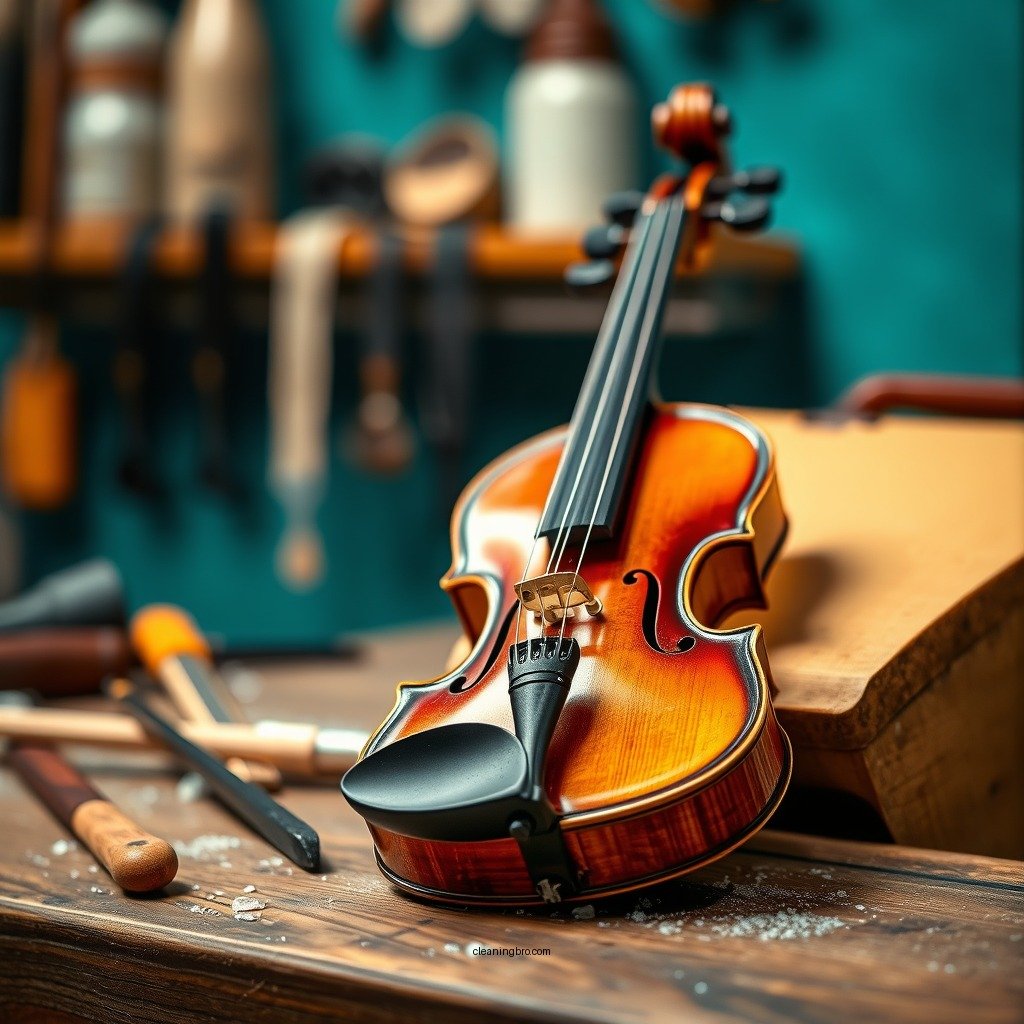
Before you start cleaning your violin, gather the following tools to ensure you have everything you need:
– Microfiber cloth or soft cotton cloth: These materials are gentle enough to avoid scratching the violin’s surface while effectively removing dust and grime.
– Violin polish (optional): A specialized polish can help restore shine and protect the wood, but use it sparingly to avoid buildup.
– String cleaner or lubricant: This product will help maintain the flexibility and longevity of your strings, allowing for better performance.
Having the right tools on hand will make the cleaning process easier and more effective, ensuring that your violin remains in excellent condition.
Daily Care Routine
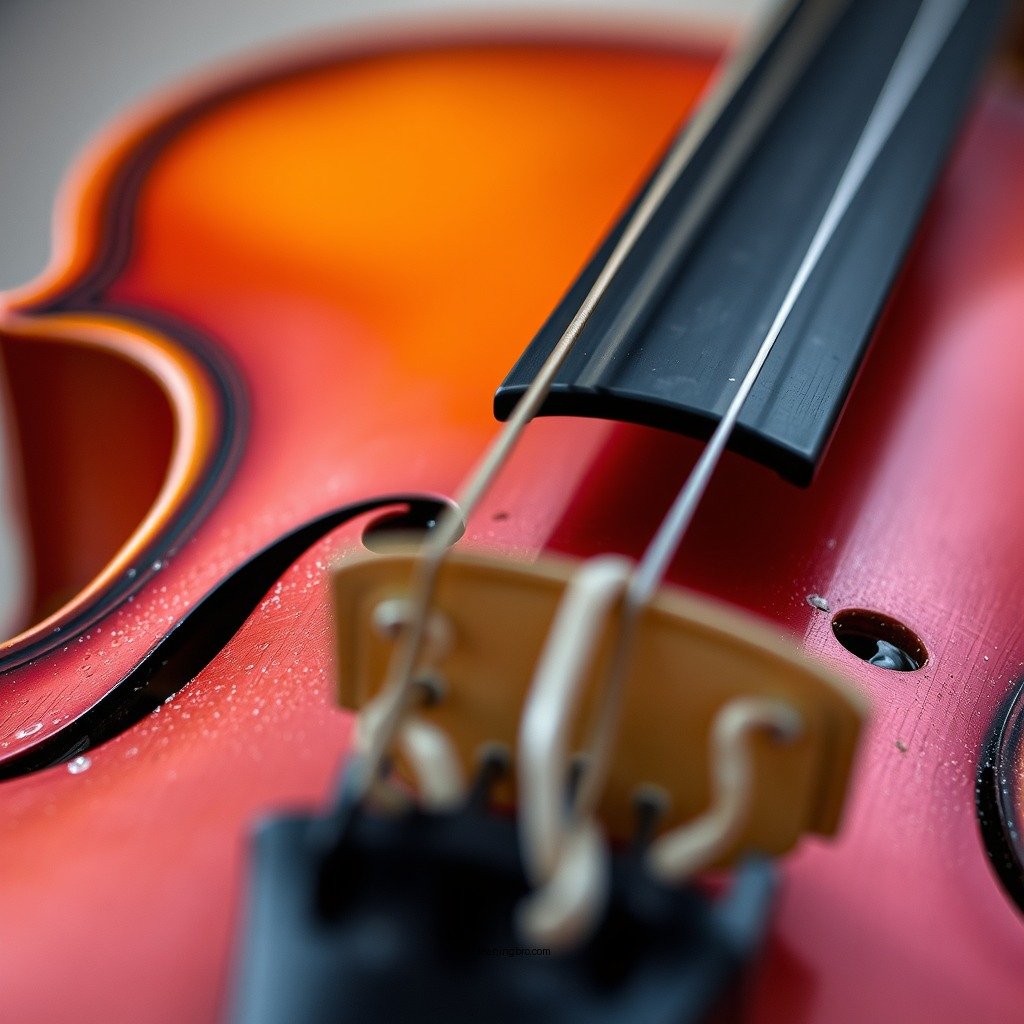
Incorporating a daily care routine into your practice schedule can significantly extend the life of your violin. Here are the essential steps to follow after each playing session:
1. Wipe down the body: Use a microfiber cloth to gently wipe the body of the violin, removing any fingerprints, dust, or moisture that may have accumulated during play. Focus on areas around the fingerboard and bridge where grime tends to collect.
2. Clean the strings: After wiping the body, use a clean portion of the cloth to wipe down the strings. This action helps eliminate rosin buildup and sweat, which can dull the strings’ sound quality over time.
3. Inspect the bow: Don’t forget to check the bow as well. A quick wipe of the bow stick and hair can prevent dirt and rosin from accumulating, ensuring a smooth playing experience.
4. Check the chin rest and shoulder rest: These areas can also accumulate sweat and oils from your skin. Make it a habit to wipe them down regularly as well.
By following this daily care routine, you will keep your violin looking good and performing at its best.
Top 7 Violin Brands by Popularity (2023)
| # | Brand | Popularity Index | Price Range | Best For |
|---|---|---|---|---|
| 1 | Yamaha | 90 | $300 – $1,500 | Beginners |
| 2 | Stentor | 85 | $200 – $1,200 | Students |
| 3 | D’Addario | 80 | $400 – $2,000 | Intermediate |
| 4 | Cremona | 78 | $250 – $1,800 | Advanced |
| 5 | Karl Höfner | 75 | $400 – $3,000 | Professionals |
| 6 | Eastman Strings | 70 | $700 – $4,000 | Connoisseurs |
| 7 | Bam Cases | 68 | $150 – $500 | All Levels |
Deep Cleaning Process
While daily care is vital, performing a deep cleaning of your violin periodically is essential for maintaining its overall health. Here’s how to conduct a thorough cleaning:
1. Remove the strings: Carefully take off the strings to prevent damage to both the strings and the body of the violin during the cleaning process. This step also allows you to clean hard-to-reach areas.
2. Clean the body: Use a violin-specific cleaner or polish and apply it sparingly with a soft cloth. Follow the manufacturer’s instructions to avoid damaging the finish. Concentrate on areas with visible grime or buildup.
3. Check for dust inside the body: With the strings removed, you can use a soft brush or cloth to gently remove any dust or debris that may have settled inside the instrument. Avoid using anything abrasive that could scratch the wood.
4. Inspect for damage: While cleaning, take the opportunity to inspect your violin for any signs of damage, such as cracks or loose fittings. Early detection can help prevent more extensive repairs down the line.
5. Re-string carefully: Once the cleaning is complete, re-string your violin, making sure to secure each string properly and check for appropriate tension.
By engaging in deep cleaning every few months, you can ensure that your violin remains in optimal condition, both visually and acoustically.
Cleaning the Bow
The bow is as crucial to your instrument’s sound as the violin itself. Proper maintenance of the bow can enhance the quality of your performance. Follow these steps for effective bow cleaning:
1. Wipe the bow stick: Use a clean cloth to wipe down the bow stick, removing any oils or residue that may have transferred from your hands.
2. Clean the bow hair: The horsehair on the bow can accumulate rosin buildup, which can affect sound quality. Use a soft cloth to gently wipe the hair, removing excess rosin without damaging the fibers.
3. Inspect for wear and damage: Check the bow for any signs of wear, such as fraying hair or cracks in the stick. If you notice any issues, consider consulting a professional for repairs.
4. Apply rosin sparingly: When reapplying rosin, use it sparingly to avoid excess buildup, which can mute the sound and make playing more difficult.
By following these steps, you can ensure your bow remains in excellent condition, contributing to the overall sound quality of your violin.
Violin Cleaning Products: A Comparison
| Feature | ⭐ MusicNomad | D’Addario | Super Sensitive |
|---|---|---|---|
| Price | $12.99 | $9.99 | $8.99 |
| Eco-friendly | ✅ | ✅ | ❌ |
| Restores Shine | ✅ | ✅ | ❌ |
| For All Instruments | ✅ | ✅ | ❌ |
| Residue-Free | ✅ | ✅ | ❌ |
| Restores Sound | ✅ | ✅ | ✅ |
| Ease of Use | ✅ | ✅ | ❌ |
| Available Size | 1 oz | 2 oz | 1 oz |
| Best For | All Instruments | Strings | Strings |
| 🏆 Best For | Versatile Cleaning | Affordable Option | Basic Needs |
Storage Tips to Maintain Cleanliness
Proper storage is just as important as cleaning when it comes to maintaining your violin’s condition. Here are some essential storage tips:
1. Use a protective case: Always store your violin in a padded case when it’s not in use. This helps protect it from physical damage, dust, and humidity. Ensure the case is properly sealed to keep out environmental factors.
2. Avoid extreme temperatures: Keep your violin away from areas with extreme temperature changes, such as near heaters or air conditioning units. Ideally, store it in a climate-controlled environment.
3. Humidity control: Wood is sensitive to humidity levels, which can cause it to warp or crack. Consider using a hygrometer to monitor the humidity level in the storage area and using a case humidifier if necessary.
4. Keep away from sunlight: Direct sunlight can fade the finish and damage the wood. Store your violin in a dark place or cover it with a cloth to protect it from UV rays.
By following these storage tips, you can help ensure that your violin remains clean and in excellent condition, ready for your next performance.
When to Seek Professional Help
While regular cleaning and maintenance are essential, there are times when professional help is necessary. Here are some scenarios to consider:
1. Signs of significant damage: If you notice cracks, chips, or any structural issues, it’s crucial to consult a luthier for repairs. Ignoring these issues can lead to more severe problems down the line.
2. Setup adjustments: If your violin is not sounding right despite cleaning and maintaining it, a professional setup can make a significant difference. This may include adjustments to the bridge, sound post, or fingerboard.
3. Regular maintenance checks: Having a professional inspect your violin periodically can help identify potential issues before they become major problems. It’s recommended to have a professional check your instrument at least once a year.
4. String replacement: If you’re unsure about changing your strings or if your instrument requires more specialized care, seeking a professional’s assistance can ensure the job is done correctly.
Taking the time to address these aspects with a professional can greatly enhance the longevity and performance of your violin.
Summarizing, maintaining a clean violin involves daily care, occasional deep cleaning, and knowing when to consult a professional. By following these steps, you can ensure your instrument remains in excellent condition. Start implementing these practices today for a better playing experience!
Frequently Asked Questions
What is the best way to clean a violin without damaging it?
The best way to clean a violin is to use a soft, lint-free cloth to gently wipe down the body after each use. Avoid using water or any cleaning solutions, as these can damage the varnish. For deeper cleaning, consider using a specialized violin cleaner that is safe for musical instruments.
How often should I clean my violin?
You should clean your violin after every practice session to remove rosin dust and fingerprints. Additionally, a thorough cleaning of the strings and bow should be performed weekly to maintain optimal sound quality and prolong the life of your instrument.
Why is it important to clean my violin regularly?
Regular cleaning of your violin is crucial because it helps maintain the instrument’s appearance and sound quality. Dust and rosin buildup can affect the tone and playability, leading to potential damage if not addressed. Keeping your violin clean also helps preserve its value over time.
Which tools are essential for cleaning a violin effectively?
Essential tools for cleaning a violin include a soft microfiber cloth, a string cleaner or lubricant, and a soft brush for dusting hard-to-reach areas. Some players also benefit from a specialized rosin remover or violin polish, but ensure they are safe for your instrument’s finish.
How do I clean the strings of my violin?
To clean the strings of your violin, use a clean cloth to wipe each string individually, pulling the cloth from the bridge towards the scroll. This will remove any rosin buildup and oils from your fingers. For best results, consider using a string cleaner designed for violins to enhance their longevity and performance.
References
- Violin
https://en.wikipedia.org/wiki/Violin - https://www.oberlin.edu/conservatory/about/cleaning-violin
https://www.oberlin.edu/conservatory/about/cleaning-violin - https://www.wwu.edu/violin-cleaning-tips
https://www.wwu.edu/violin-cleaning-tips - https://www.americanguildoforganists.org/pdfs/violin-care-and-cleaning.pdf
https://www.americanguildoforganists.org/pdfs/violin-care-and-cleaning.pdf - Google Scholar Google Scholar
https://scholar.google.com/scholar?q=how+to+clean+the+violin - Google Scholar Google Scholar
https://scholar.google.com/scholar?q=violin+maintenance+cleaning - Google Scholar Google Scholar
https://scholar.google.com/scholar?q=violin+care+tips - how to clean the violin – Search results
https://en.wikipedia.org/wiki/Special:Search?search=how+to+clean+the+violin - https://www.ncbi.nlm.nih.gov/search/research-articles/?term=how+to+clean+the+violin
https://www.ncbi.nlm.nih.gov/search/research-articles/?term=how+to+clean+the+violin