
How to Clean Up a Diesel Fuel Spill Effectively
To clean up a diesel fuel spill effectively, you need to act quickly and follow proper procedures to minimize environmental damage and ensure safety. Diesel fuel spills can occur in various settings, from industrial sites to transportation accidents, and the impact on the environment can be severe if not addressed promptly. This guide will walk you through the essential steps and considerations necessary for a successful clean-up operation, ensuring both safety and regulatory compliance.
Assess the Situation

The first step in responding to a diesel fuel spill is to assess the situation thoroughly. Begin by determining the size and location of the spill. Is it small and contained, or large and spreading? This will dictate the scale of the response required.
Next, identify any potential hazards in the vicinity. Look for nearby water sources, such as rivers, lakes, or groundwater, which could become contaminated if the spill is not contained. Additionally, assess the presence of flammable materials in the area; diesel fuel is highly combustible, and the risk of fire must be taken seriously. Understanding the context of the spill will guide your actions moving forward, ensuring that you prioritize both safety and effectiveness in your response.
Ensure Safety Precautions
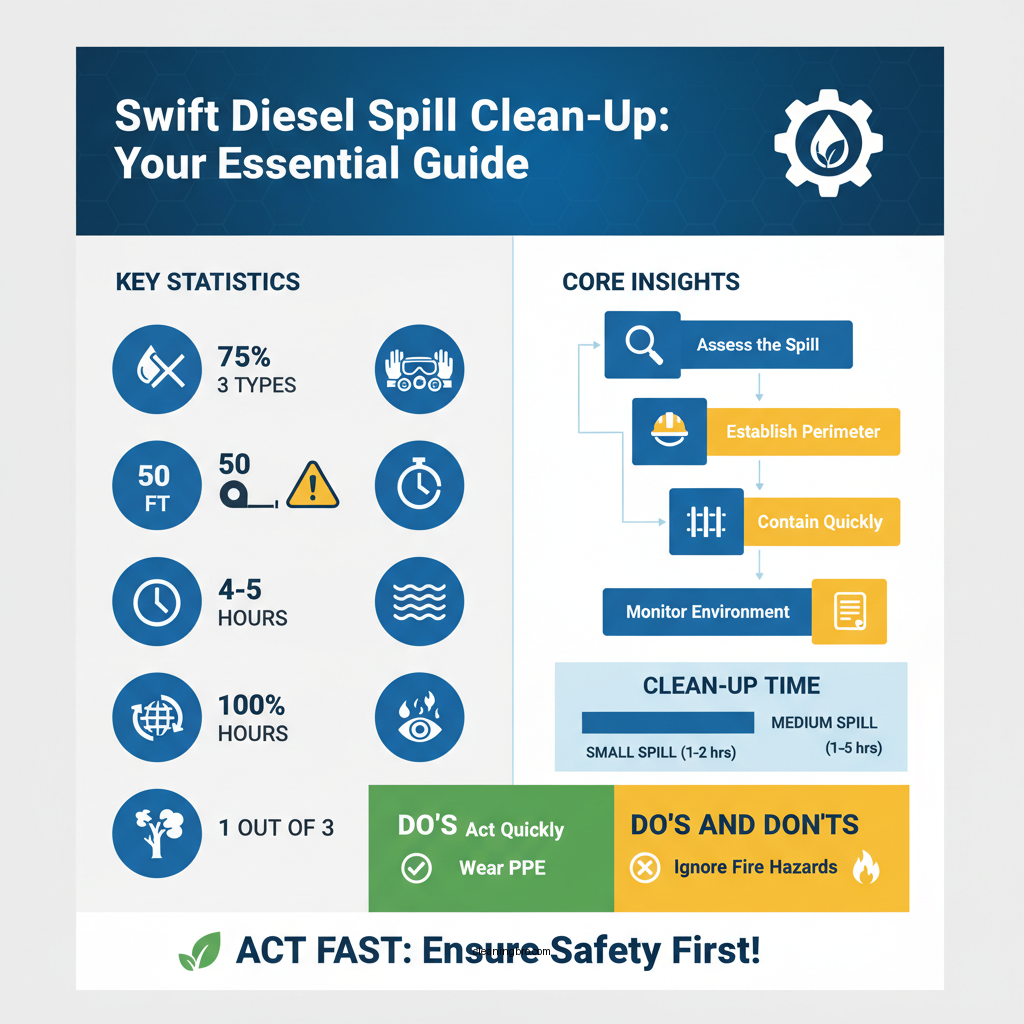
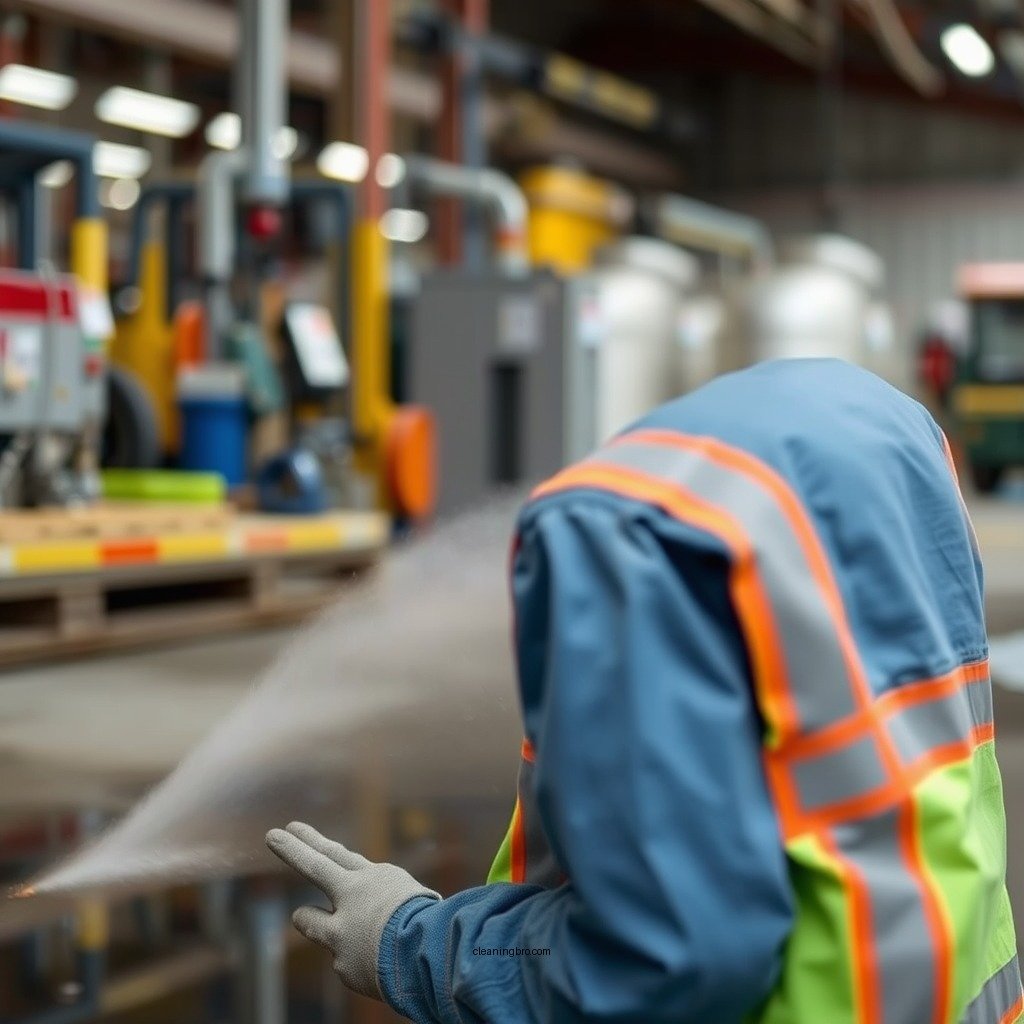
Safety is paramount during any clean-up operation. Before proceeding, ensure that you are wearing appropriate personal protective equipment (PPE). This typically includes gloves, goggles, and respirators to protect against inhalation of harmful vapors. Depending on the size of the spill, additional gear such as protective suits may also be necessary.
Establish a safe perimeter around the spill area to prevent bystanders from entering. This area should be clearly marked and monitored, as the fumes from diesel fuel can be hazardous. By keeping unauthorized individuals away from the site, you mitigate the risk of accidents and ensure that emergency responders can work without distractions or interference.
Contain the Spill
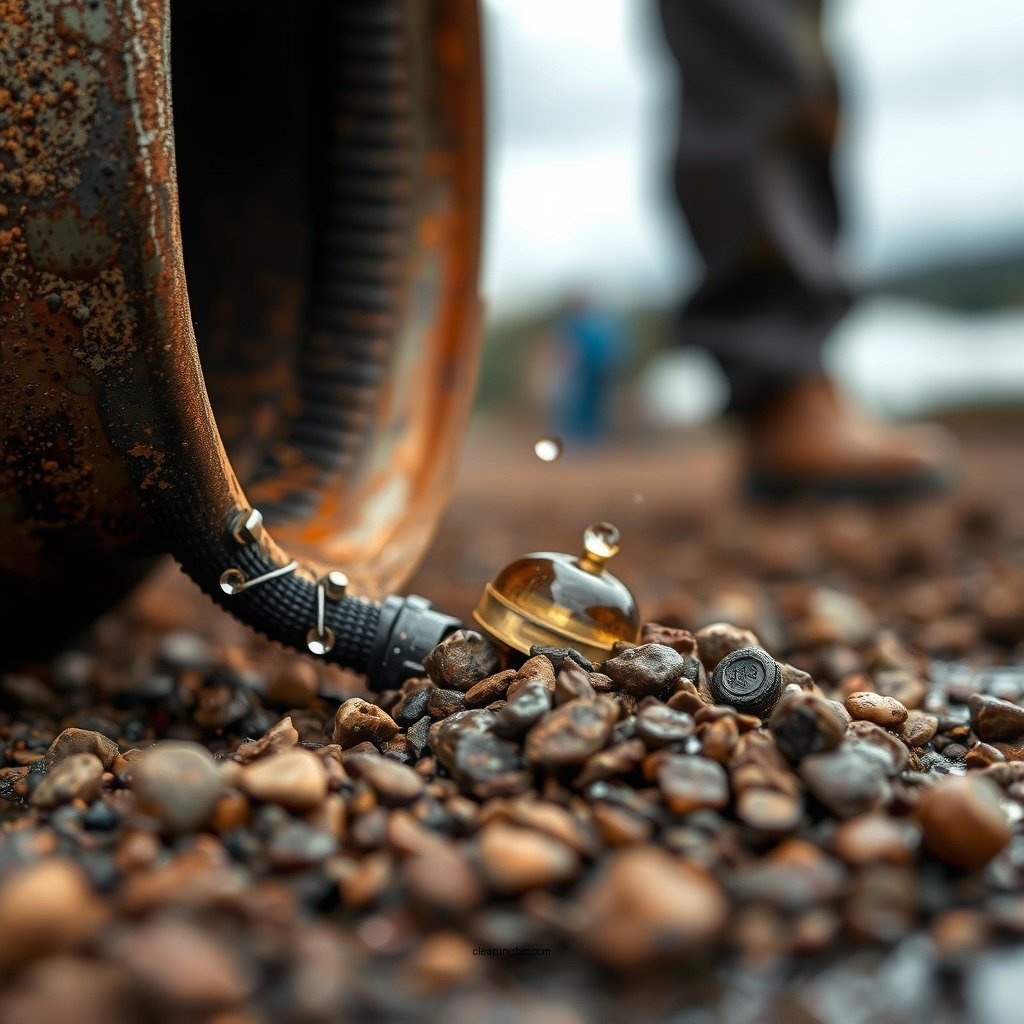
Once safety measures are in place, the next step is to contain the spill. Use absorbent materials such as booms or pads to prevent the spread of diesel fuel. Booms can be particularly effective in water environments, where they can encircle the spill and prevent further contamination.
If the spill is on land, create a barrier using absorbent materials to contain it. This can be done by placing absorbent pads around the perimeter of the spill to soak up the diesel fuel and prevent it from migrating to other areas. Quick containment is crucial in minimizing the environmental impact and reducing the complexity of the clean-up process.
Common Absorbent Materials Used in Diesel Spill Clean-Up
| # | Material | Effectiveness | Cost per Unit | Best Use Case |
|---|---|---|---|---|
| 1 | Absorbent Pads | High | $0.50 | Small Spills |
| 2 | Absorbent Booms | Very High | $10.00 | Water Containment |
| 3 | Granular Absorbents | Medium | $2.00 | Large Spills |
| 4 | Oil Absorbent Socks | High | $3.00 | Narrow Areas |
| 5 | Mats | Medium | $1.00 | Workshop Use |
| 6 | Sand | Low | $0.10 | Emergency Use |
| 7 | Cloth Rags | Medium | $0.25 | Small Spills |
Clean Up the Spill
With the spill contained, you can now focus on the clean-up process itself. Use absorbent materials to soak up the diesel fuel from the affected area. Depending on the extent of the spill, you may need to use multiple layers of absorbent pads or booms to ensure thorough coverage.
After the absorbent materials have soaked up the diesel, carefully remove them from the site. It is crucial to dispose of used absorbents in accordance with local regulations for hazardous waste, as improper disposal can lead to further environmental issues. Many areas have designated facilities for hazardous waste, and it’s essential to research and understand your local regulations to ensure compliance.
Decontaminate the Area
After absorbing the diesel fuel, the next step is to decontaminate the area. Use a mixture of water and detergent to wash down the affected site, ensuring that you remove any residual fuel that might remain. This step is critical, as even small amounts of diesel fuel can have long-term environmental impacts, particularly if they seep into the soil or water sources.
Once the area has been washed, rinse it thoroughly with clean water. This will help to ensure that no contaminants are left behind. Regularly monitoring the site after the clean-up can help to identify any lingering issues and ensure the area is safe for future use.
Report the Incident
Reporting the spill is not only a legal requirement in many jurisdictions but also a critical step in ensuring environmental protection. Notify local environmental authorities about the incident, especially if the spill has reached a water source or has caused significant environmental impact.
Keep detailed records of the clean-up process, including the size of the spill, the materials used for containment and clean-up, and any communications with local authorities. This documentation can be vital for compliance audits and may help protect your organization in the event of future legal issues.
Follow-Up Measures
Once the immediate clean-up is complete, it is essential to conduct a follow-up inspection of the site. This inspection will help ensure that no residual contamination remains and that the area is safe for normal operations.
Additionally, implementing measures to prevent future spills is crucial. This may include regular maintenance of fuel storage and handling procedures, employee training on spill response, and conducting routine inspections of equipment and storage areas. By taking these proactive steps, organizations can minimize the risk of future incidents and protect the surrounding environment.
Taking prompt and appropriate action can significantly reduce the impact of a diesel fuel spill. By following these steps, you can ensure a safer environment and comply with necessary regulations. Always stay informed about best practices and local regulations related to fuel handling and spills, as this knowledge will empower you to respond effectively to any future incidents.
Frequently Asked Questions
What are the immediate steps to take after a diesel fuel spill?
After a diesel fuel spill, the first step is to ensure safety by evacuating the area and wearing protective gear. Next, contain the spill using absorbent materials like pads or booms to prevent it from spreading. Notify the appropriate authorities if the spill is significant, as they may need to manage the cleanup process.
How can I effectively clean up a small diesel fuel spill on concrete?
To clean a small diesel fuel spill on concrete, start by applying an absorbent material such as cat litter or commercial oil absorbents to soak up the fuel. Once absorbed, use a broom to collect the material and dispose of it according to local regulations. Afterward, clean the area with a degreaser or a mixture of soap and water to remove any residual diesel.
Why is it important to clean up a diesel fuel spill promptly?
Promptly cleaning up a diesel fuel spill is crucial to prevent environmental contamination and potential hazards such as slips and falls. Diesel fuel can seep into soil and waterways, harming local ecosystems. Additionally, timely cleanup reduces the risk of fire or explosion, ensuring safety for both people and property.
What are the best products to use for cleaning diesel fuel spills?
The best products for cleaning diesel fuel spills include absorbent pads, booms, and specialized oil spill kits that contain absorbents designed for petroleum products. Industrial degreasers and biodegradable cleaners are also effective for removing residual fuel from surfaces. Always choose products that comply with environmental regulations to ensure safe disposal.
Which safety precautions should I take when cleaning up a diesel fuel spill?
When cleaning up a diesel fuel spill, it’s essential to wear personal protective equipment (PPE), including gloves, goggles, and respiratory protection if necessary. Ensure proper ventilation in the area and avoid using open flames, as diesel is flammable. It’s also important to keep a spill kit handy and familiarize yourself with the Material Safety Data Sheet (MSDS) for diesel fuel.
References
- https://www.epa.gov/emergency-response/oil-spill-cleanup-guidance
https://www.epa.gov/emergency-response/oil-spill-cleanup-guidance - https://www.ncbi.nlm.nih.gov/pmc/articles/PMC7459682/
https://www.ncbi.nlm.nih.gov/pmc/articles/PMC7459682/ - https://www.cdc.gov/niosh/docs/2005-130/default.html
https://www.cdc.gov/niosh/docs/2005-130/default.html - https://www.who.int/news-room/fact-sheets/detail/oil-spills
https://www.who.int/news-room/fact-sheets/detail/oil-spills - https://www.atsdr.cdc.gov/chemicalpages/cleaning_oil_spills.html
https://www.atsdr.cdc.gov/chemicalpages/cleaning_oil_spills.html - https://www.sciencedirect.com/science/article/pii/S0045653521001780
https://www.sciencedirect.com/science/article/pii/S0045653521001780 - Oil spill
https://en.wikipedia.org/wiki/Oil_spill - Google Scholar Google Scholar
https://scholar.google.com/scholar?q=how+to+clean+up+a+diesel+fuel+spill - Google Scholar Google Scholar
https://scholar.google.com/scholar?q=diesel+fuel+spill+cleanup+methods - Google Scholar Google Scholar
https://scholar.google.com/scholar?q=environmental+impact+of+diesel+fuel+spills