How to Clean a Violin: Essential Steps for Care
Cleaning your violin regularly is essential for preserving its sound quality and extending its lifespan. To effectively clean a violin, use a soft cloth to remove dust and rosin buildup, and avoid harsh cleaners that may damage the instrument. In this guide, you’ll learn the essential steps to properly clean your violin and keep it in top condition, ensuring it continues to produce beautiful music.
Understanding the Importance of Cleaning Your Violin
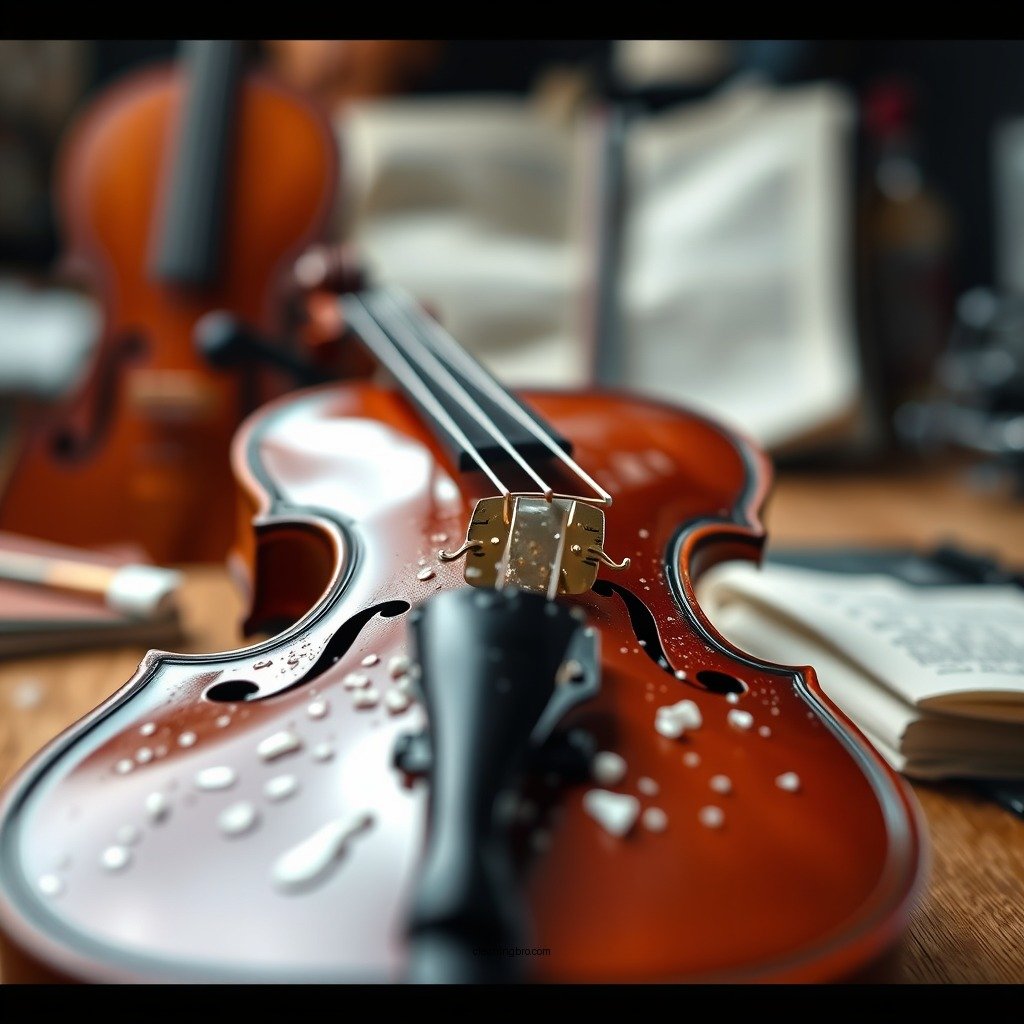
Maintaining a clean violin is not merely about aesthetics; it is crucial for preserving the instrument’s integrity and sound quality. Regular cleaning plays a significant role in preserving the finish of the violin, preventing unsightly buildup of rosin and dirt that can dampen sound quality. Rosin, a natural resin used on the bow hair, can accumulate and harden on the instrument’s surface, affecting both the tonal quality and the playability of the violin. Moreover, neglecting proper care can lead to long-term damage, such as discoloration or even degradation of wood. Therefore, understanding the importance of routine cleaning cannot be overstated; it is an investment in your instrument’s longevity and performance.
Tools You Will Need
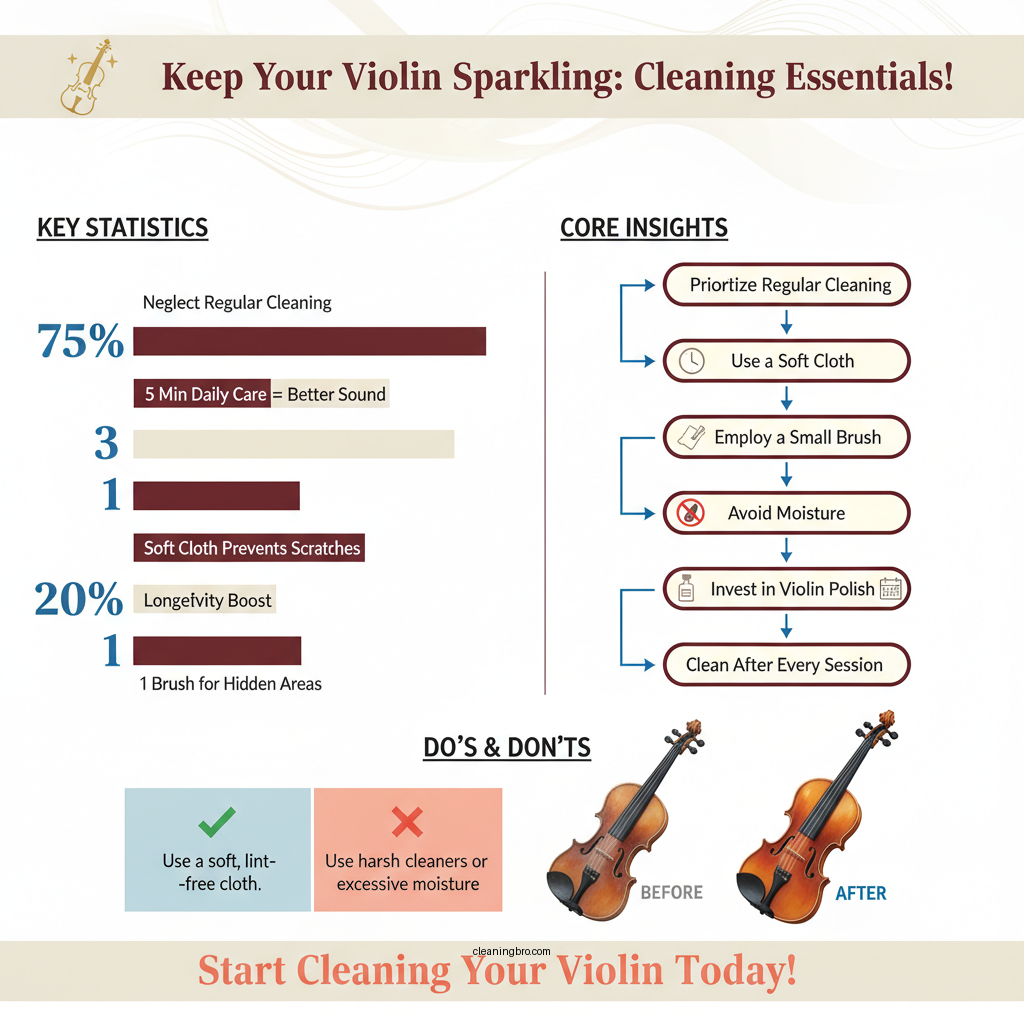
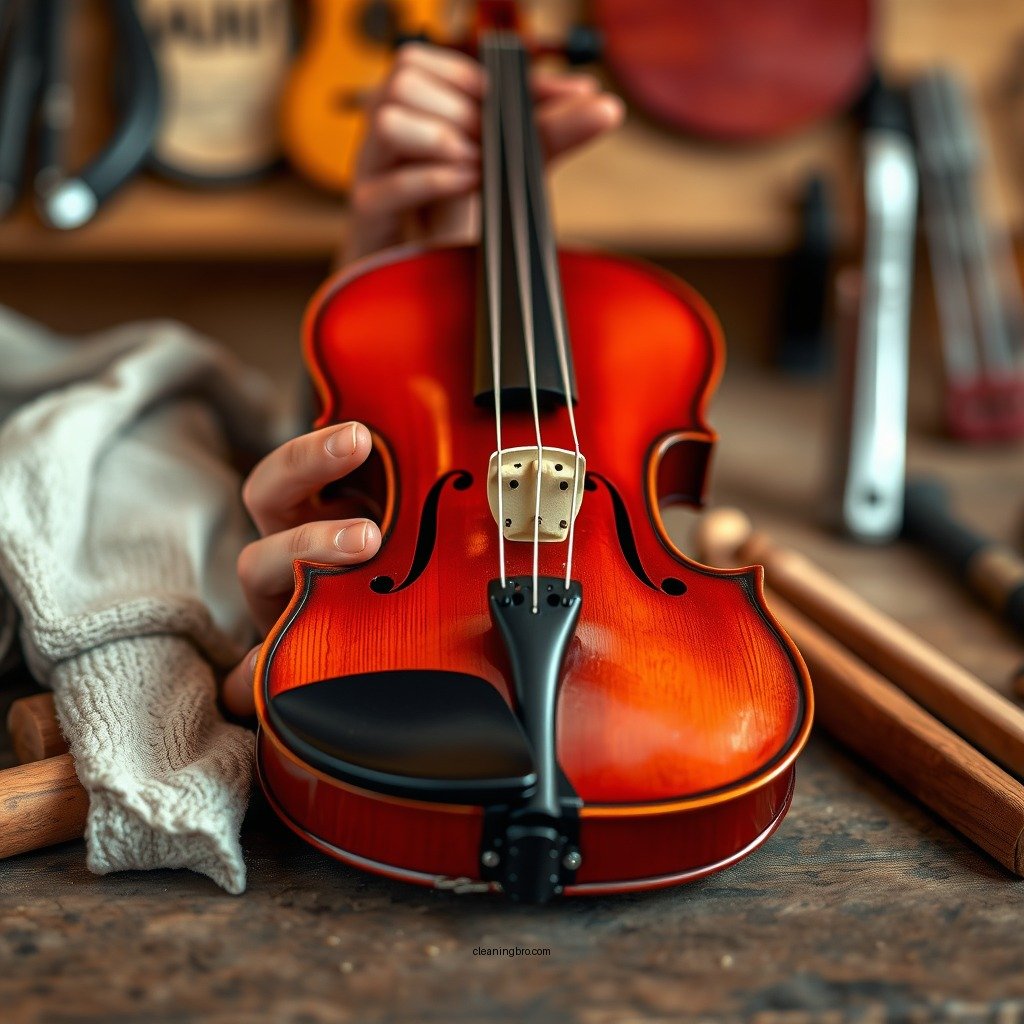
To effectively clean your violin, you will need a few essential tools:
– Soft, lint-free cloth: This is crucial for surface cleaning, as it prevents scratches and damage to the finish.
– Violin polish or specific cleaning solution: If necessary, a product specifically designed for violins will help maintain the luster and protect the wood.
– Small brush: A soft-bristled brush will help reach hard-to-access areas, like the f-holes and along the strings.
Having these tools on hand will make the cleaning process more efficient and ensure that your violin remains in optimal condition.
Step-by-Step Cleaning Process
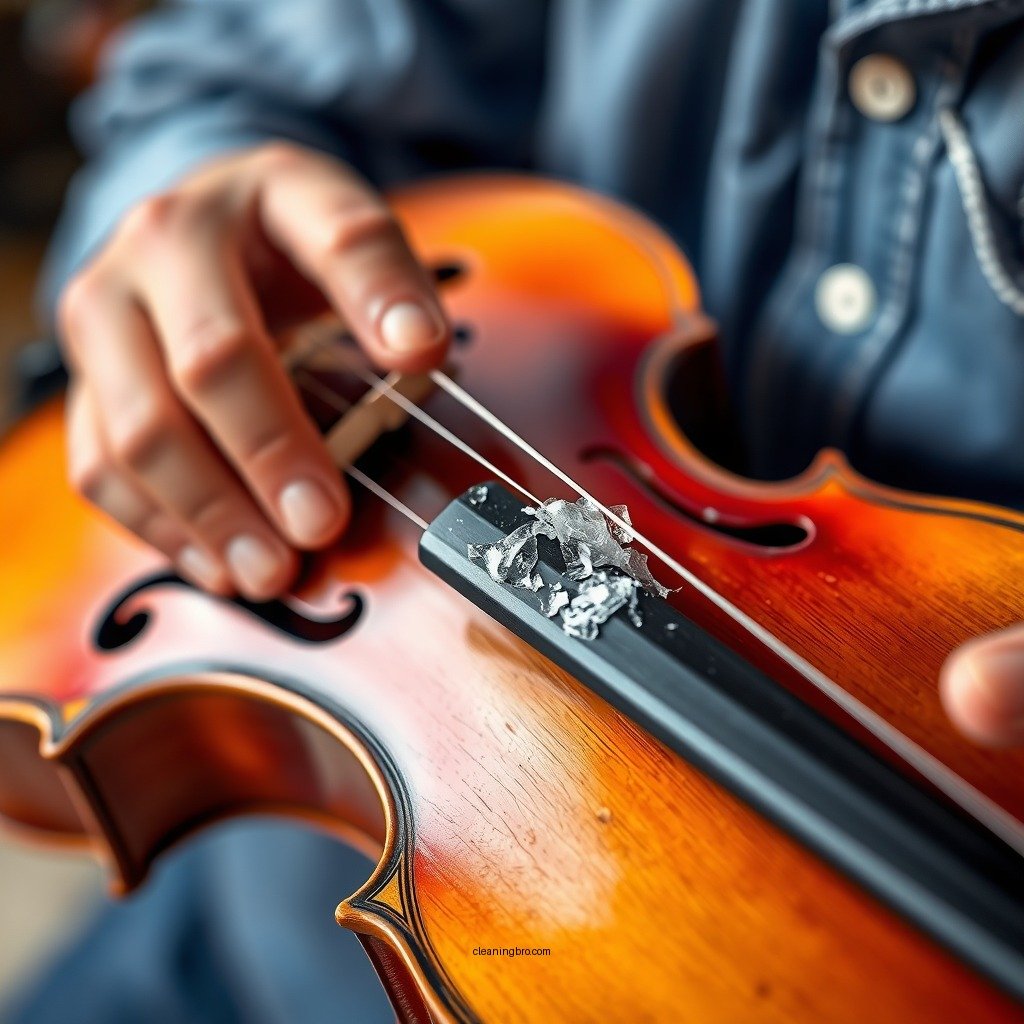
1. Wipe the Body: After each practice session or performance, gently wipe the body of the violin with a soft cloth. This removes dust and rosin residue, preventing buildup. Pay particular attention to the areas around the strings and the bridge.
2. Clean Hard-to-Reach Areas: Use the small brush to carefully clean around the strings, f-holes, and any other intricate areas where dust may accumulate. A gentle touch is crucial to avoid damaging delicate components.
3. Avoid Excessive Moisture: Never soak the cloth; it should only be slightly damp if necessary. Excess moisture can damage the wood and glue joints, leading to long-term issues.
Top 7 Violins by Popularity and Features (2024)
| # | Violin Model | Price | Material | Skill Level |
|---|---|---|---|---|
| 1 | Yamaha V3 | $299 | Spruce & Maple | Beginner |
| 2 | Stentor 1500 | $399 | Solid Wood | Intermediate |
| 3 | Eastman 305 | $1,299 | Carved Spruce | Advanced |
| 4 | Cecilio CVN-300 | $179 | Maple & Spruce | Beginner |
| 5 | D Z Strad 1000 | $899 | Solid Wood | Intermediate |
| 6 | Yamaha V5 | $699 | Solid Wood | Intermediate |
| 7 | Bam Hightech | $599 | Carbon Fiber | Advanced |
Cleaning the Strings and Bow
It’s not just the body of the violin that requires attention; the strings and bow also need regular cleaning to maintain optimal performance:
– Clean the Strings: After playing, wipe down the strings with a lint-free cloth. This action removes rosin residue that can dull the sound and hinder the instrument’s resonance. It’s advisable to clean the strings before putting the violin away as this helps prolong their lifespan.
– Bow Hair Maintenance: The bow hair should also be cleaned periodically. Use a soft cloth to wipe the bow hair and remove any accumulated rosin. This maintenance not only enhances grip but also ensures a consistent tone quality when playing.
Addressing Stains and Buildup
Occasionally, you may encounter stubborn stains or significant buildup on your violin. In such cases, a violin-specific polish can be used for deeper cleaning. Always read the instructions carefully and test the product on a small, inconspicuous area first to ensure compatibility with your instrument’s finish.
When using polish, remember that excessive moisture can be harmful; thus, it’s best to slightly dampen the cloth rather than soaking it. This method protects the wood from water damage while allowing you to effectively remove stains.
When to Seek Professional Help
Recognizing when to seek professional help is a critical aspect of violin maintenance. If you notice signs such as:
– Cracks or Open Seams: These can compromise the instrument’s sound integrity.
– Warped Neck or Fingerboard: This can affect playability and tuning.
– Significant Buildup of Dirt: If regular cleaning isn’t effective, a professional deep clean may be necessary.
Additionally, scheduling regular check-ups with a luthier is advisable for thorough inspections. These professionals can offer insights into maintenance and potential repairs, ensuring your violin remains in excellent condition.
Best Violin Cleaning Products: Comparison
| Feature | ⭐ String Cleaner | Violin Polish | Cleaning Cloth |
|---|---|---|---|
| Price | $10 | $15 | $5 |
| Functionality | Removes rosin | Enhances shine | Soft and lint-free |
| Ideal Use | Before/after playing | Monthly | Every use |
| Materials | Natural ingredients | Non-toxic | Microfiber |
| Ease of Use | Easy spray | Simple application | Ready to use |
| Drying Time | Quick | Instant | N/A |
| Residue | None | Minimal | None |
| Safe for Finish | ✅ | ✅ | ✅ |
| 🏆 Best For | String maintenance | Overall shine | Daily use |
Tips for Maintaining Your Violin’s Cleanliness
Establishing a regular cleaning routine is vital for maintaining your violin’s cleanliness and functionality. Here are some effective tips:
– Routine Cleaning: Make it a habit to wipe down your violin after each use. This simple action prevents dust and rosin buildup and keeps the instrument looking pristine.
– Proper Storage: Store your violin in a clean, dry environment. Consider using a case with a protective lining to reduce dust exposure. Avoid leaving your violin in areas with extreme temperatures, as this can warp the wood.
– Regular Maintenance Checks: Periodically inspect your violin for any signs of wear or damage. Being proactive can save you from more significant issues in the future.
By incorporating these tips into your routine, you will ensure the longevity and sound quality of your violin.
Maintaining a clean violin enhances not only its appearance but also its sound quality. By following these essential steps and establishing a consistent cleaning routine, you will ensure your instrument remains in excellent condition. For further assistance, consider consulting with a professional luthier or violin technician to address any specific concerns regarding your instrument’s care.
Frequently Asked Questions
How often should I clean my violin?
You should clean your violin after every practice session to remove rosin dust and finger oils. Additionally, a more thorough cleaning should be done every few weeks, including polishing the body and checking the strings and bow for any dirt buildup.
What is the best way to clean a violin without damaging it?
The best way to clean a violin is to use a soft, lint-free cloth to gently wipe the body, avoiding any harsh chemicals. For the strings, use a specialized string cleaner or another clean cloth to remove grime, ensuring you never use water or abrasive materials that could scratch the finish.
Why is it important to clean the inside of my violin?
Cleaning the inside of your violin is important because dust and debris can affect sound quality and create dampness that leads to mold growth. However, it’s best to leave this task to a professional luthier to avoid damaging delicate components.
Which products are safe for cleaning a violin?
Safe products for cleaning a violin include specialized violin polish and microfiber cloths. Avoid using household cleaners, as they can damage the varnish and wood; instead, opt for products specifically designed for string instruments.
How do I remove sticky residue from my violin?
To remove sticky residue from your violin, use a small amount of distilled water on a soft cloth and gently rub the area. If that doesn’t work, a few drops of violin-specific cleaner can help; just ensure you apply it sparingly and wipe it off immediately to protect the finish.
References
- https://en.wikipedia.org/wiki/Violin
https://en.wikipedia.org/wiki/Violin - Violin | Definition, Structure, History, & Facts | Britannica
https://www.britannica.com/art/violin - Analysis of blood-induced Anopheles gambiae midgut proteins and sexual stage Plasmodium falciparu…
https://www.nature.com/articles/s41598-020-71186-5 - https://www.sciencedirect.com/science/article/abs/pii/S0167268121000680
https://www.sciencedirect.com/science/article/abs/pii/S0167268121000680 - https://www.wwu.edu/violin/cleaning.shtml
https://www.wwu.edu/violin/cleaning.shtml - https://www.theguardian.com/music/2020/sep/25/how-to-care-for-your-violin
https://www.theguardian.com/music/2020/sep/25/how-to-care-for-your-violin - Google Scholar Google Scholar
https://scholar.google.com/scholar?q=how+to+clean+violin - Google Scholar Google Scholar
https://scholar.google.com/scholar?q=violin+maintenance+care - Google Scholar Google Scholar
https://scholar.google.com/scholar?q=cleaning+string+instruments - how to clean violin – Search results
https://en.wikipedia.org/wiki/Special:Search?search=how+to+clean+violin