How to Clean the Smell from Work Boots
Cleaning work boots to eliminate unpleasant odors is essential for maintaining comfort and hygiene. The key to tackling this issue lies in using the right cleaning methods and products that effectively neutralize odors without damaging the boots. In this article, you’ll learn practical steps and tips to refresh your work boots and keep them smelling fresh.
Understanding the Causes of Boot Odor
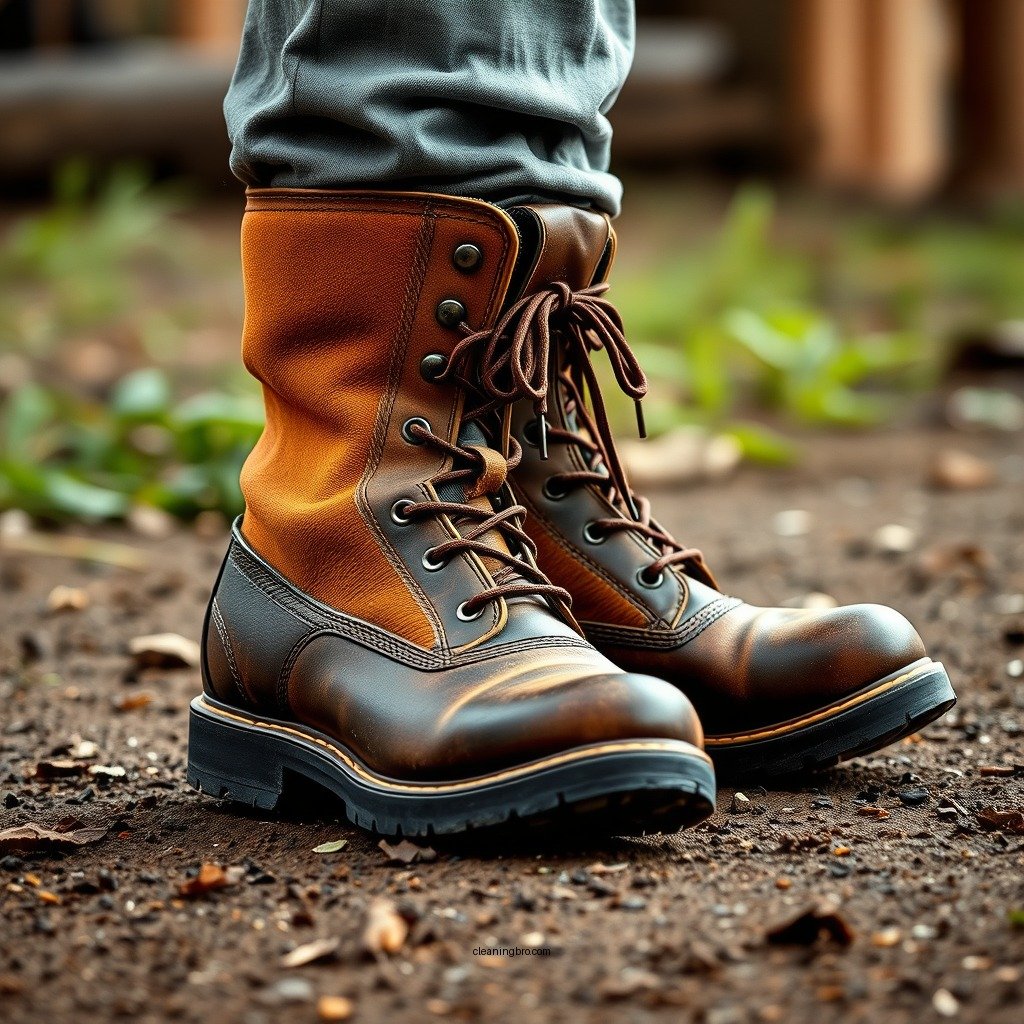
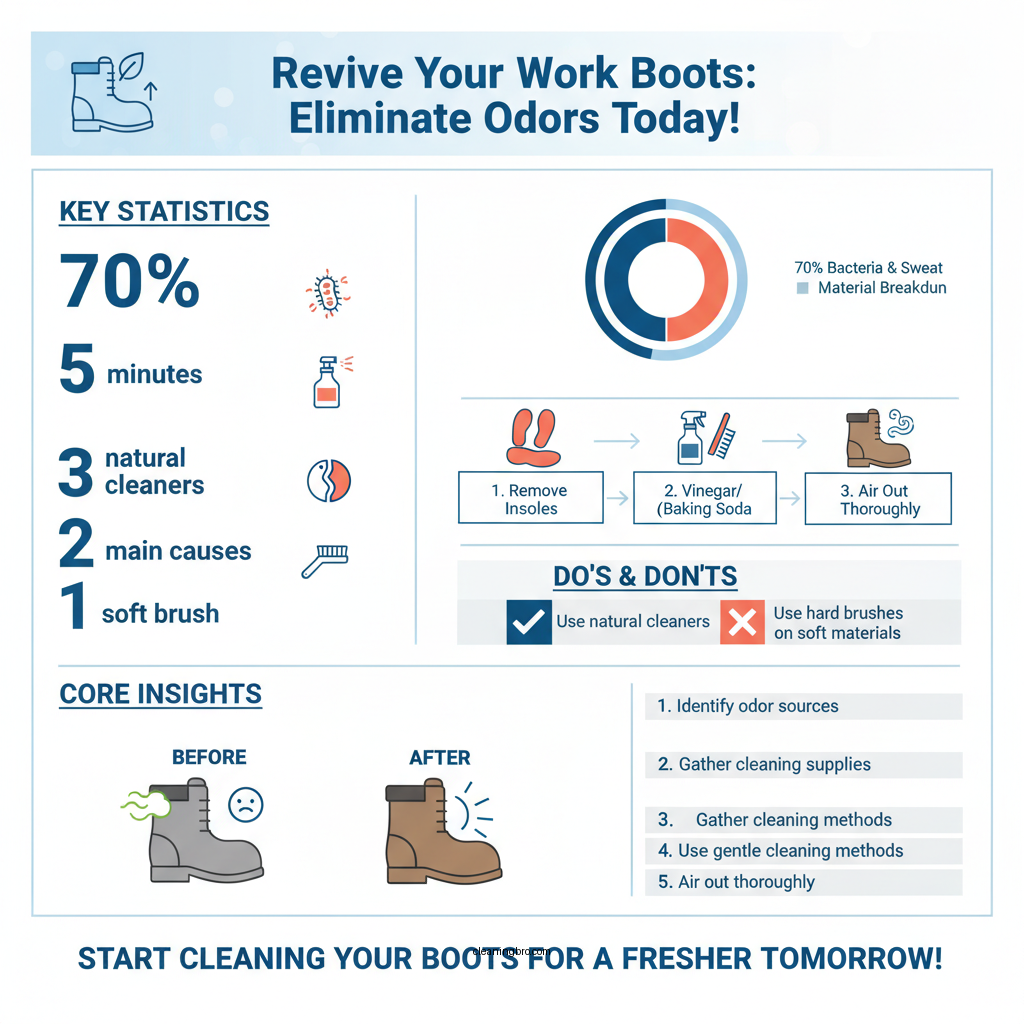
The unpleasant smell emanating from work boots is often attributed to two primary factors: bacteria and sweat, and material breakdown.
– Bacteria and sweat: Work boots are typically worn for long hours and in challenging environments, leading to excessive sweating. This moisture creates a perfect breeding ground for bacteria, which thrive in warm and damp conditions. As bacteria break down sweat, they produce odor, resulting in that pungent smell that can linger even after the boots have been removed.
– Material breakdown: Many work boots are made from various materials including leather, synthetic fabrics, and rubber. Over time, these materials can absorb moisture and odors, leading to intensified smells. For instance, leather can retain moisture and develop mold or mildew when not properly cared for, contributing to the overall unpleasant scent.
Understanding these causes is fundamental to effectively combating boot odor and ensuring a comfortable wearing experience.
Essential Supplies for Cleaning
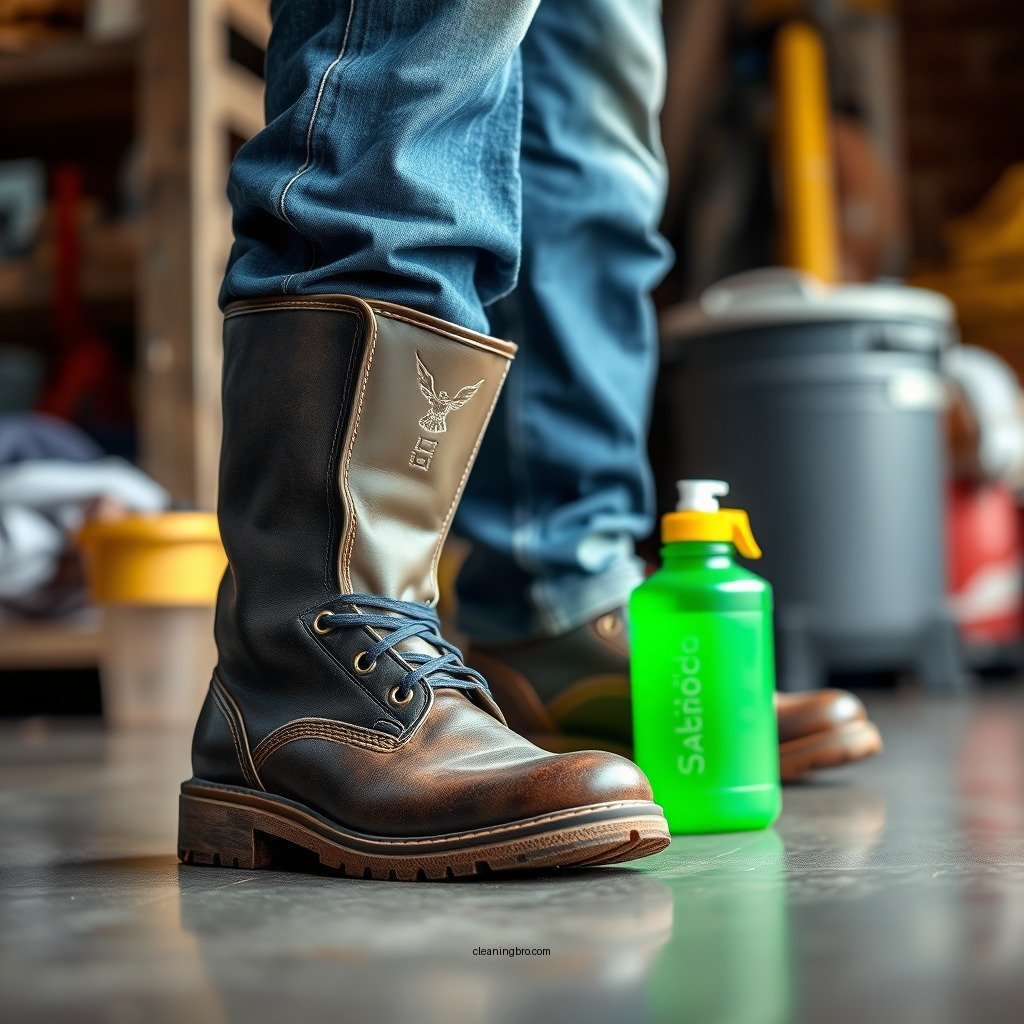
To effectively clean and deodorize your work boots, gather the following essential supplies:
– Natural cleaners: Utilizing natural cleaning agents is not only eco-friendly but also effective. Baking soda, vinegar, and essential oils are excellent options for neutralizing odors. Baking soda acts as a natural deodorizer by absorbing unwanted smells, while vinegar can cut through grime and bacteria. Essential oils provide a pleasant scent and have antibacterial properties.
– Brushes and cloths: Invest in soft-bristled brushes and microfiber cloths. These tools are gentle enough to clean the exterior of the boots without causing damage. While hard brushes might seem effective for scrubbing away dirt, they can scratch or scuff the surface of your boots, particularly if they are made from softer materials.
Step-by-Step Cleaning Process
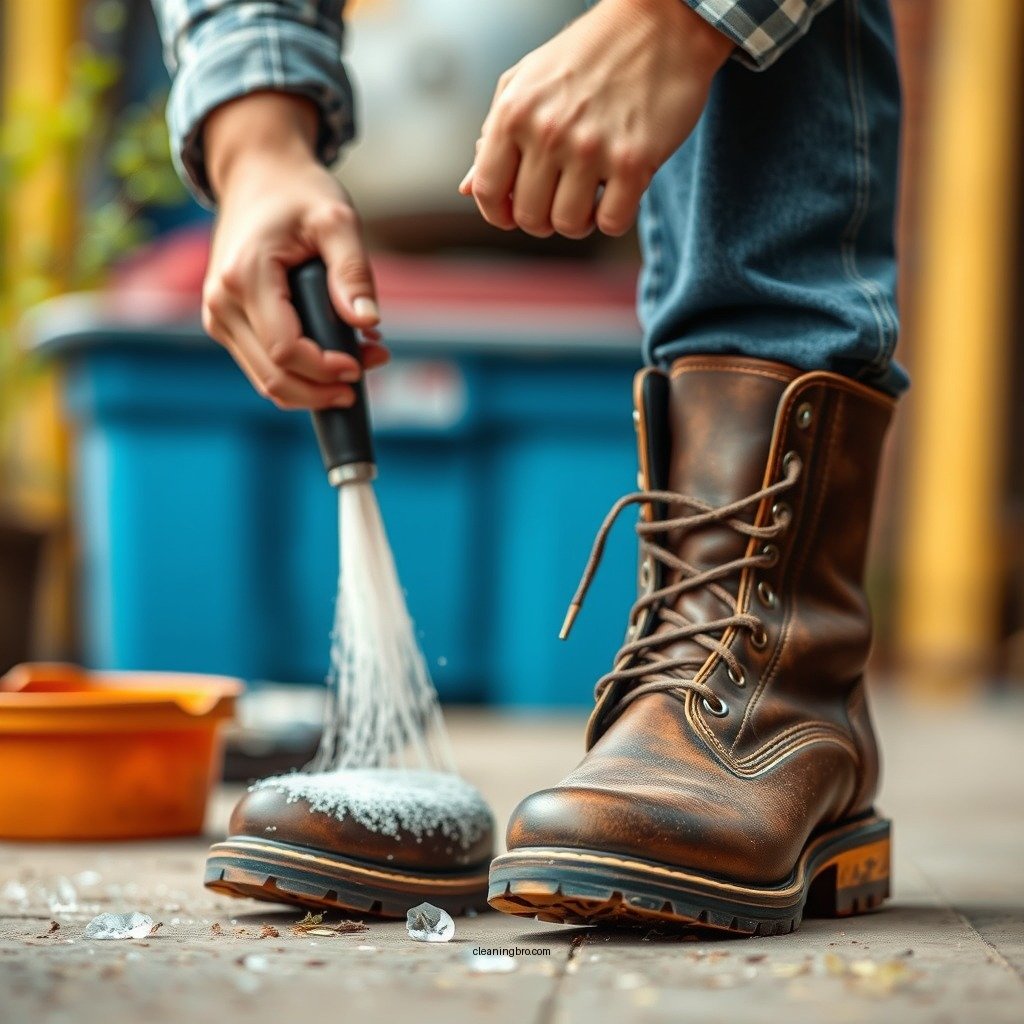
Cleaning your work boots involves a systematic approach to ensure thorough deodorization and maintenance:
1. Remove insoles: Start by taking out the insoles. These often trap moisture and odors. Clean them separately by scrubbing with a mixture of warm water and vinegar or baking soda, and allow them to air out completely.
2. Clean the exterior: Use a soft brush to remove dirt and debris from the outside of the boots. For deeper cleaning, create a solution using warm water and a few drops of mild detergent or vinegar. Gently scrub the boots with a cloth or sponge, paying special attention to seams and crevices where dirt can accumulate.
3. Dry properly: After cleaning, allow your boots to air dry completely in a well-ventilated area away from direct sunlight. This step is crucial to prevent moisture accumulation, which can lead to mold growth and further odors.
Common Causes of Boot Odor and Their Solutions
| # | Cause | Solution | Effectiveness |
|---|---|---|---|
| 1 | Bacteria | Vinegar or baking soda | High |
| 2 | Moisture | Air drying | Very High |
| 3 | Material degradation | Regular cleaning | Moderate |
| 4 | Improper storage | Store in a cool, dry place | High |
| 5 | Improper foot hygiene | Regular foot washing | Very High |
| 6 | Worn-out materials | Replace insoles | High |
| 7 | Chemical residues | Use natural cleaners | Moderate |
Deodorizing Techniques
Once your boots are clean, it’s time to tackle the odors effectively. Here are some tried-and-true deodorizing techniques:
– Baking soda method: One of the most effective ways to absorb odors is to sprinkle baking soda inside your boots. Let it sit overnight, and then shake it out the next day. Baking soda not only absorbs moisture but also neutralizes odors, making it a powerful ally in keeping your boots fresh.
– Essential oils: For added freshness, consider applying a few drops of your favorite essential oil directly to the insoles or inside the boots. Oils like tea tree, lavender, or eucalyptus not only impart a pleasant fragrance but also possess natural antibacterial properties that help combat odor-causing bacteria.
– Dryer sheets: If you prefer a quick solution, placing dryer sheets inside the boots can also help mask unpleasant odors. However, this method is more about masking than eliminating the smell, so it should be used alongside proper cleaning techniques.
Maintenance Tips to Prevent Odor
Preventing odor is often easier than removing it. Implement the following maintenance tips to keep your work boots smelling fresh:
– Rotate boots: If possible, invest in multiple pairs of work boots and rotate them regularly. This allows each pair to air out between uses, reducing the likelihood of moisture buildup and odor development.
– Regular cleaning: Establishing a routine for cleaning your boots every few weeks, especially after heavy use, can significantly reduce odors. This includes removing dirt, wiping down the exterior, and ensuring insoles are cleaned and dried.
– Use moisture-wicking socks: Wearing moisture-wicking socks can help minimize sweat accumulation in your boots. Opt for socks made from materials that draw moisture away from your feet, keeping them dry and reducing the conditions that lead to odor.
– Store properly: When not in use, store your boots in a cool, dry area. Avoid leaving them in damp environments, such as basements or cars, where moisture can accumulate and lead to mold and odors.
Top 3 Natural Deodorizers for Work Boots
| Feature | ⭐ Baking Soda | Vinegar | Essential Oils |
|---|---|---|---|
| Natural | ✅ | ✅ | ✅ |
| Deodorizing Power | High | Moderate | High |
| Ease of Use | Easy | Moderate | Easy |
| Cost | Low | Low | Moderate |
| Availability | Widely available | Widely available | Available in specialty stores |
| Antibacterial Properties | ❌ | ✅ | ✅ |
| Duration of Effect | Long-lasting | Temporary | Long-lasting |
| Environmental Impact | Low | Moderate | Low |
| 🏆 Best For | General Use | Cleaning & Disinfecting | Aromatic Experience |
When to Seek Professional Help
Despite your best efforts, there may be instances when the odor persists, indicating it’s time to seek professional help:
– Persistent odor: If, after thorough cleaning and deodorizing, the unpleasant smell remains, it could indicate deeper issues such as mold or bacteria embedded within the material. Professional boot cleaning services have specialized tools and expertise to effectively treat such problems.
– Damage assessment: If your boots show signs of wear, such as cracks, tears, or significant material degradation, consulting a professional can help assess the damage. They may offer repair services or recommendations for replacement, ensuring that you maintain the integrity and functionality of your footwear.
Both cleaning and maintenance are critical for prolonging the life of your work boots and ensuring they remain comfortable and odor-free.
Keeping your work boots smelling fresh is achievable with the right cleaning and maintenance techniques. By understanding the causes of odor, using effective cleaning methods, and implementing preventative measures, you’ll ensure your boots remain comfortable and pleasant to wear. Start your cleaning routine today and enjoy a more inviting experience with every step!
Frequently Asked Questions
How can I effectively eliminate the smell from my work boots?
To effectively eliminate the smell from your work boots, start by removing the insoles and washing them with warm, soapy water. Sprinkle baking soda inside the boots to absorb odors and leave them to air out in a well-ventilated area. Additionally, using a mixture of water and vinegar can help neutralize odors when sprayed inside the boots.
What are the best products to use for cleaning work boots and removing odors?
The best products for cleaning work boots and removing odors include specialized boot cleaners, odor-fighting sprays, and natural solutions like baking soda and white vinegar. Brands like Dr. Scholl’s and Odor-Eaters offer effective sprays and powder solutions designed specifically for footwear. Always check the manufacturer’s recommendations to ensure compatibility with your boot materials.
Why do my work boots smell so bad, and how can I prevent it?
Work boots often smell due to moisture and bacteria buildup from sweat and environmental exposure. To prevent odors, ensure your boots are dry after each use by using moisture-wicking socks and allowing them to air out. Regularly cleaning your boots and using odor-fighting insoles can also help maintain freshness.
Which methods are most effective for deep cleaning smelly work boots?
The most effective methods for deep cleaning smelly work boots include soaking them in a mixture of warm water and mild detergent, followed by scrubbing with a soft brush. You can also use a paste of baking soda and water to tackle tough stains and odors. After cleaning, allow your boots to dry thoroughly to prevent further odor development.
How often should I clean my work boots to prevent odor build-up?
It’s recommended to clean your work boots every 2-4 weeks, depending on usage and exposure to dirt and moisture. If you work in particularly dirty or humid environments, consider cleaning them more frequently. Regular maintenance, including airing them out and using odor-absorbing products, can significantly reduce the risk of odor build-up.
References
- https://www.ncbi.nlm.nih.gov/pmc/articles/PMC4996538/
https://www.ncbi.nlm.nih.gov/pmc/articles/PMC4996538/ - https://pubmed.ncbi.nlm.nih.gov/29355661/
https://pubmed.ncbi.nlm.nih.gov/29355661/ - https://www.mayoclinic.org/healthy-lifestyle/consumer-health/in-depth/foot-health/art-20046156
https://www.mayoclinic.org/healthy-lifestyle/consumer-health/in-depth/foot-health/art-20046156 - https://www.cdc.gov/niosh/topics/footwear.html
https://www.cdc.gov/niosh/topics/footwear.html - https://www.bbc.com/future/article/20200330-how-to-get-rid-of-smells-in-your-shoes
https://www.bbc.com/future/article/20200330-how-to-get-rid-of-smells-in-your-shoes - Google Scholar Google Scholar
https://scholar.google.com/scholar?q=clean+work+boots+smell - Google Scholar Google Scholar
https://scholar.google.com/scholar?q=shoe+odor+removal+techniques - Google Scholar Google Scholar
https://scholar.google.com/scholar?q=footwear+hygiene+and+health - Google Scholar Google Scholar
https://scholar.google.com/scholar?q=how+to+clean+work+boots+smell - how to clean work boots smell – Search results
https://en.wikipedia.org/wiki/Special:Search?search=how+to+clean+work+boots+smell