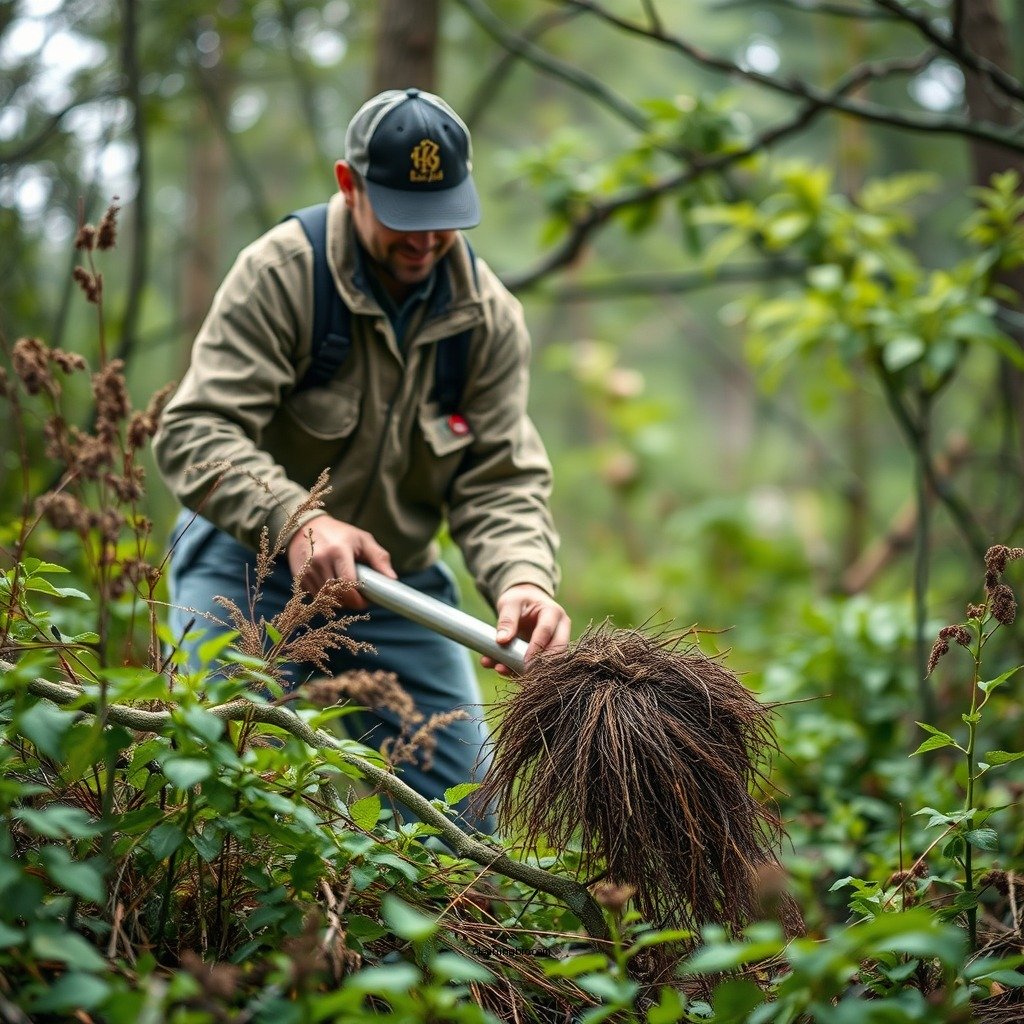
How to Clear Overgrown Land: A Step-by-Step Guide
Clearing overgrown land can be efficiently accomplished by assessing the area, selecting the appropriate tools, and employing effective techniques. This guide provides essential steps and tips to transform your overgrown property into a manageable space, ensuring you can reclaim your outdoor environment for practical use or aesthetic appeal.
Assessing the Area
The first step in clearing overgrown land is to thoroughly assess the area you intend to clear. This involves identifying the extent of the overgrowth to plan your approach effectively.
– Identify the extent of overgrowth: Start by walking through the area to evaluate which types of plants, shrubs, or trees are present. Take note of the density and height of the vegetation, as this will influence the tools and techniques required for clearing. For instance, if the area is densely populated with invasive species like kudzu or poison ivy, you may need specialized equipment and methods to handle them safely.
– Check for any hazards: As you assess the area, look for potential hazards such as fallen branches, rocks, or wildlife that could pose safety risks during the clearing process. Ensure that you are aware of any nests or burrows that might belong to local wildlife, and take appropriate measures to avoid disturbing them. This may include consulting with local wildlife experts or organizations if necessary.
Choosing the Right Tools
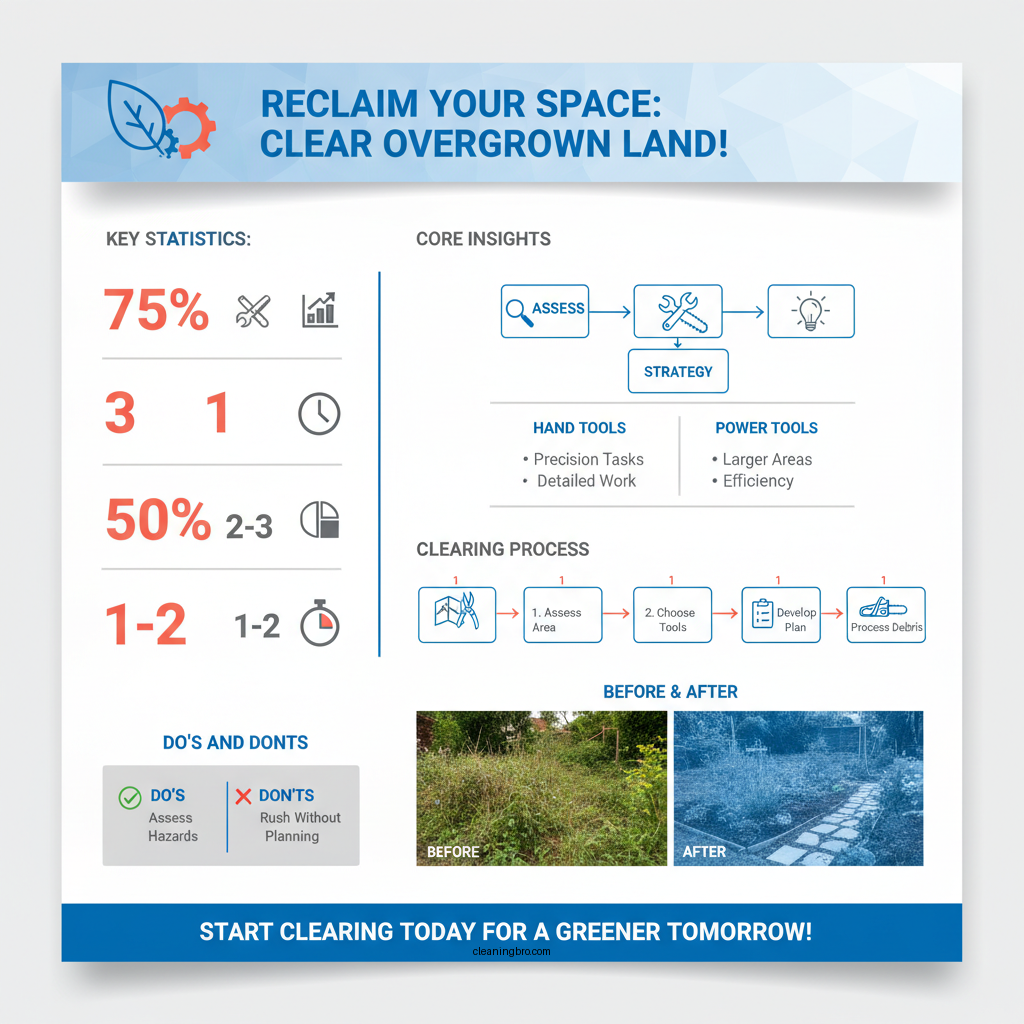

Selecting the right tools is crucial for an efficient clearing process. The tools you choose will depend on the size and type of overgrowth you are dealing with.
– Hand tools: For smaller areas or delicate tasks, hand tools are invaluable. Pruning shears, loppers, and a machete are essential for trimming smaller branches and cutting back shrubs. These tools allow for precision and control, especially in areas where you want to preserve certain plants or avoid damaging nearby structures.
– Power tools: If you are working on larger sections of overgrown land, power tools can significantly expedite the process. A brush cutter or string trimmer is effective for tackling thick grass and brush, while a chainsaw or a pole saw is necessary for larger trees. Additionally, a wood chipper can be beneficial for processing debris into mulch, which can then be reused in your garden or landscaping.
Developing a Clearing Strategy

Once you have assessed the area and chosen your tools, the next step is to develop a clearing strategy that suits your goals and the specific conditions of your land.
– Plan your approach: Decide whether you will clear the area in sections or tackle it all at once. For extensive overgrowth, it might be more manageable to break the area into smaller sections, prioritizing the most overgrown parts first. This allows for a systematic approach, preventing you from feeling overwhelmed.
– Determine disposal methods: As you clear the land, consider how you will dispose of the debris. Options include burning (if permitted), composting, or hauling away the waste. Research local regulations regarding waste disposal to ensure compliance, and consider creating a compost pile for organic material, which can enrich your soil in the future.
Top Tools for Clearing Overgrown Land (2024)
| # | Tool | Type | Best For | Price Range |
|---|---|---|---|---|
| 1 | Pruning Shears | Hand Tool | Small Shrubs | $10-$30 |
| 2 | Brush Cutter | Power Tool | Thick Brush | $150-$400 |
| 3 | Chainsaw | Power Tool | Large Trees | $100-$500 |
| 4 | Wood Chipper | Power Tool | Debris Processing | $300-$1,200 |
| 5 | Loppers | Hand Tool | Medium Shrubs | $15-$40 |
| 6 | String Trimmer | Power Tool | Grass & Weeds | $50-$200 |
| 7 | Machete | Hand Tool | Light Brush | $10-$25 |
Clearing Techniques
With the right tools in hand, it’s time to implement effective clearing techniques that will allow you to take on the overgrowth efficiently.
– Manual clearing: Start with hand tools for precise work around delicate plants or structures. This is particularly important when dealing with areas where you want to preserve certain plants or avoid damage to fences and pathways. Manual clearing also allows for a more thoughtful approach, enabling you to make informed decisions on what to remove and what to keep.
– Mechanical clearing: For larger sections of overgrowth, power tools are indispensable. Use a brush cutter or string trimmer to clear away thick grass and underbrush. When using a chainsaw, make sure to follow safety precautions, such as wearing protective gear and ensuring the area is clear of bystanders. Always read the user manual for any power tool to familiarize yourself with its operation and safety features.
Manual vs Mechanical Land Clearing Techniques
| Feature | ⭐ Manual Clearing | Mechanical Clearing |
|---|---|---|
| Precision | ✅ High | ✅ Moderate |
| Speed | ✅ Moderate | ✅ High |
| Cost | Low | High |
| Physical Effort | High | Low |
| Environmental Impact | Low | Moderate |
| Skill Required | Moderate | Low |
| Best For | Small Areas | Large Areas |
| Safety Risks | Low | High |
| Noise Level | Low | High |
| 🏆 Verdict | Best for Precision | Best for Speed |
Managing Debris
After clearing the land, managing the debris effectively is crucial to ensure a clean and safe environment.
– Sorting debris: As you clear the area, separate organic material from non-organic waste. This can include branches, leaves, and grass clippings, which can be composted or used as mulch. Non-organic materials, such as plastics or metals, should be collected separately for proper disposal or recycling.
– Disposal options: Evaluate local regulations for burning or disposing of yard waste, as some areas have strict guidelines on open burning. Composting is often a preferred method for organic waste, as it enriches the soil and reduces landfill waste. Consider reaching out to local waste management services for guidance on the best disposal practices in your area.
Preventing Future Overgrowth
Once you have successfully cleared the land, establishing a maintenance plan is essential to prevent future overgrowth.
– Regular maintenance: Create a routine schedule for mowing, trimming, and inspecting the area. This proactive approach will help keep invasive species at bay and maintain the cleanliness of your landscape. Depending on the growth rate in your area, you may need to perform these tasks weekly or monthly.
– Planting strategies: Consider planting native species that require less maintenance and are better suited to the local environment. Native plants are typically more resilient and can outcompete invasive species, reducing the need for constant upkeep. Additionally, they can enhance the ecological health of your property, support local wildlife, and improve the overall aesthetics of your landscape.
In summary, clearing overgrown land requires careful planning and the right techniques, but it’s a manageable task with the right approach. By assessing your area, selecting appropriate tools, and implementing effective clearing strategies, you can transform your space into a more usable area. Start your clearing project today and enjoy the benefits of a well-maintained landscape!
Frequently Asked Questions
What are the best tools for clearing overgrown land?
The best tools for clearing overgrown land include a brush cutter for dense vegetation, a chainsaw for larger trees, and a shovel for digging up roots. Additionally, a rake can help gather debris while a tractor or ATV can assist in transporting heavy materials. Using the right equipment not only speeds up the process but also ensures safety and efficiency.
How do I clear overgrown land safely?
To clear overgrown land safely, start by assessing the area for hazards such as large rocks, uneven terrain, or wildlife. Wear protective gear, including gloves, goggles, and sturdy clothing, and use appropriate tools. It’s also wise to work in small sections and take breaks to prevent fatigue, which can lead to accidents.
Why is it important to clear overgrown land before construction?
Clearing overgrown land before construction is crucial as it removes obstacles that can hinder the building process, such as roots, debris, and large plants. This preparation ensures a stable foundation and prevents potential damage to construction equipment. Additionally, it helps in managing drainage and soil erosion issues.
Which methods are most effective for clearing brush and weeds?
The most effective methods for clearing brush and weeds include mechanical removal with a brush cutter or mower, herbicide application for persistent weeds, and manual pulling for smaller areas. Combining these methods can provide a more thorough clearing, especially in densely overgrown areas. It’s also important to consider the ecological impact of your chosen method.
What should I do with debris after clearing overgrown land?
After clearing overgrown land, you have several options for debris disposal, including chipping branches for mulch, burning in compliance with local regulations, or hauling away to a waste facility. You can also compost smaller plant materials to enrich soil in other areas. Proper debris management not only keeps your site clean but can also enhance your landscape’s sustainability.
References
- https://en.wikipedia.org/wiki/Land_clearance
https://en.wikipedia.org/wiki/Land_clearance - https://www.extension.purdue.edu/extmedia/HO/HO-204-W.pdf
https://www.extension.purdue.edu/extmedia/HO/HO-204-W.pdf - Home | Natural Resources Conservation Service
https://www.nrcs.usda.gov/wps/portal/nrcs/main/national/home - https://www.fs.usda.gov/learn/lessons/clearing-land
https://www.fs.usda.gov/learn/lessons/clearing-land - https://www.cdc.gov/healthyplaces/healthtopics/landuse.htm
https://www.cdc.gov/healthyplaces/healthtopics/landuse.htm - The crucial choice of reference genes: identification of miR-191-5p for normalization of miRNAs e…
https://www.nature.com/articles/s41598-020-74685-7 - Google Scholar Google Scholar
https://scholar.google.com/scholar?q=how+to+clear+overgrown+land - Google Scholar Google Scholar
https://scholar.google.com/scholar?q=land+management+techniques - Google Scholar Google Scholar
https://scholar.google.com/scholar?q=land+clearing+methods - https://pubmed.ncbi.nlm.nih.gov/29329741/
https://pubmed.ncbi.nlm.nih.gov/29329741/