How to Clean Limestone: Effective Techniques and Tips
Cleaning limestone effectively requires gentle methods to avoid damage. The best approach involves using mild cleaning solutions and soft materials to preserve the stone’s natural beauty. In this article, you’ll learn the best techniques for cleaning limestone surfaces, including what products to use and how to maintain its appearance long-term.
Understanding Limestone and Its Characteristics
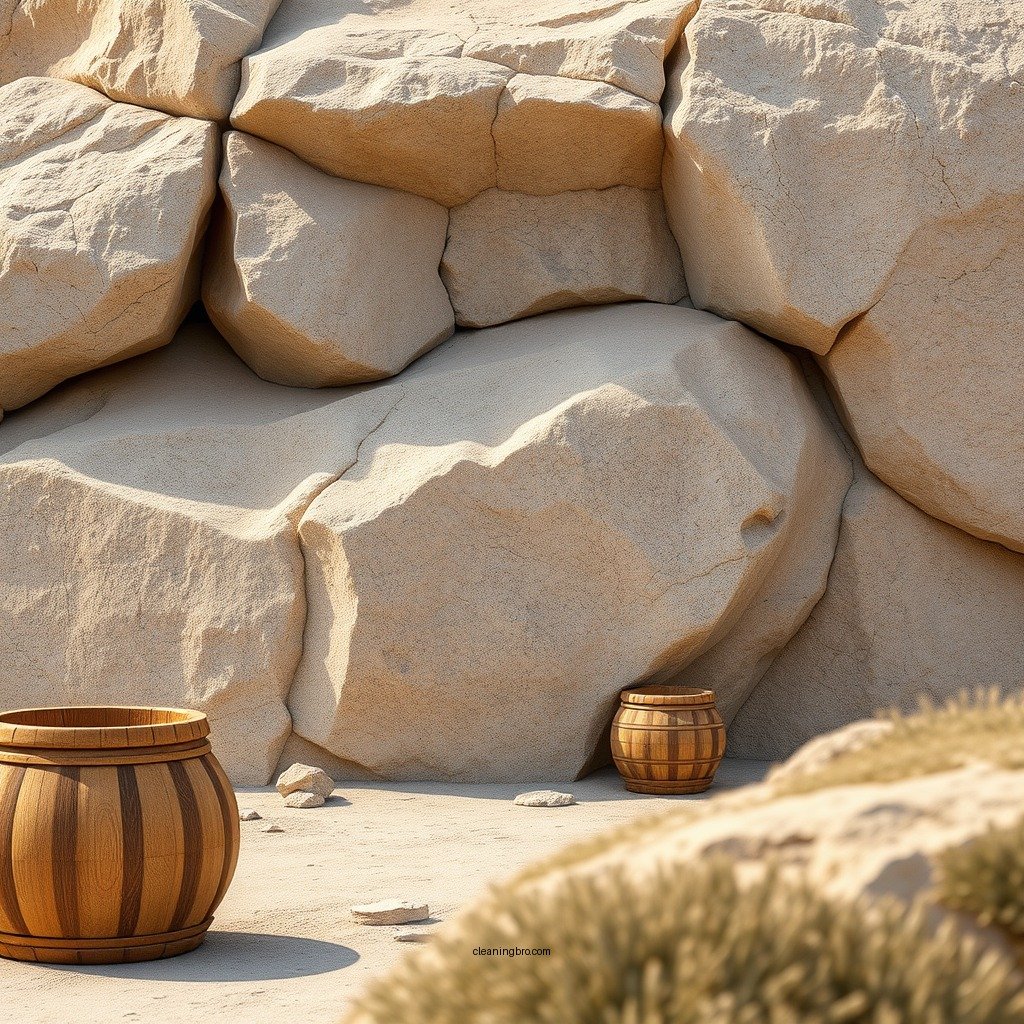
Limestone is a porous natural stone composed mainly of calcium carbonate, making it an attractive option for flooring, countertops, and other architectural elements. Its beauty lies in its varied colors and textures; however, these characteristics also make it susceptible to staining and damage if not cared for properly. The porous nature of limestone means it can easily absorb spills and moisture, leading to potential long-term damage if not addressed promptly. Additionally, limestone is sensitive to harsh chemicals, which can etch its surface and cause discoloration. Understanding these characteristics is crucial for anyone looking to maintain limestone surfaces in both residential and commercial settings.
Essential Cleaning Supplies
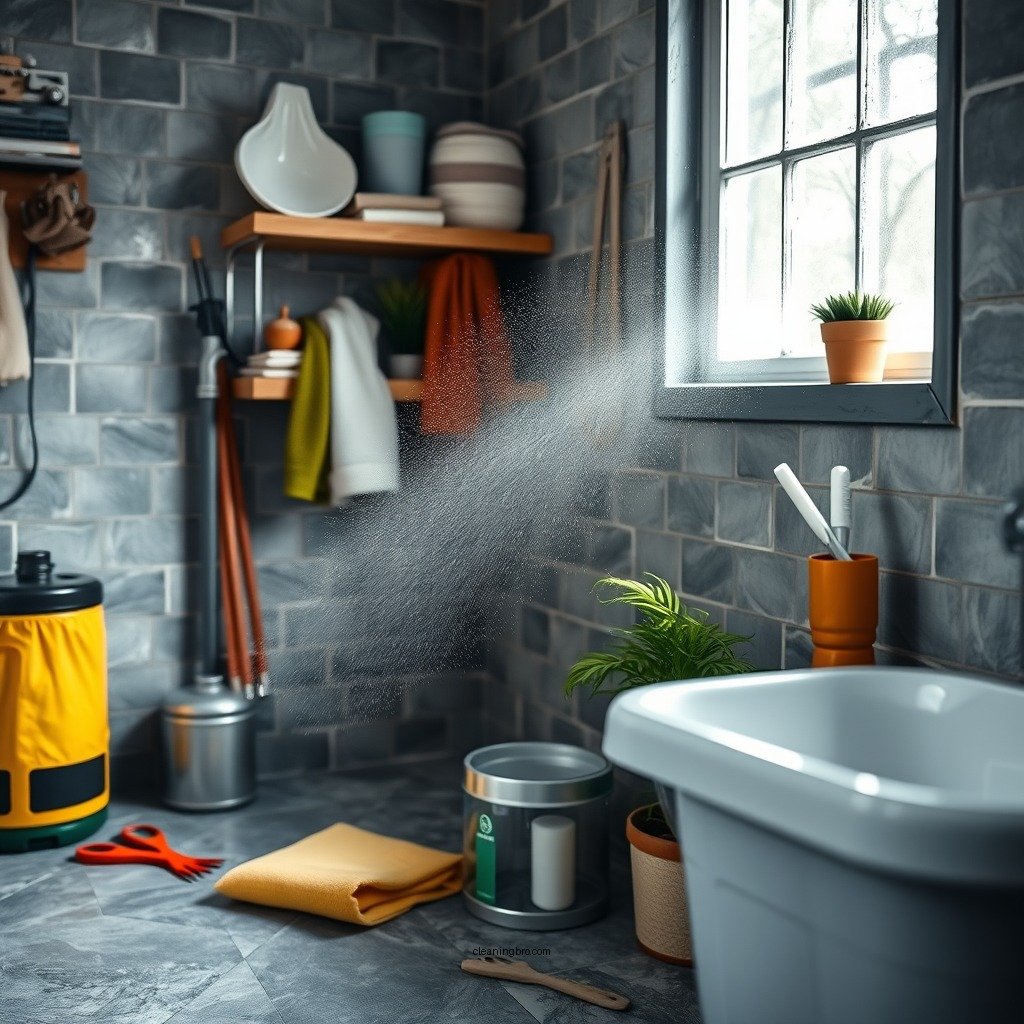
To clean limestone effectively, it’s imperative to use the right tools and products. Here’s a list of essential cleaning supplies you should have:
– pH-Neutral Stone Cleaner: This is crucial as acidic or alkaline cleaners can damage the surface. Look for products specifically formulated for natural stone.
– Soft Cloths: Microfiber cloths are ideal for dusting and wiping down surfaces without scratching.
– Soft-Bristled Brushes: Use these for scrubbing stubborn spots. Avoid stiff bristles that may scratch the limestone.
– Mop: For larger areas, a mop with a soft head can help keep floors clean.
– Baking Soda: A natural and gentle abrasive that can help lift stains.
– Plastic Scraper: Useful for removing dried spills or residue without scratching the surface.
Step-by-Step Cleaning Process
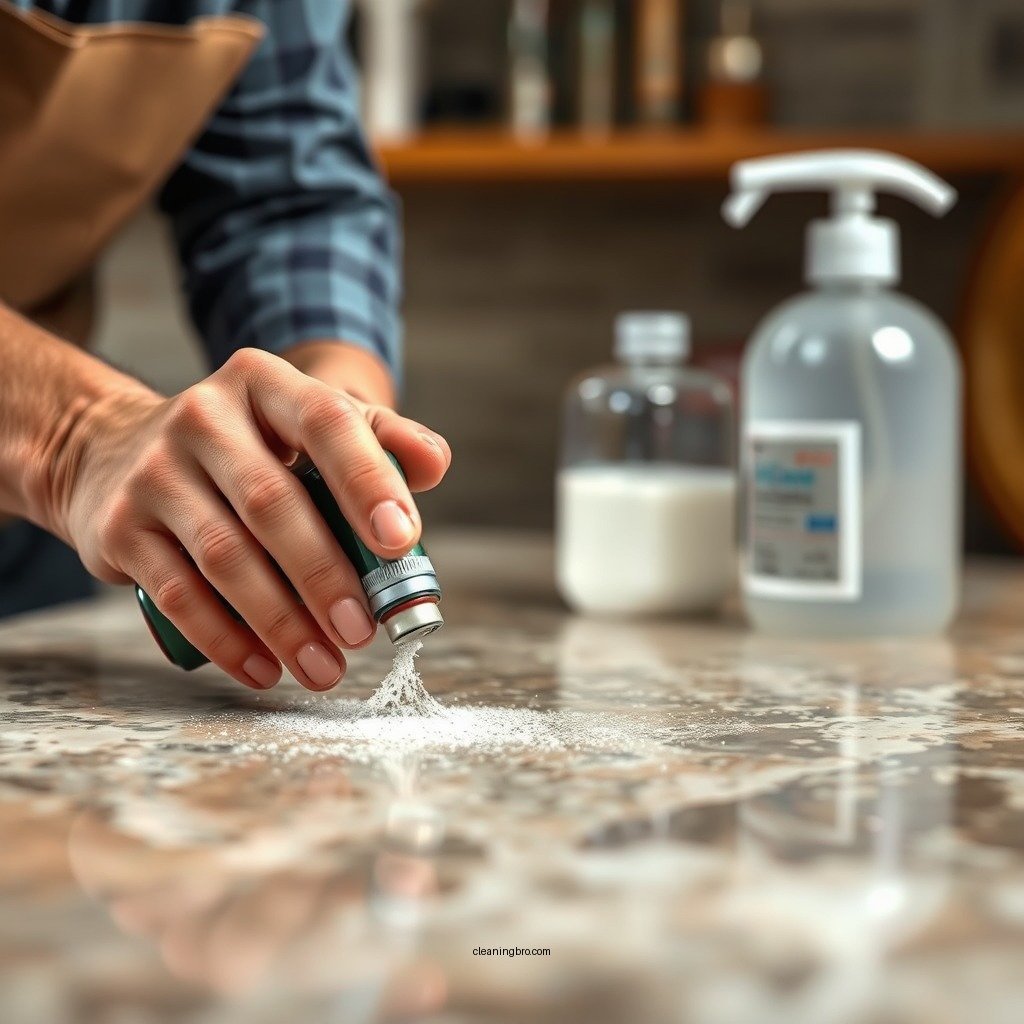
Cleaning limestone can be performed effectively by following a structured approach:
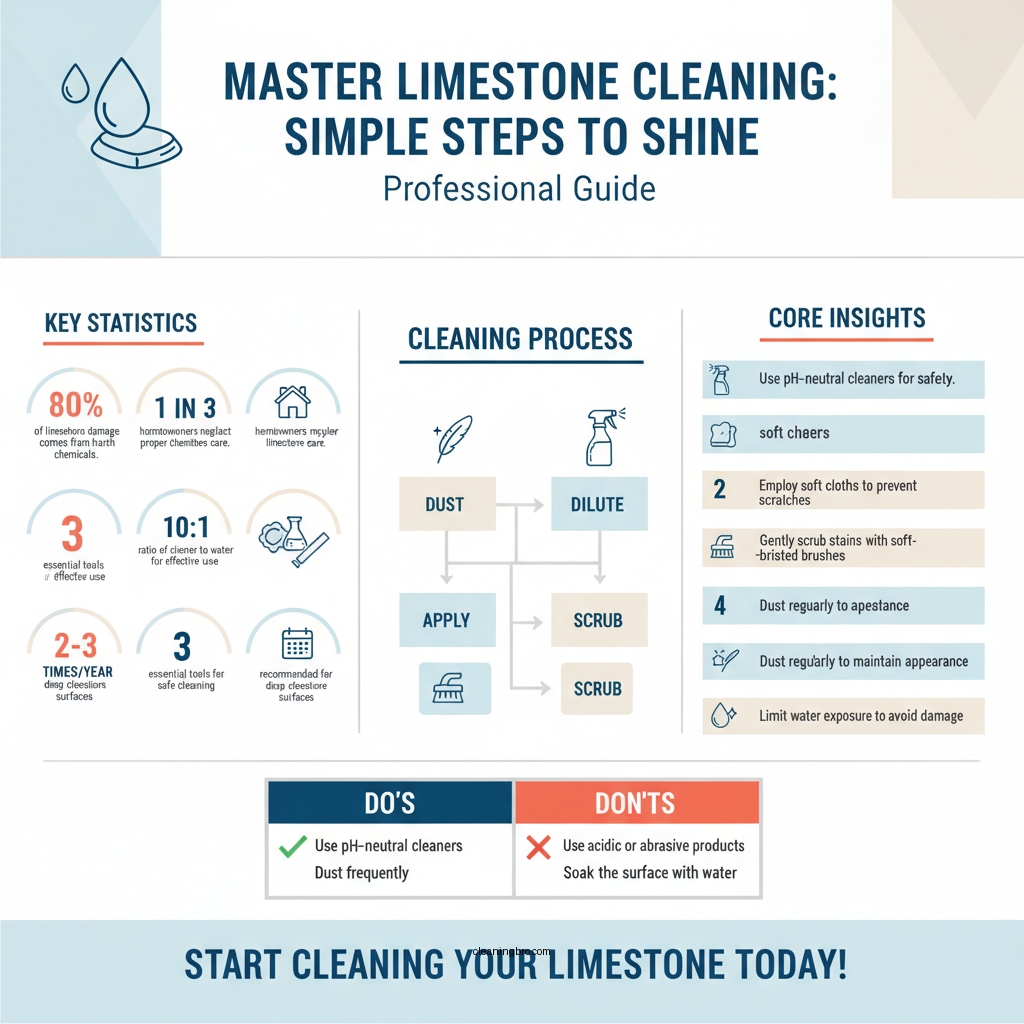
1. Dusting or Sweeping: Start by removing any loose dirt or debris from the limestone surface. A soft broom or microfiber duster works well to prevent scratching.
2. Dilute the Cleaner: Mix a pH-neutral stone cleaner with water according to the manufacturer’s instructions. Typically, a solution of one part cleaner to ten parts water is effective.
3. Apply the Solution: Use a soft cloth or mop to apply the diluted cleaner evenly across the surface. Avoid soaking the limestone, as excess water can penetrate the stone.
4. Gentle Scrubbing: For areas with stains or marks, gently scrub using a soft-bristled brush. Be careful not to use too much pressure, as this can cause scratches.
5. Rinse Thoroughly: After cleaning, rinse the surface with clean water to remove any residual cleaner.
6. Dry the Surface: Finally, dry the limestone with a clean, soft cloth to prevent water spots and streaks.
Top 7 Limestone Cleaning Products (2024)
| # | Product Name | Type | pH Level | Best For |
|---|---|---|---|---|
| 1 | StoneTech Professional | Cleaner | 7.0 | Daily Cleaning |
| 2 | EcoClean | Eco-Friendly | 7.5 | Spot Cleaning |
| 3 | Zep Neutral pH | Cleaner | 7.0 | General Use |
| 4 | Aqua Mix | Stone Cleaner | 7.0 | Deep Cleaning |
| 5 | DuPont StoneTech | Professional | 6.5 | Overall Use |
| 6 | Simple Green | All-Purpose | 7.0 | Multi-Surface |
| 7 | Granite Gold | Cleaner | 7.0 | Daily Use |
Dealing with Stains and Tough Marks
Even with regular cleaning, limestone surfaces can develop stains from organic materials, oils, or other substances. Here’s how to handle different types of stains effectively:
– Organic Stains: For stains caused by food, beverages, or plant materials, a paste made from baking soda and water can be effective. Mix baking soda with just enough water to form a thick paste, apply it to the stain, and let it sit for about 30 minutes before rinsing it off with warm water.
– Oil-Based Stains: These stains are more stubborn and require a different approach. Use a poultice, which is a paste made of a sorbent material (like baking soda or diatomaceous earth) mixed with a cleaning agent (like acetone or mineral spirits). Spread the poultice over the stain and cover it with plastic wrap. Leave it to sit for 24 hours, allowing it to absorb the stain, then remove and rinse the area.
– General Stains and Marks: For light marks, a soft cloth dampened with the pH-neutral cleaner can often lift the stain without much effort. Always test any cleaner on a small, inconspicuous area first to ensure it does not damage the surface.
Regular Maintenance Tips
Maintaining limestone surfaces is essential for prolonging their life and appearance. Here are some effective maintenance tips:
– Sealing: Limestone should be sealed every 6 to 12 months. A high-quality stone sealer can prevent moisture and stains from penetrating the surface. Choose a penetrating sealer that is suitable for limestone.
– Immediate Spill Cleanup: Promptly wipe up spills to prevent them from soaking into the stone. Use a soft cloth and avoid scrubbing, which can risk damaging the surface.
– Regular Dusting: Dust limestone surfaces frequently with a microfiber cloth to prevent dirt from accumulating.
– Avoid Harsh Chemicals: Always steer clear of vinegar, lemon, or any acidic cleaners that can etch the surface of the stone. Stick to neutral pH cleaners that are specifically designed for limestone.
– Use Mats: In high-traffic areas, consider placing mats to protect the flooring from dirt and debris that can scratch the limestone surface.
Best Limestone Cleaners: StoneTech vs EcoClean vs Zep Neutral
| Feature | ⭐ StoneTech | EcoClean | Zep Neutral |
|---|---|---|---|
| Price | $20.99 | $18.50 | $15.99 |
| pH Level | 7.0 | 7.5 | 7.0 |
| Eco-Friendly | ❌ | ✅ | ❌ |
| Best for | Daily Cleaning | Spot Cleaning | General Use |
| Residue-Free | ✅ | ✅ | ✅ |
| Application Method | Spray | Spray | Pump |
| Streak-Free Finish | ✅ | ❌ | ✅ |
| Quick Drying | ✅ | ✅ | ✅ |
| Versatile Use | ✅ | ✅ | ✅ |
| 🏆 Best For | Daily Use | Eco-Conscious Users | Budget-Conscious Users |
When to Seek Professional Help
While regular cleaning and maintenance can keep limestone surfaces looking their best, there are instances where professional help is advisable. If you notice significant wear, deep stains, or etching that regular cleaning cannot address, consulting a professional stone cleaner is the best course of action. Professionals have access to specialized equipment and cleaning solutions that can restore the limestone to its original state without causing further damage.
Additionally, if your limestone surfaces are in high-traffic areas or have been subjected to harsh conditions, routine professional cleaning can be beneficial in extending the lifespan of the stone. Regular maintenance by professionals, ideally once or twice a year, can help prevent the buildup of dirt and grime that household products may not remove effectively.
Cleaning limestone doesn’t have to be daunting; with the right techniques and products, you can keep it looking beautiful and well-maintained. By following the steps outlined above, you can ensure your limestone surfaces remain in excellent condition for years to come. Don’t hesitate to implement these cleaning tips and maintain the elegance of your limestone!
Frequently Asked Questions
What is the best way to clean limestone surfaces?
The best way to clean limestone surfaces is to use a solution of warm water and a pH-neutral cleaner designed for natural stone. Avoid acidic or abrasive cleaners, as they can damage the limestone. Gently scrub the surface with a soft cloth or sponge and rinse thoroughly with clean water to prevent residue buildup.
How do you remove stains from limestone?
To remove stains from limestone, first identify the type of stain, as different stains require different treatments. For organic stains like food or drink, a mixture of hydrogen peroxide and a few drops of dish soap can be effective. Apply the solution, let it sit for a few minutes, and then gently scrub the area before rinsing with water.
Why is it important to use pH-neutral cleaners on limestone?
It is important to use pH-neutral cleaners on limestone because acidic or alkaline substances can etch or damage the stone’s surface. Limestone is sensitive to pH levels, and using the wrong cleaner can lead to discoloration and deterioration. Maintaining the correct pH balance helps preserve the stone’s natural beauty and longevity.
Which tools are safe for cleaning limestone without causing damage?
Safe tools for cleaning limestone include soft cloths, microfiber towels, and non-abrasive sponges. Avoid using steel wool, brushes with stiff bristles, or any abrasive materials that can scratch or dull the surface. Using gentle tools will help maintain the integrity of your limestone surfaces while effectively cleaning them.
How often should you clean limestone floors and countertops?
You should clean limestone floors and countertops at least once a week to prevent dirt and grime buildup. For high-traffic areas or surfaces that see frequent use, a more regular cleaning schedule may be necessary. Additionally, it’s a good idea to perform a deeper clean every few months, using appropriate limestone-safe products to ensure the stone stays in optimal condition.
References
- Limestone
https://en.wikipedia.org/wiki/Limestone - https://www.sciencedirect.com/topics/earth-and-planetary-sciences/limestone
https://www.sciencedirect.com/topics/earth-and-planetary-sciences/limestone - https://pubmed.ncbi.nlm.nih.gov/31772138/
https://pubmed.ncbi.nlm.nih.gov/31772138/ - Limestone | Characteristics, Formation, Texture, Uses, & Facts | Britannica
https://www.britannica.com/science/limestone - Live single-cell laser tag | Nature Communications
https://www.nature.com/articles/ncomms11636 - https://www.cdc.gov/niosh/nioshtic-2/20036332.html
https://www.cdc.gov/niosh/nioshtic-2/20036332.html - https://www.nytimes.com/2020/06/12/style/cleaning-limestone.html
https://www.nytimes.com/2020/06/12/style/cleaning-limestone.html - https://www.hgtv.com/how-to/how-to-clean-limestone
https://www.hgtv.com/how-to/how-to-clean-limestone - Google Scholar Google Scholar
https://scholar.google.com/scholar?q=cleaning+limestone - Google Scholar Google Scholar
https://scholar.google.com/scholar?q=limestone+maintenance+care