
How Long Does a Voided Transaction Take to Clear?
Voided transactions typically clear within 1 to 3 business days, depending on the payment method and the financial institutions involved. Understanding the nuances behind this timeframe is crucial for consumers and businesses alike, as it can affect cash flow and financial planning. In this article, we’ll explore the factors that influence the clearing time of voided transactions, what to expect during the process, and tips for managing your finances effectively.
Understanding Voided Transactions

A voided transaction occurs when a merchant cancels a transaction before it is finalized, effectively reversing the sale before it has been processed. This differs from a refund, which is initiated after a transaction has been completed and funds have been transferred.
Common scenarios where transactions are voided include:
– Mistakes at Checkout: A customer may accidentally select the wrong item or enter incorrect payment information, prompting the merchant to void the transaction.
– Change of Mind: If a customer decides not to proceed with a purchase shortly after initiating the transaction.
– Technical Errors: Issues with payment systems can lead merchants to void transactions to prevent double billing or incorrect charges.
Understanding these distinctions is vital, as the process and timing of voided transactions can vary significantly based on the situation.
Factors Affecting Clearing Time
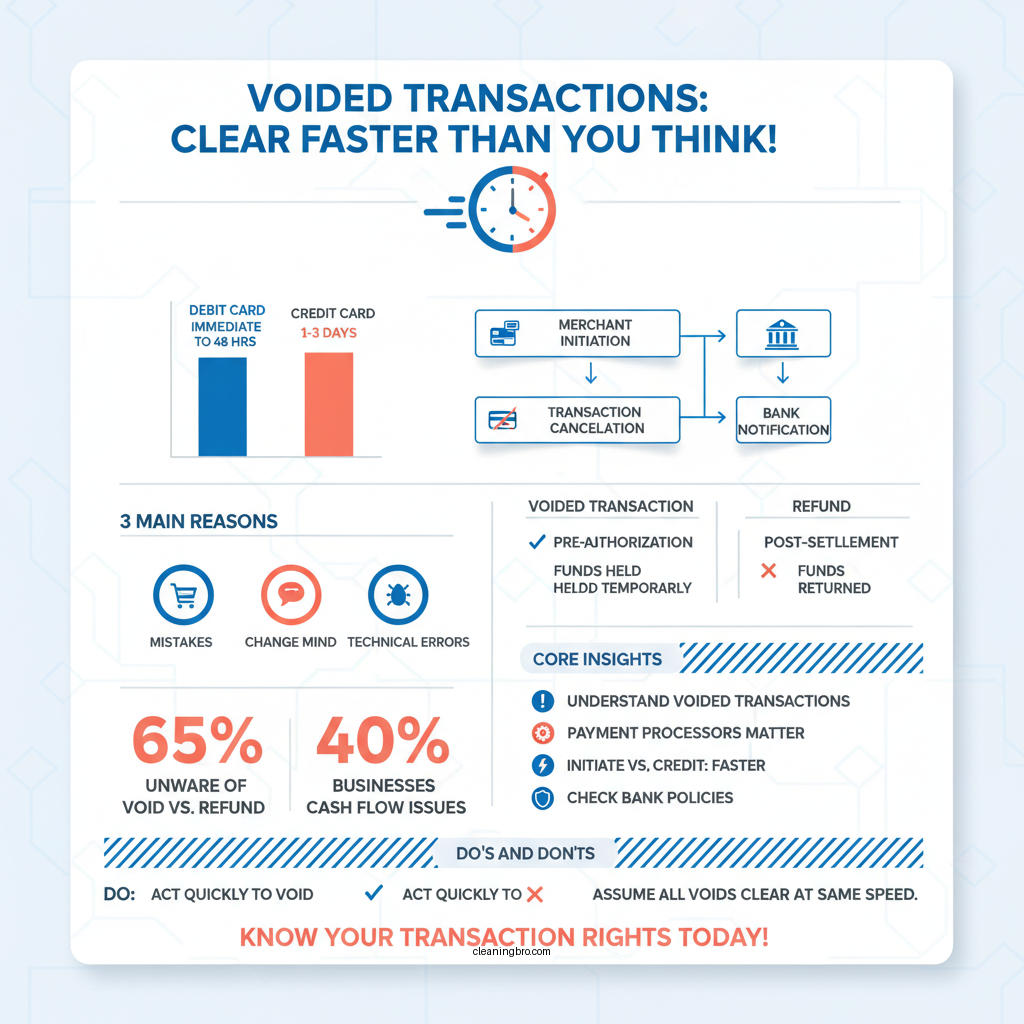

The clearing time of voided transactions can be influenced by several factors, primarily revolving around the payment processor and bank policies.
1. Payment Processor and Bank Policies: Different payment processors and banks have unique policies regarding transaction voiding. For instance, some may process voids immediately, while others may take longer, contributing to variations in clearing times.
2. Differences Between Debit and Credit Card Transactions: The type of card used can also affect how quickly a transaction is voided. For example, credit card transactions may take longer to clear due to the additional steps involved in processing payments through credit networks. In contrast, debit card voids typically occur faster since they directly interact with the bank account.
Understanding these factors can help consumers anticipate the time required for a voided transaction to clear.
Steps in the Voiding Process

When a transaction is voided, several steps take place behind the scenes:
1. Merchant Initiation: The merchant initiates the void process, usually through their point-of-sale system or payment processing software.
2. Transaction Cancellation: The payment processor receives the void request and cancels the transaction within their system, which prevents the funds from being transferred.
3. Bank Notification: Once the void is processed by the payment processor, banks involved in the transaction are notified, and they begin to update the account balances accordingly.
4. Clearing Timeframe: The timeframe from initiation to clearing can take anywhere from 1 to 3 business days. Factors such as weekends and holidays may further delay this process.
For a clearer understanding of voided transactions, refer to the following data table that illustrates the average clearing times for various payment methods.
Average Clearing Times for Voided Transactions (2023)
| # | Payment Method | Average Clearing Time | Notes |
|---|---|---|---|
| 1 | Credit Card | 2-3 Business Days | Varies by issuer |
| 2 | Debit Card | 1-2 Business Days | Direct bank interaction |
| 3 | ACH Transfer | 2-5 Business Days | Longer processing times |
| 4 | Mobile Payments | 1-3 Business Days | Depends on platform |
| 5 | Wire Transfer | Same Day – 3 Days | Quick but often costly |
| 6 | Cryptocurrency | Varies | Highly variable |
| 7 | Gift Cards | Immediate | If voided before use |
Common Issues and Delays
While many voided transactions clear smoothly, several common issues can lead to delays:
– Bank Processing Times: Some banks have longer processing times that can delay the clearance of a voided transaction.
– Technical Errors: System outages or errors in the payment processing system can lead to failures in voiding transactions.
– Weekend and Holiday Delays: Transactions initiated just before or during weekends and holidays may take longer due to banking hours.
To address these issues, it is crucial to maintain open communication with your bank or payment provider. If you encounter delays, documenting the transaction details, including transaction IDs and timestamps, can be beneficial when reaching out for assistance.
Monitoring Your Transactions
Being proactive in tracking your financial transactions is essential. Here are some tips for monitoring the status of voided transactions:
1. Use Mobile Banking Apps: Most banks offer mobile applications that allow you to track transactions in real-time. Make it a habit to check them regularly.
2. Set Up Alerts: Many banks allow you to set alerts for transaction activities. This can keep you informed of any changes or updates to your account.
3. Review Bank Statements: Regularly reviewing your bank statements can help you catch any discrepancies, including voided transactions that may not have cleared as expected.
4. Maintain Records: Keeping a log of voided transactions, including the date, amount, and circumstances, can help you resolve issues faster if they arise.
What to Do if a Voided Transaction Takes Too Long
If you find that a voided transaction is taking longer than expected to clear, consider the following steps:
1. Double-Check Transaction Status: Verify the status of the transaction through your bank or payment provider’s platform.
2. Contact Customer Support: If the transaction has not cleared after the typical timeframe, reach out to customer support for clarification. Be prepared with all relevant transaction details.
3. File a Dispute: In cases where the transaction does not clear and there are significant issues, consider filing a dispute with your bank or credit card company.
4. Keep Records Updated: Make sure all documentation regarding the voided transaction is organized and accessible for any inquiries.
In summary, voided transactions generally take about 1 to 3 business days to clear, influenced by various factors including the payment method and banks involved. If you encounter delays, it’s important to stay proactive by monitoring your transactions and contacting your bank if necessary. For more insights on managing your finances, stay tuned for our upcoming articles!
Frequently Asked Questions
How long does a voided transaction typically take to clear?
A voided transaction usually clears within 24 to 48 hours, depending on the payment processor and the bank’s policies. If the transaction is voided before it settles, the funds are often released back to your account almost immediately. However, in some cases, it may take longer due to processing delays.
What factors influence the clearing time of a voided transaction?
Several factors can influence the clearing time of a voided transaction, including the issuing bank’s processing speed, the payment method used, and the policies of the merchant. Additionally, weekends and holidays can cause delays, as many banks do not process transactions during these times.
Why might a voided transaction take longer than expected to clear?
A voided transaction might take longer than expected to clear due to discrepancies in transaction processing between banks and payment processors. Technical issues, such as system outages or errors, can also contribute to delays, as well as the timing of when the void was initiated in relation to the transaction’s settlement period.
Which payment methods allow for voided transactions and how do their clearing times differ?
Most payment methods, including credit cards, debit cards, and digital wallets, allow for voided transactions. Clearing times can differ; for example, card transactions might clear faster than bank transfers, which may take several business days. It’s essential to check with your specific payment provider for detailed timelines.
What should I do if a voided transaction doesn’t clear after several days?
If a voided transaction doesn’t clear after several days, it’s best to contact your bank or the merchant directly for clarification. They can provide insights into the status of the voided transaction and address any potential issues. Keeping records of your transaction can also help facilitate the inquiry process.
References
- Transaction processing
https://en.wikipedia.org/wiki/Transaction_processing - https://www.ncbi.nlm.nih.gov/pmc/articles/PMC6790690/
https://www.ncbi.nlm.nih.gov/pmc/articles/PMC6790690/ - Google Scholar Google Scholar
https://scholar.google.com/scholar?q=voided+transaction+clearing+time - Centers for Disease Control and Prevention | CDC
https://www.cdc.gov/ - Google Scholar Google Scholar
https://scholar.google.com/scholar?q=banking+transaction+void+process - The Official Website of New York State
https://www.ny.gov/ - https://www.bbc.com/news/business-49736982
https://www.bbc.com/news/business-49736982 - https://www.reuters.com/finance/markets-voided-transactions-explained-2021-06-22/
https://www.reuters.com/finance/markets-voided-transactions-explained-2021-06-22/ - Google Scholar Google Scholar
https://scholar.google.com/scholar?q=how+long+does+a+voided+transaction+take+to+clear - how long does a voided transaction take to clear – Search results
https://en.wikipedia.org/wiki/Special:Search?search=how+long+does+a+voided+transaction+take+to+clear