How Often Should You Clean Your Retainer?
Cleaning your retainer daily is crucial for maintaining oral hygiene and preventing bacteria buildup. Neglecting this can lead to unpleasant odors and potential dental issues. To ensure your retainer remains in excellent condition, it is essential to establish a consistent cleaning routine. In this article, we’ll explore the best practices for cleaning your retainer, how often to do it, and additional tips for keeping your retainer in optimal condition.
Importance of Cleaning Your Retainer

Cleaning your retainer is vital for several reasons. Firstly, it prevents bacteria and plaque buildup, which can lead to oral health issues such as gum disease, cavities, and bad breath. Retainers can harbor harmful bacteria that multiply in the warm and moist environment of your mouth. Secondly, regular cleaning maintains the clarity and appearance of clear retainers, ensuring they remain aesthetically pleasing. A well-maintained retainer not only functions better but also contributes positively to your overall dental health.
Moreover, neglecting to clean your retainer can result in discoloration and an unpleasant taste, making it uncomfortable to wear. Therefore, developing a routine for cleaning your retainer should be a priority in your oral hygiene regimen.
Daily Cleaning Routine
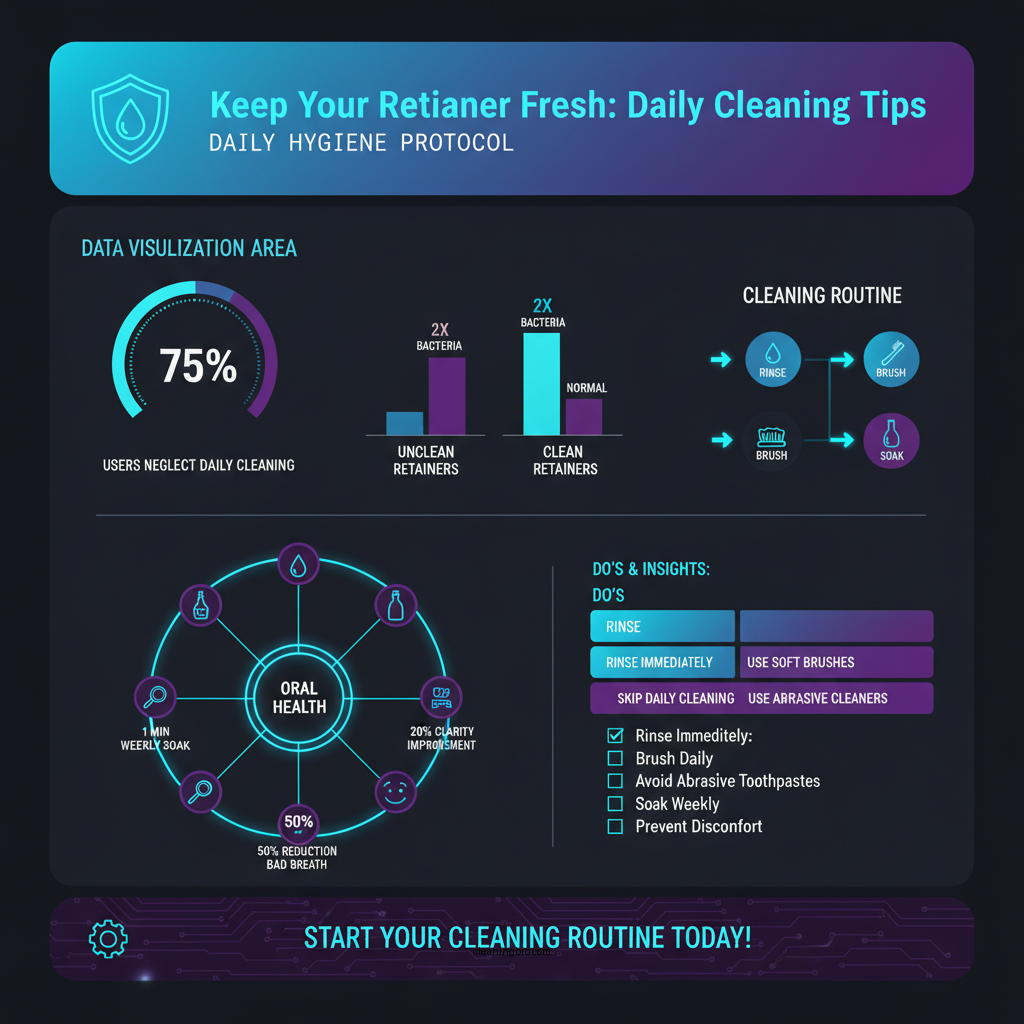
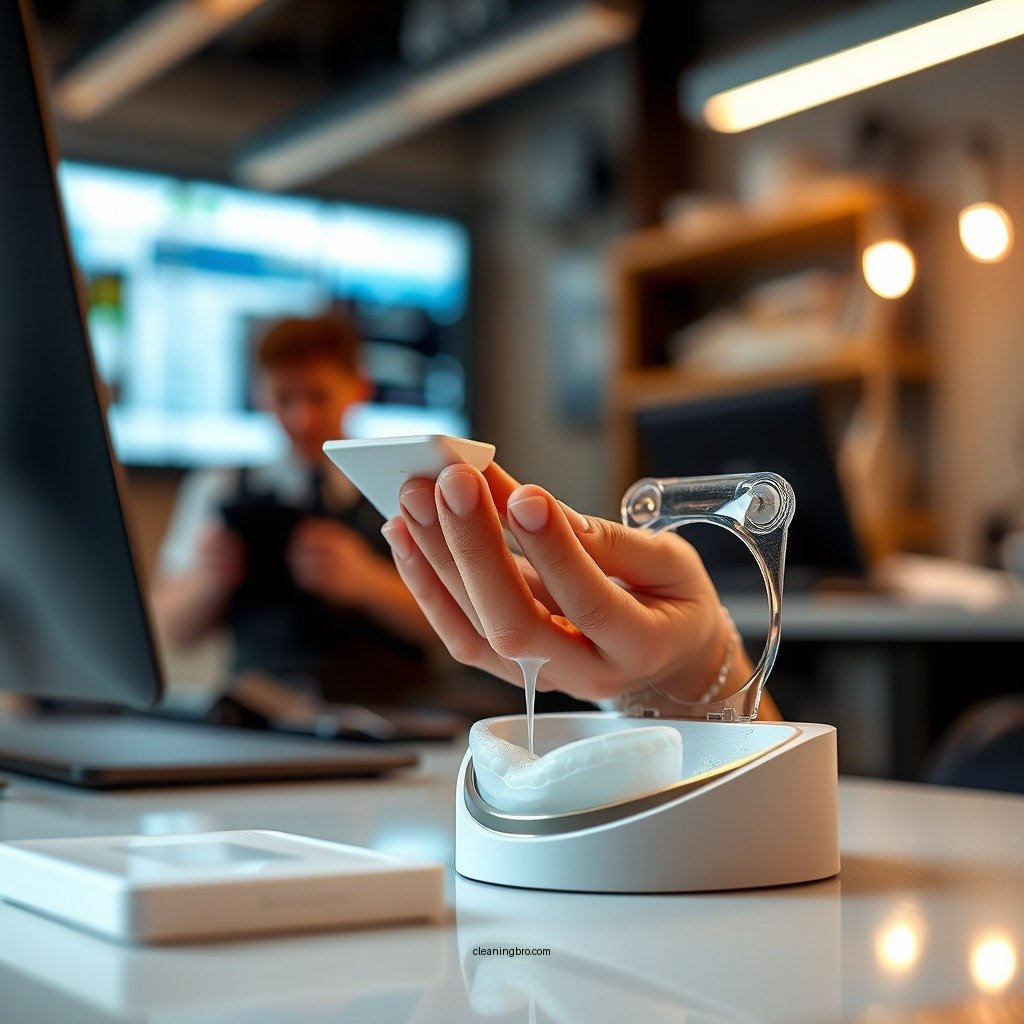
To keep your retainer clean and free of harmful bacteria, follow a daily cleaning routine. Here are some effective steps to incorporate into your regimen:
– Rinse Immediately: Each time you remove your retainer, rinse it thoroughly under warm water. This helps to remove any food particles and saliva that may have accumulated.
– Use a Soft Toothbrush: Gently brush your retainer with a soft-bristled toothbrush. Avoid using toothpaste that contains strong abrasives, as they can scratch the surface of your retainer. Instead, opt for a mild soap or a specialized retainer cleaner.
– Brush Daily: Make it a habit to clean your retainer at least once a day. This will help prevent any buildup of plaque or bacteria and keep your retainer in a hygienic state.
Incorporating these steps into your daily routine will not only extend the life of your retainer but also promote better oral health.
Weekly Deep Cleaning
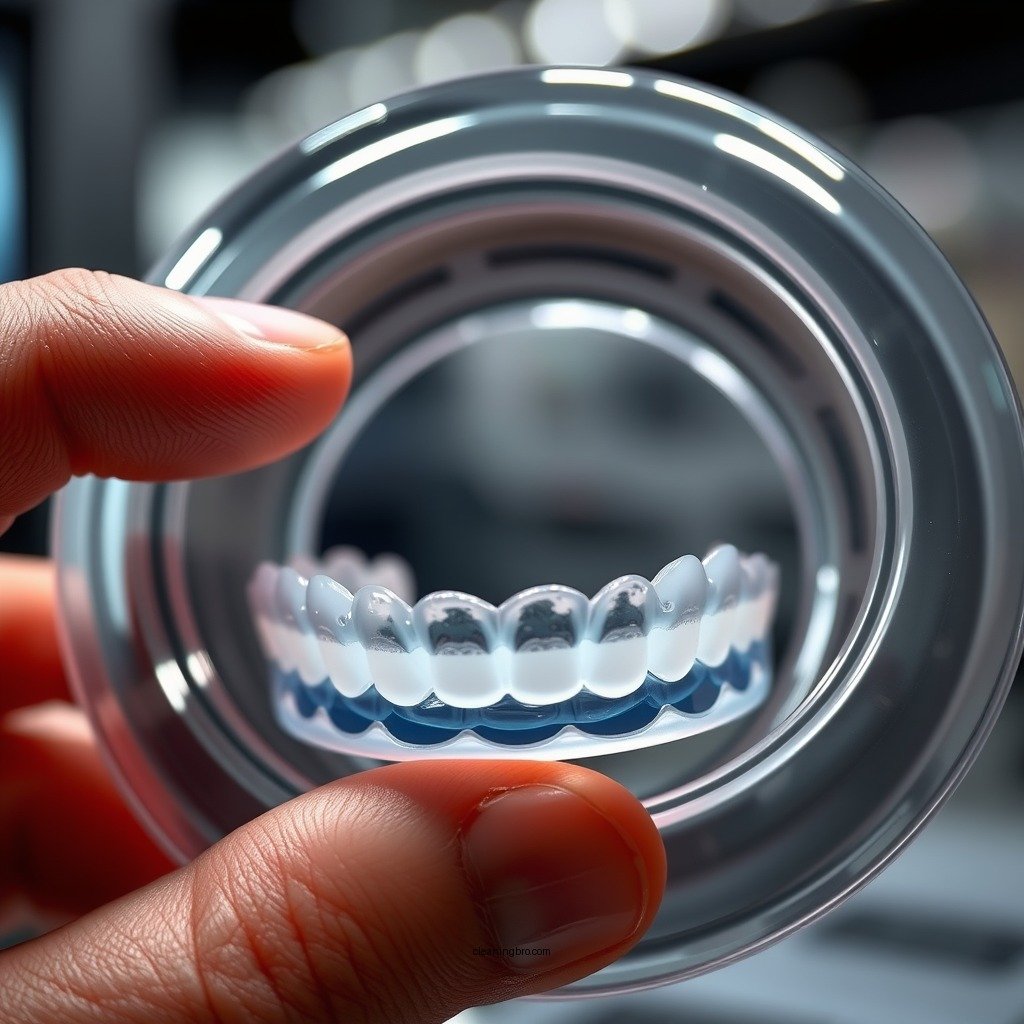
In addition to your daily cleaning routine, it’s essential to perform a more thorough cleaning once a week. This deep cleaning can eliminate any stubborn bacteria and odors that may have developed. Here are some effective methods:
– Soaking Solution: Soak your retainer in a cleaning solution or a mixture of equal parts water and white vinegar for about 30 minutes. Vinegar is a natural disinfectant and is effective in removing buildup and odors.
– Effervescent Cleaning Tablets: Consider using effervescent cleaning tablets specifically designed for dental appliances. These tablets can be dissolved in water and provide a deep clean while also eliminating odors.
– Avoid Harsh Chemicals: Always steer clear of bleach or harsh cleaning agents, as these can damage the material of your retainer.
By implementing a weekly deep cleaning routine, you can ensure your retainer remains fresh and free from harmful bacteria.
Best Practices for Cleaning Retainers
| # | Cleaning Method | Frequency | Effectiveness |
|---|---|---|---|
| 1 | Warm Water Rinse | Every Use | Good |
| 2 | Soft Toothbrush & Soap | Daily | Excellent |
| 3 | Vinegar Soak | Weekly | Very Good |
| 4 | Effervescent Tablets | Weekly | Excellent |
| 5 | Ultrasonic Cleaner | Monthly | Superior |
| 6 | Dental Professional Cleaning | Every 6 Months | Optimal |
| 7 | Hydrogen Peroxide Rinse | Bi-weekly | Good |
Signs Your Retainer Needs More Attention
Even with a regular cleaning routine, certain signs may indicate that your retainer requires more attention. Here are some common indicators:
– Noticeable Odors: If you detect an unpleasant smell emanating from your retainer, it’s a clear sign that bacteria are present and need to be addressed.
– Discoloration: Stains or a yellowing appearance can indicate the buildup of plaque or other particles. This may affect the retainer’s clarity and aesthetics.
– Rough Texture: If your retainer feels rough or has developed a gritty surface, this could be due to tartar buildup, which requires immediate cleaning.
– Fit Issues: If the retainer feels loose or uncomfortable, it may not only be a sign of wear but also of inadequate cleaning. Bacteria can erode the surface over time, affecting its fit.
If you notice any of these signs, it’s crucial to increase the frequency of your cleaning routine or consult your orthodontist for further guidance.
Tips for Maintaining Your Retainer
Proper maintenance of your retainer extends beyond regular cleaning. Here are some additional tips to ensure it remains in optimal condition:
– Store Properly: Always keep your retainer in a protective case when it’s not in use. This protects it from damage and prevents contamination with harmful bacteria.
– Avoid Hot Water: When cleaning your retainer, use lukewarm water. Hot water can warp the material, leading to a poor fit.
– Steer Clear of Harsh Chemicals: Avoid using bleach or strong cleaning agents that could damage your retainer. Stick to gentle, recommended cleaning solutions.
– Regular Check-ups: Schedule regular visits with your orthodontist to ensure your retainer is in good condition and fits properly.
By following these maintenance tips, you can prolong the life of your retainer and safeguard your oral health.
Top Cleaning Methods for Retainers
| Feature | ⭐ Warm Water & Soap | Vinegar Soak | Effervescent Tablets |
|---|---|---|---|
| Ease of Use | ✅ Very Easy | ✅ Easy | ✅ Easy |
| Cost | Low | Very Low | Moderate |
| Disinfection | ✅ Good | ✅ Very Good | ✅ Excellent |
| Odor Removal | ✅ Good | ✅ Excellent | ✅ Very Good |
| Time Required | 5 minutes | 30 minutes | 10 minutes |
| Frequency | Daily | Weekly | Weekly |
| Effectiveness | ✅ Good | ✅ Very Good | ✅ Excellent |
| Safety | ✅ Safe | ✅ Safe | ✅ Safe |
| Environmental Impact | ✅ Low | ✅ Low | ✅ Moderate |
| 🏆 Best For | Daily Maintenance | Deep Cleaning | Convenience |
When to Replace Your Retainer
Despite proper care, there may come a time when you need to replace your retainer. Here are some factors to consider:
– Signs of Wear: If your retainer shows signs of wear such as cracks, chips, or significant discoloration, it may be time for a replacement.
– Fit Issues: Regularly assess the fit of your retainer. If it feels loose or uncomfortable, it may no longer be effective in maintaining your dental alignment and should be evaluated by your orthodontist.
– Age of Retainer: Retainers can wear out over time. If yours is several years old, consult your orthodontist to determine if a replacement is necessary.
– Health Changes: If you experience significant changes in your dental health, such as tooth movement or gum recession, your retainer might need to be adjusted or replaced to accommodate these changes.
If you notice any of these signs, it is advisable to reach out to your orthodontist for personalized advice.
Regularly cleaning your retainer is essential for maintaining good oral health and ensuring its longevity. By establishing a daily and weekly cleaning routine, you can prevent issues and keep your retainer in excellent condition. For personalized advice or if you have any concerns about your retainer, don’t hesitate to contact your orthodontist. Proper care will ensure that your retainer continues to serve its purpose effectively, allowing you to maintain your beautiful smile for years to come.
Frequently Asked Questions
How often should I clean my retainer?
You should clean your retainer daily to prevent the buildup of plaque and bacteria. Using a soft toothbrush and mild soap or a specialized retainer cleaner can help maintain its hygiene and prolong its lifespan.
What is the best way to clean my retainer?
The best way to clean your retainer is to use a non-abrasive toothbrush and a gentle cleanser, such as dish soap or a retainer-specific cleaning solution. Avoid using hot water, as it can warp the retainer, and never use toothpaste, which can scratch the surface.
Why is it important to clean my retainer regularly?
Regular cleaning of your retainer is crucial to prevent bad breath, gum disease, and unwanted odors. A dirty retainer can harbor bacteria and plaque, which can compromise your oral hygiene and negate the benefits of orthodontic treatment.
How can I tell if my retainer needs cleaning?
You can tell if your retainer needs cleaning if you notice a cloudy appearance, an unpleasant odor, or a rough texture. Additionally, if you experience discomfort or changes in your oral health, it may indicate that your retainer requires a thorough cleaning.
Which cleaning products are safe for my retainer?
Safe cleaning products for your retainer include gentle dish soap, specialized retainer cleaners, or a mixture of vinegar and water. Avoid harsh chemicals and bleach, as these can damage the material and affect your oral health.
References
- https://www.mayoclinic.org/healthy-lifestyle/oral-health/in-depth/orthodontic-retainers/art-20369240
https://www.mayoclinic.org/healthy-lifestyle/oral-health/in-depth/orthodontic-retainers/art-20369240 - https://www.nidcr.nih.gov/health-info/orthodontics/retain-your-smile
https://www.nidcr.nih.gov/health-info/orthodontics/retain-your-smile - https://www.cdc.gov/oralhealth/publications/oral-health-surveillance-report/orthodontic-care.html
https://www.cdc.gov/oralhealth/publications/oral-health-surveillance-report/orthodontic-care.html - https://www.health.harvard.edu/staying-healthy/cleaning-your-retainer
https://www.health.harvard.edu/staying-healthy/cleaning-your-retainer - https://www.ncbi.nlm.nih.gov/pmc/articles/PMC6461394/
https://www.ncbi.nlm.nih.gov/pmc/articles/PMC6461394/ - Oral health
https://www.who.int/news-room/fact-sheets/detail/oral-health - Google Scholar Google Scholar
https://scholar.google.com/scholar?q=how+often+should+you+clean+your+retainer - Google Scholar Google Scholar
https://scholar.google.com/scholar?q=retainer+cleaning+frequency - Google Scholar Google Scholar
https://scholar.google.com/scholar?q=retainers+oral+health+guidelines - how often should you clean your retainer – Search results
https://en.wikipedia.org/wiki/Special:Search?search=how+often+should+you+clean+your+retainer