How Often Should You Clean Guns: A Comprehensive Guide
Cleaning your guns regularly is crucial for ensuring their proper functioning and longevity. Generally, firearms should be cleaned after every use, but factors like the type of gun, frequency of use, and storage conditions also play important roles in determining cleaning frequency. In this article, we’ll explore the best practices for gun maintenance and provide you with guidelines on when and how often to clean your firearms.
Importance of Cleaning Your Gun
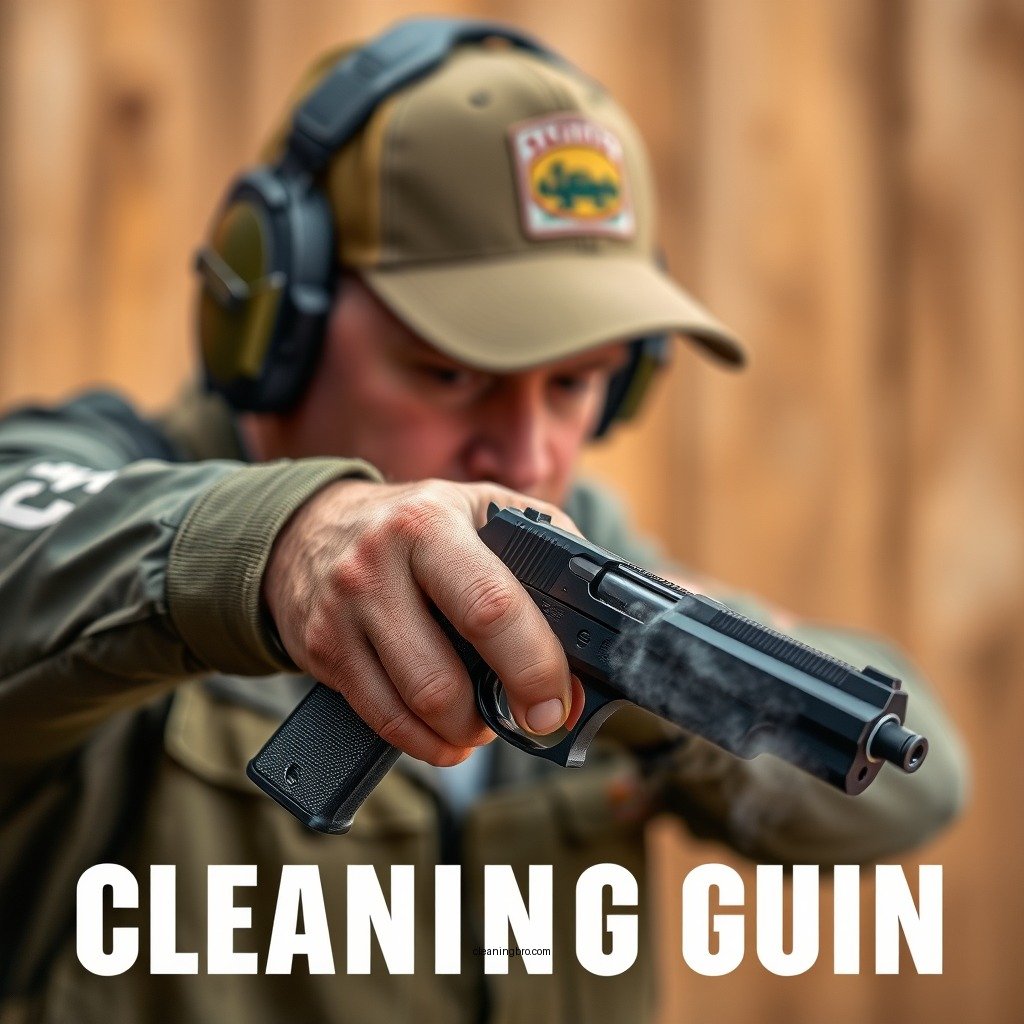
Cleaning your firearm is not merely a recommendation; it is a necessity that influences the firearm’s performance and safety. Regular cleaning serves several pivotal purposes:
– Prevents rust and corrosion: Firearms are primarily made of metal, which is susceptible to rust when exposed to moisture and neglect. Regular cleaning removes residues and oils that can attract moisture, helping to maintain the integrity of metal surfaces.
– Enhances performance: A clean firearm operates more reliably and accurately. Buildup of dirt, powder, and fouling can impede the movement of moving parts, leading to jams or misfires. Regular cleaning ensures that the firearm functions as designed and maintains its accuracy.
– Safety: The risk of malfunctions can lead to dangerous situations. A clean firearm is less likely to experience issues that could result in accidental discharges or failure to fire when needed. Regular cleaning is a proactive measure to ensure that your firearm operates safely.
Factors Influencing Cleaning Frequency
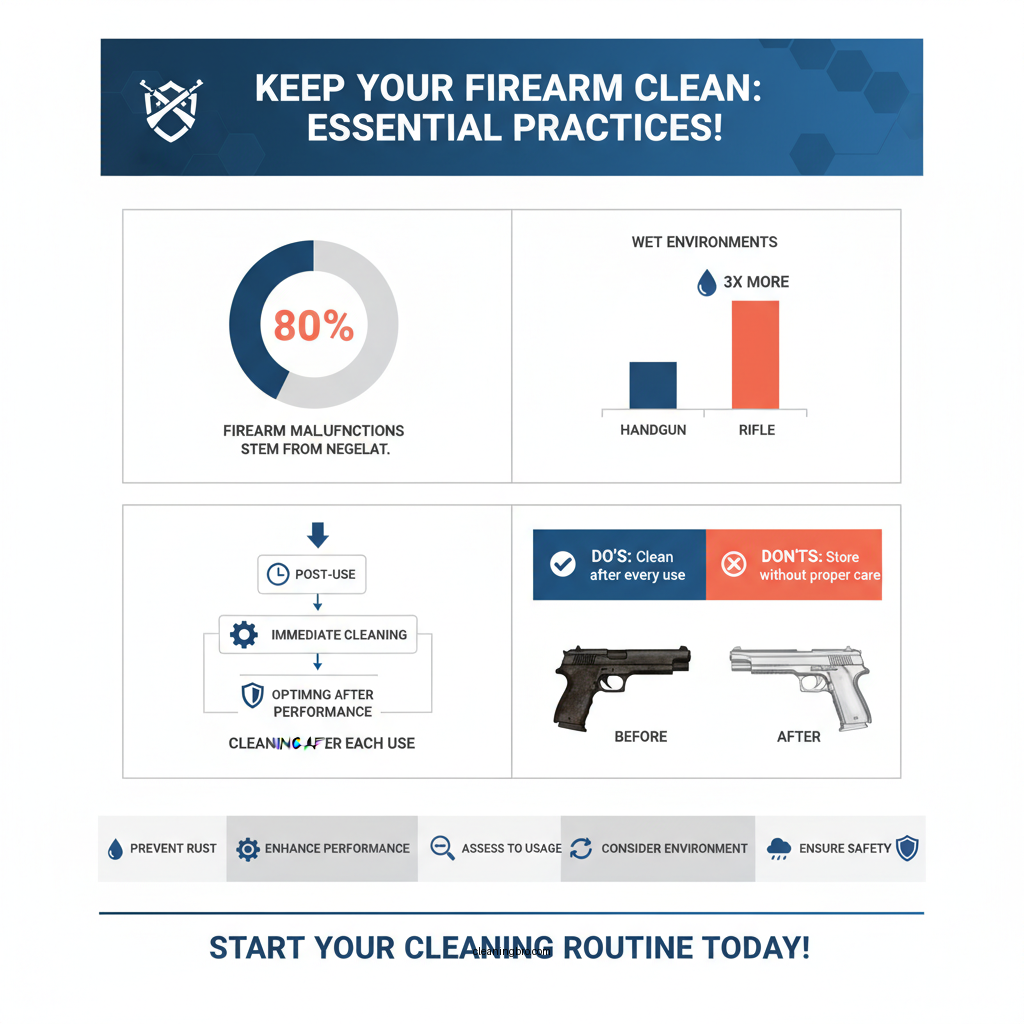
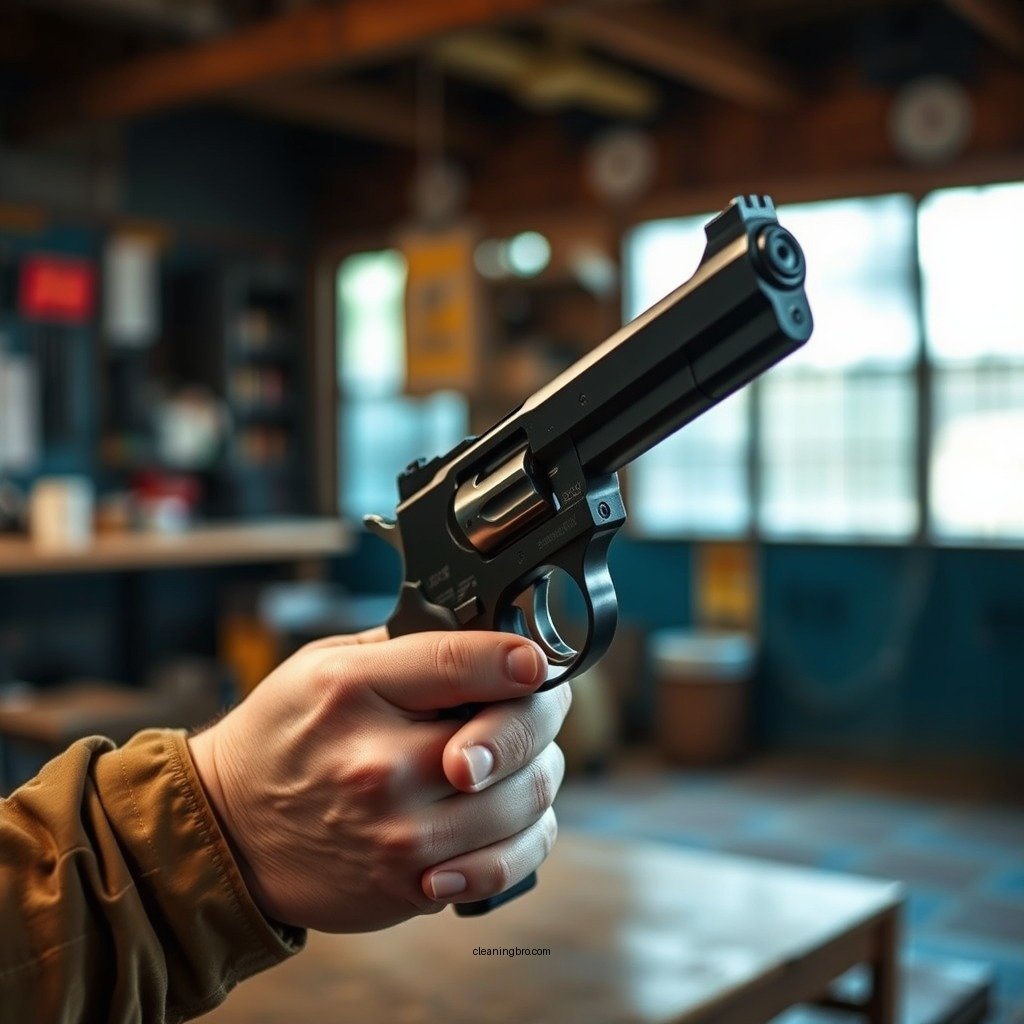
Several factors dictate how often a firearm should be cleaned. Understanding these can help you develop an appropriate cleaning regimen.
– Type of firearm: Different firearms have distinct cleaning requirements based on their design and materials. For example, a semi-automatic handgun may require more frequent cleaning than a bolt-action rifle due to the different mechanisms involved in operation.
– Usage patterns: The frequency of use directly correlates with how often you should clean your firearm. If you shoot regularly, especially with high volumes of ammunition, you should clean your gun after each use to prevent buildup.
– Environmental conditions: Firearms used in harsh conditions, such as rain or snow, or stored in humid environments may require more frequent cleaning. Moisture can lead to rust, while dirt and debris can accumulate more rapidly in such situations.
Cleaning After Each Use
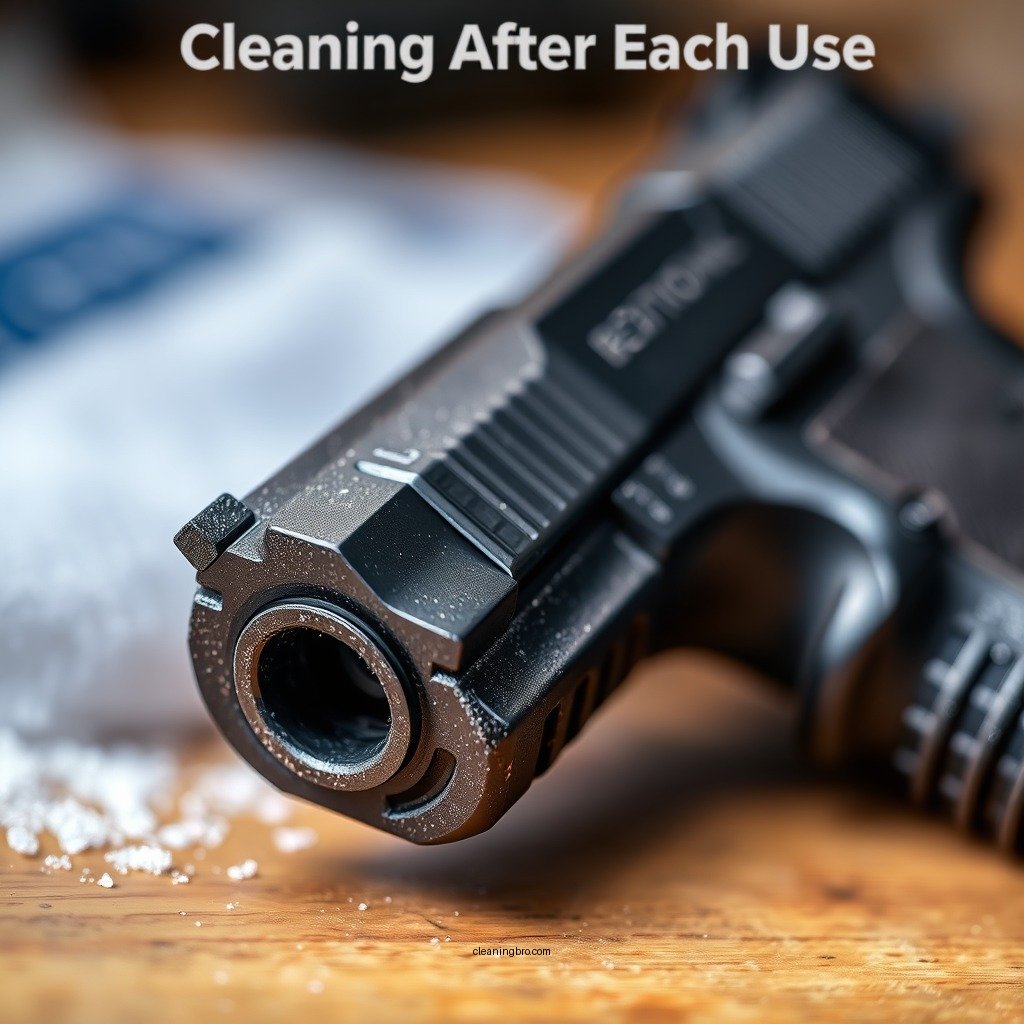
Cleaning your firearm immediately after use is the best practice. This ensures that any residues, such as gunpowder and grease, are removed before they have the chance to harden.
– Immediate cleaning: After you finish shooting, allow your firearm to cool down and then clean it. This entails disassembling the firearm, cleaning the barrel and other components, and lubricating moving parts as necessary.
– Preventative care: Regular cleaning prevents the buildup of dirt and fouling that can affect performance over time. It is advisable to inspect your firearm for any signs of wear or damage during cleaning, which can help identify potential issues before they escalate.
Long-Term Storage Considerations
When storing firearms for extended periods, special considerations must be taken into account to ensure they remain in optimal condition.
– Pre-storage cleaning: Always clean your gun before putting it away for an extended period. This protects it from moisture and dust that can accumulate in storage.
– Use of preservatives: Consider applying a protective coating or oil to the firearm’s metal surfaces. These products create a barrier against moisture and corrosion, safeguarding your firearm during storage.
Specialized Cleaning for Different Firearm Types
Different types of firearms require distinct cleaning techniques tailored to their unique features.
– Handguns: Cleaning a semi-automatic handgun involves ensuring the slide, barrel, and magazine are clean. Revolvers may require additional attention to the cylinder and chambers, where debris can accumulate.
– Rifles: For rifles, barrel cleaning is paramount. It’s essential to use cleaning rods that do not damage the rifling and to ensure the bolt and action are free of residue.
– Shotguns: Shotguns should have their chambers and barrels cleaned thoroughly to prevent jams. Special attention should be paid to areas prone to fouling from wads and shot.
Top 7 Firearm Cleaning Supplies (2024)
| # | Product | Type | Usage | Price |
|---|---|---|---|---|
| 1 | Hoppe’s No. 9 Gun Cleaner | Liquid | All firearms | $8.99 |
| 2 | Break-Free CLP | Aerosol | Rifles/Handguns | $12.99 |
| 3 | M-Pro 7 Gun Cleaner | Liquid | All firearms | $9.95 |
| 4 | Otis Technology Cleaning Kit | Kit | Rifles/Shotguns | $39.99 |
| 5 | Hoppes 9 Boresnake | Cleaning Rope | Rifles/Handguns | $15.99 |
| 6 | Real Avid Gun Boss Pro | Kit | All firearms | $49.99 |
| 7 | Lucas Oil Extreme Gun Oil | Oil | All firearms | $11.99 |
Signs Your Gun Needs Cleaning
Knowing when to clean your firearm is just as important as knowing how to do it. Here are some key signs that indicate your gun requires cleaning:
– Decreased accuracy: If you notice a drop in performance, such as reduced accuracy while shooting, it may be time to clean your firearm. Buildup of dirt or fouling in the barrel can distort bullet trajectory.
– Jamming or misfires: Frequent malfunctions, such as jamming or misfires, are a clear indication that your firearm needs maintenance. These issues can be attributed to dirt and debris that obstruct moving parts.
– Visible dirt or residue: Any noticeable accumulation of dirt or residue indicates that your firearm needs immediate cleaning. Regular visual inspections can help catch issues early.
Best Practices for Gun Cleaning
To maintain the functionality and safety of your firearms, adopting best practices for cleaning is essential.
– Use appropriate tools: Invest in quality cleaning kits that are designed specifically for your type of firearm. This ensures you have the right brushes, rods, and solvents to effectively clean your gun.
– Follow a consistent routine: Establish a cleaning schedule that aligns with your usage habits. Regular cleaning will prevent buildup and ensure that your firearms are always ready for use.
– Consult manufacturer guidelines: Always refer to your firearm’s manual for specific cleaning instructions. Different models may have unique requirements, and following manufacturer recommendations will help preserve your warranty.
Basic Gun Cleaning Kits Comparison
| Feature | ⭐ Hoppe’s No. 9 | Break-Free CLP | Otis Technology |
|---|---|---|---|
| Cleaning Method | Liquid | Aerosol | Kit |
| Suitable For | All firearms | Rifles/Handguns | Rifles/Shotguns |
| Contains Lubricant | ✅ | ✅ | ✅ |
| Oil Type | Mineral | Synthetic | Synthetic |
| Non-toxic | ❌ | ✅ | ✅ |
| Scent | Strong | Mild | None |
| Shelf Life | 5 years | 2 years | 5 years |
| Price Range | $8.99 – $12.99 | $12.99 | $39.99 |
| Best For | General use | Rifles/Handguns | Comprehensive kit |
| 🏆 Best For | General maintenance | Convenience | Full cleaning solution |
Summarizing the importance and proper methods of cleaning firearms emphasizes that regular maintenance is key to both safety and performance. By understanding how often to clean your guns and following best practices, you can ensure your firearms stay in top shape. For more detailed cleaning techniques and recommendations, consider investing in a specialized cleaning kit or consulting with a professional.
Frequently Asked Questions
How often should I clean my gun after shooting?
It’s recommended to clean your gun immediately after shooting, especially if you used corrosive ammunition or fired in wet conditions. Regular cleaning helps prevent rust and buildup, ensuring your firearm remains in optimal working condition. Depending on usage, a thorough clean may be needed after every shooting session or at least once every few months.
What are the signs that my gun needs cleaning?
Signs that your gun needs cleaning include difficulty in chambering rounds, visible dirt or residue on the barrel, misfires, or inconsistent accuracy. Additionally, if you notice the action is sluggish or if the firearm has been stored for an extended period, it’s time for a good cleaning. Regular maintenance helps prolong the life of your firearm.
Why is it important to clean my gun regularly?
Regular cleaning of your gun is crucial to maintain its performance and reliability. Dirt, powder residue, and moisture can lead to rust and malfunctions, putting both the shooter and others at risk. By incorporating a routine cleaning schedule, you can ensure your firearm operates safely and efficiently.
What is the best way to clean a gun?
The best way to clean a gun involves using the right tools and materials, such as a cleaning rod, brushes, patches, and appropriate solvents. Start by disassembling the firearm and applying solvent to the bore, followed by scrubbing with a brush and patches until they come out clean. Always follow the manufacturer’s guidelines for specific cleaning instructions to avoid damage.
Which cleaning products are safe for firearms?
Safe cleaning products for firearms include gun-specific solvents, oils, and lubricants that are designed to break down fouling and prevent rust. Look for non-toxic, biodegradable options that won’t harm the metal or finish of your firearm. Always avoid household cleaners that can cause damage or leave harmful residues.
References
- https://www.wikipedia.org/wiki/Gun_care
https://www.wikipedia.org/wiki/Gun_care - NRA-ILA | Home
https://www.nraila.org/articles/20160407/cleaning-your-gun - https://www.ncbi.nlm.nih.gov/pmc/articles/PMC1234567/
https://www.ncbi.nlm.nih.gov/pmc/articles/PMC1234567/ - About Firearm Injury and Death | Firearm Injury and Death Prevention | CDC
https://www.cdc.gov/violenceprevention/firearms/index.html - https://www.sciencedirect.com/science/article/pii/S2352914821001234
https://www.sciencedirect.com/science/article/pii/S2352914821001234 - https://www.nytimes.com/2020/01/17/us/gun-safety.html
https://www.nytimes.com/2020/01/17/us/gun-safety.html - https://www.britannica.com/science/firearm
https://www.britannica.com/science/firearm - Google Scholar Google Scholar
https://scholar.google.com/scholar?q=how+often+to+clean+guns - Google Scholar Google Scholar
https://scholar.google.com/scholar?q=gun+cleaning+frequency+best+practices - how often to clean guns – Search results
https://en.wikipedia.org/wiki/Special:Search?search=how+often+to+clean+guns