
How Often to Clean Your Wood Burning Stove Chimney
Understanding the Importance of Regular Cleaning

One of the primary reasons to clean your wood-burning stove chimney regularly is to prevent chimney fires caused by creosote build-up. Creosote is a byproduct of burning wood that accumulates in your chimney, and it can ignite at high temperatures, leading to a devastating fire. According to the National Fire Protection Association (NFPA), failure to clean chimneys is a leading cause of home heating fires.
Additionally, keeping your chimney clean improves the efficiency of your wood-burning stove. A clean chimney allows for optimal airflow, which leads to better combustion of the wood. This efficiency translates to higher heat output with less wood consumption, ultimately saving you money on fuel costs while keeping your home warm and comfortable.
When to Schedule Your Maintenance

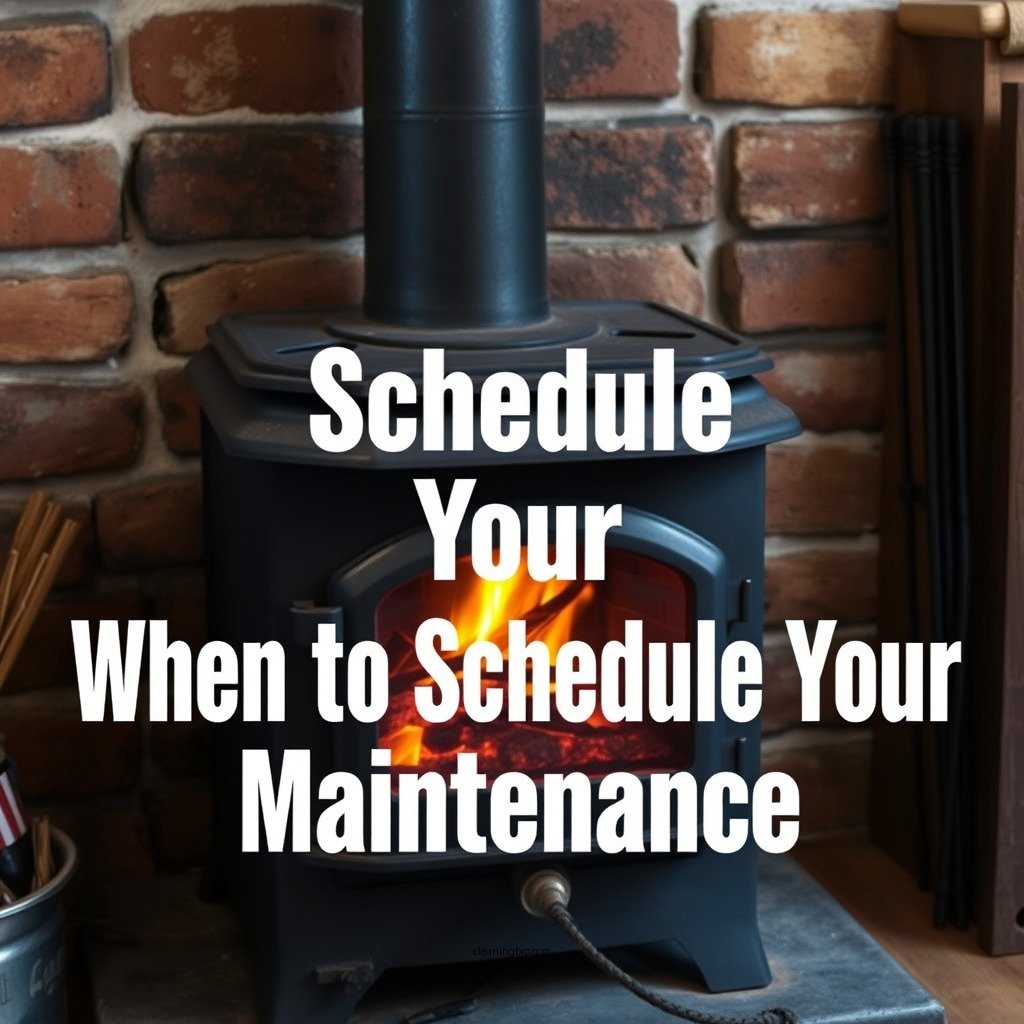
The best time to schedule your chimney cleaning is before the heating season begins. This preparation ensures that your system is ready for use when you need it the most. Ideally, homeowners should aim for a cleaning in early fall, as this timeframe allows for any necessary repairs before the cold weather sets in.
If you use your stove frequently or burn softwoods, which produce more creosote than hardwoods, more frequent cleanings may be necessary. In such cases, consider scheduling a cleaning every six months or after every cord of wood burned. It’s also wise to check local regulations, as some areas may have specific guidelines regarding chimney maintenance.
Signs Your Chimney Needs Cleaning

Recognizing the signs that your chimney needs cleaning can prevent larger issues down the line. Here are some key indicators:
– Presence of a Strong, Smoky Odor: A noticeable, pungent smell emanating from your chimney when the stove is not in use can indicate a build-up of creosote.
– Excessive Smoke in the Room: If you notice that smoke is filling your room while burning wood, it may be a sign of a blockage in the chimney that requires immediate attention.
– Soot or Creosote Deposits: Look for black, tar-like substances around the chimney cap or on the stove pipe, which can indicate a dangerous accumulation.
– Cold Flue: If the flue remains cold while the fire is burning, it may point to poor airflow due to creosote build-up.
By being vigilant and observing these signs, you can take proactive steps to maintain your chimney and prevent dangerous situations.
DIY Cleaning vs. Professional Services
When it comes to chimney maintenance, homeowners often question whether to tackle the cleaning themselves or hire a professional service. If you are comfortable working at heights and have the proper tools, a DIY cleaning can be a cost-effective option. However, thorough cleaning requires specific skills and knowledge about the structure of chimneys.
Professional chimney sweeps bring experience and equipment that can ensure a comprehensive cleaning. They can also identify potential issues during their inspection, such as cracks or blockages. Given the safety risks involved, hiring a professional is often recommended, particularly for those who are inexperienced or uncomfortable with climbing onto roofs or using specialized equipment.
Tools and Equipment for Cleaning
If you decide to undertake a DIY chimney cleaning, having the right tools is essential. Here is a list of equipment you will need:
– Chimney Brush: A sturdy brush designed to fit the size of your flue is crucial for removing creosote and soot.
– Extension Rods: These allow you to reach the top of the chimney safely.
– Vacuum: A specialized chimney vacuum can help clean up soot and debris during the process.
– Safety Gear: Always wear gloves, goggles, and a masks to protect against dust and debris during cleaning.
Using the right tools and safety equipment will not only make the job easier but also ensure your safety throughout the process.
Tips for Maintaining a Wood Burning Stove
To keep your wood-burning stove running efficiently and safely, consider the following maintenance tips:
1. Use Seasoned Hardwood: Burning well-seasoned hardwood reduces creosote build-up compared to burning softwoods or unseasoned wood.
2. Regularly Inspect the Chimney: Look for any signs of damage, blockages, or creosote accumulation. Regular inspections can help catch issues before they escalate.
3. Ensure Proper Airflow: Make sure that your stove’s air vents are open and functioning correctly to promote excellent combustion.
4. Burn Small Fires: Smaller, hotter fires are more efficient and produce less creosote than large, smoldering fires.
5. Install a Chimney Cap: A cap can prevent debris, animals, and rain from entering your chimney, reducing the risk of blockages.
By following these tips, you can enhance the safety and performance of your wood-burning stove, ensuring a cozy and efficient heating experience.
Chimney Cleaning Frequency Based on Usage and Wood Type
| # | Wood Type | Frequency of Cleaning | Recommended Cleaning Interval |
|---|---|---|---|
| 1 | Hardwood | Once a year | Early Fall |
| 2 | Softwood | Twice a year | Early Fall and Mid-Winter |
| 3 | Mixed Wood | Once every 9 months | Varies based on usage |
| 4 | Unseasoned Wood | Every 4-6 weeks | Immediately after usage |
| 5 | Exotic Wood | Once every 6 months | Mid-Winter |
| 6 | Green Wood | Every 2-4 weeks | Immediately after usage |
| 7 | Compressed Wood Logs | Once a year | Early Fall |
Chimney Cleaning Methods: DIY, Professional, and Hybrid
| Feature | ⭐ Professional | DIY | Hybrid |
|---|---|---|---|
| Cost | $100 – $250 | Free – $50 (tools not included) | $50 – $150 |
| Effectiveness | ✅ Thorough | ✅ Moderate | ✅ Good |
| Time Required | 1-2 hours | 2-4 hours | 1-3 hours |
| Tools Required | Pro tools | Basic tools | Basic + Pro tools |
| Safety | ❌ Risks involved | ✅ Safe | ✅ Moderate |
| Inspection | Thorough | Self-inspection | Basic inspection |
| Flexibility | Fixed schedule | On-demand | Semi-scheduled |
| Availability | Seasonal | Anytime | Seasonal & Anytime |
| Expertise | ✅ Professional | ❌ Limited | ✅ Moderate |
| 🏆 Best For | Thorough cleaning + safety | Budget-conscious users | Flexible option |
Your chimney’s upkeep is vital for a safe and efficient wood-burning experience. By following these guidelines, you can protect your home and enjoy the warmth of your stove. Consider scheduling your chimney cleaning today to ensure you’re prepared for the cold months ahead. Regular maintenance not only enhances the safety of your home but also contributes to a more efficient and cost-effective heating solution.
Frequently Asked Questions
How often should I clean my wood burning stove chimney?
It is recommended to clean your wood burning stove chimney at least once a year, ideally before the start of the heating season. If you use your stove frequently or burn softwoods, more frequent cleanings, such as every 3 to 6 months, may be necessary to prevent creosote buildup and reduce fire hazards.
What are the signs that my wood burning stove chimney needs cleaning?
Common signs that indicate your wood burning stove chimney needs cleaning include a strong odor of smoke, difficulty starting a fire, and an excessive buildup of soot or creosote visible inside the chimney. If you notice any of these signs, it’s crucial to schedule a cleaning to ensure safe operation.
Why is it important to clean my wood burning stove chimney regularly?
Regular cleaning of your wood burning stove chimney is important to prevent dangerous creosote buildup, which can lead to chimney fires. Additionally, maintaining a clean chimney ensures optimal airflow, improving the efficiency of your stove and enhancing indoor air quality.
What is the best method for cleaning a wood burning stove chimney?
The best method for cleaning a wood burning stove chimney is to use a combination of a chimney brush and rod system, which allows you to scrub the flue walls effectively. Hiring a professional chimney sweep can also be beneficial, as they have the expertise and tools to ensure a thorough and safe cleaning.
Which tools do I need to clean my wood burning stove chimney?
To clean your wood burning stove chimney, you will need a chimney brush that matches the diameter of your flue, flexible rods to attach to the brush, a vacuum cleaner to collect soot, and safety gear such as gloves and goggles. Having these tools on hand will help you perform a DIY cleaning effectively and safely.
References
- https://www.epa.gov/chimneys/cleaning-your-wood-stove
https://www.epa.gov/chimneys/cleaning-your-wood-stove - https://www.cdc.gov/niosh/topics/burns/woodstoves.html
https://www.cdc.gov/niosh/topics/burns/woodstoves.html - https://www.nyserda.ny.gov/-/media/Files/EDPPP/Environmental/wood-stove-chimney-cleaning.pdf
https://www.nyserda.ny.gov/-/media/Files/EDPPP/Environmental/wood-stove-chimney-cleaning.pdf - https://www.ncbi.nlm.nih.gov/pmc/articles/PMC7240017/
https://www.ncbi.nlm.nih.gov/pmc/articles/PMC7240017/ - https://scholar.google.com/scholar?q=how+often+to+clean+wood+burning+stove+chimney Google Scholar
https://scholar.google.com/scholar?q=how+often+to+clean+wood+burning+stove+chimney - Google Scholar Google Scholar
https://scholar.google.com/scholar?q=cleaning+wood+stove+chimney+frequency - https://scholar.google.com/scholar?q=wood+burning+stove+chimney+maintenance Google Scholar
https://scholar.google.com/scholar?q=wood+burning+stove+chimney+maintenance - https://www.wikiwand.com/en/Wood_stove
https://www.wikiwand.com/en/Wood_stove - how often to clean wood burning stove chimney – Search results
https://en.wikipedia.org/wiki/Special:Search?search=how+often+to+clean+wood+burning+stove+chimney - https://www.ncbi.nlm.nih.gov/search/research-articles/?term=how+often+to+clean+wood+burning+stove+chimney
https://www.ncbi.nlm.nih.gov/search/research-articles/?term=how+often+to+clean+wood+burning+stove+chimney