How to Clean a Rug Pad: Step-by-Step Guide
To clean a rug pad effectively, start by removing it from underneath the rug and shaking off any dirt and debris. Depending on the material, you can either vacuum, spot clean, or wash the rug pad. This guide will walk you through the best methods to ensure your rug pad stays clean and extends the life of your rugs.
Rug pads play a crucial role in protecting both your flooring and your rugs. They provide cushioning, prevent slipping, and can extend the lifespan of your rugs by absorbing wear and tear. However, without regular cleaning, rug pads can accumulate dirt, dust, and odors, detracting from their functionality and the overall appearance of your home. Understanding how to properly clean and maintain your rug pad will not only enhance its performance but also contribute to a healthier indoor environment.
Understanding Your Rug Pad Material
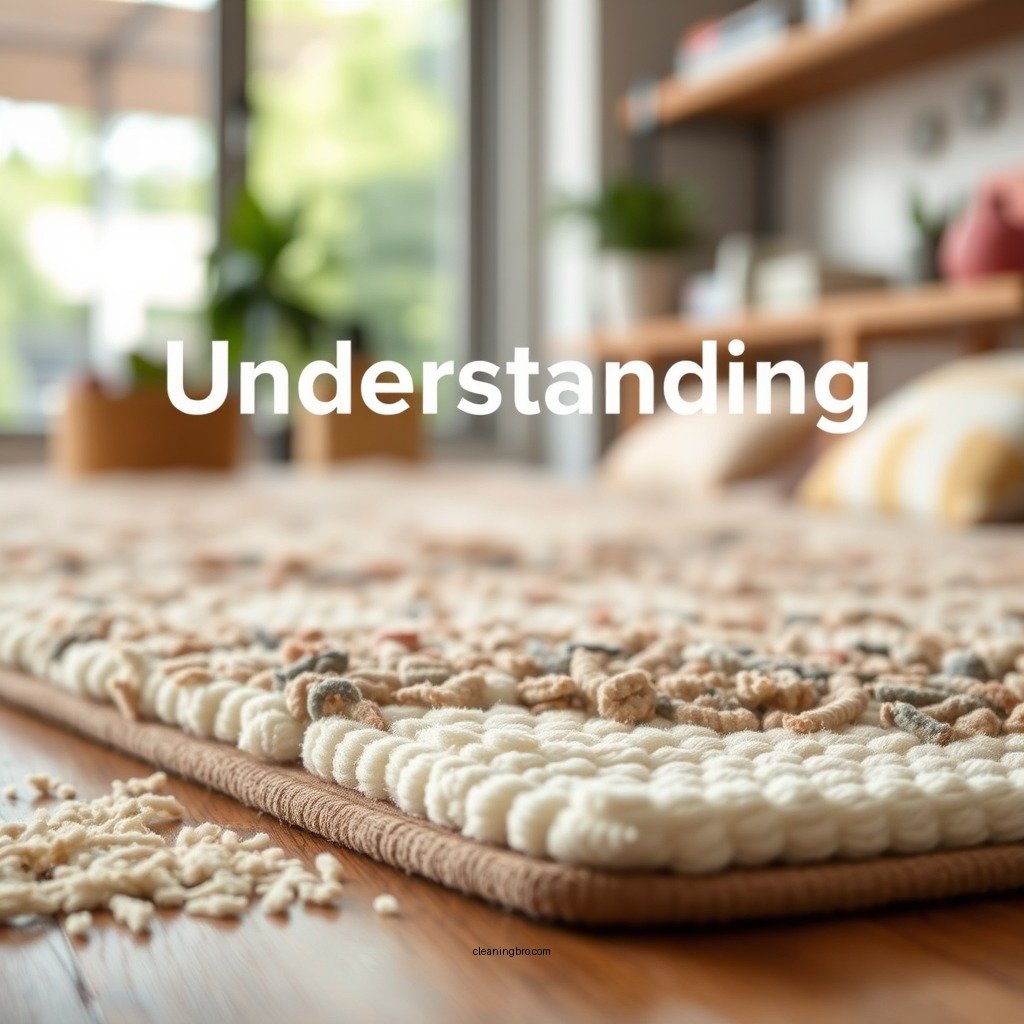
Different materials used in rug pads necessitate different cleaning methods. Common types include rubber, felt, and synthetic blends, each with its own cleaning requirements.
– Rubber Pads: These are durable and often waterproof but can accumulate dust and allergens. They can typically be wiped down with a damp cloth and mild detergent.
– Felt Pads: These pads provide excellent cushioning but are more absorbent. They can retain moisture and odors, requiring more thorough cleaning methods.
– Synthetic Blends: These pads are usually machine washable, making them easier to clean but may still need spot cleaning for stains.
Before proceeding with cleaning, always check the manufacturer’s instructions for specific care guidelines. This will ensure that you use the best cleaning methods suited for the material of your rug pad, avoiding potential damage.
Preparing for Cleaning
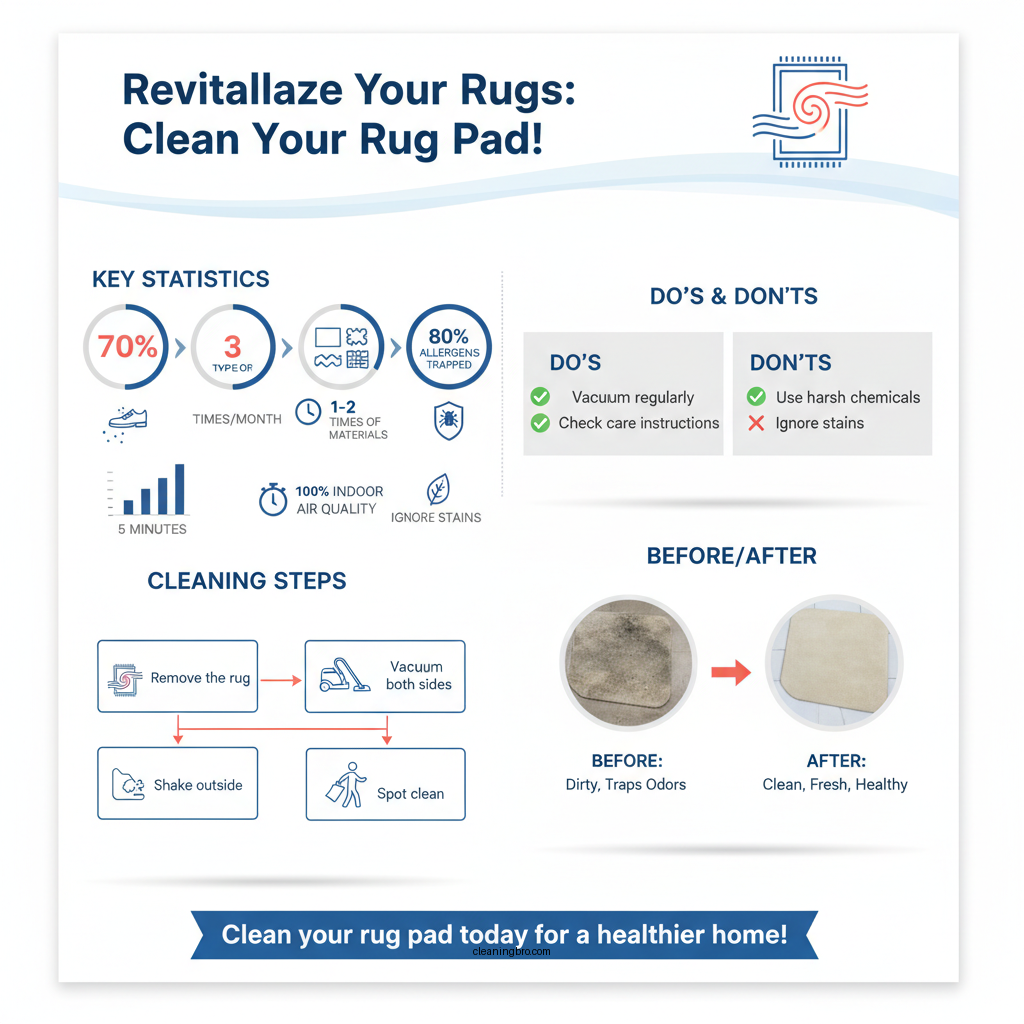
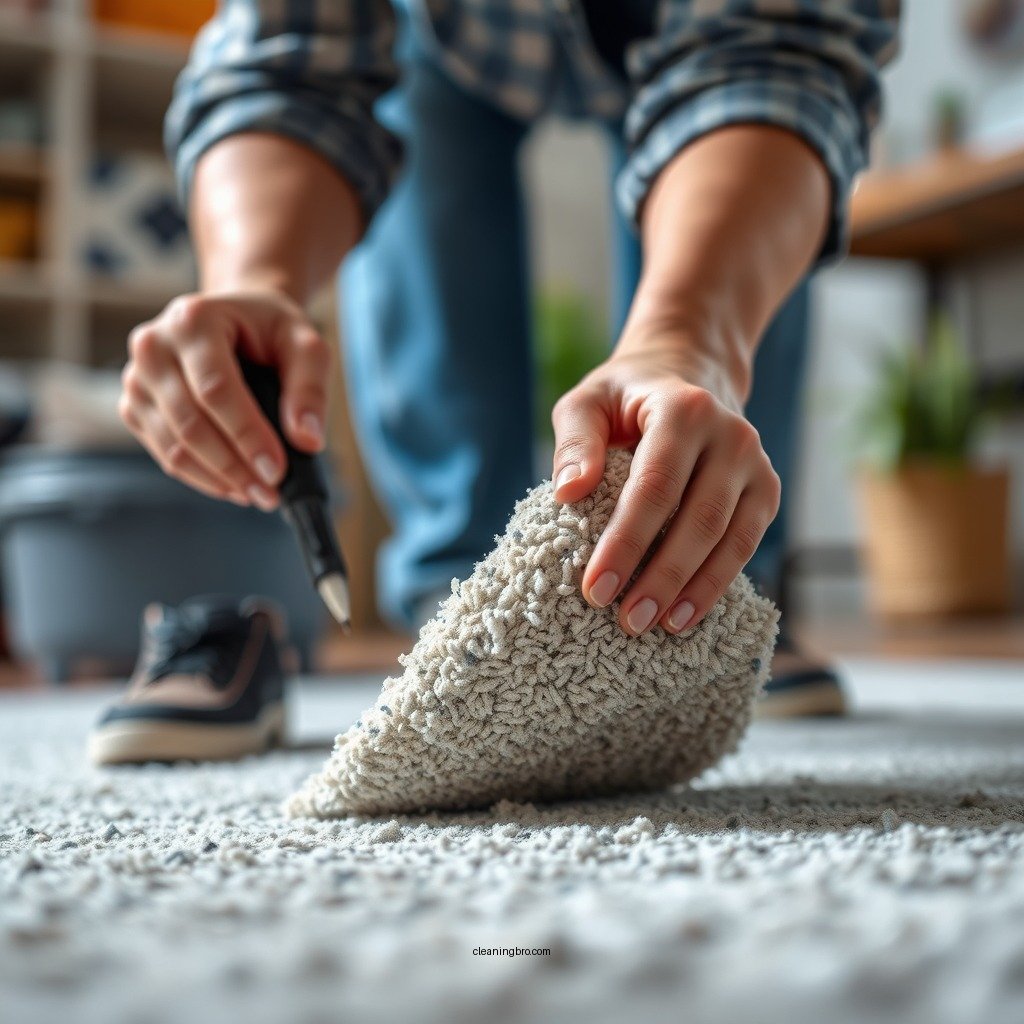
Preparation is key to effective cleaning. Start by removing the rug from the floor and placing it in a safe area.
– Vacuuming: Use a vacuum cleaner to remove any loose dirt and dust from the rug pad. It’s advisable to use a soft brush attachment to avoid damaging the pad’s surface. Ensure you vacuum both sides of the rug pad if possible.
– Shaking Off Debris: After vacuuming, take the rug pad outside and shake it vigorously to dislodge any remaining debris. This step is particularly useful for felt pads that can trap particles within their fibers.
Taking these initial steps will make subsequent cleaning methods more effective, ensuring you tackle both surface dirt and deeper grime.
Spot Cleaning Techniques
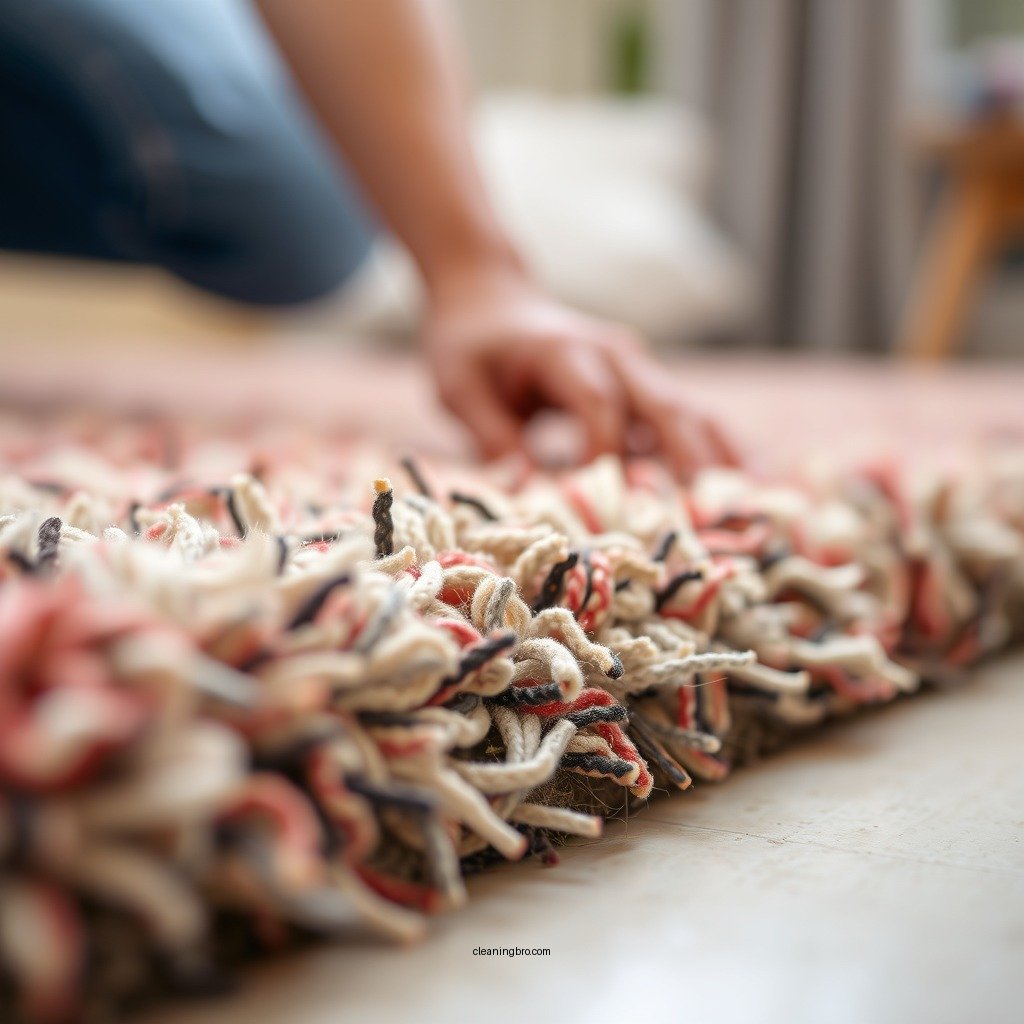
For localized stains or spills, spot cleaning is an effective method to maintain your rug pad.
– Identifying Stains: Look for any discoloration or spots that may have developed on the rug pad. Common culprits include food, drink spills, or pet accidents.
– Cleaning Solution: Prepare a mild detergent solution or use white vinegar mixed with water (1:1 ratio). Both options are effective and safe for most rug pad materials.
– Application: Use a clean cloth or sponge to apply the solution directly to the stain. Instead of rubbing, gently blot the area to lift the stain without damaging the fibers. Rubbing can spread the stain and push it deeper into the pad.
– Rinsing: After blotting, dampen another clean cloth with plain water and blot the area again to remove any soap residue.
This method ensures that you address stains without compromising the integrity of your rug pad.
Deep Cleaning Methods
Deep cleaning may be necessary for rug pads that have accumulated significant dirt or odors.
– Machine Washing: If your rug pad is machine washable, follow the manufacturer’s instructions. Generally, using cold water and a mild detergent is recommended. Avoid using bleach or harsh chemicals, as they can degrade the material.
– Hand Washing: For non-machine washable pads, fill a bathtub or large basin with cold water and a mild detergent. Submerge the pad and gently agitate the water. Allow it to soak for 15-30 minutes, then rinse thoroughly with clean water.
– Air Drying: After washing, it is crucial to air dry the rug pad completely. Lay it flat or hang it in a well-ventilated area, ensuring it dries thoroughly to prevent mold and mildew growth. Never put a rug pad in the dryer, as heat can damage its structure.
Deep cleaning not only removes dirt but also revitalizes the pad, ensuring it continues to provide support and protection for your rugs.
Top 7 Rug Pad Types: Cleaning Methods and Durability (2024)
| # | Rug Pad Type | Cleaning Method | Durability | Odor Retention |
|---|---|---|---|---|
| 1 | Rubber | Wipe down | High | Low |
| 2 | Felt | Spot clean | Medium | High |
| 3 | Synthetic | Machine washable | High | Low |
| 4 | Natural Fiber | Spot clean | Medium | High |
| 5 | Memory Foam | Machine washable | Medium | Low |
| 6 | Double Sided | Wipe down | High | Medium |
| 7 | Non-slip | Wipe down | High | Low |
Maintaining a Clean Rug Pad
Regular maintenance is vital in keeping your rug pad in optimal condition.
– Routine Vacuuming: Incorporate vacuuming the rug pad into your cleaning schedule at least once a month. This will help reduce the buildup of dirt, allergens, and dust.
– Periodic Rotation: If possible, rotate your rug and rug pad every few months. This practice helps distribute wear evenly and prolongs the lifespan of both the rug and its pad.
– Immediate Stain Treatment: Address any spills or stains immediately to prevent them from setting in. The longer stains sit, the more difficult they become to clean.
– Seasonal Deep Cleaning: Consider deep cleaning your rug pad at least once or twice a year, depending on usage. This could coincide with seasonal changes, such as spring cleaning or preparing for winter.
By establishing a routine, you can significantly enhance the lifespan and effectiveness of your rug pad.
When to Replace Your Rug Pad
Even with diligent care, rug pads have a limited lifespan.
– Signs of Wear: Look for fraying edges, uneven surfaces, or tears in the fabric. These issues can compromise the functionality of the pad.
– Odors: Persistent odors, even after cleaning, can indicate that the rug pad has absorbed too much moisture or dirt. This is especially common with felt and natural fiber pads.
– Material Lifespan: Different materials have different lifespans. For example, rubber pads may last longer than felt or natural fiber pads. Knowing the average lifespan of your specific rug pad material will help you make informed decisions.
– Functional Assessment: If your rug pad no longer provides the cushioning or grip that it once did, it’s time to replace it. A worn-out pad can lead to damage to your rug and flooring.
By understanding when to replace your rug pad, you can maintain a safe and aesthetically pleasing environment in your home.
In summary, keeping your rug pad clean is essential for the longevity of both the pad and the rug itself. Regular maintenance, including vacuuming, spot cleaning, and periodic deep cleaning, will help you achieve a fresh and functional rug pad. Always consider the material of your rug pad and follow specific care guidelines for the best results. By doing so, you will ensure that your rug pad continues to protect your rugs and flooring while enhancing the comfort of your living space.
Frequently Asked Questions
How often should I clean my rug pad?
It’s recommended to clean your rug pad every 6 to 12 months, depending on foot traffic and spills. Regular cleaning helps prevent dirt buildup and extends the life of both the pad and the rug, ensuring optimal grip and protection for your flooring.
What is the best way to clean a rug pad?
The best way to clean a rug pad is to first vacuum it thoroughly to remove dust and dirt. Then, spot clean any stains with a mixture of mild soap and water, using a cloth to dab the area, and allow it to air dry completely before placing it back under the rug.
Why is it important to clean a rug pad?
Cleaning a rug pad is crucial because it helps maintain hygiene by removing allergens, dust mites, and bacteria that can accumulate over time. Additionally, a clean pad enhances the rug’s performance, preventing slipping and prolonging the lifespan of both the rug and the pad.
Which cleaning solutions are safe for my rug pad?
Safe cleaning solutions for rug pads typically include mild dish soap mixed with warm water or a gentle carpet cleaner specifically designed for rug maintenance. Avoid harsh chemicals or abrasive cleaners, as they can damage the pad material and reduce its effectiveness.
How do I remove odors from my rug pad?
To remove odors from your rug pad, sprinkle baking soda liberally over the surface and let it sit for several hours or overnight to absorb the smell. Afterward, vacuum the baking soda thoroughly to eliminate any lingering odors and refresh the pad.
References
- https://www.britannica.com/how-to-clean-rug-pads
https://www.britannica.com/how-to-clean-rug-pads - Google Scholar Google Scholar
https://scholar.google.com/scholar?q=cleaning+rug+pads - https://www.sciencedirect.com/topics/earth-and-planetary-sciences/rug-pads
https://www.sciencedirect.com/topics/earth-and-planetary-sciences/rug-pads - https://pubmed.ncbi.nlm.nih.gov/
https://pubmed.ncbi.nlm.nih.gov/ - https://www.nytimes.com/2020/03/11/realestate/how-to-clean-rug-pads.html
https://www.nytimes.com/2020/03/11/realestate/how-to-clean-rug-pads.html - Google Scholar Google Scholar
https://scholar.google.com/scholar?q=rug+pad+maintenance - https://www.cdc.gov/healthyhomes/healthyspaces/rug_care.html
https://www.cdc.gov/healthyhomes/healthyspaces/rug_care.html - https://www.nature.com/articles/
https://www.nature.com/articles/ - https://www.huffpost.com/entry/how-to-clean-rug-pads_n_5e8d2b90c5b6d9f8b1c45678
https://www.huffpost.com/entry/how-to-clean-rug-pads_n_5e8d2b90c5b6d9f8b1c45678 - Google Scholar Google Scholar
https://scholar.google.com/scholar?q=how+to+clean+a+rug+pad