How to Clean an Opal: Step-by-Step Guide
Cleaning an opal requires gentle care to preserve its beauty and prevent damage. It is essential to use a soft cloth and a mild soap solution while avoiding harsh chemicals and ultrasonic cleaners. In this article, you will learn the best techniques for cleaning opals safely and effectively, ensuring that your precious gemstone remains vibrant and radiant.
Understanding Opals and Their Care
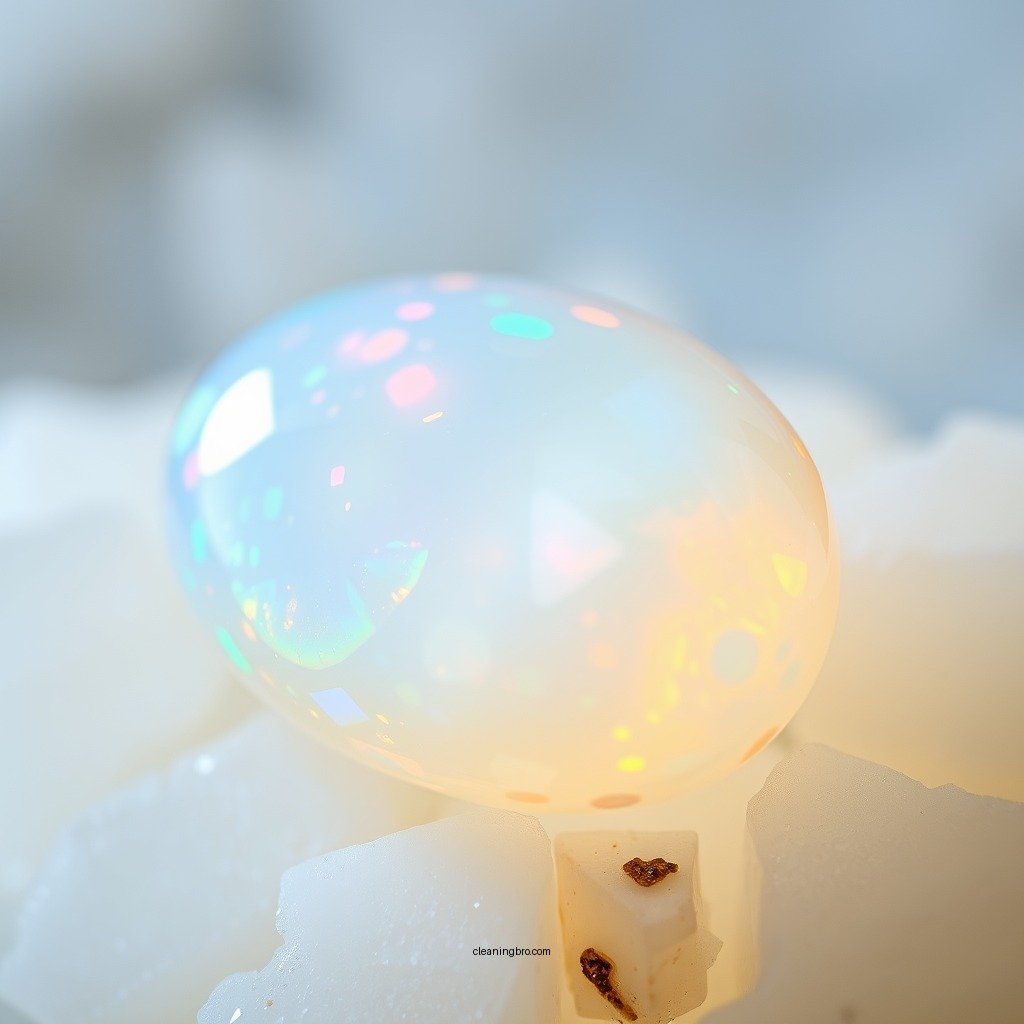
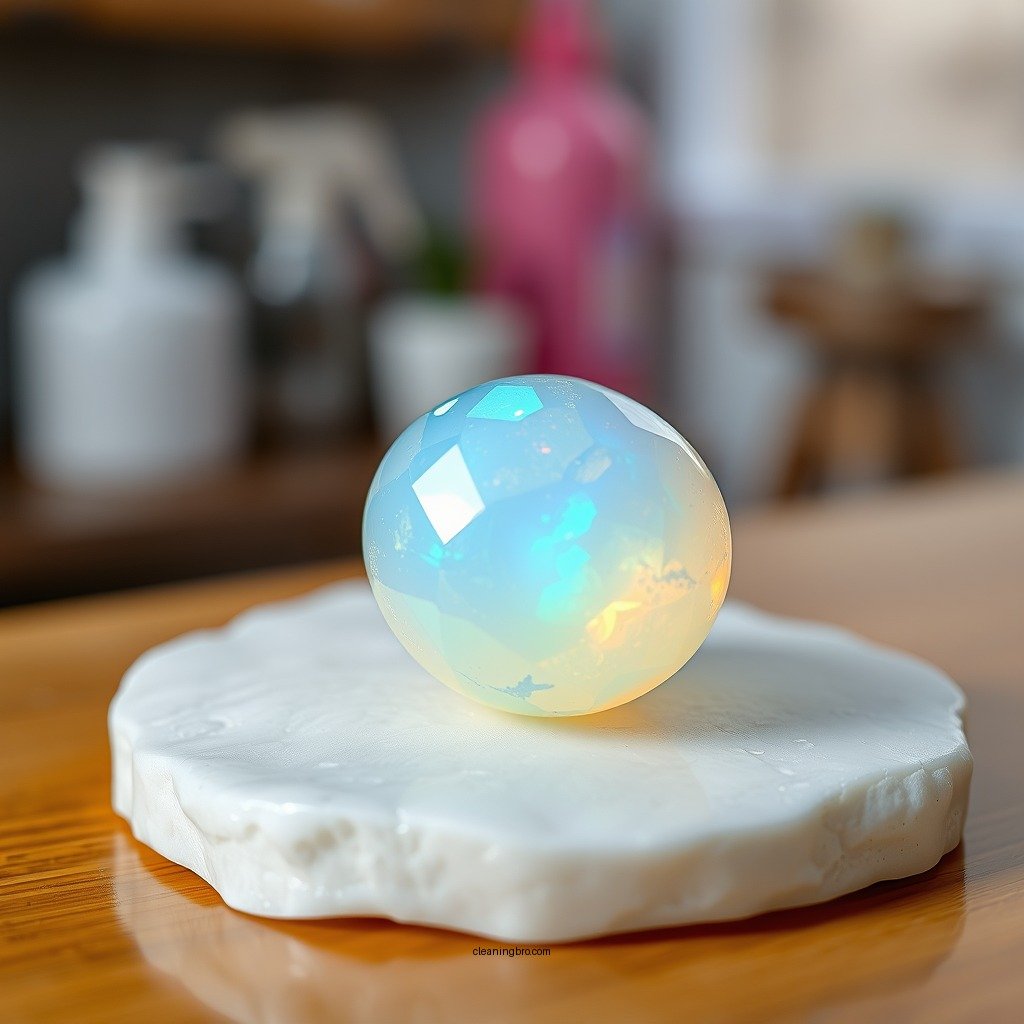
Opals are delicate gemstones known for their unique play of color and iridescence. Composed primarily of silica, they often contain a significant amount of water—up to 20% in some cases—making them sensitive to temperature changes and moisture levels. This sensitivity means that improper cleaning methods can lead to cracks or dulling of their surface.
Understanding these unique properties is paramount for anyone who owns opals. The way opals form results in structures that can be affected by sudden temperature shifts or exposure to harsh cleaning agents. Knowing how to treat them gently will ensure that they not only look beautiful but also maintain their structural integrity over time.
Essential Cleaning Supplies
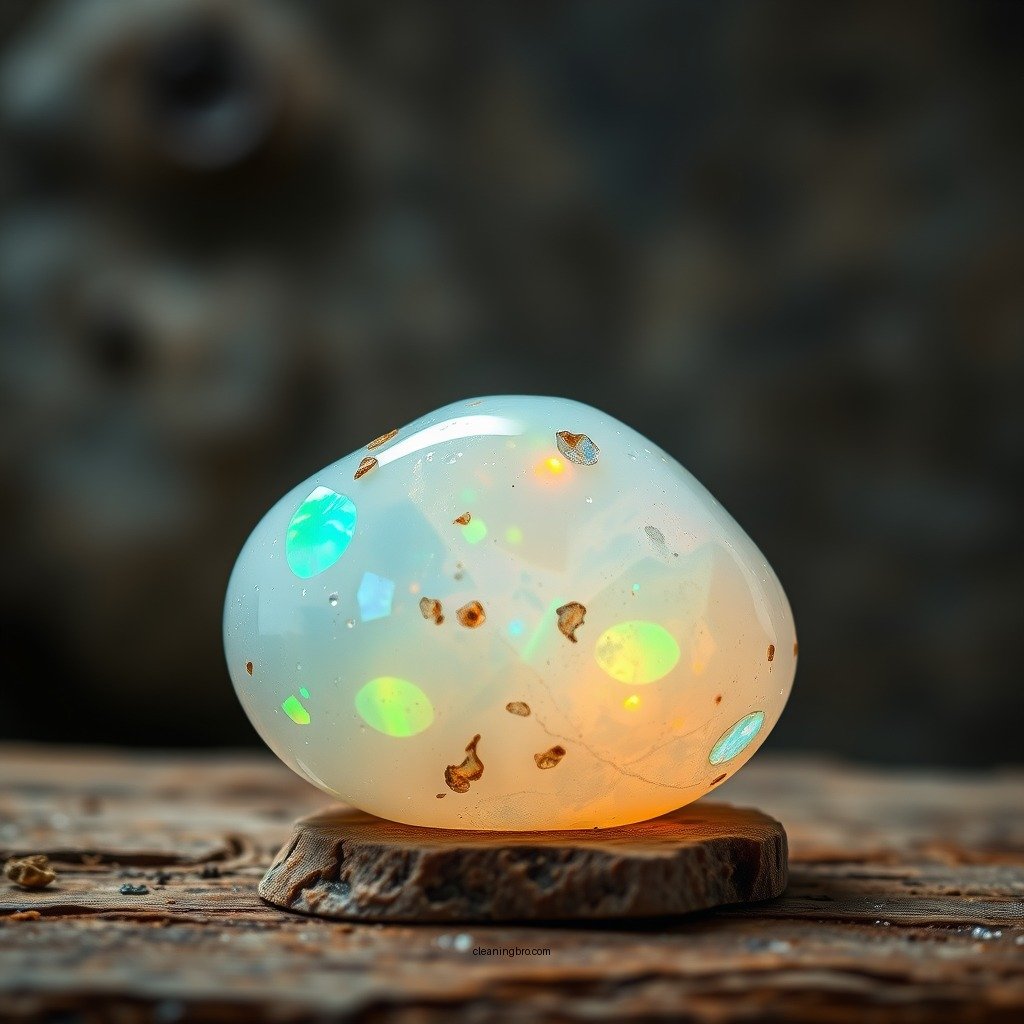
Before embarking on the cleaning process, it is crucial to gather the appropriate supplies. Here are the essentials:
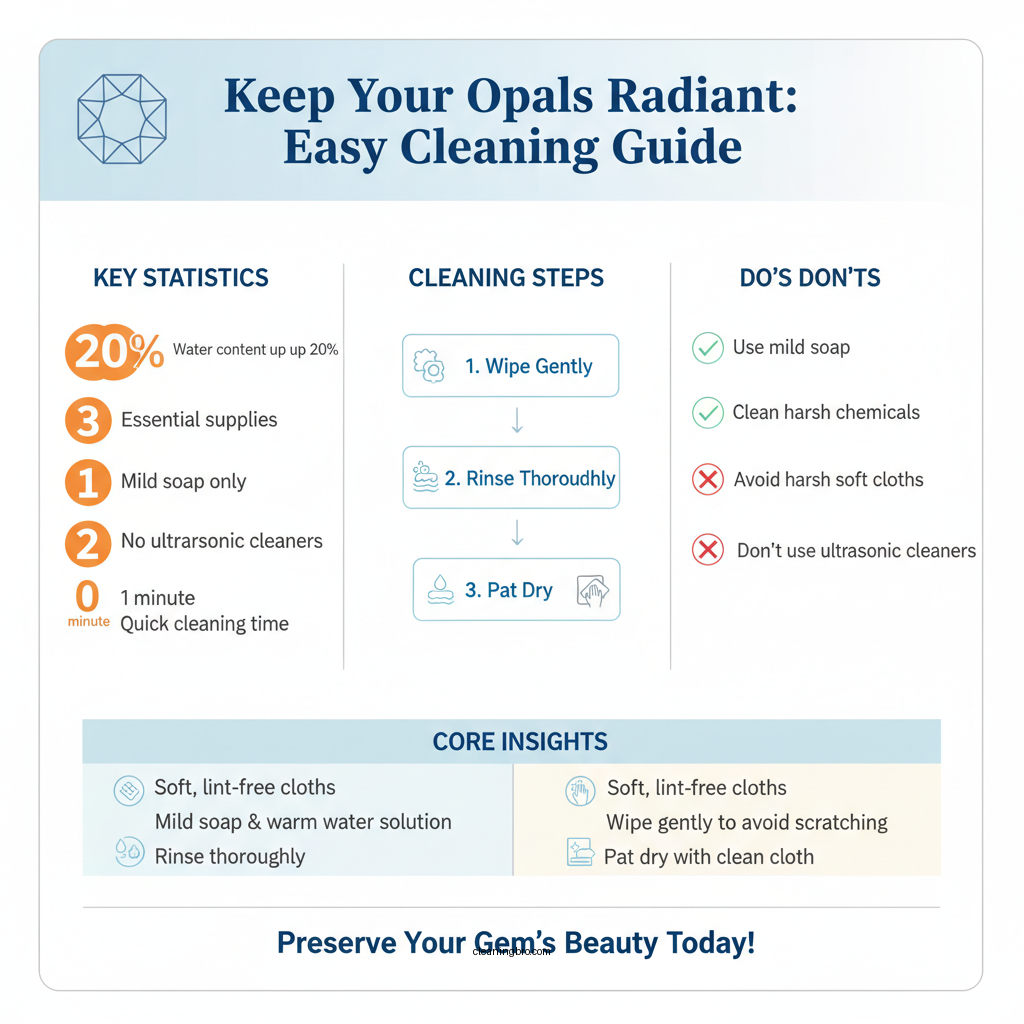
– Soft, lint-free cloth: This will be your primary tool for wiping down the opal without scratching it. Microfiber cloths are an excellent choice as they are gentle and effective.
– Mild soap: Look for a gentle, non-abrasive soap that is free from dyes and fragrances. Dish soap or a specialized gemstone cleaner is ideal.
– Warm water: This will be used to create a cleaning solution. Ensure it is not too hot, as extreme temperatures can harm the opal.
By preparing these supplies, you set the stage for a successful cleaning experience that will enhance your opal’s natural beauty.
Step-by-Step Cleaning Process
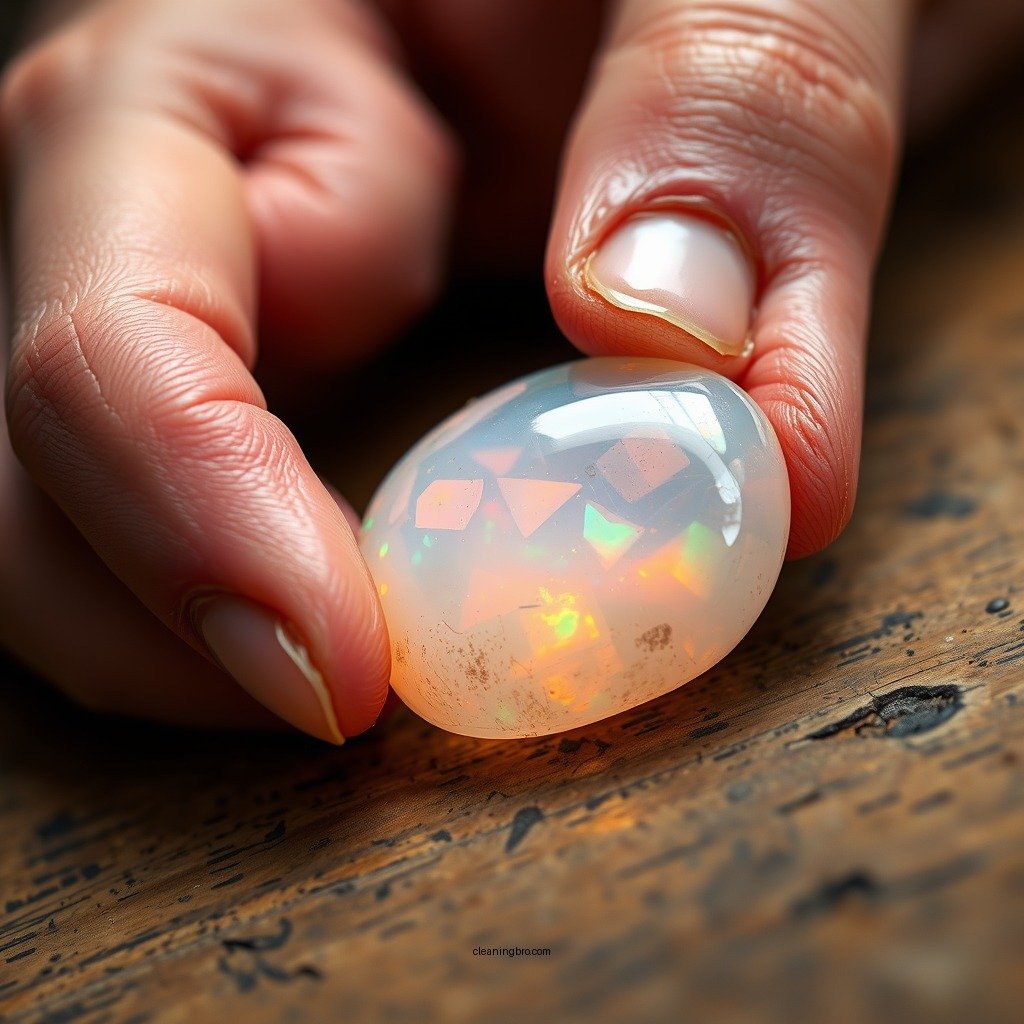
Cleaning an opal is a straightforward process if done correctly. Follow these steps for optimal results:
1. Prepare the cleaning solution: Mix lukewarm water with a few drops of mild soap in a small bowl. The water should be warm to the touch but never boiling.
2. Soak the cloth: Dip the soft cloth into the soapy water solution. Wring it out gently so that it is damp but not dripping wet.
3. Wipe the opal: Gently wipe the surface of the opal with the damp cloth. Use light pressure to avoid any scratching. Focus on areas with visible smudges or dirt.
4. Rinse: After cleaning, use another soft cloth dampened with clean water to wipe away any soap residue from the opal.
5. Dry the opal: Pat the opal dry with a clean, dry cloth. Ensure it is entirely dry before storing.
By following this method, you can clean your opals without risking damage, allowing their natural beauty to shine through.
Top 7 Opal Types by Rarity and Value (2024)
| # | Opal Type | Rarity | Price per Carat | Color Play |
|---|---|---|---|---|
| 1 | Black Opal | Very Rare | $3,000 – $15,000 | High |
| 2 | Boulder Opal | Rare | $1,000 – $10,000 | Medium |
| 3 | White Opal | Common | $100 – $1,500 | Low |
| 4 | Crystal Opal | Uncommon | $500 – $5,000 | Medium |
| 5 | Fire Opal | Rare | $200 – $3,000 | High |
| 6 | Mexican Opal | Common | $100 – $1,200 | Medium |
| 7 | Pink Opal | Uncommon | $300 – $2,500 | Medium |
Dealing with Tough Stains
Sometimes, standard cleaning methods may not be sufficient to remove stubborn stains. For tougher marks, consider the following approach:
– Use a soft toothbrush: If you encounter persistent stains, a soft-bristled toothbrush can be an effective tool. Dampen the brush with the soap solution and gently scrub the stained areas. This method allows you to target specific spots without risking damage to the entire gemstone.
– Avoid abrasives: It is crucial to never use abrasive materials or harsh scrubbing pads, as these can scratch the opal’s surface and ruin its finish. Moreover, be cautious about using any cleaning agents that contain ammonia or alcohol, as they can also harm the stone.
By exercising patience and using the right tools, you can restore your opal to its original luster, ensuring it remains a standout piece in your collection.
Drying and Storing Opals
Proper drying and storage are just as important as the cleaning process itself. Here are some best practices:
– Pat dry: After cleaning, gently pat the opal dry with a clean, soft cloth. Avoid rubbing, as this may cause scratches or damage.
– Storage solutions: Store your opals in a soft pouch or a dedicated compartment in your jewelry box. It is advisable to keep them away from harder gemstones to prevent scratches. Additionally, consider using a fabric-lined box to provide extra protection.
By following these steps, you can ensure that your opals remain in pristine condition, ready to dazzle whenever you choose to wear them.
Common Mistakes to Avoid
To maintain the beauty and integrity of your opals, be aware of these common pitfalls:
– Avoid extreme temperatures: Never use boiling water or expose opals to extreme heat or cold. Rapid temperature changes can lead to cracking or crazing in the stone.
– Steer clear of ultrasonic cleaners: While these devices may work well for other gemstones, they can damage opals by causing internal stress. Stick to gentle cleaning methods to ensure the longevity of your stones.
By understanding and avoiding these common mistakes, you can protect your opals from potential damage.
Regular Maintenance Tips
Regular maintenance is crucial for keeping your opals looking their best. Here are some tips:
– Schedule cleanings: Aim to clean your opals every few months, or sooner if they are worn frequently. Regular cleanings help prevent the buildup of dirt and oils that can dull their appearance.
– Avoid chemicals: Keep opals away from exposure to household chemicals, perfumes, and direct sunlight. These factors can affect the stone, leading to discoloration or weakening.
– Professional checks: Consider having your opals professionally cleaned and inspected annually, especially if they are set in intricate jewelry. This ensures that they remain secure and undamaged.
By integrating these maintenance tips into your routine, you can enjoy your opals for years to come.
Best Opal Cleaning Methods Comparison: Soap & Water vs. Gemstone Cleaner vs. Steam Cleaning
| Feature | ⭐ Soap & Water | Gemstone Cleaner | Steam Cleaning |
|---|---|---|---|
| Effectiveness | ✅ Very Effective | ✅ Effective | ❌ Risky |
| Safety for Opal | ✅ Very Safe | ✅ Safe | ❌ Unsafe |
| Cost | Low Cost | Moderate Cost | High Cost |
| Ease of Use | ✅ Very Easy | ✅ Easy | ❌ Complicated |
| Time Required | Quick | Moderate | Long |
| Frequency of Use | Regularly | Occasionally | Rarely |
| Availability | Widely Available | Available | Limited |
| Environmental Impact | Low Impact | Moderate Impact | High Impact |
| Overall Effectiveness | ⭐ Highly Recommended | ✅ Good Option | ❌ Not Recommended |
| 🏆 Best For | Everyday Cleaning | Occasional Deep Clean | Professional Use Only |
Keeping your opal clean is essential for maintaining its stunning appearance and longevity. By following these simple steps, you can ensure your opal remains a cherished piece in your collection. Remember to treat it with care, always choose the gentlest cleaning methods, and avoid common pitfalls. For further tips on gemstone care, explore our blog or reach out with any questions!
Frequently Asked Questions
What is the best way to clean an opal without damaging it?
The best way to clean an opal is to use lukewarm soapy water and a soft-bristled brush. Avoid harsh chemicals and ultrasonic cleaners, as opals are sensitive to extreme temperatures and chemicals that can cause damage or dull their brilliance.
How often should I clean my opal jewelry?
It’s recommended to clean your opal jewelry every few months or whenever it appears dirty. Regular maintenance helps keep the opal’s natural beauty intact, but be cautious not to over-clean, as excessive handling can lead to scratches or wear.
Why is it important to avoid certain cleaning methods for opals?
Avoiding certain cleaning methods, such as steam cleaning or using ammonia-based cleaners, is crucial because opals are porous and can absorb liquids, which may cause discoloration or damage. Protecting your opal from harsh treatments helps preserve its stunning color play and overall integrity.
Which materials should I avoid when cleaning opals?
When cleaning opals, avoid using abrasive materials like paper towels or scrubbing pads, as they can scratch the surface. Additionally, steer clear of ammonia-based or alcohol-based cleaners, as they can penetrate the stone and lead to deterioration.
How can I safely remove tarnish from opal settings without harming the stone?
To safely remove tarnish from opal settings, use a gentle metal polish specifically designed for jewelry, applying it carefully with a soft cloth. Make sure to avoid getting any polish on the opal itself, as it may harm the stone; instead, clean the opal with lukewarm soapy water afterward to remove any residue.
References
- Opal
https://en.wikipedia.org/wiki/Opal - Opal | Properties, Types & Uses | Britannica
https://www.britannica.com/science/opal - Google Scholar Google Scholar
https://scholar.google.com/scholar?q=how+to+clean+an+opal - https://pubmed.ncbi.nlm.nih.gov/
https://pubmed.ncbi.nlm.nih.gov/ - Google Scholar Google Scholar
https://scholar.google.com/scholar?q=opal+cleaning+techniques - https://www.gia.edu/cleaning-opals
https://www.gia.edu/cleaning-opals - https://www.nhm.ac.uk/discover/what-is-an-opal.html
https://www.nhm.ac.uk/discover/what-is-an-opal.html - https://www.sciencedirect.com/topics/earth-and-planetary-sciences/opal
https://www.sciencedirect.com/topics/earth-and-planetary-sciences/opal - how to clean an opal – Search results
https://en.wikipedia.org/wiki/Special:Search?search=how+to+clean+an+opal - https://www.ncbi.nlm.nih.gov/search/research-articles/?term=how+to+clean+an+opal
https://www.ncbi.nlm.nih.gov/search/research-articles/?term=how+to+clean+an+opal