How to Clean Antique Silver: Proven Techniques
Cleaning antique silver requires care and the right techniques to preserve its beauty and value. By employing effective methods, you can safely clean and restore your silver pieces while preventing damage. Following these steps will ensure your antique silver remains luminous and cherished for generations.
Understanding Antique Silver
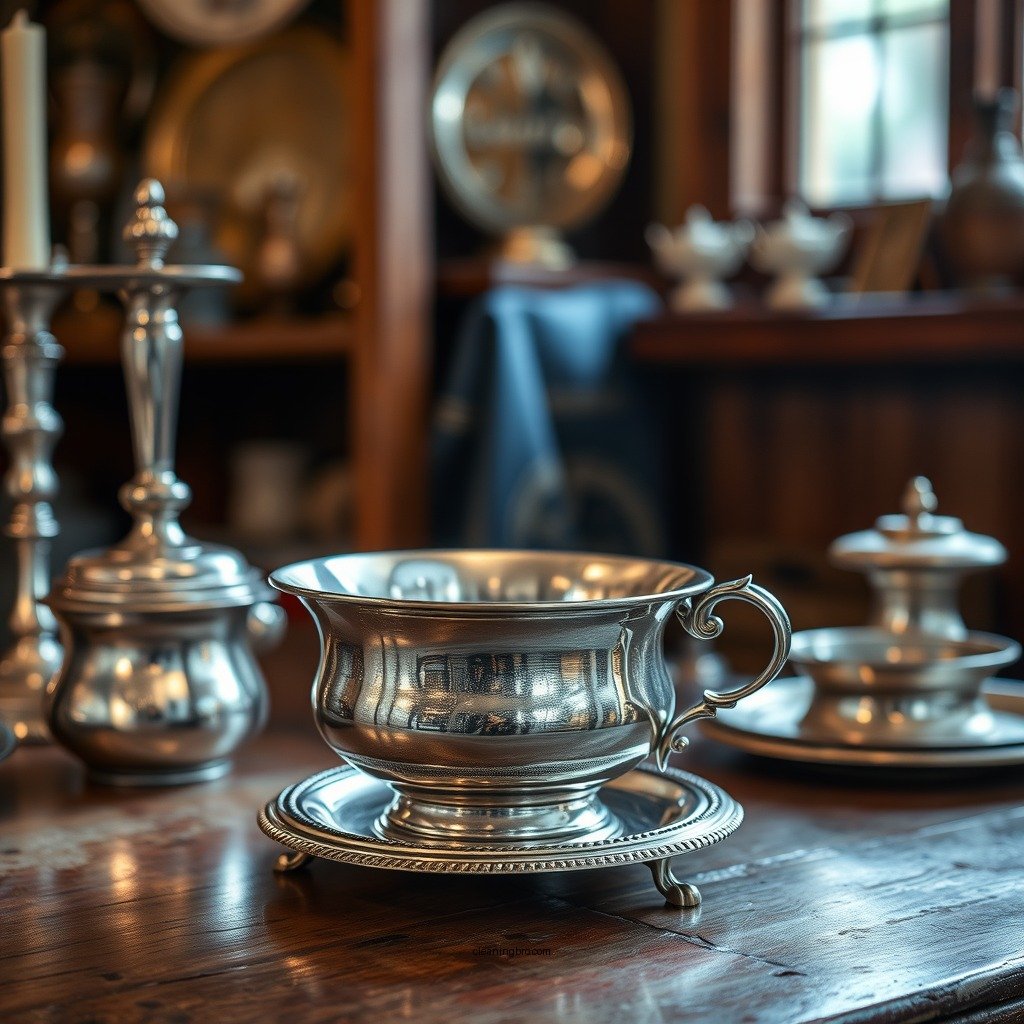
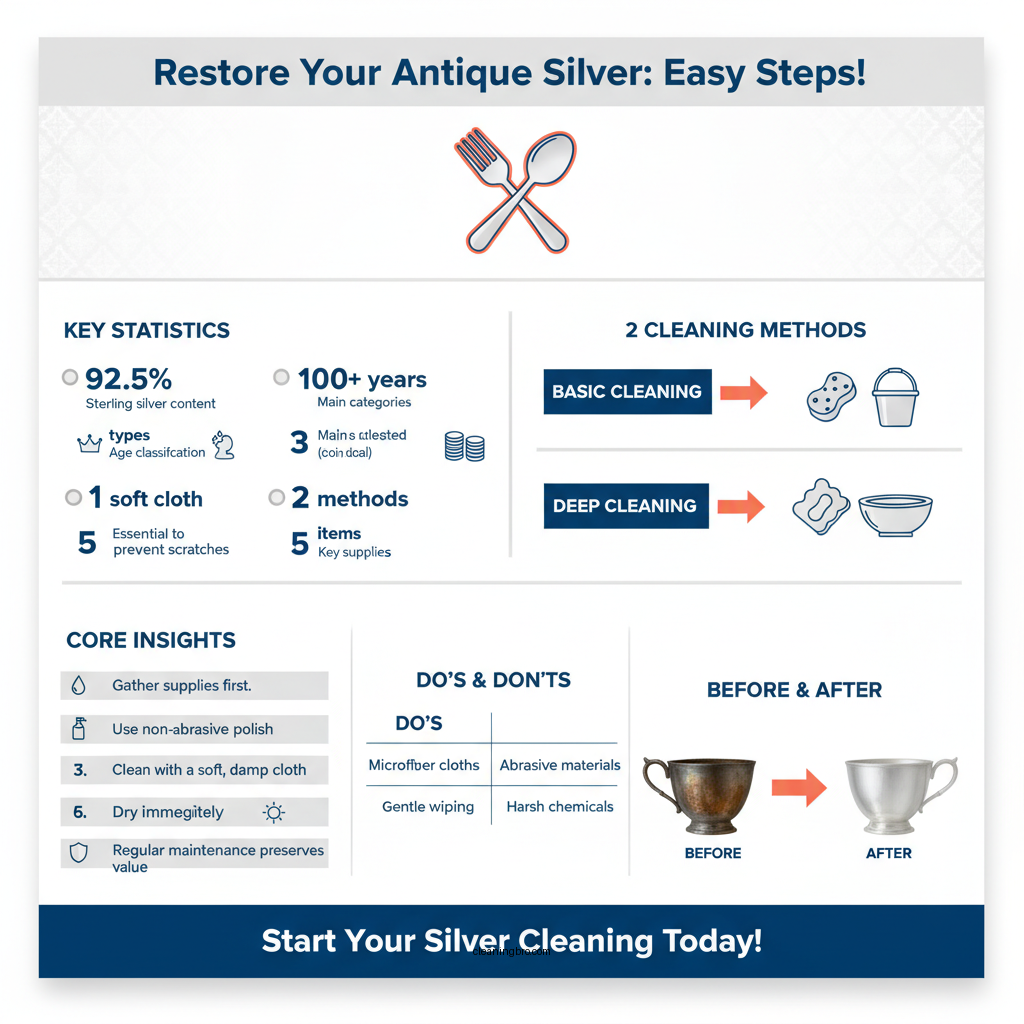
Antique silver refers to silver items that are at least 100 years old, often characterized by their craftsmanship, historical significance, and unique designs. Collectors and enthusiasts value these pieces not only for their aesthetic appeal but also for their cultural heritage. Understanding the different types of antique silver is essential for proper care. The most common types include sterling silver, which is composed of 92.5% silver and 7.5% other metals, and silver-plated items, which have a thin layer of silver applied over a base metal. Each type requires specific cleaning methods to maintain its integrity. Sterling silver, for instance, is more durable and can withstand harsher cleaning techniques compared to silver-plated pieces, which can be easily damaged if not treated with care.
Gather Necessary Supplies
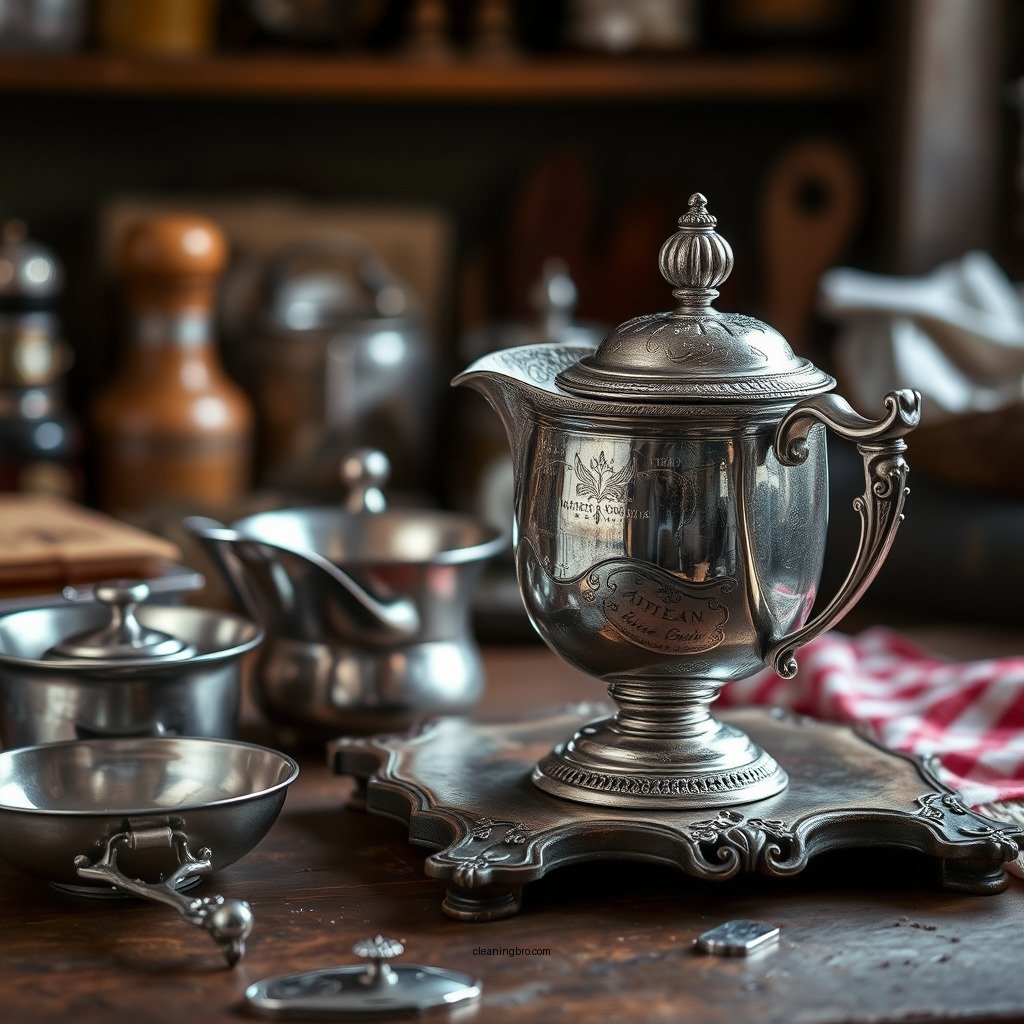
Before embarking on your cleaning journey, gather the essential supplies to ensure an effective and safe cleaning process. Here’s a list of necessary items:
– Soft cloths: Microfiber cloths are ideal as they prevent scratching.
– Silver polish: A non-abrasive polish specifically designed for silver.
– Baking soda: A gentle abrasive that can help remove tarnish.
– Non-abrasive sponges: For gently scrubbing delicate areas.
Optional items that can be helpful include:
– Toothpicks: Useful for cleaning intricate designs and crevices.
– Gloves: To protect your hands and prevent oils from your skin from transferring to the silver.
Basic Cleaning Techniques
For routine cleaning of your antique silver, a simple method can be highly effective. Start by using a soft cloth dampened with a mild soap solution, specifically a gentle dish soap diluted in water. Gently wipe the silver piece, focusing on areas that may have accumulated dirt or tarnish. Always remember to rinse the piece thoroughly with clean water to remove any soap residue, as this can lead to dullness or spots. After rinsing, dry the silver immediately with a separate soft cloth to prevent water spots and ensure a brilliant shine. Regular maintenance with this method can help keep your silver looking its best without the need for heavy-duty cleaning techniques.
Top 7 Silver Cleaning Products (2024)
| # | Product Name | Type | Price | Rating |
|---|---|---|---|---|
| 1 | Wright’s Silver Cream | Cream | $8.99 | ★★★★☆ |
| 2 | Silver Polish by Goddard’s | Liquid | $7.49 | ★★★★★ |
| 3 | Hagerty Silver Polish | Foam | $9.99 | ★★★★☆ |
| 4 | Flitz Multi-Purpose Polish | Paste | $14.99 | ★★★☆☆ |
| 5 | Baking Soda | Powder | $2.99 | ★★★★☆ |
| 6 | Simple Green Pro HD | Concentrate | $10.00 | ★★★★☆ |
| 7 | 3M Silver Polish | Liquid | $12.99 | ★★★☆☆ |
Specialized Cleaning Methods
For pieces that have developed noticeable tarnish, specialized cleaning methods are necessary. One effective approach is to use silver polish. When applying silver polish, it is crucial to use a soft cloth and work in a circular motion. This technique helps to lift tarnish without scratching the surface. Ensure that you follow the manufacturer’s instructions carefully, as some products may require specific application methods or drying times.
Another gentle alternative for stubborn tarnish is creating a paste with baking soda and water. Mix three parts baking soda with one part water until a thick paste forms. Apply the paste to the tarnished areas using a soft cloth or sponge, allowing it to sit for a few minutes before rinsing thoroughly. This method is particularly useful for delicate antique silver that may be sensitive to harsher chemicals.
Addressing Deep Stains and Tarnish
For heavy tarnish or deep stains, a more rigorous cleaning method may be needed. One popular technique involves using aluminum foil, baking soda, and hot water to create a chemical reaction that effectively removes tarnish. To do this, line a bowl with aluminum foil, ensuring the shiny side faces up. Place your tarnished silver item in the bowl and sprinkle a generous amount of baking soda over it. Then, pour boiling water into the bowl until the silver is fully submerged. Allow it to sit for a few minutes to let the reaction occur, which helps lift the tarnish from the silver.
While this method is effective, it’s essential to take precautions. Use gloves to protect your skin from the heat and chemicals involved. Additionally, ensure that your silver item does not have any wooden or porous components that might be damaged by water.
Preserving Your Antique Silver
Proper preservation of your antique silver is crucial to prevent tarnish from building up in the first place. Consider storing your silver items in anti-tarnish cloths or containers, which help to absorb moisture and prevent tarnish formation. When not in use, keep silver pieces wrapped individually to minimize exposure to air and potential tarnishing agents.
Regular maintenance is also essential. Aim to clean your antique silver every few months, even if it doesn’t appear tarnished. This proactive approach helps to prevent tarnish buildup and keeps your silver looking pristine.
When to Seek Professional Help
While many cleaning methods can be performed at home, there are instances where professional help is warranted. If your antique silver piece is particularly valuable, has intricate details that require specialized care, or suffers from severe tarnish that you are uncomfortable addressing, it may be best to consult a professional conservator or silversmith.
When seeking professional help, look for reputable conservators with experience in antique silver restoration. Ask for references and check reviews to ensure you select a qualified expert who understands the unique needs of your pieces.
Summarizing the best practices for cleaning antique silver, it’s clear that proper techniques and regular maintenance can keep your cherished items looking their best. By implementing these methods, you can enjoy your antique silverware while ensuring it remains a treasured part of your heritage. Don’t hesitate to try these techniques on your antique silver pieces today!
Frequently Asked Questions
What is the best method to clean antique silver without damaging it?
The best method to clean antique silver is to use a gentle approach, such as a mixture of warm water and mild dish soap. Soak a soft cloth in the solution, wring it out, and gently wipe the surface of the silver. Avoid abrasive materials that can scratch the silver and instead use a microfiber cloth for a safe and effective clean.
How can I remove tarnish from antique silver safely?
To safely remove tarnish from antique silver, create a paste with baking soda and water, applying it gently with a soft cloth. Work the paste into the tarnished areas in a circular motion, then rinse thoroughly with lukewarm water and dry immediately with a clean, soft cloth to prevent further tarnishing.
Why is it important to avoid harsh chemicals when cleaning antique silver?
It is crucial to avoid harsh chemicals when cleaning antique silver because they can damage the delicate patina that has developed over time, potentially decreasing its value. Harsh chemicals can also lead to discoloration or pitting, undermining the integrity and appearance of the silver pieces.
Which household items can I use to clean antique silver?
Common household items that can effectively clean antique silver include baking soda, white vinegar, and aluminum foil. A popular method involves lining a bowl with aluminum foil, adding baking soda and vinegar, and soaking the silver to remove tarnish through a chemical reaction, ensuring a safe and effective clean.
What should I avoid when cleaning antique silver to preserve its value?
When cleaning antique silver, avoid using abrasive cleaners, scrubbing pads, or ultrasonic cleaners, as these can scratch the surface or remove the original finish. Additionally, steer clear of commercial silver polishes that contain harsh chemicals, as they can damage the silver’s surface and potentially reduce its value over time.
References
- https://en.wikipedia.org/wiki/Silver_cleaning
https://en.wikipedia.org/wiki/Silver_cleaning - https://www.archives.gov/preservation/cleaning-silver
https://www.archives.gov/preservation/cleaning-silver - https://www.smithsonianmag.com/smart-news/how-clean-antique-silver-180970934/
https://www.smithsonianmag.com/smart-news/how-clean-antique-silver-180970934/ - https://www.reuters.com/article/us-cleaning-silver-idUSKBN2A30R9
https://www.reuters.com/article/us-cleaning-silver-idUSKBN2A30R9 - https://www.bbc.com/future/article/20201120-how-to-clean-silver-without-damaging-it
https://www.bbc.com/future/article/20201120-how-to-clean-silver-without-damaging-it - Museums & Collections (U.S. National Park Service)
https://www.nps.gov/museum/publications/conserveogram/cons_toc.html - Sampler – German – The Metropolitan Museum of Art
https://www.metmuseum.org/art/collection/search/228415 - Google Scholar Google Scholar
https://scholar.google.com/scholar?q=how+to+clean+antique+silver - Google Scholar Google Scholar
https://scholar.google.com/scholar?q=cleaning+methods+for+antique+silver - Google Scholar Google Scholar
https://scholar.google.com/scholar?q=preserving+antique+silver+cleaning+techniques