How to Clean Antique Tools: A Step-by-Step Guide
Cleaning antique tools requires a careful approach to preserve their integrity while removing dirt and corrosion. In this guide, you will learn effective techniques and materials to restore your antique tools to their former glory without causing damage. Maintaining the beauty and functionality of these historical artifacts not only enhances their aesthetic appeal but also ensures they remain usable for future generations.
Understanding the Importance of Cleaning Antique Tools
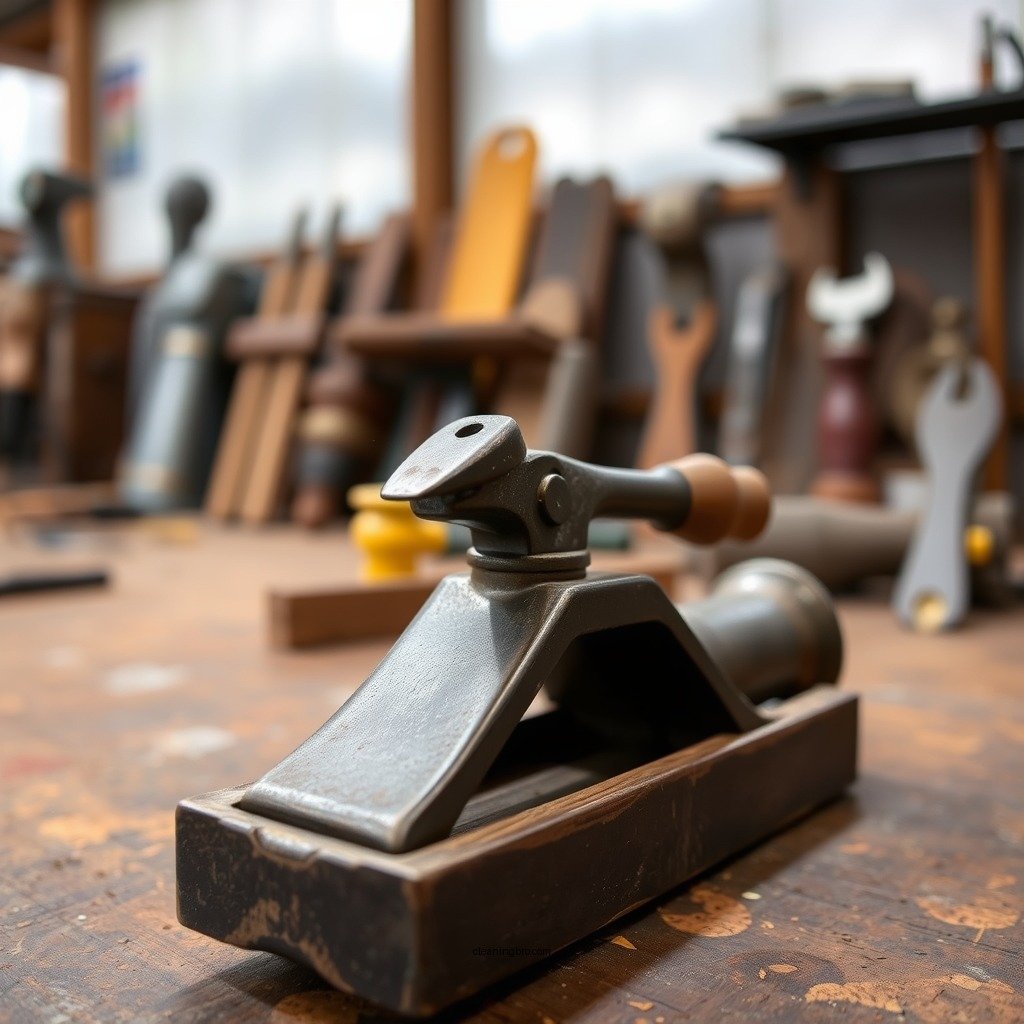
Cleaning antique tools is essential for several reasons. Firstly, it preserves their historical value and functionality, allowing collectors and enthusiasts to appreciate the craftsmanship and engineering of the past. Proper cleaning and maintenance can prevent the deterioration of materials, which can lead to irreversible damage. Secondly, regular cleaning helps prevent rust buildup, which can compromise the tool’s integrity over time. By taking the time to clean and maintain antique tools, owners can ensure that these valuable pieces remain a part of history and can be utilized or displayed effectively.
Assessing Your Antique Tools
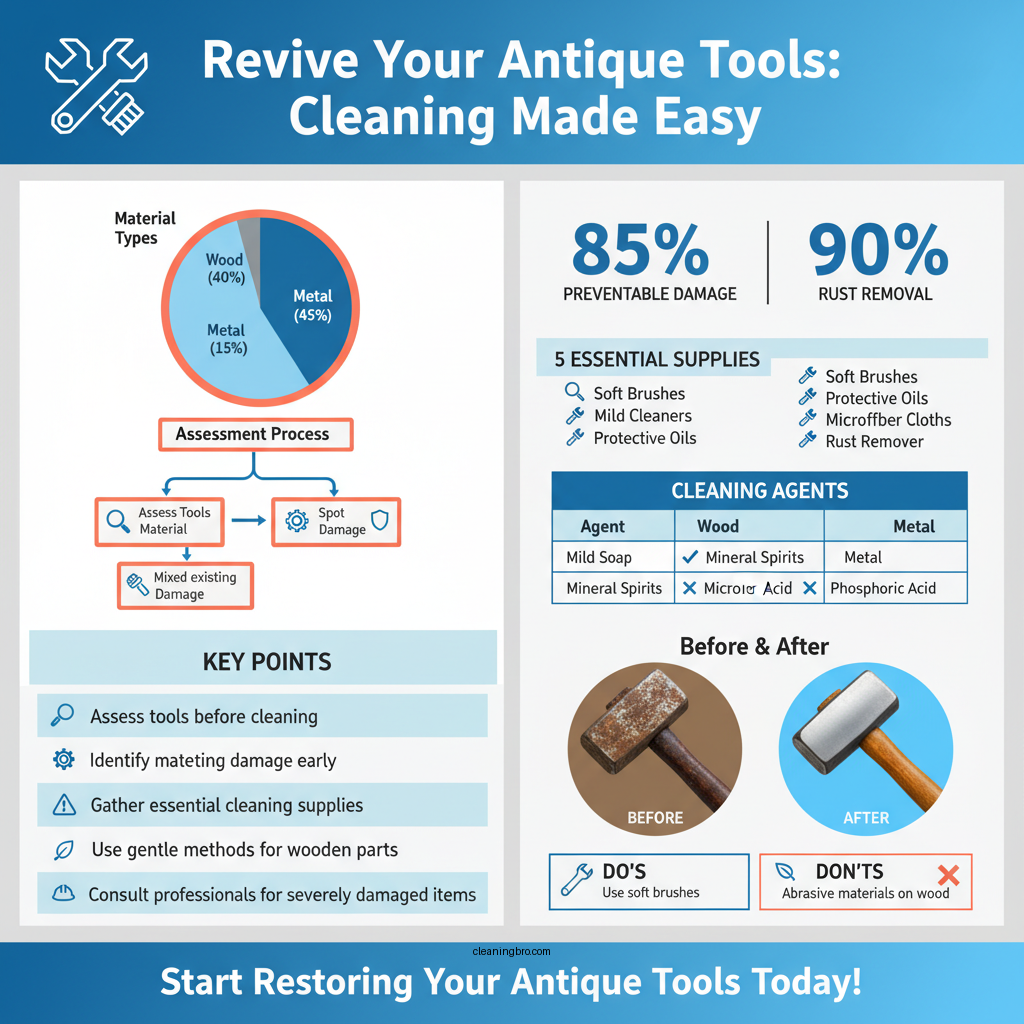

Before diving into the cleaning process, it is crucial to assess the condition of your antique tools. Begin by examining the materials used in the tools, such as wood, metal, or other components, as this will dictate the cleaning methods you will employ. For example, wooden handles may require gentler cleaning solutions compared to metal parts that can withstand more abrasive treatments.
Additionally, identifying any existing damage is paramount. Look for cracks, rust, or other types of wear and tear that may require special attention. If a tool is significantly damaged, cleaning may not be the best first step; instead, consider consulting a professional restorer who can provide guidance on the best approach.
Essential Cleaning Supplies
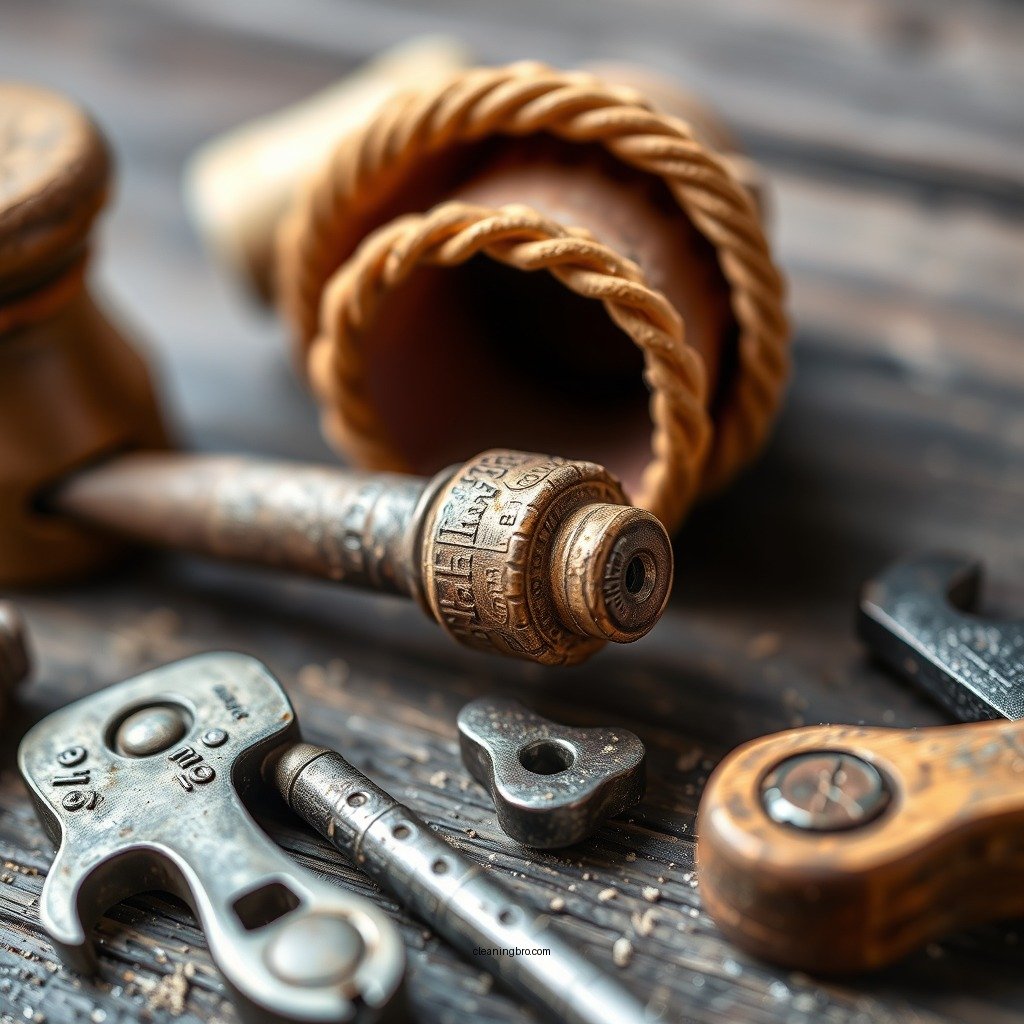
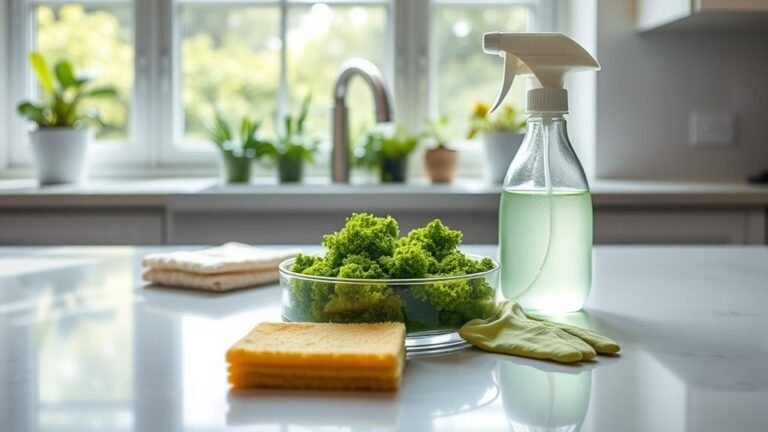
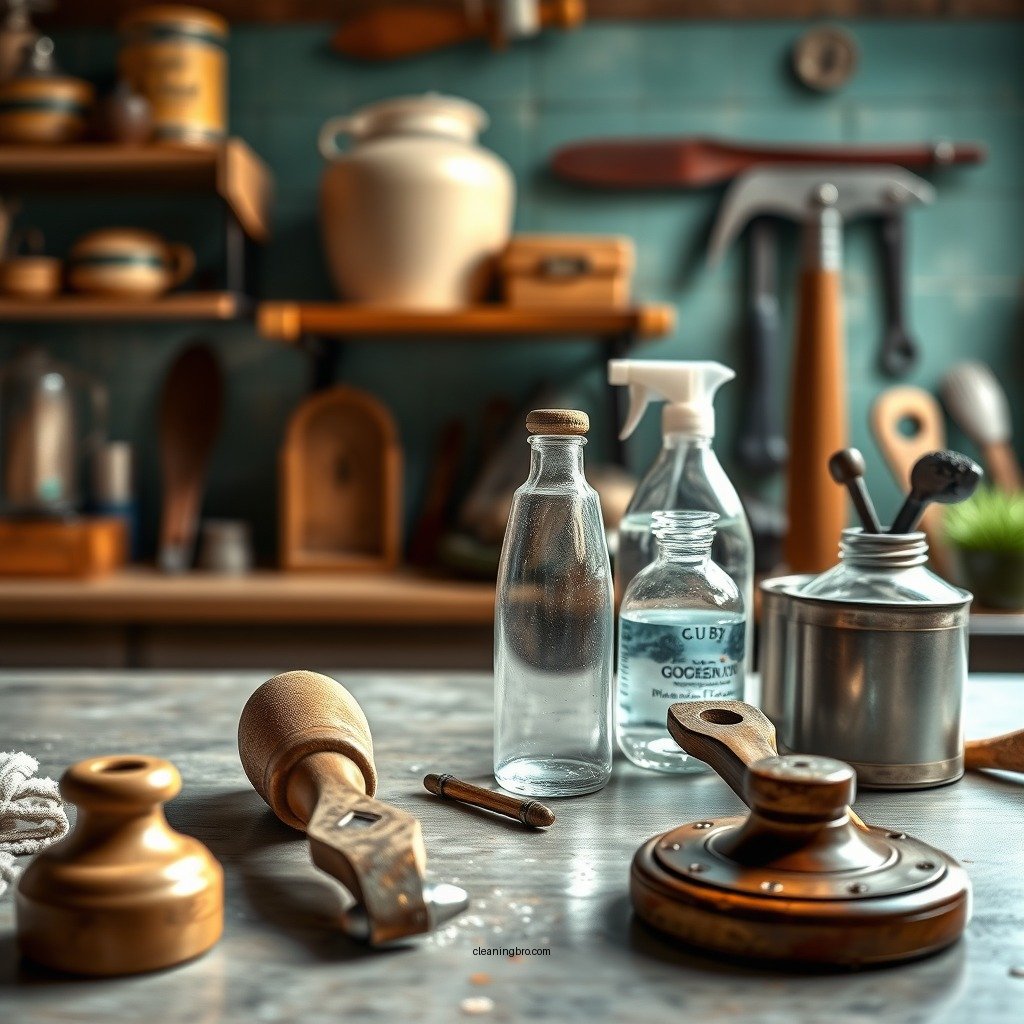
To effectively clean antique tools, gather the following supplies:
– Cleaning Agents:
– Mild soap (such as dish soap diluted with water)
– Rust remover (like phosphoric acid-based products)
– Mineral oil or linseed oil for finishing
– Tools Needed:
– Soft-bristled brushes (to avoid scratching surfaces)
– Microfiber cloths (for gentle wiping and polishing)
– Soft sponges (for applying cleaning solutions)
– Toothbrush (for hard-to-reach areas)
– Gloves (to protect your hands from chemicals and dirt)
Having the right supplies on hand will facilitate a smooth cleaning process and help maintain the tools’ condition.
Top 7 Antique Tool Brands and Their Specialty (2023)
| # | Brand | Specialty | Established | Restoration Tools |
|---|---|---|---|---|
| 1 | Stanley | Hand Tools | 1843 | Rust Remover |
| 2 | Record | Woodworking | 1902 | Microfiber Cloth |
| 3 | Irwin | Pliers & Clamps | 1885 | Soft Brushes |
| 4 | Dewalt | Power Tools | 1924 | N/A |
| 5 | Stihl | Outdoor Tools | 1926 | Oil Finishes |
| 6 | Snap-on | Automotive | 1920 | Polishing Cloths |
| 7 | Bessey | Clamping Tools | 1889 | Rust Remover |
Step-by-Step Cleaning Process
1. Gentle Dusting and Surface Cleaning: Begin by using a soft brush to remove dust and debris from the tool. Pay special attention to crevices where dirt may accumulate. For wooden handles, use a damp cloth to wipe down the surface without saturating the wood.
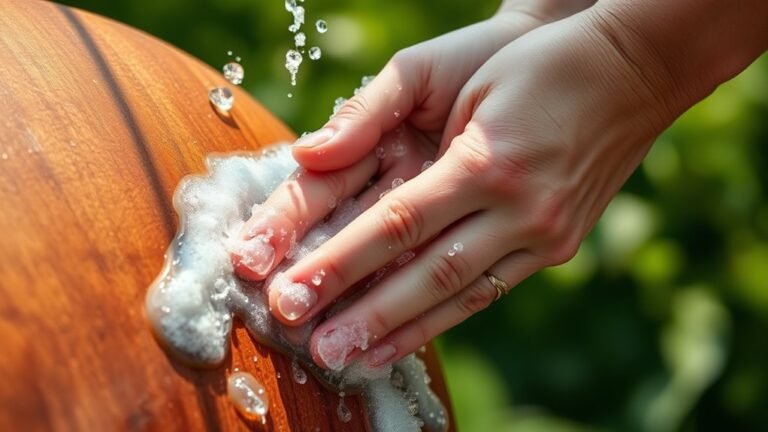
2. Deep Cleaning: For metal components, prepare a solution of mild soap and water. Apply it generously with a cloth or sponge, and scrub gently using a soft-bristled brush. Be cautious not to scratch the surface.
3. Rust Removal: If you encounter rust, apply a rust remover according to the manufacturer’s instructions. For light rust, a mixture of vinegar and baking soda can be effective. Allow the solution to sit for a few minutes before scrubbing gently with a brush.
4. Thorough Rinsing: After cleaning, rinse the tools thoroughly with clean water to remove any soap or cleaning solution residue, which can promote further corrosion if left on the surface.
5. Drying: Use a clean, dry cloth to wipe down the tools. Ensure they are completely dry to prevent moisture from causing rust. A fan can help speed up the drying process if needed.
Drying and Maintenance Tips
Proper drying is crucial in preventing rust formation on antique tools. After cleaning, always dry the tools thoroughly with a lint-free cloth. If possible, store them in a climate-controlled environment to minimize humidity exposure.
For ongoing maintenance, consider applying a thin layer of mineral oil or linseed oil to metal parts to protect against moisture. Wooden handles may also benefit from periodic oiling to maintain their luster and prevent cracking. Additionally, regularly inspect your tools for any signs of wear or rust, and address these issues promptly to ensure longevity.
Restoring Finishes and Preserving Patina
When restoring antique tools, it is essential to balance restoration with the preservation of original patina. For tools with a desirable patina, avoid aggressive cleaning methods that can strip away this characteristic.
If a finish needs to be reapplied, consider using a combination of linseed oil and beeswax, which can provide a protective and aesthetically pleasing finish. Apply the mixture with a soft cloth and buff gently to achieve a natural sheen. Always test any restoration method on a small, inconspicuous area first to ensure it does not adversely affect the tool’s appearance.
When to Seek Professional Help
While many antique tools can be cleaned and restored by enthusiasts, certain situations warrant professional intervention. If you notice significant structural damage, extensive rust, or if the tool holds particular historical significance, consulting a specialist may be the best course of action.
Professional restorers possess the knowledge and tools necessary to handle delicate situations without risking further damage. Resources for finding professional restorers include antique shops, local historical societies, and online forums dedicated to antique restoration.
Summarizing the key techniques and steps for cleaning antique tools can help ensure they remain in good condition for years to come. By following the outlined methods, you can effectively clean and maintain your tools while preserving their historical significance. Start your restoration journey today and give your antique tools the care they deserve!
Frequently Asked Questions
What are the best methods to clean rust off antique tools?
The best methods to clean rust off antique tools include using a mixture of vinegar and baking soda or applying a rust remover specifically designed for metal. Soaking the rusty parts in vinegar for several hours can help loosen the rust, while baking soda creates a gentle abrasive that can scrub off remaining deposits. Always rinse and dry the tools thoroughly afterward to prevent further rusting.
How can I safely clean wooden handles on antique tools?
To safely clean wooden handles on antique tools, use a soft cloth lightly dampened with a mixture of mild soap and water, avoiding excessive moisture. For deeper cleaning, apply a small amount of mineral oil or linseed oil to nourish the wood and restore its natural finish. Be sure to let the handles dry completely to avoid any mold or deterioration.
Why is it important to clean antique tools before use?
Cleaning antique tools before use is crucial to preserve their functionality and integrity. Dirt, rust, and grime can not only hinder performance but also cause damage over time. Moreover, a thorough cleaning reveals any potential issues that may need repair, ensuring that the tools remain in good condition for future use.
Which products should I avoid when cleaning antique tools?
Avoid using harsh chemicals, solvents, or abrasive scrubbers when cleaning antique tools, as these can cause irreversible damage to the metal or wood. Products like bleach or strong industrial cleaners can strip away patina or finishes that contribute to the tool’s value. Instead, opt for gentle, pH-balanced cleaners designed for delicate surfaces.
What tools and supplies do I need to effectively clean antique tools?
To effectively clean antique tools, gather supplies such as soft brushes, microfiber cloths, vinegar, baking soda, mineral oil, and rust remover. Additionally, having a set of fine-grit sandpaper or steel wool can help with stubborn rust, while cotton swabs can reach intricate areas. Ensuring you have the right tools will make the cleaning process more efficient and preserve your antique tools.
References
- Antique tool
https://en.wikipedia.org/wiki/Antique_tools - https://www.smithsonianmag.com/arts-culture/how-to-clean-antique-tools-180982637/
https://www.smithsonianmag.com/arts-culture/how-to-clean-antique-tools-180982637/ - https://www.historicengland.org.uk/advice/technical-advice/buildings/conservation-and-repair/cleaning-antique-tools/
https://www.historicengland.org.uk/advice/technical-advice/buildings/conservation-and-repair/cleaning-antique-tools/ - https://www.woodmagazine.com/materials-guide/finishes/how-to-clean-and-store-old-tools
https://www.woodmagazine.com/materials-guide/finishes/how-to-clean-and-store-old-tools - https://www.americanartifacts.com/smma/cleaning.htm
https://www.americanartifacts.com/smma/cleaning.htm - Google Scholar Google Scholar
https://scholar.google.com/scholar?q=cleaning+antique+tools - Google Scholar Google Scholar
https://scholar.google.com/scholar?q=restoration+of+antique+tools - Google Scholar Google Scholar
https://scholar.google.com/scholar?q=maintenance+of+antique+tools - Google Scholar Google Scholar
https://scholar.google.com/scholar?q=how+to+clean+antique+tools